by Frank | Feb 5, 2026 | Barn Doors & Windows
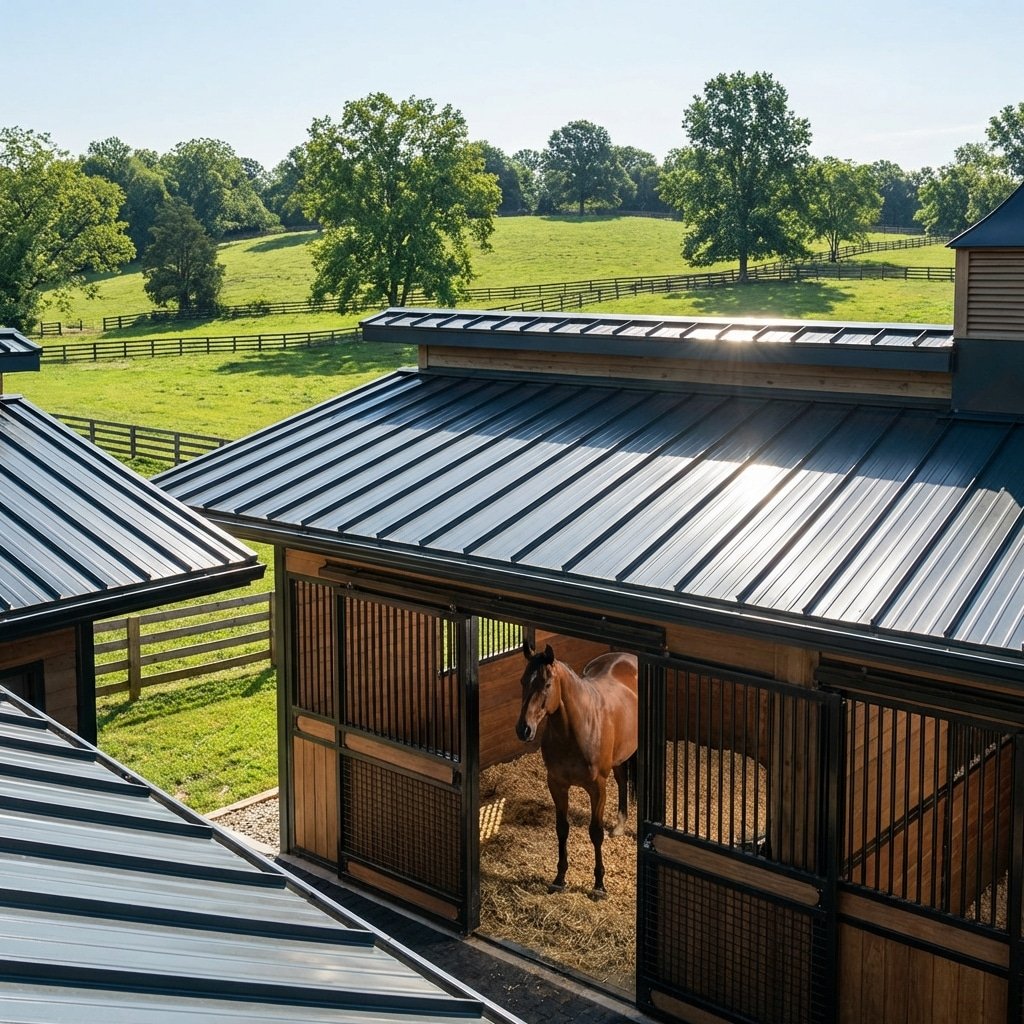
Colorbond Roofing stands as the primary defense against the thermal inefficiency of standard galvanized tin in high-UV agricultural zones. While generic zinc sheets offer lower upfront costs, they generate a stifling heat-sink effect that endangers livestock health...

by Frank | Feb 4, 2026 | Barn Doors & Windows
Standard 48-inch stall doors are a liability for Pregnant Mares approaching their final trimester. As abdominal distension increases spatial requirements, narrow openings create a mechanical hazard that risks placental detachment and costly foal loss during routine...

by Frank | Feb 1, 2026 | Barn Doors & Windows
Specifying Drop-Down Feed Doors drives operational efficiency by separating feeding workflows from direct animal handling. While standard stall fronts reduce initial manufacturing costs, they force staff to open main doors for every feeding cycle, significantly...
by Frank | Jan 25, 2026 | Barn Doors & Windows
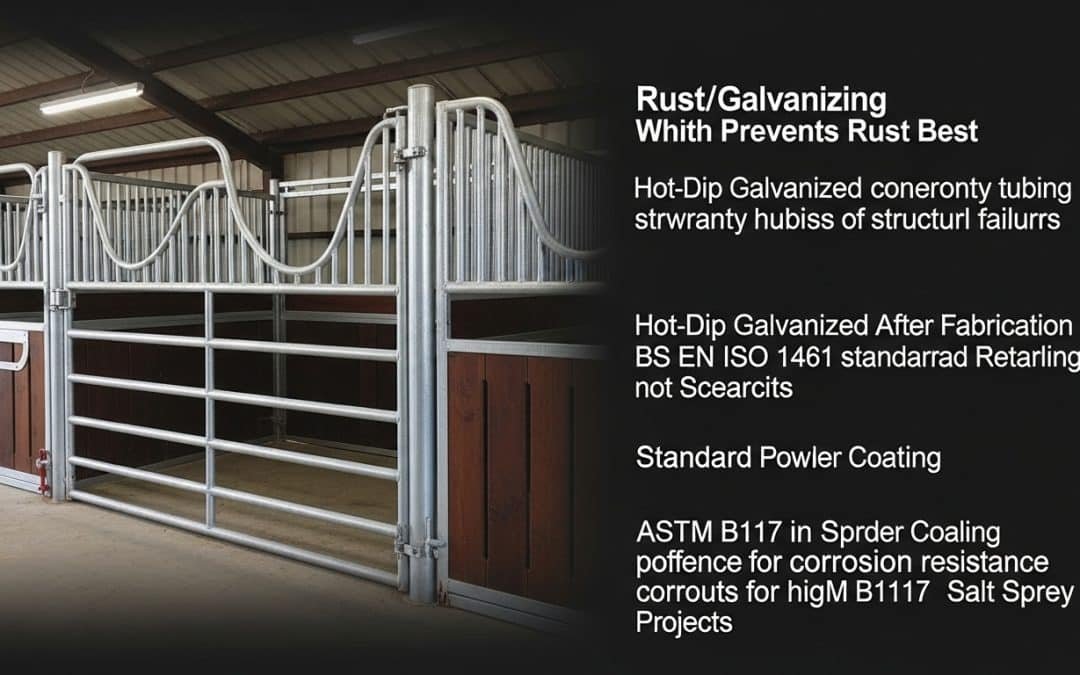
Understanding Rust/Galvanizinghorse stall gates is critical to preventing costly warranty claims and structural failures. Stalls made from pre-galvanized tubing commonly rust at the welds, a frequent point of failure in coastal or high-humidity environments. This...
by Frank | Jan 25, 2026 | Barn Doors & Windows
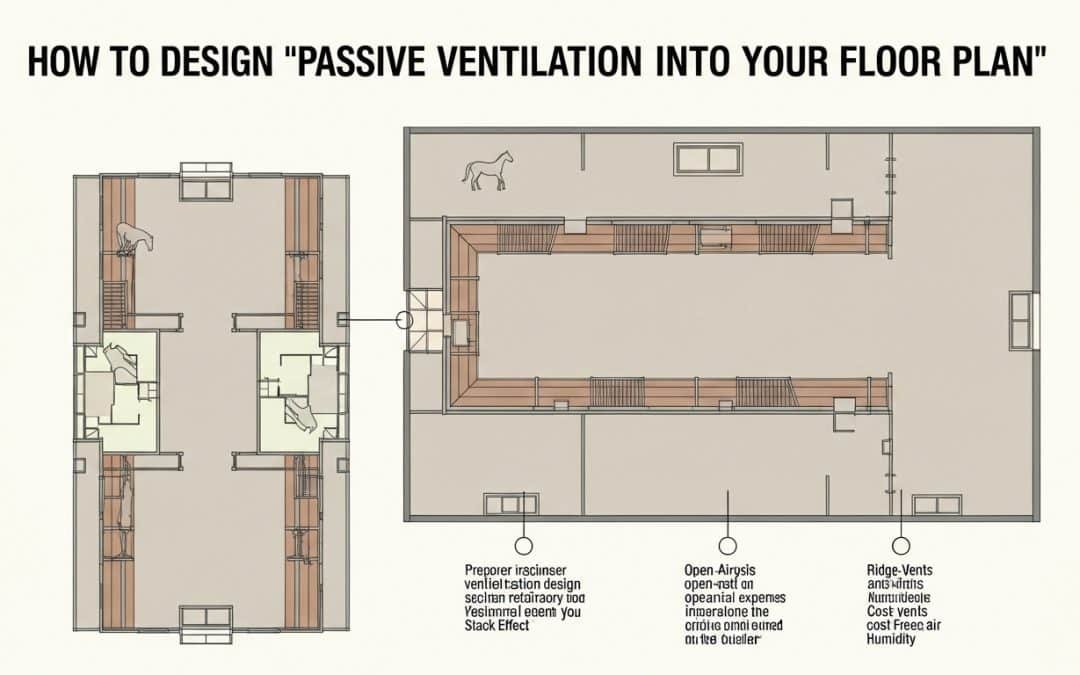
Improper horse barn ventilation design is a direct cause of respiratory illness, creating significant veterinary costs for owners and liability risks for facility engineers. Relying solely on mechanical systems increases operational expenses and introduces a critical...
by Frank | Jan 11, 2026 | Barn Doors & Windows
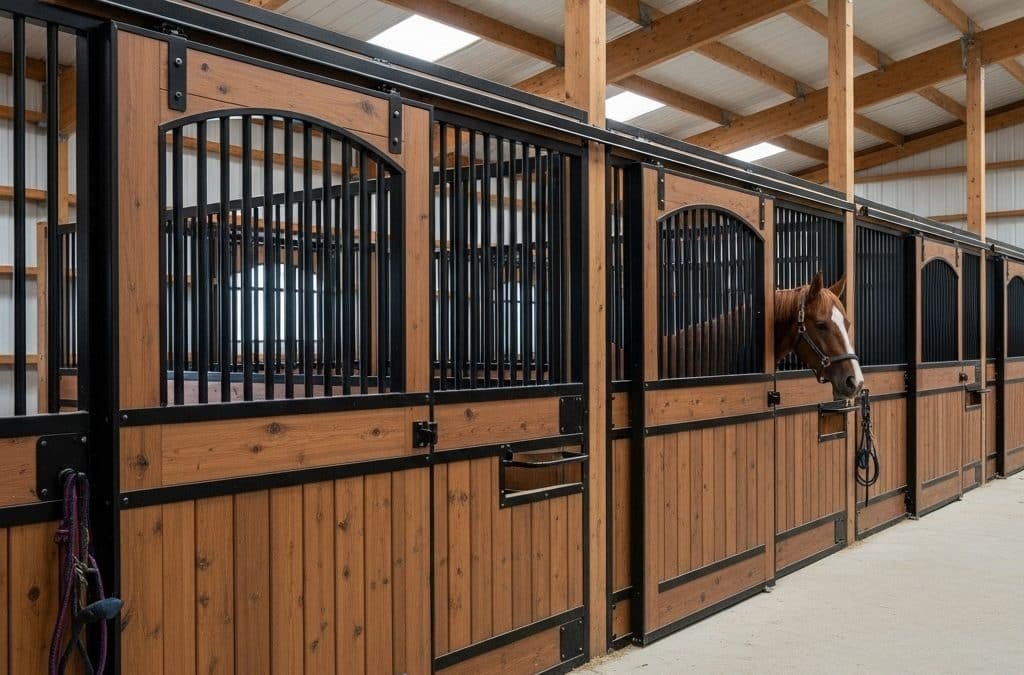
Choosing the correct horse stall door types is a critical decision that dictates a barn’s safety and workflow. A hinged door projects into the aisle, creating a collision risk and consuming valuable square footage. This fundamental design flaw compromises...


 English
  Spanish
  French
  Arabic
  German