


A horse stable sample order is the cheapest quality control a wholesale buyer will ever purchase. Ten stable sets — the minimum bulk order — represents a serious commitment, and by the time a container clears customs, every material decision is already welded, coated, and irreversible. A sample puts the steel in your hands before the deposit leaves your account.
DB HorseStable has manufactured in Anping, China since 2013, ships stabling systems to nine countries, and runs CNC machining with automated 360° welding at a capacity of 500+ sets per month. Scale like that is exactly why sampling matters: you verify the process output, not the brochure promise. Sample cost and lead time vary by configuration and destination — confirm both with the factory in writing before anything else.
Key Takeaways
- MOQ context: Bulk production starts at 10 stable sets or 50 fence panels — a sample lets you test the product before committing to that volume.
- What’s at stake: Bulk orders earn tiered discounts of 5%–15%, but only on product that passes inspection in the field.
- Timeline: Global delivery runs 4–6 weeks, with 1–2-week expedited delivery from regional warehouses in Sydney and Warsaw.
- What samples expose: The two industry traps — the Steel Gauge Scam and the Pre-Galvanized Lie — both surface under a caliper and a flashlight.
- Commercial terms: Sample cost, lead time, and fee-credit policies are set case by case — confirm every one with the factory in writing.
What a Sample Order Verifies That a Catalog Cannot
Catalog photos, CAD drawings, and spec sheets describe a product. They cannot contradict it. A physical sample can. When a stable front from a Chinese factory lands on your dock, wall thickness, weld seams, galvanized coverage, and hardware fit stop being claims and become measurable facts.

That distinction matters more with welded steel than with almost any other product category. A stable is a welded structure that absorbs kicks, leaning horses, and gate swings for decades. DB HorseStable manufactures on CNC machining lines with automated 360° welding and holds ISO 9001 and CE certification — but no buyer should accept process claims on faith when one sample verifies the output directly.
Decide the sample scope with the factory up front. Some buyers test a single partition panel or door unit; others want material coupons of each lining option — bamboo, HDPE, or pine. Sample format is a case-by-case arrangement, so confirm what the factory can ship before you budget for it.
The Steel Gauge Scam: Why Thickness Claims Need Physical Proof
The Steel Gauge Scam works like this: a supplier quotes one wall thickness in the sales stage, then ships a thinner-gauge section once the order is too far along to restart. The buyer discovers it when panels flex under normal horse behavior — or when a gate post racks out of square within the first season.
Under-gauge steel fails in ways that are expensive to fix and impossible to hide. Thinner walls flex at every kick. Frames twist at the joints. And the 20-year rust protection of hot-dip galvanized steel is cold comfort if the section carrying that coating is too light for the load it holds.
A sample shuts the scam down for the price of a caliper. Measure wall thickness at several points on the frame — corners, mid-span, and beside welded joints — and compare every reading against the gauge stated in the written quote, not the brochure. We cover gauge selection for stalls in more depth in our horse stall steel gauge guide.
The Pre-Galvanized Lie: Test the Coating, Not the Brochure
The Pre-Galvanized Lie is quieter and more common. Pre-galvanized steel is coated as a coil before fabrication. The moment that coil is cut, drilled, and welded into a stable panel, the coating is destroyed at exactly the points moisture attacks first: weld seams, cut edges, and fastener holes.
Hot-dip galvanizing after fabrication dips the finished weldment into molten zinc, sealing the seams and edges the fabrication process exposed. That is the process behind a credible 20-year rust protection claim. On a pre-galvanized product, the same claim falls apart at every weld bead.
The inspection itself takes minutes. Turn the sample over. Look inside the tube openings. Check the weld beads and bolt holes. Bare gray metal or early rust freckles at those points means the coating went on before fabrication, not after. Ask the factory for written documentation of the galvanizing process — and ask again if the answer stays vague.
Horse Stable Sample Verification Checklist
Run every sample through the same checklist so results stay comparable across suppliers. Photograph each checkpoint and keep the written quote next to the sample — disputes are settled by documents, not memory.
| What to Check | How to Check It | What a Pass Looks Like |
|---|---|---|
| Steel wall thickness | Caliper readings at corners, mid-span, and beside welds | Every reading matches the gauge stated in the written quote |
| Weld seam quality | Visual and touch inspection along every joint, inside and out | Continuous seams with no gaps, pinholes, or spatter clusters |
| Galvanizing coverage | Inspect weld beads, cut edges, bolt holes, tube interiors | Zinc covers seams and edges; bare metal at welds signals pre-galvanized coil |
| Component fit and hardware | Assemble the sample on site; operate doors and latches | Panels align, hardware seats flush, hinges swing without binding |
| Regional adaptation | Check drainage and ventilation features against your climate | Design matches your market spec — high drainage for the UK and New Zealand, frost resistance for Poland |
| Documentation | Cross-check sample against quoted spec and certificates | ISO 9001 and CE certificates name the same manufacturer as your contract |
One pass on a sample protects the whole production run. Once the sample checks out, the same documented specification — attached to the purchase order — becomes the acceptance standard for the bulk order.
From Sample to Bulk: MOQ, Tiered Pricing, and Lead Times
The commercial mechanics around the sample matter as much as the sample itself. DB HorseStable’s minimum order is 10 stable sets or 50 fence panels, with tiered discounts of 5%–15% on bulk orders. Orders of 20 sets or more are assigned a dedicated regional account manager who handles customization and logistics planning.
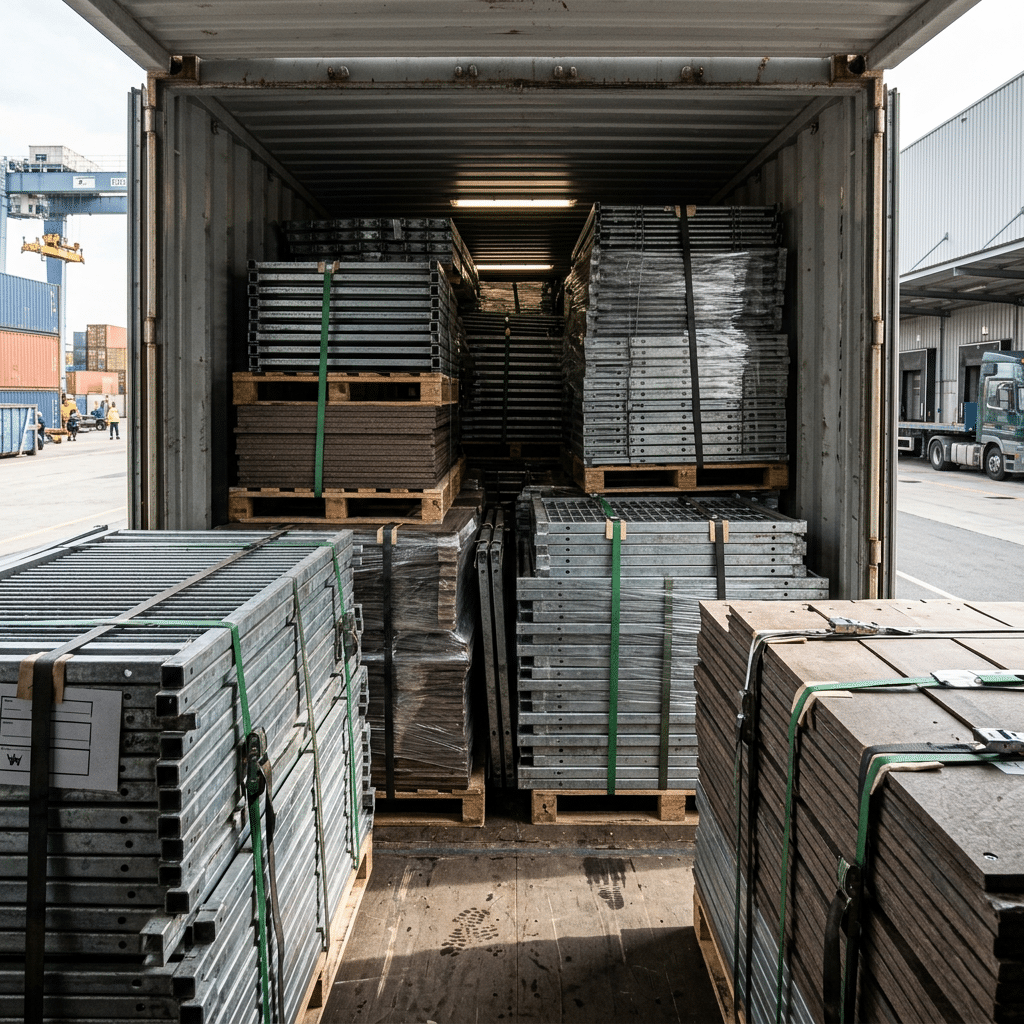
Lead times run 4–6 weeks for global delivery, with 1–2-week expedited delivery from regional warehouses in Sydney and Warsaw for buyers in those service areas. Build the sample phase into that timeline rather than after it: a sample loop that runs in parallel with quoting keeps the bulk order on schedule.
Ask for the bulk quotation alongside the sample, not after it. Knowing which tier your volume lands in — and what the discount does to landed cost — tells you exactly what the sample is protecting. Our guide to MOQ and tiered pricing for wholesale horse stables breaks the math down.
How to Structure Your Sample Request
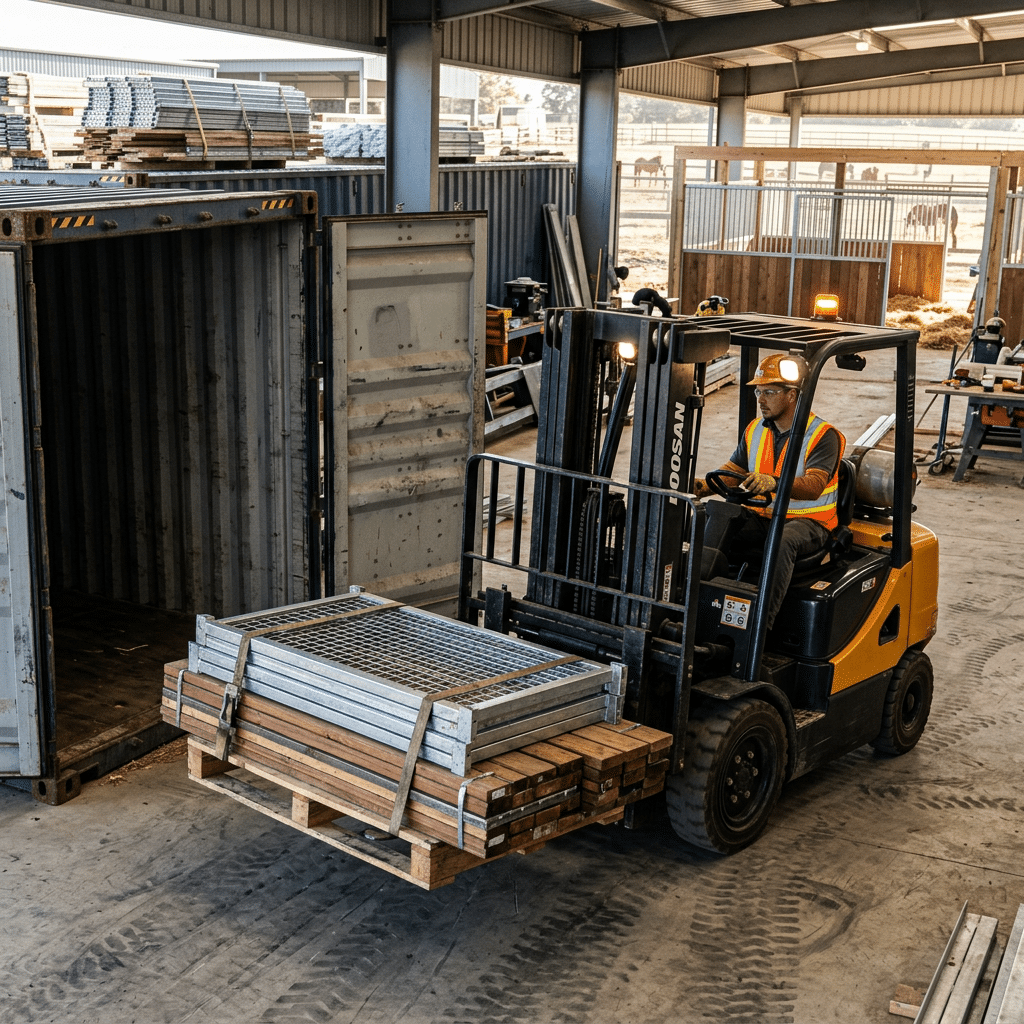
A vague sample request produces a useless sample. Specify the configuration in writing: stall dimensions, lining material, door type — V-yoke Dutch doors, tempered-glass windows — hardware finish, and the regional adaptations your market needs, such as high-drainage design for the UK and New Zealand or frost-resistant structures for Poland.
Then put the commercial questions in the same email:
- Sample cost and freight terms for your destination country
- Sample production lead time at the current production load
- Fee credit: whether the sample cost is deducted from the bulk order
- Sample format: full panel, door unit, or material coupons of each lining option
None of these have one-size-fits-all answers — they are set case by case, so confirm each one with the factory in writing before any payment moves.
One position we will take: a supplier who refuses to ship a sample before a bulk deposit has answered your most important question already. A manufacturer running automated 360° welding at a capacity of 500+ sets per month has no reason to hide the product.
Frequently Asked Questions
How much does a horse stable sample order cost?
Sample pricing depends on the configuration, format, and destination, and it is quoted case by case. Confirm the cost and freight terms with the factory in writing before paying.
How long does a stable sample take to produce and ship?
Sample lead time depends on the configuration and the current production queue, so confirm the timeline with the factory. For planning, bulk orders run 4–6 weeks globally, so budget the sample phase ahead of that window.
Does the sample fee count toward my bulk order?
Credit policies vary by supplier and order, so treat it as a negotiation point. Confirm whether the sample fee is deducted from the bulk order before you pay it, and get the answer in the quotation.
Can I order a sample below the minimum order quantity?
The minimum order of 10 stable sets or 50 fence panels applies to bulk production. Sample arrangements are handled separately, so confirm which sample format the factory will ship.
What documents should accompany a stable sample?
The written specification the sample was built to, plus the supplier’s ISO 9001 and CE certification and any market-specific compliance documentation, such as BHS-aligned designs for the UK. Match the manufacturer name on every document against the entity on your contract.
Conclusion
A wholesale stable order concentrates years of service life, horse safety, and budget into one production run. The sample phase is where you verify the gauge, the coating, and the welds — the three things no catalog photo can prove — while the stakes are still low.
Before the bulk order, review the stable system specifications, align the sample configuration with your market’s climate requirements, and put every commercial question to the factory in writing. The deposit you protect is your own.

 English
 Spanish
 French
 Arabic
 German
0 Comments