


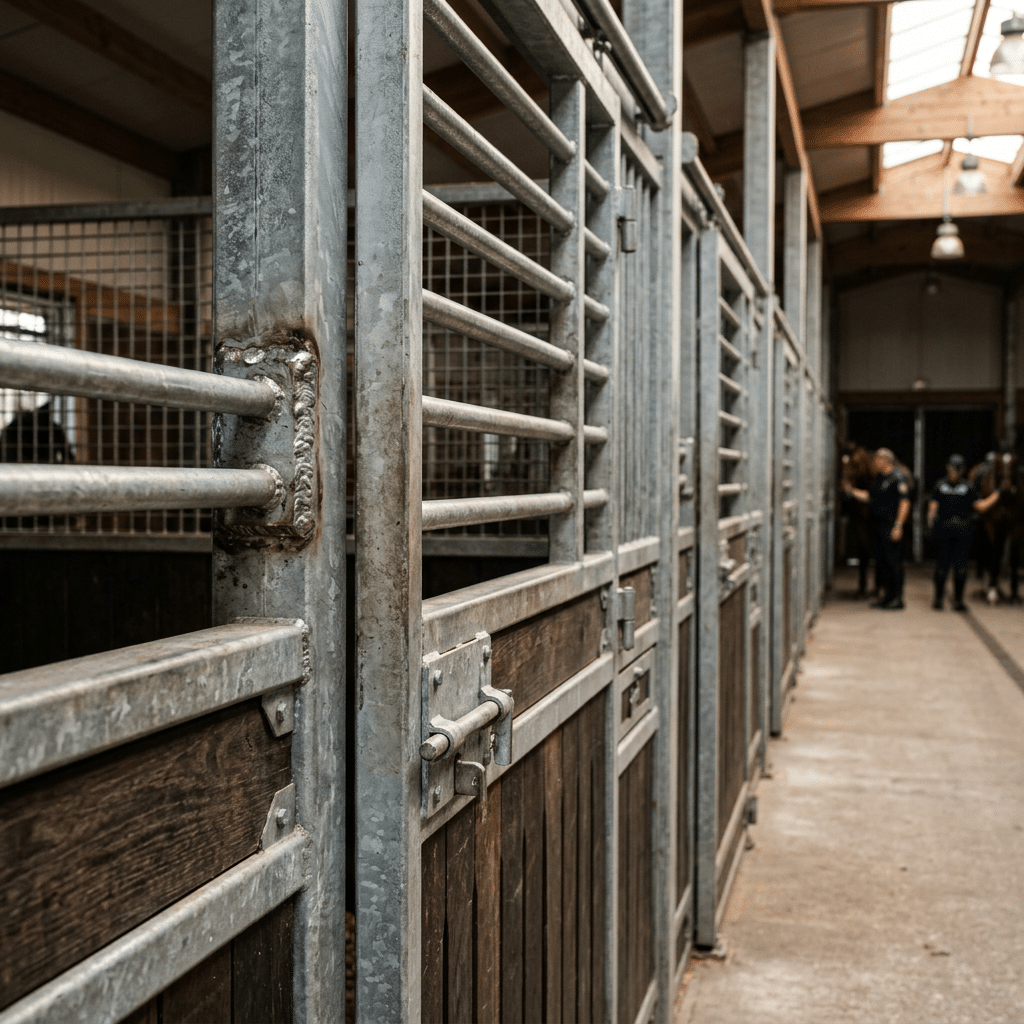
Navigating UK Brexit tariffs is only the start; the real margin killers are importer markups and inefficient logistics. Sourcing fully welded stables through European middlemen adds layers of cost, inflating your landed cost and eroding profit before a container even reaches a UK port.
This analysis provides a transparent landed cost calculation. We compare direct factory sourcing against the importer model, using HS Code 7308.90 for correct duty assessment and factoring in the 60%+ freight savings from high-density flat-pack systems.
The Post-Brexit Landscape for UK Equestrian Centers
Brexit added major costs and border delays for UK equestrian centers. New regulations tack on around £1,700 per trip, hurting trade and horse welfare. Smart logistics help offset this.
New Border Costs and Regulatory Burdens
The friction at the UK-EU border is real and expensive. Transporters now face cost increases of about £1,700 for a single cross-channel trip. This isn’t just about money; the logistical delays are a serious animal welfare issue. Border waits can stretch to nine hours at crossings that used to take minutes.
On top of that, the paperwork has exploded. What used to be a simple carnet and Coggins test now involves navigating over a dozen different licenses, customs declarations, and health papers just to move horses across the channel.
Offsetting Import Friction with Smart Logistics
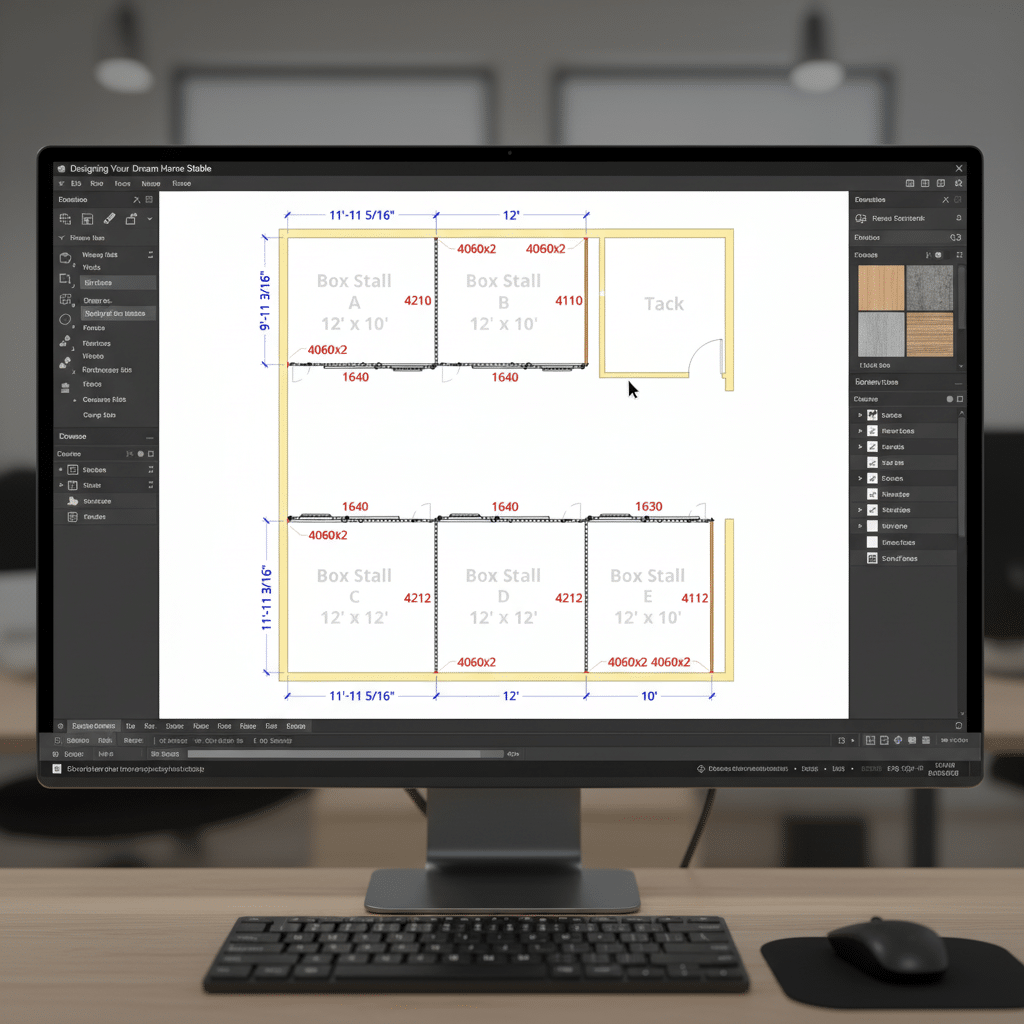
While you can’t control border policy, you can control operational costs. For large projects or distributors importing equestrian infrastructure, logistics efficiency is a direct way to protect profit margins. Shipping fully-welded stables is incredibly inefficient and costly.
DB Stable’s flat-pack system is designed to counter this problem. We can load 30 to 45 complete stable sets into a single 40HQ container, which cuts ocean freight costs by over 60% compared to traditional methods. Every component ships on secure Steel Pallet Flat-Packs, ensuring they arrive safely and are easy for crews to unload at UK ports.
Polish Import vs. Chinese Direct: A Cost Comparison
Direct sourcing from a Chinese factory lowers your total landed cost. It eliminates importer markups and uses engineered flat-pack systems to cut sea freight by over 60%.
Mapping the Full Landed Cost
The factory’s sticker price is just the starting point. The real cost to get stables to your UK yard includes multiple layers of fees. Looking at the total landed cost is the only way to compare a European importer against a direct-from-factory model.
| Cost Component | Sourcing via Polish Importer | Sourcing Direct from China (DB Stable) |
|---|---|---|
| Factory Ex-Works (EXW) Price | The base cost from the Chinese factory. | The same base cost, fully transparent. |
| Middleman Markup | Applied. The Polish importer adds their margin to the factory price. | Eliminated. You pay the direct factory price. |
| Ocean Freight & Insurance | High cost due to inefficiently packed, fully welded structures. | Dramatically lower cost due to flat-pack engineering. |
| UK Customs & Fees | Import duties, VAT, and clearance fees are calculated on a higher total value (including the markup). | Duties and VAT are calculated on the lower, direct factory value. |
The Impact of Flat-Pack Logistics on Freight Costs
Ocean freight is one of the biggest variables in your landed cost. Most importers source fully-welded stables, which is mostly shipping empty air. This poor space utilization inflates shipping costs and erodes distributor margins. We engineered a system specifically to fix this problem.
- Traditional Fully-Welded Stables: A standard 40HQ container typically holds only 12-15 stable sets.
- DB Stable Flat-Pack System: The same 40HQ container fits 30-45 stable sets, packaged on steel pallets for safe unloading.
This packing density directly reduces sea freight cost per unit by more than 60%. For our B2B distributors, this isn’t just a saving—it’s direct profit protection built into the supply chain.
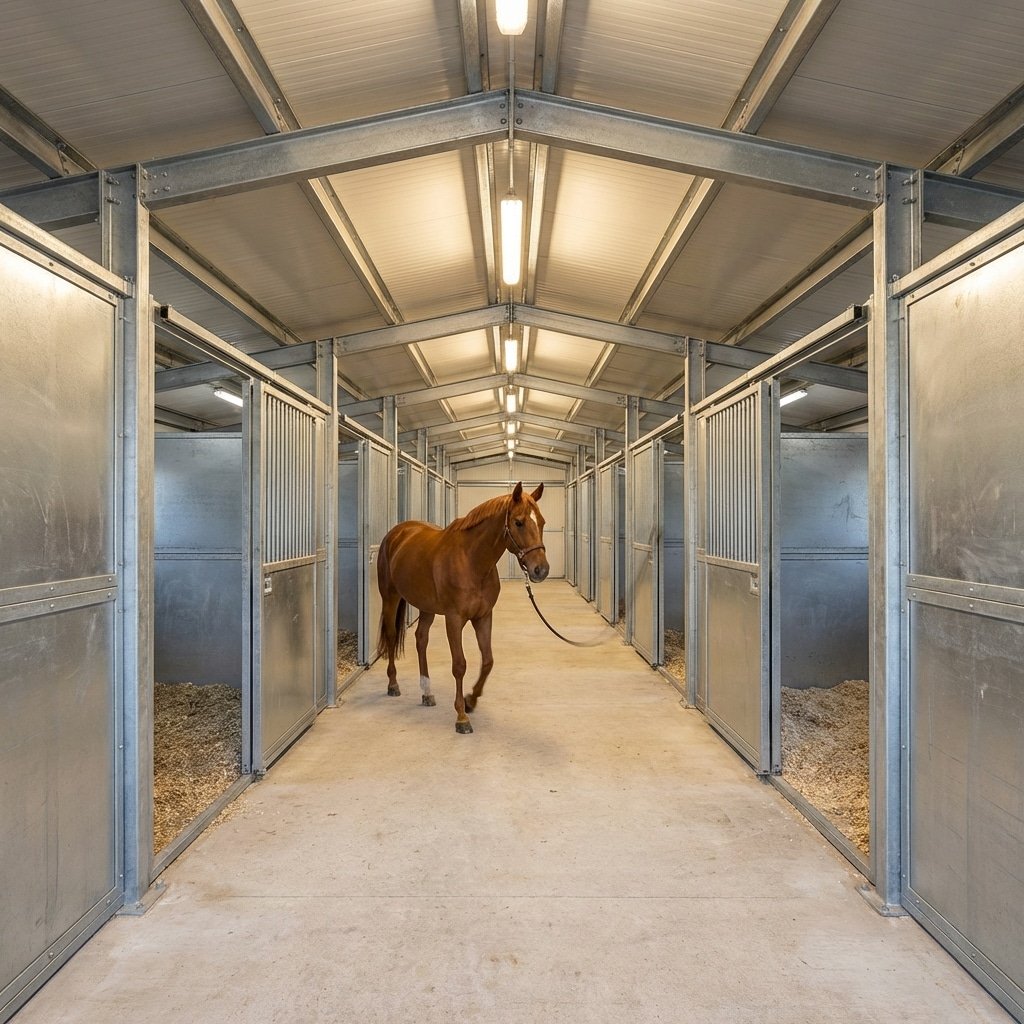
Global Horse Stables Engineered for Durability
HS Code 7308.90: Clarifying UK Duty Rates
HS Code 7308.90 covers iron and steel structures for 2026. This specific code helps avoid higher tariffs by distinguishing stable kits from ‘prefabricated buildings,’ simplifying UK imports.
Understanding the 7308.90 Classification in 2026
This code applies to structures and parts of structures made from iron or steel, like beams, columns, and roofing frameworks. It’s a broad category, but it pointedly excludes complete, ready-to-assemble prefabricated buildings. The UK’s tariff system stays aligned with EU commodity classifications to keep trade consistent, and the 2026 updates reflect this. For the exact duty and VAT rates from January 1, 2026, importers must use the official UK Trade Tariff service.
Strategic Classification for Horse Stable Systems
We classify our Hot-Dip Galvanized Horse Stable Systems under HS Code 7308.90 for a specific reason. It prevents customs from mistaking our kits for “prefabricated buildings,” a classification that often carries higher duties and creates import headaches. Using the correct code ensures a predictable and smoother process for our B2B distributors, protecting their margins and timelines.
Flat-Pack Logistics: Landing 40 Sets at Felixstowe
Landing stables at Felixstowe means new port charges. Our flat-pack system fits up to 45 sets per container, slashing per-unit freight costs to protect distributor profit margins.
Navigating Felixstowe’s Import Charges
When your container arrives at the Port of Felixstowe, there are several mandatory charges to account for. These aren’t negotiable and are a direct result of the UK’s updated Border Target Operating Model and assoc
iated infrastructure costs.
- Port Entry Charge: A fixed fee of £20.33 applies to every customs import entry.
- Green Energy Transition (GET) Levy: An additional £16.66 is charged for every full container processed at the port.
The Commercial Advantage of Flat-Pack Density
Sky-high freight costs can destroy a distributor’s margins. This is exactly why we engineered our flat-pack system. A standard 40HQ container loaded with fully welded stables can only fit about 12-15 sets. That same container fits 30 to 45 of our flat-packed stable sets.
This density reduces the per-unit freight cost by over 60%. It’s a simple calculation that directly impacts your profitability. We call this “Profit Protection.” Every shipment is packed onto custom steel pallets, eliminating loose loading. This ensures the product arrives undamaged and allows your team to unload the container safely and efficiently at your commercial yard.
Reclaiming VAT for Commercial Yards
UK commercial yards can use Postponed VAT Accounting (PVA) to manage import VAT on stable systems. This avoids upfront cash payments by accounting for VAT on your regular return.
How Postponed VAT Accounting (PVA) Works
The Postponed VAT Accounting scheme is the standard mechanism for handling import VAT on business goods in the UK. Instead of paying VAT upfront at the border and waiting to reclaim it, PVA lets you manage it directly on your standard VAT return. This significan
tly improves cash flow, as you aren’t tying up capital in tax payments.
To make this work, the process has a few simple requirements:
- You must provide your EORI number (Economic Operators Registration and Identification) to your customs agent or freight forwarder. They need to include it on the customs declaration.
- On your VAT return, you declare the import VAT as output tax and simultaneously reclaim it as input tax. The two entries cancel each other out, resulting in cash-flow neutrality.
Using HS Code 7308.90 for Smooth Customs Processing
Accurate product classification is essential for a clean import process. Misclassifying goods can lead to delays, inspections, and incorrect duty assessments. Our DB Stable systems are correctly classified under a specific code that simplifies customs entry.
- Correct Code: All our stable systems fall under HS Code 7308.90, which designates them as ‘Structures of Iron/Steel’.
- Why It Matters: This code avoids the more complex and potentially higher-tariff classification of ‘Prefabricated Buildings’, which often triggers extra regulatory hurdles.
- Your Role: Simply provide HS Code 7308.90 to your freight forwarder. This ensures the customs declaration is accurate, which is a prerequisite for using the PVA scheme efficiently.
Frequently Asked Questions
Can I reclaim VAT on commercial horse stable purchases in the UK?
VAT reclamation on commercial stable purchases depends on their business use. While the purchase of the property itself is often VAT-exempt, you can typically reclaim VAT on associated business expenses like equipment, utilities, and running costs. To do so, you must be VAT registered and have valid VAT invoices for purchases used exclusively for your business.
What factors influence the shipping cost for stables from China to the UK?
The final shipping cost is influenced by several key factors. These include the shipping method (sea freight versus air freight), the total weight and volume of the cargo, the specific ports of origin and destination, and seasonal demand fluctuations. Be aware that additional fees for customs clearance, import duties, and local handling can also add to the total cost.
What is the correct HS code for steel horse stables for UK customs?
The appropriate HS code for steel horse stable structures is 7308.90. This code correctly classifies them as ‘Structures of Iron/Steel,’ which is important for ensuring a smooth customs process and avoiding the higher tariffs or regulations that can apply to ‘Prefabricated Buildings.’
Final Thoughts
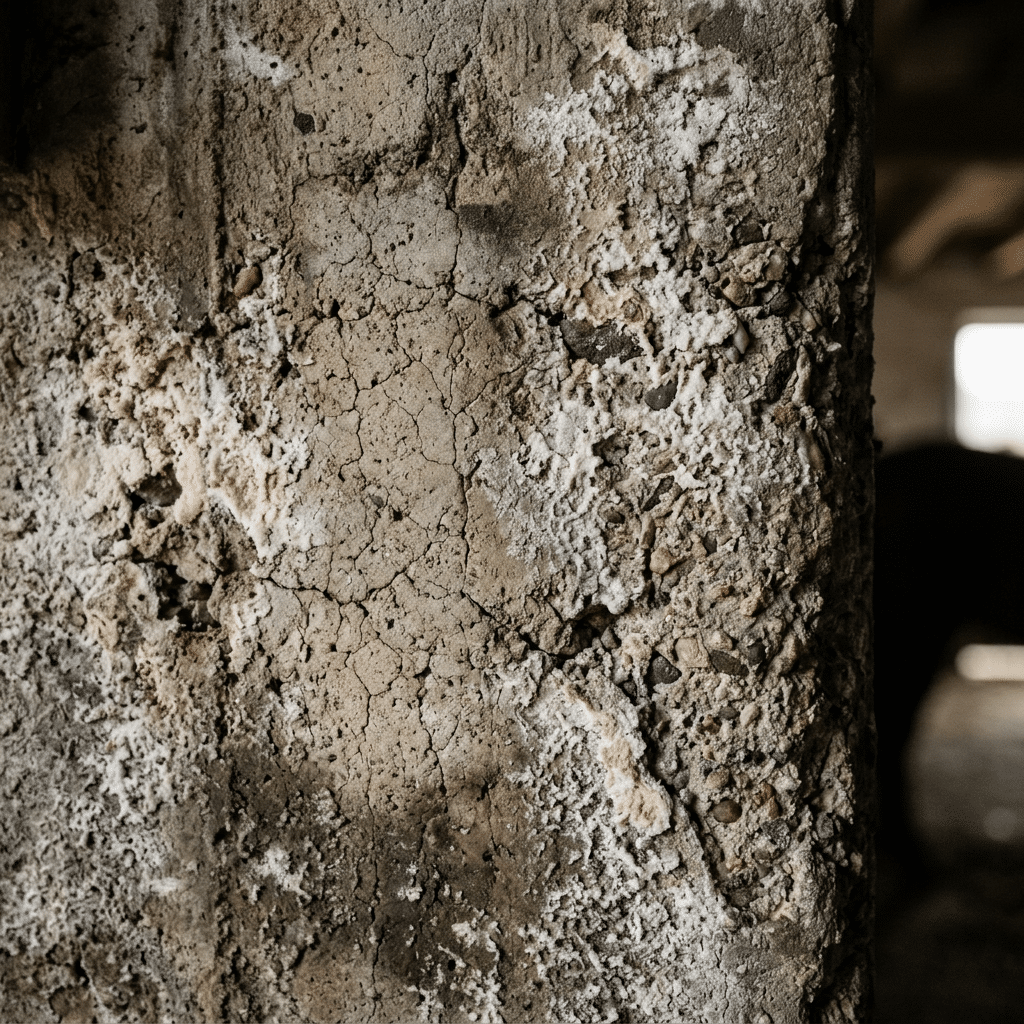
Relying on pre-welded stables erodes margins with high freight costs, while using pre-galvanized steel invites rust claims. Our system is engineered to solve both problems for UK distributors. We use flat-pack logistics and post-fabrication galvanizing to protect your profit and your reputation.
The next step is to validate the landed cost and build quality for yourself. We recommend a small trial order to test our flat-pack system and finishing standards. Contact our team to configure your first shipment and secure your distributor margins.


 English
  Spanish
  French
  Arabic
  German
0 Comments