Understanding tax depreciation for an equestrian facility is a critical cash flow decision. Misclassifying modular stalls as permanent real estate locks your capital into a slow 39-year recovery schedule. This common error forfeits substantial, early-year tax...
Effective IP & White Labeling is the only defense against unauthorized ‘ghost shifts,’ where a partner factory uses your tooling to produce competing products. This single failure point can erase your market position and cripple profit margins before...
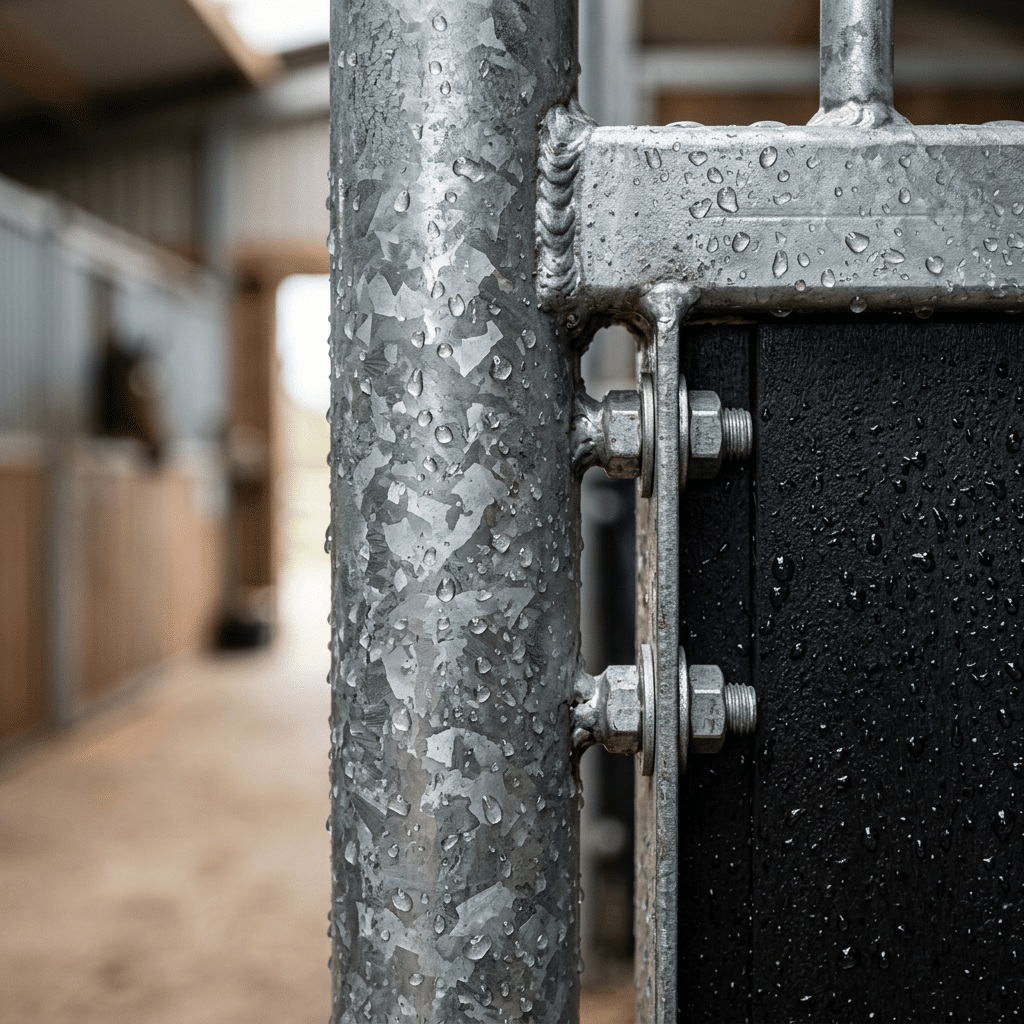
The persistent ammonia smell in horse stalls is a direct indicator of urine absorption into porous flooring and walls. This trapped moisture not only fuels bacteria but also causes structural rot and corrosion, leading to costly repairs and compromising the long-term...
Accurate asset valuation for equestrian properties depends on separating fixed liabilities from movable assets. A permanent timber barn is a sunk cost, with appraisers consistently devaluing structures due to wood rot—a risk that directly lowers a farm’s market...
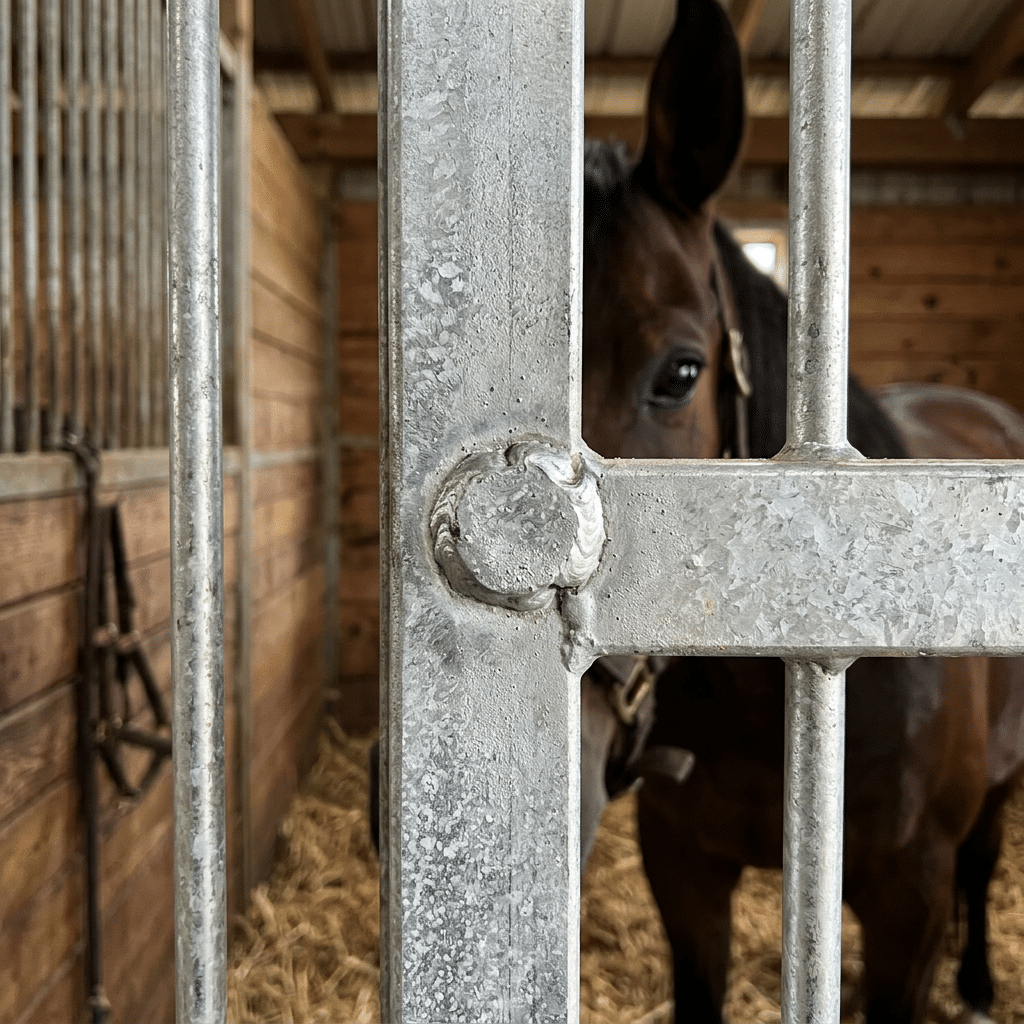
Confinement stress leads to destructive behaviors like pawing and weaving that cause cumulative damage to standard horse stalls. These repetitive impacts create material fatigue, resulting in bent bars and broken welds that become a recurring maintenance cost and a...
The reliance on stall fans for airflow is a critical liability issue for barn builders and facility managers. Standard fans create a severe fire hazard from dust-clogged motors and circulate airborne particles that damage equine respiratory health. This approach turns...




 German
  English
  Spanish
  French
  Arabic