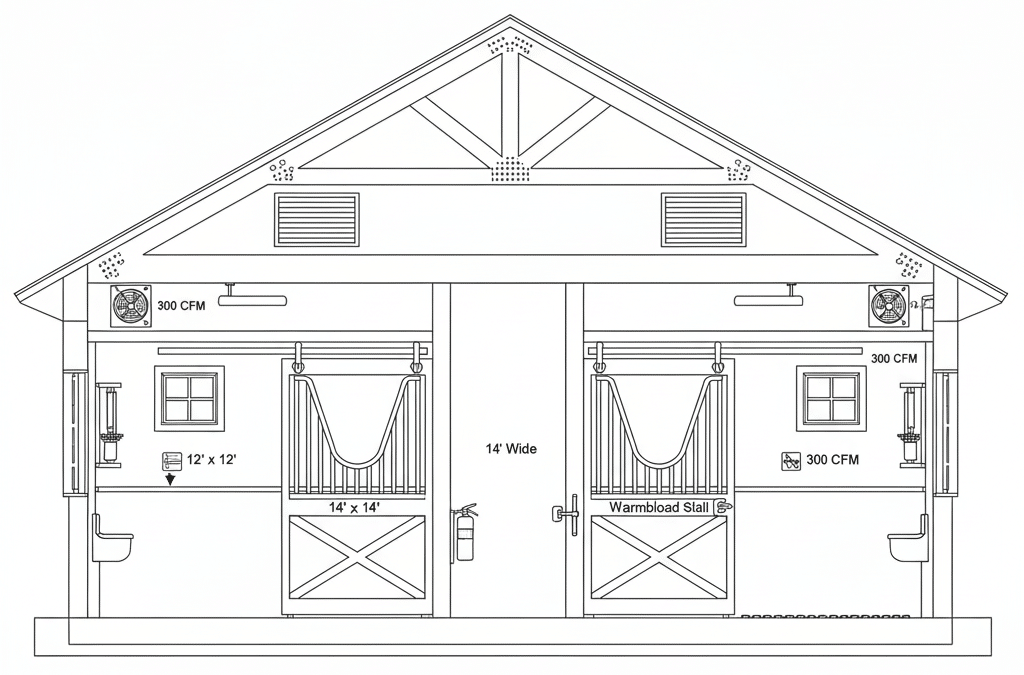
Structural resilience against 1,000-pound impact forces and proper ammonia clearance define the difference between a shelter and a safe equine facility. Failing to meet these engineering baselines risks injury and respiratory fatigue. This guide details essential...
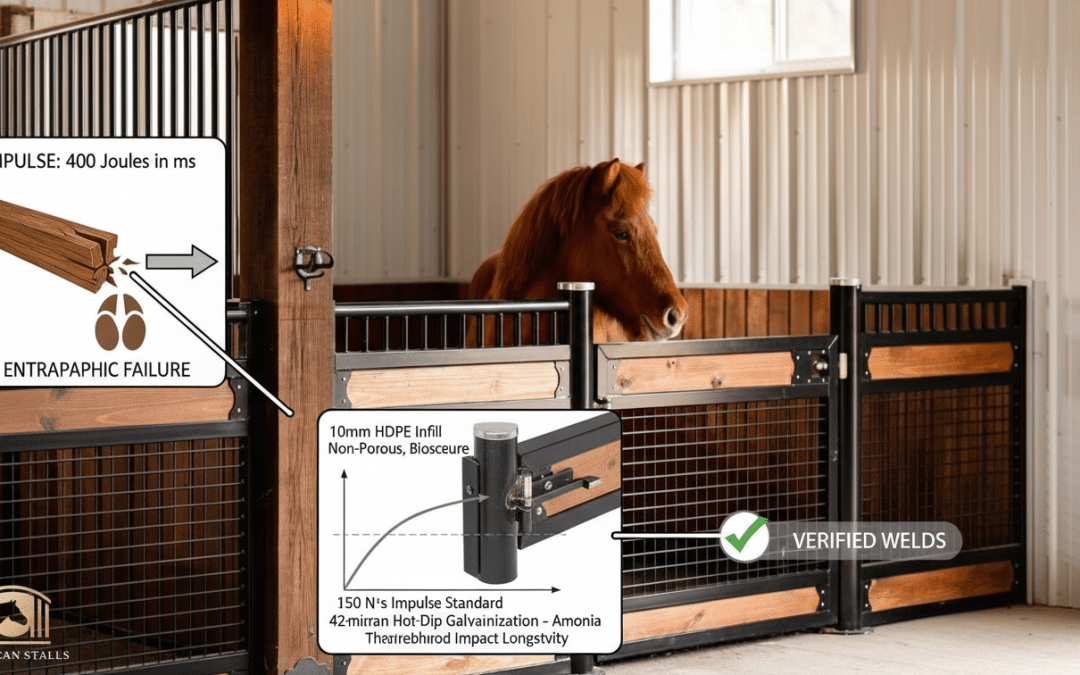
Structural failure in stables often results from impulse rather than peak force, as hooves deliver up to 400 Joules of energy in milliseconds. Relying on standard timber or unverified welds risks catastrophic injury and entrapment gaps when materials shatter under...
Standard horse stall kits often dilute a premium brand’s identity, failing to create a memorable experience for clients or unique IP for distributors. Balancing a custom aesthetic with predictable costs and lead times is a major operational challenge for equine...
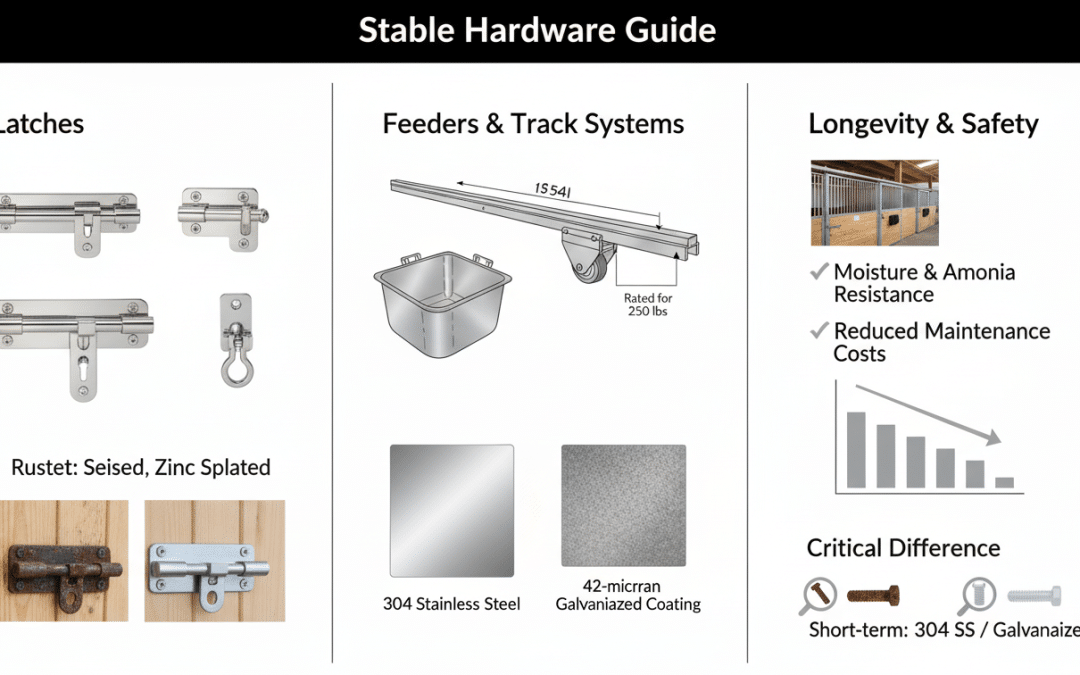
Hardware failure is not just an inconvenience; it’s a recurring cost that compromises safety. Standard zinc-plated fittings quickly degrade from moisture and ammonia, leading to seized latches and rusted tracks. The wrong choice turns a capital expense into a...
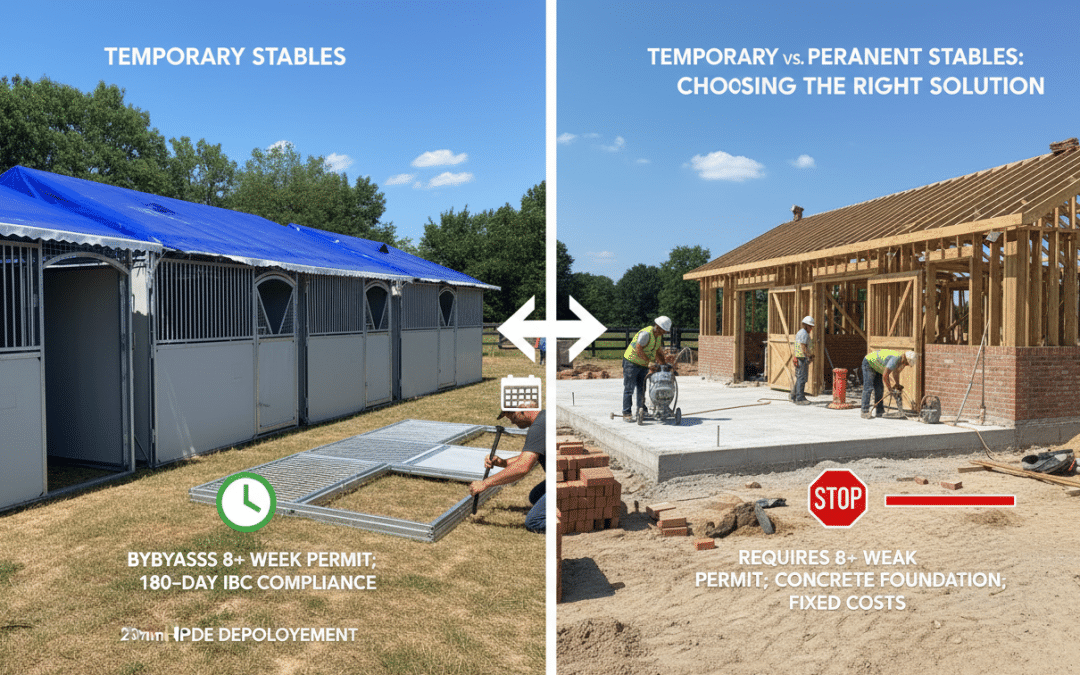
Permanent stables require an 8+ week permit process and a concrete foundation, a costly delay for event organizers and property investors. Temporary structures bypass these hurdles by aligning with codes that define short-term use, such as the IBC’s 180-day...
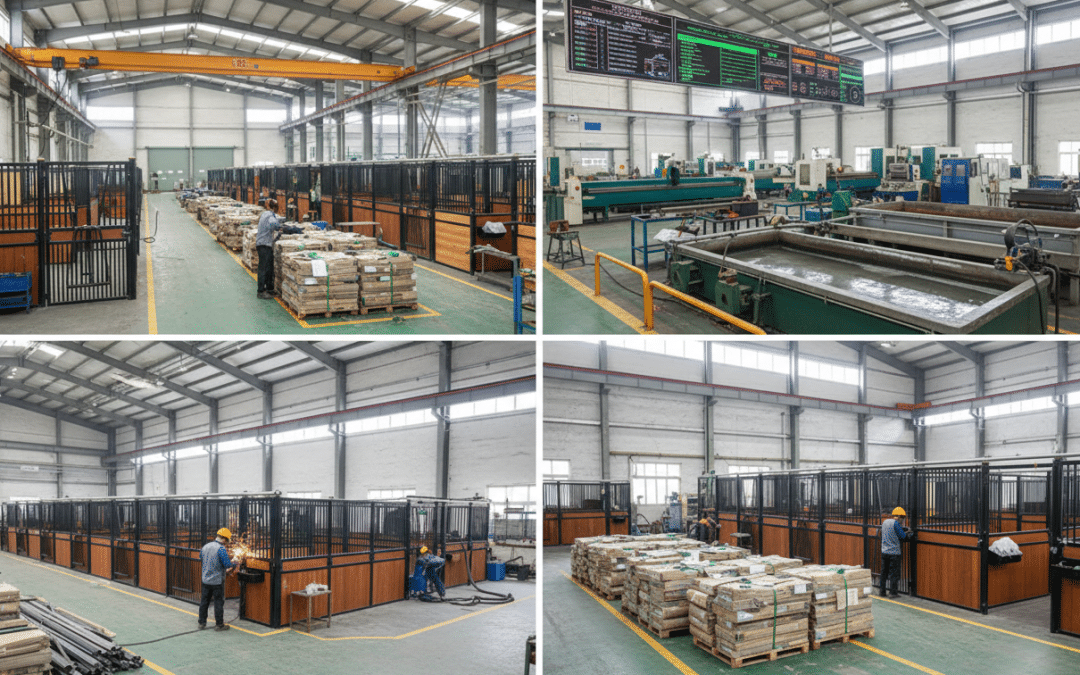
Sourcing directly lowers procurement costs by 30-40% by removing distributor markups, yet success hinges on verifying technical capabilities over superficial certifications. Failing to validate production realities often leads to receiving steel below the 42-micron...




 German
  English
  Spanish
  French
  Arabic