


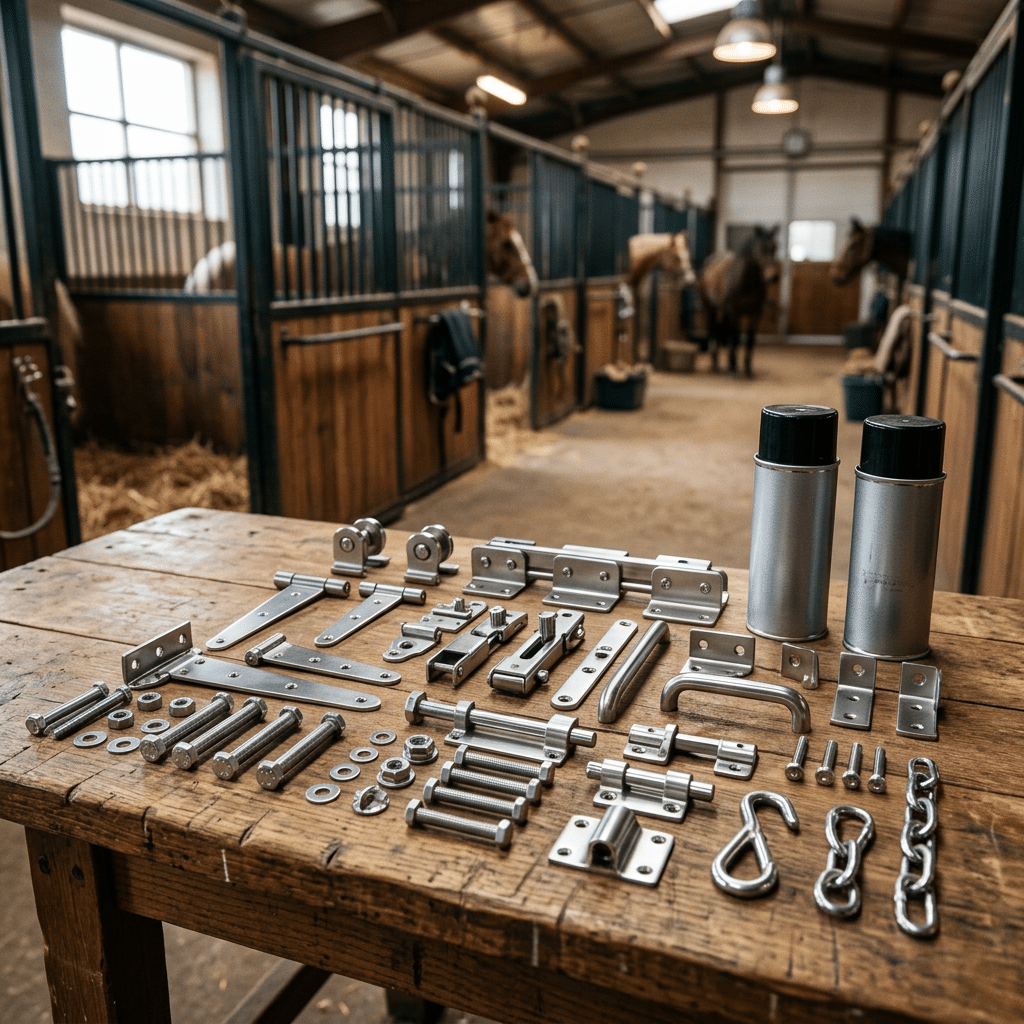
Die Kalkulation beim Versand von Selbstbaupaketen ist entscheidend dafür, welche Händler tatsächlich Gewinn erzielen und welche nicht. Wenn man die Stände miteinander verschweißt, kommt man auf höchstens 15 Sets pro Container. Und dieser leere Raum, für den Sie Frachtkosten zahlen? Der zehrt Ihre Bruttomarge bei jeder einzelnen Einheit auf.
Schauen wir uns mal die Containerzahlen an. Geschweißte Boxen sind Fracht mit geringer Packdichte. Ein Flachpack-System aus Stahlpaletten? Davon passen 45 Sets in einen 40HQ-Container. Die Frachtkosten pro Stellplatz Dieser Unterschied ist nicht unerheblich – er entscheidet darüber, ob das Geschäft unter dem Strich Gewinn abwirft oder Verluste macht.
Der logistische Albtraum der “vollverschweißten” Ställe
Vollverschweißte Paletten sind sperrige, nicht stapelbare Einheiten, die zu erheblichen Ineffizienzen beim Transport führen. Pro Container lassen sich weitaus weniger Einheiten unterbringen, was die Frachtkosten in die Höhe treibt und die Margen der Händler schmälert.
Das Problem des kubischen Volumens und des Totraums
Geschweißte Ladegestelle werden als ein einziges, starres Teil geliefert. Sie lassen sich nicht zerlegen. Sie lassen sich nicht dicht aneinander stapeln. Durch diese Bauweise entsteht in jedem Container ungenutzter Raum. Die Reedereien berechnen Ihnen dieses verschwendete Volumen. Sie zahlen buchstäblich dafür, Luft zu transportieren, und diese Kosten schlagen sich direkt in Ihren Stückkosten nieder.
Diese Ineffizienz zieht sich auch bis ins Lager fort. Vorgefertigte Regale sind sperrig und unhandlich. Sie beanspruchen Stellfläche, auf der gewinnbringende Waren gelagert werden könnten. Für einen Großhändler bedeutet das höhere Gemeinkosten und weniger Platz für Produkte, die sich tatsächlich verkaufen.
Deutlich reduzierte Ladekapazität der Container
Hier ist die schonungslose Rechnung: In einen standardmäßigen 40-Fuß-High-Cube-Container passen 12 bis 15 geschweißte Stallgarnituren. Das war’s. Eine derart geringe Beladungsdichte macht jedes Importgeschäft zunichte. Es handelt sich um ein Kostenproblem, das bereits in der Konstruktion verankert ist.
Teilt man die Seefrachtkosten auf diese geringe Stückzahl auf, schießen die Versandkosten pro Stand in die Höhe. Das schmälert Ihre Marge als Händler und treibt den Preis für den landwirtschaftlichen Abnehmer in die Höhe. Dadurch lässt sich das gesamte Produkt schwerer verkaufen.
Die Flat-Pack-Lösung: Stahlpalettenbau
Dank der ’Flat-Pack“-Technik lassen sich sperrige Pferdeboxen in modulare Teile zerlegen, die auf einer maßgefertigten Stahlpalette gestapelt werden. Dieses System erhöht die Containerkapazität erheblich und sichert die Gewinnmargen der Händler, indem es die Frachtkosten drastisch senkt.
Modularer Aufbau für maximale Ladungsdichte
Der Versand vollständig verschweißter Pferdeboxen ist ein logistischer Albtraum. Man zahlt dafür, riesige Mengen an leerer Luft zu transportieren, was die Stückkosten in die Höhe treibt. Anstelle einer sperrigen, vormontierten Konstruktion entwickeln wir jede Box als System aus einzelnen Komponenten: Frontwände, Seitenwände und Füllbretter. Dank dieses modularen Aufbaus lassen sich alle Teile flach ineinander verschachteln und stapeln.
Das Ergebnis ist eine enorme Steigerung der Ladungsdichte. In einen handelsüblichen 40HQ-Container passen normalerweise 12 bis 15 vollständig verschweißte Boxen. Mit unserem Flat-Pack-System lassen sich in denselben Container zwischen 30 und 45 Sets unterbringen. Das ist keine geringe Verbesserung – sie verändert die Wirtschaftlichkeit für unsere Vertriebspartner grundlegend.
Die Verpackungsmethode mit maßgefertigten Stahlpaletten
Das Zerlegen der Stände ist nur die halbe Miete. Wir ordnen die Einzelteile mehrerer Stände präzise an und befestigen sie auf einer einzigen robusten Stahlpalette. So entsteht eine solide, sichere Einheit, die sich problemlos mit Gabelstaplern transportieren lässt. Keine lose Ladung – das ist eine der Hauptursachen für Beschädigungen und Verluste während des Transports.
Dieses Verfahren schützt das Produkt vor Kratzern und Verformungen. Außerdem gewährleistet es einen sicheren und geordneten Entladevorgang am Bestimmungsort. Ihr Lagerteam erhält eine saubere, übersichtliche Einheit – und keinen chaotischen Haufen loser Teile. Das optimiert die Bestandsverwaltung und macht das Produkt schneller für den Vertrieb bereit.
Speziell konstruierte Pferdeställe für jedes Klima.

Die Zahlen: 15 Sätze gegenüber 45 Sätzen in einem 40HQ
Bei geschweißten Ställen beträgt die maximale Ladekapazität etwa 15 Sets pro 40-HQ-Container. Unser Flat-Pack-System bietet Platz für bis zu 45 Sets, wodurch sich die Kapazität verdreifacht und Ihre Frachtkosten pro Einheit drastisch sinken.
| Versandkennzahl | Traditionelle geschweißte Ställe | DB Stable Flat-Pack-System |
|---|---|---|
| Containertyp | 40HQ | 40HQ |
| Maximale Kapazität (ca.) | 12-15 Sätze | 30-45 Sätze |
| Auslastung des Containerraums | Gering (deutliche ‘Sendeunterbrechungen’) | Hoch (maximierter Würfel) |
| Auswirkungen auf die Gesamtkosten | Extrem hoch | Deutlich niedriger |
Das Problem mit verschweißten Kabinen und ‘toter Luft’
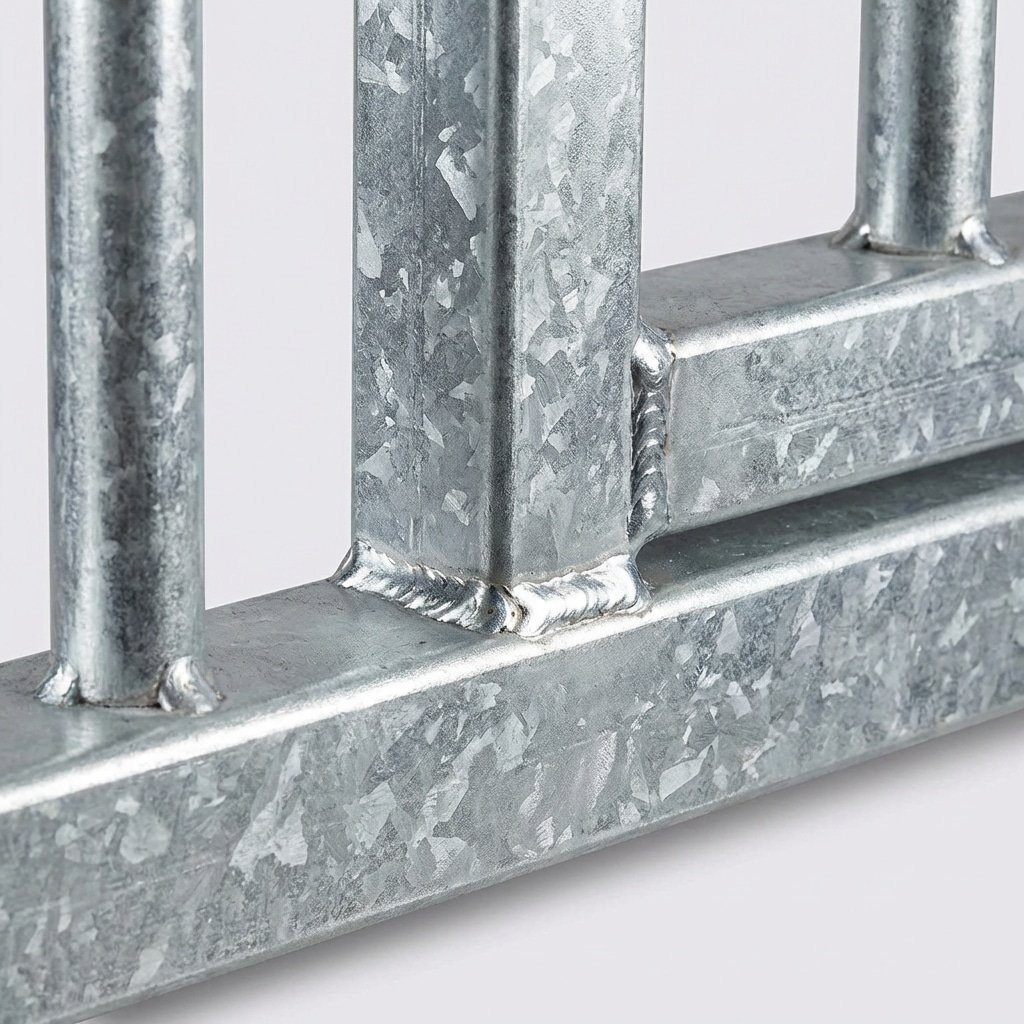
Eine vollständig verschweißte Pferdebox-Front wird als ein einziger, riesiger Stahlrahmen versandt. Diese sperrige Konstruktion nimmt im Versandcontainer ein enormes Volumen an ungenutzbarem Leerraum ein – was wir als ‘tote Luft’ bezeichnen. Es ist, als würde man eine riesige leere Kiste versenden.
Aufgrund dieser enormen Ineffizienz ist ein Standard-40HQ-Container bereits nach der Verladung von nur 12 bis 15 Stall-Sets vollständig ausgelastet. Das treibt die Frachtkosten pro Einheit in die Höhe, schmälert Ihre Margen und erschwert es Ihnen, preislich wettbewerbsfähig zu bleiben.
Das Flat-Pack-System: Wie 45 Sets hineinpassen
Wir haben das Problem mit den Leerräumen behoben. Durch die Flat-Pack-Konstruktion lässt sich jede Zelle in Paneele, Türen und Füllbretter zerlegen. Diese Teile werden kompakt auf maßgefertigten Stahlpaletten gestapelt. Die dichte Verpackung sorgt dafür, dass die Ladung während des Transports sicher verstaut ist.
Mit dieser Methode wird Platzverschwendung vollständig vermieden. In einen einzigen 40HQ-Container passen 30 bis 45 komplette Standgarnituren. Dieser Kapazitätszuwachs übertrifft den Wert von 200%. Niedrigere Frachtkosten bedeuten für Sie bei jeder Sendung höhere Gewinnspannen.

Berechnung Ihrer tatsächlichen “Landed Cost” pro Stall
Ihre Gesamtkosten sind die Gesamtkosten pro Stall, vom Werk bis zum Betrieb. Die Berechnung dieser Kosten zeigt, wie unser Versand in flachen Verpackungen mit hoher Packdichte Ihren Endpreis pro Einheit direkt senkt.
Die wichtigsten Komponenten Ihrer Gesamtkosten
Der Herstellerpreis ist nur die Ausgangsbasis. Um rentable Verkaufspreise festzulegen, müssen Sie die Gesamtkosten berechnen. Kosten bis zum Bestimmungsort. Dieser Betrag deckt alle Kosten ab, die anfallen, um das Produkt in Ihr Lager zu bringen.
- Produktpreis: Der anfängliche EXW- oder FOB-Preis pro Stallset ab unserem Werk.
- **Transport & Fracht:** Die Gesamtkosten für den Transport des Containers. Teilen Sie diesen Betrag durch die Anzahl der Stände, um die Frachtkosten pro Einheit zu ermitteln.
- **Zoll, Abgaben und Steuern:** Die Gebühren richten sich nach dem HS-Code des Produkts (7308.90 für unsere Konstruktionen) und den Einfuhrbestimmungen Ihres Landes.
- **Lokale Abfertigung und Lieferung:** Alle Kosten, die anfallen, nachdem der Container im Hafen angekommen ist. Dazu gehören das Entladen, die Zollabfertigung und der abschließende Lkw-Transport zu Ihrem Standort.
Wie das Flat-Pack-Design Ihre Frachtkosten pro Einheit senkt
Die Frachtkosten sind der Faktor, der Ihre Marge zunichte macht. Die Technik schafft Abhilfe. Wir entwickeln Lösungen für Verladedichte.
Auf unsere flach verpackten Stahlpaletten passen 30 bis 45 stabile Sets in einen 40HQ-Container. Wettbewerber versenden sperrige, geschweißte Ställe, von denen nur 12 bis 15 Sets in denselben Raum passen. Ihre Frachtkosten pro Einheit sind dadurch zwei- bis dreimal so hoch.
Das ist kein Zufall. Es ist eine bewusste Strategie zum Schutz von Händlermargen. Durch die optimale Ausnutzung des Containerraums werden die höchsten variablen Kosten gesenkt, wodurch Ihr Gewinn gesichert ist, noch bevor die Ladung überhaupt eintrifft.
Entladeeffizienz am Hofeingang
Die Art und Weise, wie die Ställe verpackt sind, bestimmt die Effizienz beim Entladen. Lose, verschweißte Paneele bergen das Risiko von Beschädigungen und erfordern den Einsatz schwerer Maschinen. Unser Flachpack-System aus Stahlpaletten gewährleistet ein sicheres und schnelles Entladen mit einem handelsüblichen Gabelstapler.
Die Herausforderung beim Umgang mit lose verladenen Platten
Lose beladene, vollständig verschweißte Rahmen sorgen sofort für Handhabungsprobleme. Sie sind schwer, unhandlich und erfordern spezielle Ausrüstung oder zusätzlichen Arbeitsaufwand, nur um sie sicher zu transportieren.
Dadurch wird eine normale Lieferung schon vor Baubeginn zu einem logistischen Albtraum mit hohem Risiko.
Die Hauptprobleme dieses Ansatzes sind vorhersehbar:
- Das Hantieren mit Paneelen von Hand birgt die Gefahr von Beschädigungen. Kratzer, Dellen und Beschädigungen der verzinkten Beschichtung entstehen im Handumdrehen. Schon ein einziges beschädigtes Teil bringt die gesamte Montage zum Stillstand.
- Lose Teile bedeuten Chaos. Das Sortieren von Bauteilen anhand von Packlisten kostet Stunden. Fehlende Kleinteile sind eine Gewissheit, keine Möglichkeit.
- Hochleistungs-Teleskoplader gehören nicht zur Standardausrüstung. Die meisten landwirtschaftlichen Betriebe haben keine davon in Bereitschaft. Das Mieten von Spezialmaschinen treibt die Kosten in die Höhe und bringt Ihren Zeitplan durcheinander.
Wie Stahlpalettenverpackungen die Handhabung vor Ort vereinfachen
DB Stable wurde unter Berücksichtigung dieser Gegebenheiten entwickelt. Wir versenden unsere Produkte in maßgeschneiderten, flach verpackten Stahlpaletten. Das ist nicht nur eine Verpackung, sondern das logistische Rückgrat. Es schützt Ihre Investition und gewährleistet die Einhaltung der Zeitpläne.
- Entwickelt für Standard-Gabelstapler. Das gesamte stabile Set wird auf einer einzigen Stahlpalette befestigt. Ein Bediener kann einen Container innerhalb weniger Minuten sicher entladen. Es sind keine besonderen Kenntnisse erforderlich.
- Manuelle Handhabung entfällt. Das Risiko von Transportschäden entfällt. Die Komponenten kommen in fabrikneuem Zustand an. So gewährleisten Sie Langlebigkeit.
- Alle Beschläge und Armaturen werden nach Bereichen sortiert verpackt, beschriftet und gemeinsam in Beutel verpackt. Das reduziert Ihren Zeitaufwand für die Bestandsaufnahme vor Ort auf nahezu null. Kein Stöbern in Kisten nach fehlenden Schrauben. Sie packen aus und beginnen noch am selben Tag mit dem Zusammenbau.
Für Händler und Projektleiter sichert diese Verpackungsdisziplin Ihre Gewinnspanne. Weniger Arbeitsaufwand vor Ort. Weniger Schadensfälle. Keine Verzögerungen durch das Warten auf fehlende Teile. Eine reibungslose Übergabe von der Transportkiste bis zur Montage sorgt dafür, dass das Projekt von Anfang an rentabel bleibt.
Häufig gestellte Fragen
Wie viele Pferdeboxen passen in einen 40-Fuß-HQ-Seecontainer?
Die Anzahl hängt ganz von der Bauweise der Boxen ab. Bei herkömmlichen, vollständig verschweißten Boxen lassen sich aufgrund ihres Platzbedarfs in der Regel nur 12 bis 15 Sets in einen 40HQ-Container verladen. Unser Flat-Pack-System ermöglicht es jedoch, 30 bis 45 Sets in denselben Container zu verladen. Diese hohe Packdichte senkt die Versandkosten pro Einheit erheblich.
Sind Stände aus Bausätzen weniger stabil als vollständig verschweißte Stände?
Während billige, zusammengeschraubte Bausätze oft instabil sind, bietet ein professionell konstruiertes Flat-Pack-System eine hervorragende strukturelle Stabilität. Wir verwenden hochbelastbaren Q235B- oder Q345B-Stahl und führen alle Schweißarbeiten vor dem Feuerverzinkungsprozess durch. Diese Methode der ‘Feuerverzinkung nach der Fertigung’ gewährleistet, dass jede Schweißnaht vor Rost geschützt ist. Das System wird mit hochfesten Befestigungselementen aus Edelstahl 304 montiert, wodurch eine sichere und langlebige Box entsteht, ohne die Wartungsprobleme, die bei preisgünstigen Alternativen auftreten können.
Wie berechne ich meine endgültigen ‘Landed Costs’ pro Stand?
Ihre Gesamtkosten bis zum Bestimmungsort sind die Gesamtkosten für den Transport der Stände von unserem Werk zu Ihrem Lager. Um diese zu berechnen, addieren Sie die Produktkosten, die Seefracht, die Zollgebühren, die Versicherungskosten sowie etwaige lokale Bearbeitungsgebühren. Der Werkpreis ist nur ein Teil der Gleichung; die endgültigen Gesamtkosten bis zum Bestimmungsort geben die tatsächlichen Kosten Ihres Lagerbestands wieder, was für eine genaue Preisgestaltung unerlässlich ist.
Wie lassen sich die Stahlpaletten am besten aus dem Container entladen?
Unsere Stände werden auf Stahlpaletten geliefert, um eine sichere und effiziente Handhabung zu gewährleisten. Es wird empfohlen, die gesamte Palette mit einem Gabelstapler als eine Einheit aus dem Container zu ziehen. Diese Vorgehensweise ist wesentlich sicherer und schneller als das Entladen einzelner loser Komponenten und minimiert das Risiko von Kratzern oder Beschädigungen beim Entladen.
Abschließende Überlegungen
Der Preis für geschweißte Ställe kann irreführend sein. Was tatsächlich zählt, ist, wie viele Einheiten in einen Container passen. Das sind Ihre tatsächlichen Gesamtkosten. Die Flat-Pack-Konstruktion ist darauf ausgelegt, die Ladungsdichte zu maximieren und Ihren Gewinn zu sichern.
Auf dem Papier sehen die Zahlen gut aus, aber Sie sollten Passform und Verarbeitung am besten selbst überprüfen. Beginnen Sie mit einer kleinen LCL-Probebestellung. Testen Sie die Montage, prüfen Sie die Beschläge und steigern Sie dann den Umfang. Fordern Sie ein Angebot und die Händlerpreise an.

 German
  English
  Spanish
  French
  Arabic
0 Kommentare