


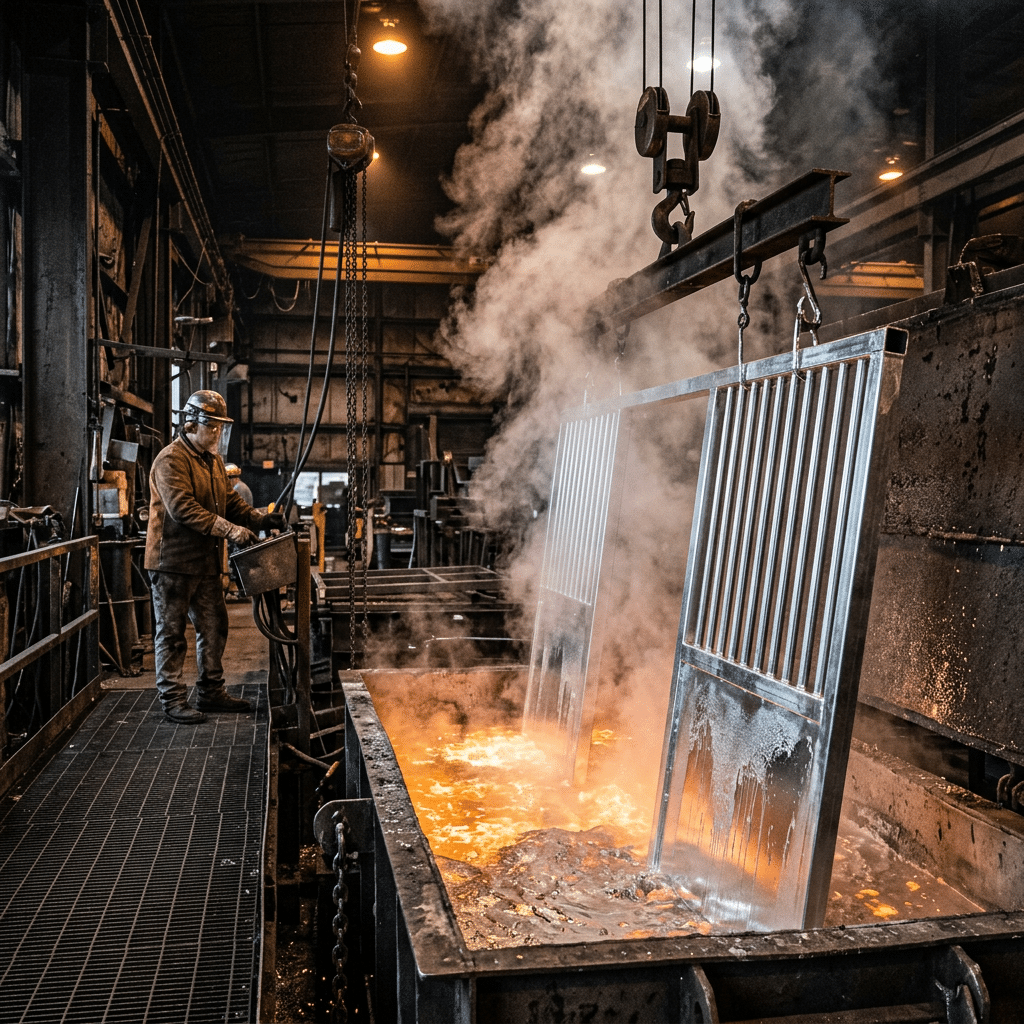
A disease outbreak triggers aggressive disinfection protocols that often destroy the barn itself. Chemical agents degrade porous wood and corrode unprotected steel, forcing expensive replacements and creating a constant biosecurity risk. This cycle of damage undermines both animal health and your facility’s asset value.
This analysis covers veterinary deep cleaning procedures and the material science required to withstand them. We show why non-porous HDPE infill allows for true surface sanitization and how Hot-Dip Galvanization to ISO 1461 protects steel from chemical-induced rust, ensuring lockdown protocols don’t destroy your investment.
The Reality of an EHV-1 or Strangles Outbreak
Outbreaks spread silently before symptoms appear, making non-porous, easily sanitized stall materials a non-negotiable part of effective biosecurity and decontamination protocols.
How Outbreaks Spread Before They Are Detected
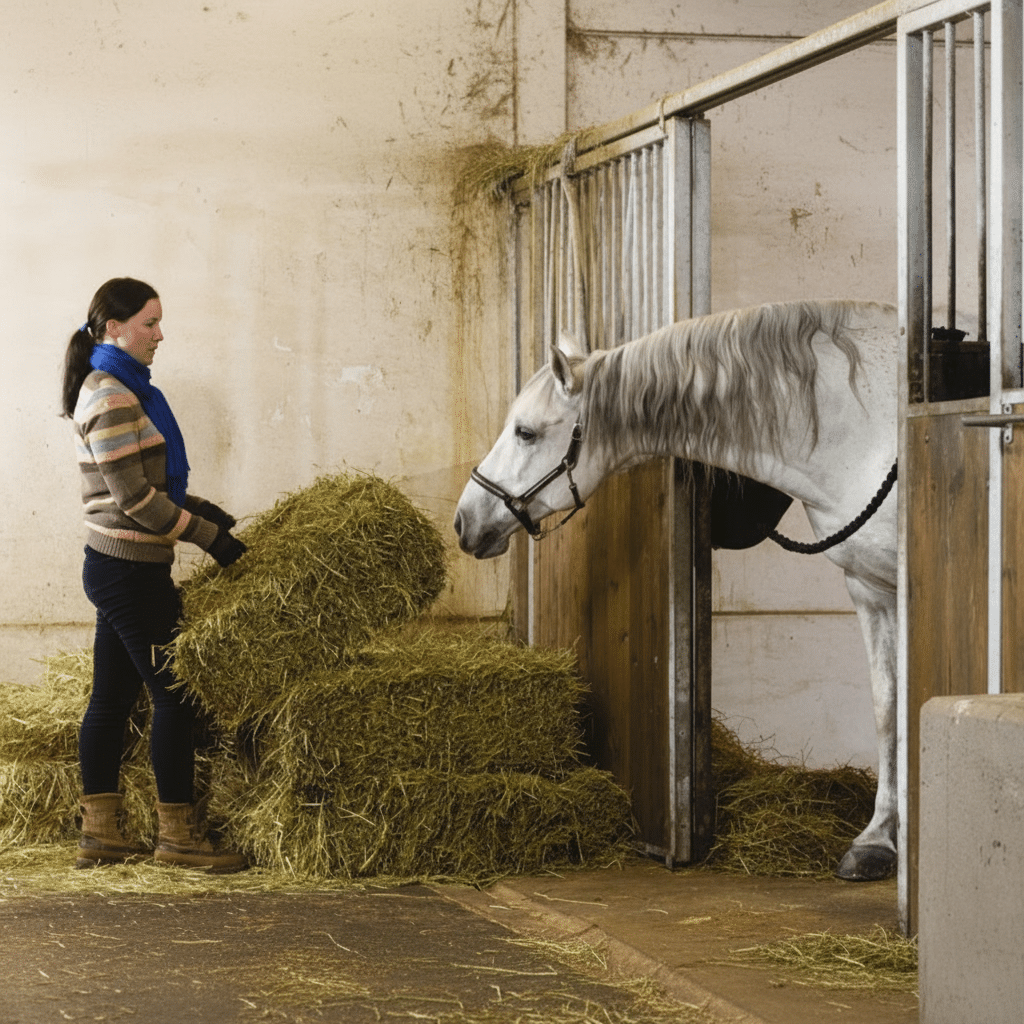
The real problem with diseases like EHV-1 or Strangles isn’t just the obviously sick horse; it’s the ones that look perfectly healthy. An outbreak often starts when an infected but asymptomatic horse returns from an event. The delay between exposure and the first sign of fever or nasal discharge is the critical window where the virus spreads unchecked throughout a facility.
Transmission happens through direct nose-to-nose contact, airborne droplets from a cough, and contaminated surfaces. This includes shared water buckets, tack, grooming tools, and the stall walls themselves. To make matters worse, other respiratory viruses can be circulating at the same time, complicating the situation and delaying an accurate diagnosis. This delay gives the primary disease more time to take hold.
The Role of HDPE Infill for Biosecurity
This is where stall material selection becomes a critical factor in outbreak management. Traditional wood is porous. It absorbs moisture, and pathogens can hide within its grain, making true disinfection nearly impossible. You can spray disinfectant on a wood wall, but you can’t guarantee it will reach every pathogen hiding inside.
HDPE infill panels solve this problem. The material is non-porous, providing a smooth, impenetrable surface that doesn’t harbor bacteria or viruses. When you apply a disinfectant to HDPE, it works on the surface where the pathogens are, ensuring effective chemical decontamination. This is precisely why our Economy Series stables, designed for practical applications like quarantine and isolation units, use HDPE. It delivers superior sanitation and is a true ‘Zero Maintenance’ material built for biosecurity.
Veterinary Protocols for Deep Chemical Decontamination
Veterinary deep chemical decontamination uses a rinse-wash-rinse cycle and approved chemicals. Success requires correct contact time on non-porous, chemically resistant stall materials.
| Stage | Critical Material Requirements | |
|---|---|---|
| 1. Physical Cleaning | High-volume, low-pressure Rinse-Wash-Rinse cycle using a safe detergent like liquid dish soap. | Surfaces must withstand water saturation and mechanical scrubbing without degrading. |
| 2. Chemical Disinfection | Application of approved agents like 0.5% Hypochlorite (Bleach), Chlorhexidine, or Quaternary Ammonium Compounds. | Requires non-porous infill (e.g., HDPE), corrosion-resistant hardware (304 Stainless Steel), and robust frame protection (Hot-Dip Galvanization to ISO 1461). |
The Standard Rinse-Wash-Rinse Cycle
Before any disinfectant touches a stall surface, the primary decontamination step is physical removal of contaminants. Protocols mandate a strict rinse-wash-rinse sequence using high-volume, low-pressure water mixed with a safe detergent. This mechanical process physically lifts and dilutes the bulk of biological agents. Liquid dishwashing soap is often the practical choice for the wash stage because it effectively dissolves organic matter without introducing hazardous chemicals. This cleaning cycle ensures that specialized disinfectants are later applied to a surface free of gross contamination, which would otherwise neutralize their effectiveness.
Approved Disinfectants and Material Compatibility
Effective chemical disinfection depends on two factors: the right agent and sufficient contact time. This places extreme stress on stall materials, which must endure prolonged exposure to harsh chemicals without degrading. Porous surfaces like untreated wood absorb disinfectants, preventing them from working and trapping moisture. Only non-porous, chemically resistant materials can support a valid biosecurity protocol.
- Common Agents: Veterinary recommendations often include 0.5% hypochlorite (bleach), Biguanide (chlorhexidine), and various Quaternary ammonium compounds.
- Non-Porous Infill: Materials like 28-32mm thick High-Density Polyethylene (HDPE) are critical. They are impervious to moisture and chemicals, allowing disinfectants to remain on the surface and achieve the required contact time.
- Corrosion-Resistant Hardware: All bolts, screws, and connectors must resist chemical-induced rust. Using 304 Stainless Steel for all hardware is the standard for long-term structural integrity.
- Frame Protection: The steel structure itself must be protected. A Hot-Dip Galvanized coating that meets ISO 1461 standards provides a thick, metallurgically bonded zinc layer that withstands repeated exposure to disinfectants.
Get 20-Year Rust-Proof Stables for Any Climate
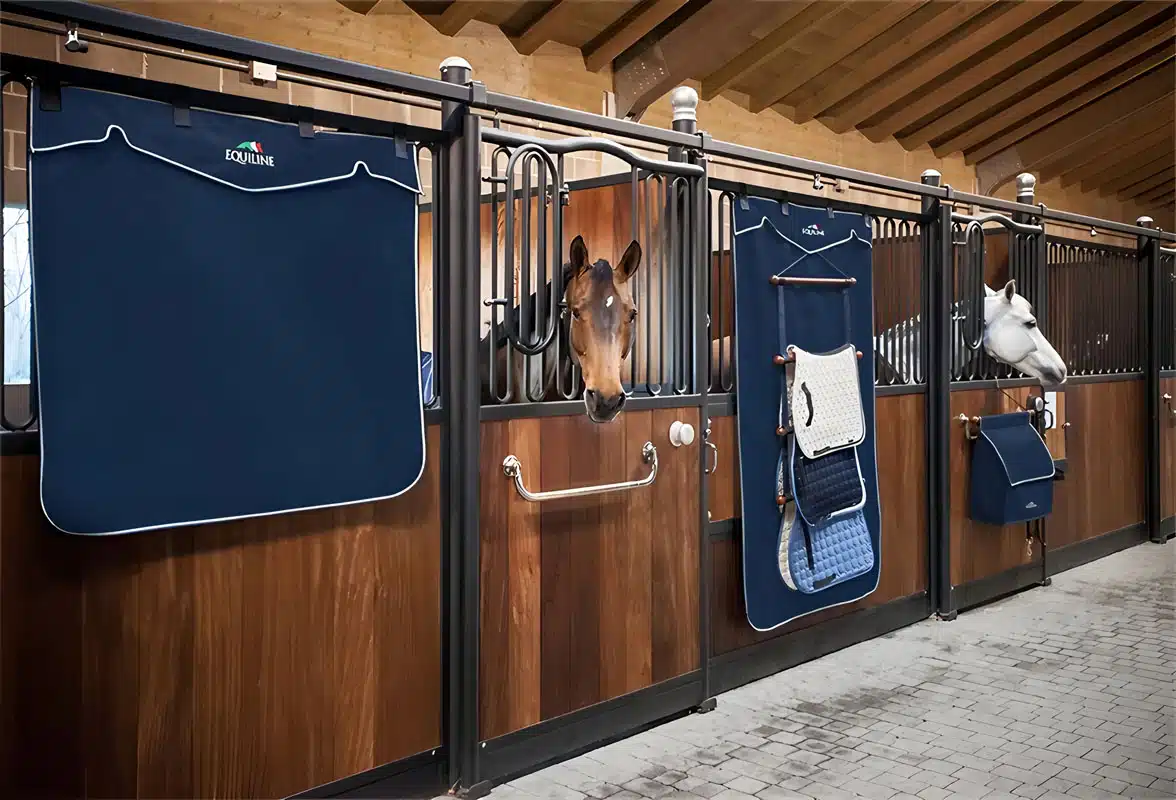
The Porosity Trap: Why Bleach Cannot Penetrate Wood Grain
Wood grain absorbs contaminants deep inside, but disinfectants like bleach only clean the surface. Pathogens survive within the wood, a risk non-porous materials like HDPE eliminate.
Wood Grain: Absorption Without Deep Sanitization
The fundamental problem with wood in a biosecure environment is its porosity. It acts like a sponge. Research shows that even powerful, two-part wood bleaches only penetrate about one-twentieth of an inch into the surface. Standard disinfectants barely scratch the surface.
Open-grained woods, often used in traditional stables, are especially problematic. They have tiny channels and fibers that trap bacteria and viruses deep inside, far beyond the reach of any surface chemical. This creates a false sense of security. The stall might look and smell clean after disinfection, but pathogens can remain active and protected within the wood itself, waiting to cause the next outbreak.
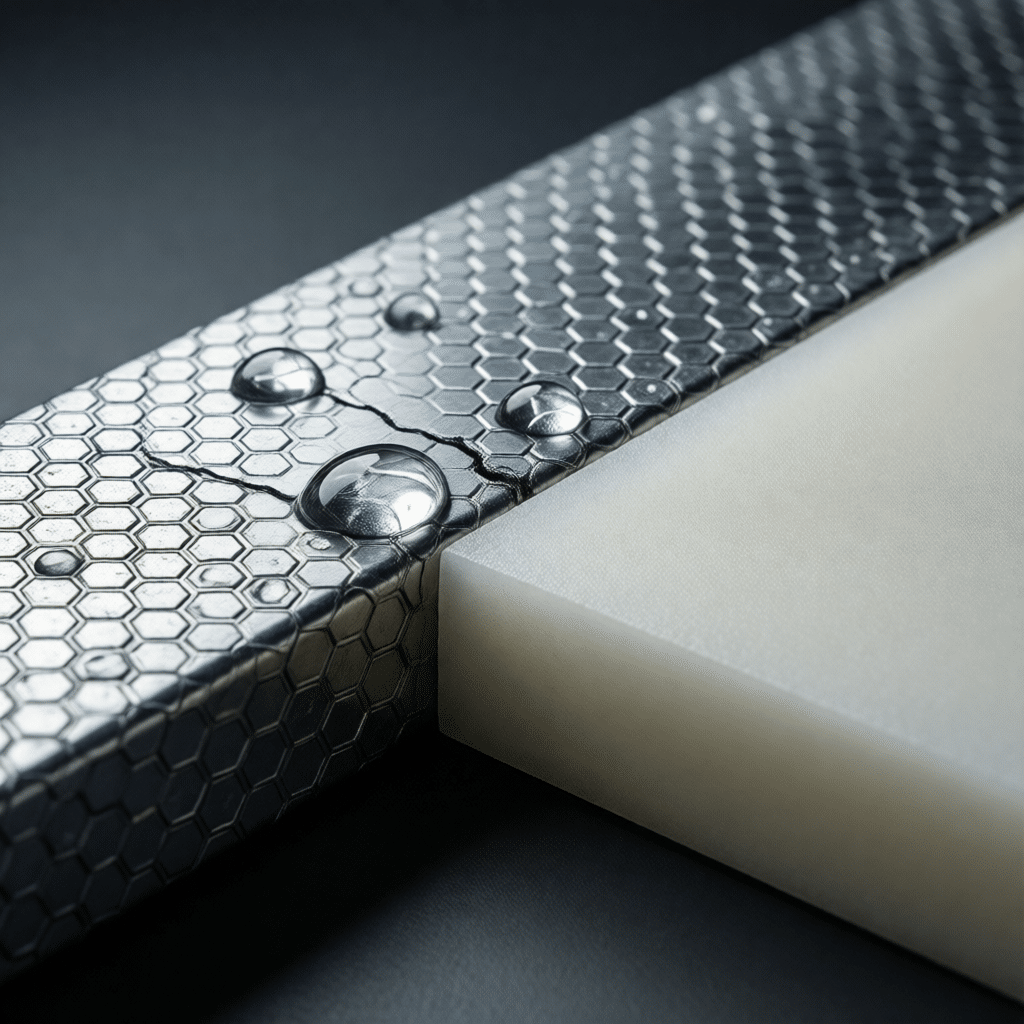
HDPE Infill: A Non-Porous Barrier to Pathogens
Our HDPE infill is the engineered solution to the porosity trap. It is a solid, non-porous material that completely prevents the absorption of moisture, urine, and pathogens. There are no fibers or grains for contaminants to hide in.
Unlike wood, an HDPE surface allows for 100% effective cleaning and disinfection. When you sanitize the surface, you sanitize the entire material. This capability is essential for facilities that must meet high biosecurity standards for quarantine, veterinary clinics, or high-traffic boarding operations.
The ‘Zero Maintenance’ characteristic of our HDPE means it will not rot, warp, or degrade from repeated exposure to harsh disinfectants. It provides a reliable and safe barrier against pathogens for the life of the stable, without the hidden risks of porous materials.
Chemical Resistance: HDPE vs. Harsh Disinfectants
HDPE offers excellent resistance to many stable disinfectants. Unlike porous wood, its non-absorbent surface prevents chemical absorption, ensuring effective sanitization without material degradation.
Disinfectant Compatibility with HDPE Surfaces
High-Density Polyethylene shows excellent resistance to common disinfectants used in veterinary biosecurity. It handles chemicals like formaldehyde and sodium hypochlorite solutions (bleach) at concentrations below 20% without issue. Performance can be limited with highly concentrated or high-temperature chlorine-based disinfectants, so it’s always smart to check the specific chemical data for your protocol.
The key advantage is its non-porous surface. Wood absorbs chemicals and moisture, allowing pathogens to linger and the material to degrade. HDPE’s solid surface prevents this absorption, ensuring disinfectants work effectively on the surface where they are needed and can be completely washed away.
The Advantage of Zero-Maintenance HDPE Infill
Our stable systems use 28mm-32mm thick
, UV-stabilized HDPE infill planks. This material choice is intentional for high-security environments. Because it withstands repeated cleaning cycles with harsh chemicals, it doesn’t rot, warp, or degrade over time. We call it a ‘Zero Maintenance’ material for a reason.
For any facility serious about biosecurity, the ability to completely sanitize a surface is non-negotiable. The solid, non-absorbent nature of our HDPE infill means pathogens and residual chemicals can be thoroughly washed away, leaving no porous pockets for bacteria or viruses to hide in. This is a level of clean that traditional wood stalls can’t achieve without sealants that eventually fail.
Protecting Steel Hardware from Chlorine Rust
Chlorine disinfectants break down the protective oxide layers on steel, causing rust. DB Stable systems use hot-dip galvanization and standardize on 304 stainless steel hardware to ensure corrosion resistance.
How Chlorine Accelerates Corrosion on Steel
Disinfectants are essential for barn biosecurity, but chlorine-based chemicals are aggressive toward steel. On stainless steel, chlorine actively breaks down the passive chromium oxide film that naturally prevents rust. Once this barrier is compromised, corrosion can begin.
For standard carbon steel, the effect is even more direct. Chlorine combines with moisture to create an electrolyte that significantly speeds up the oxidation process, leading to rapid rusting. Protective layers, like hot-dip galvanization, create a robust physical and chemical barrier that isolates the steel frame from this chemical attack, ensuring long-term structural integrity.
Die Vorteile von Beschlägen aus Edelstahl 304
Every DB Stable installation kit includes a complete hardware package—bolts, connectors, and screws—made entirely of 304 Stainless Steel. This isn’t an optional upgrade; it’s our standard.
This specific grade of stainless steel offers excellent resistance to the corrosive effects of common stable disinfectants and cleaning agents. By using 304 stainless for all critical connection points, we ensure the hardware remains structurally sound and rust-free over the long term, even in facilities that require frequent, aggressive deep cleaning protocols.
Häufig gestellte Fragen
How do you properly disinfect a horse stall after a Strangles outbreak?
It’s a critical two-step process. First, you must completely remove all organic material like manure and old bedding. This waste deactivates most disinfectants, making this step non-negotiable. After scrubbing and drying the stall, apply a disinfectant rated for Streptococcus equi and allow at least 10 minutes of wet contact time before rinsing or letting it air dry. This is why non-porous materials like HDPE are so effective—they don’t harbor debris and make the initial cleaning stage faster and more thorough.
What are the most effective disinfectants for EHV-1 (Equine Herpesvirus)?
Chlorine-based solutions, like a 1-to-9 ratio of bleach and water, work very well, but only on pre-cleaned surfaces. Other strong choices include Accelerated Hydrogen Peroxide (AHP) and peroxygen compounds like Virkon S. The most important step for any disinfectant is thoroughly removing all organic matter first. You can scrub a non-porous HDPE or bamboo wall clean, but you can’t guarantee you’ve removed all contamination from raw, porous wood.
Is it safe to use bleach on wooden horse stalls, and what is the correct procedure?
Yes, but you have to be careful to protect the wood. A 10% bleach solution works. First, thoroughly clean and rinse the stall. Then, apply the bleach solution and let it air-dry completely. Proper drying is essential to prevent moisture from getting trapped and rotting the wood fibers over time. This multi-step process is a key reason many operators switch to zero-maintenance HDPE infills.
Will chemical disinfectants cause rust on my steel stable components?
They absolutely can, especially chlorine-based disinfectants like bleach, which are highly corrosive to bare or poorly protected steel. This is why the anti-rust process is so important. A proper Hot-Dip Galvanization after fabrication, conforming to ISO 1461, provides a thick zinc coating that resists chemical corrosion. Cheaper pre-galvanized tubes, which are welded together, leave the welds exposed and vulnerable to rust. Always rinse metal surfaces with clean water after the disinfectant has had its required contact time.
What design features are most important for biosecurity?
The most important features are using non-porous, easy-to-clean materials like HDPE instead of raw wood, installing solid partitions that prevent nose-to-nose contact, and ensuring excellent ventilation. Open-grill tops on stall fronts promote what’s called “stack effect ventilation,” pulling stale air up and out. A well-designed facility also must include a separate quarantine area and have strict, enforceable sanitation protocols.
Abschließende Überlegungen
While generic stables have lower upfront costs, our specified Hot-Dip Galvanization and 304 Stainless hardware are essential to protect your reputation against corrosion claims and biosecurity failures. Inventory engineered for repeated chemical disinfection is what builds long-term dealer trust. This is the difference between a one-time sale and a lasting commercial partnership.
Don’t guess on material resilience—verify it. We recommend starting with a trial order of our Economy Series stables to test the HDPE infill and galvanized finish firsthand. Contact our engineering team to get a quote for your quarantine facility or distribution needs.

 German
  English
  Spanish
  French
  Arabic
0 Kommentare