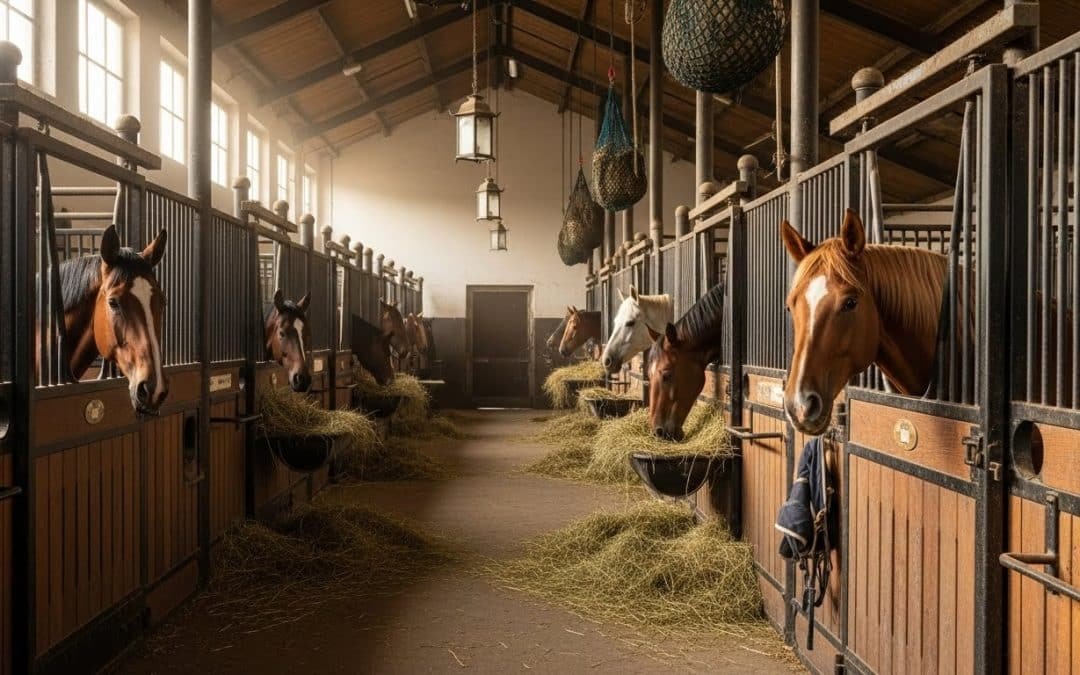
Horse chewing and cribbing behaviors can quickly turn new stable construction or renovations into costly, frustrating repairs. Protecting your investment and ensuring the safety of your horses means selecting materials that effectively resist these persistent oral...
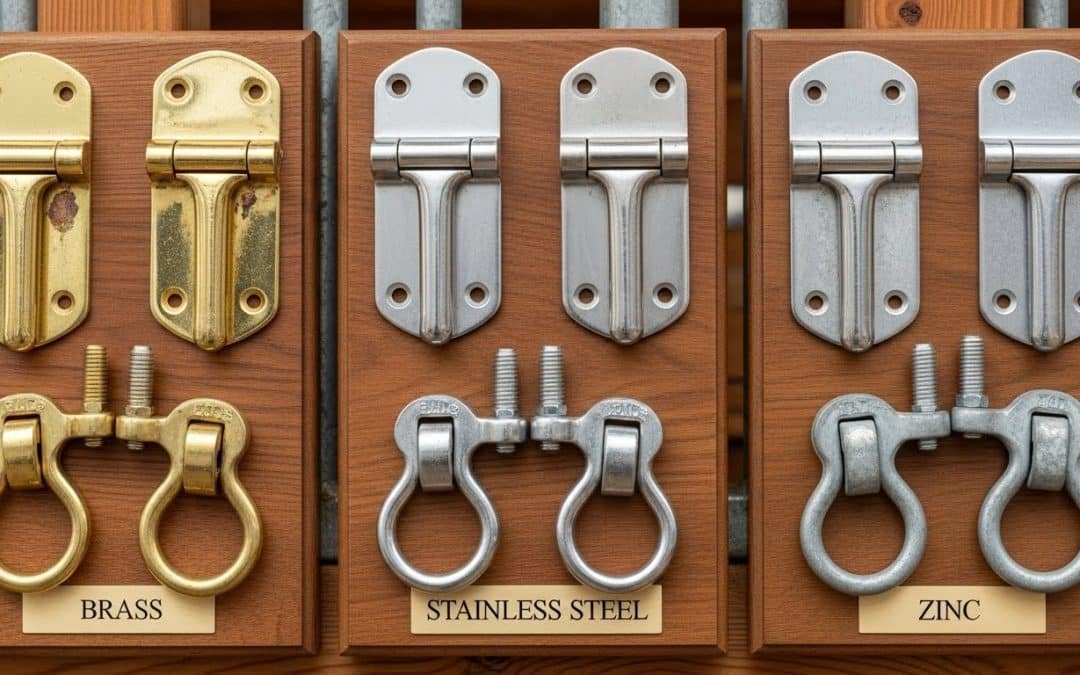
Selecting the right hardware for your horse stalls impacts more than just immediate costs; it shapes your facility’s long-term durability, aesthetic appeal, and operational budget. This guide compares brass, stainless steel, and zinc-plated options for horse...
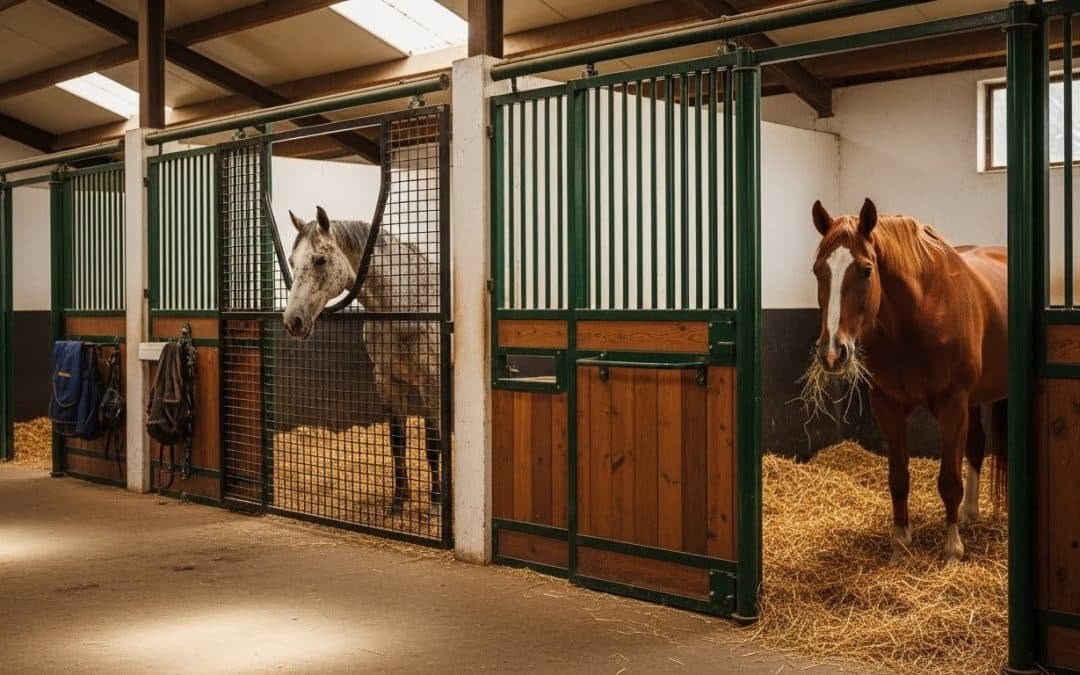
Choosing the right upper design for horse stalls is a critical decision for barn owners and managers. Your choice directly impacts airflow, horse health, and operational safety. Selecting between mesh and traditional vertical bars means balancing ventilation needs...
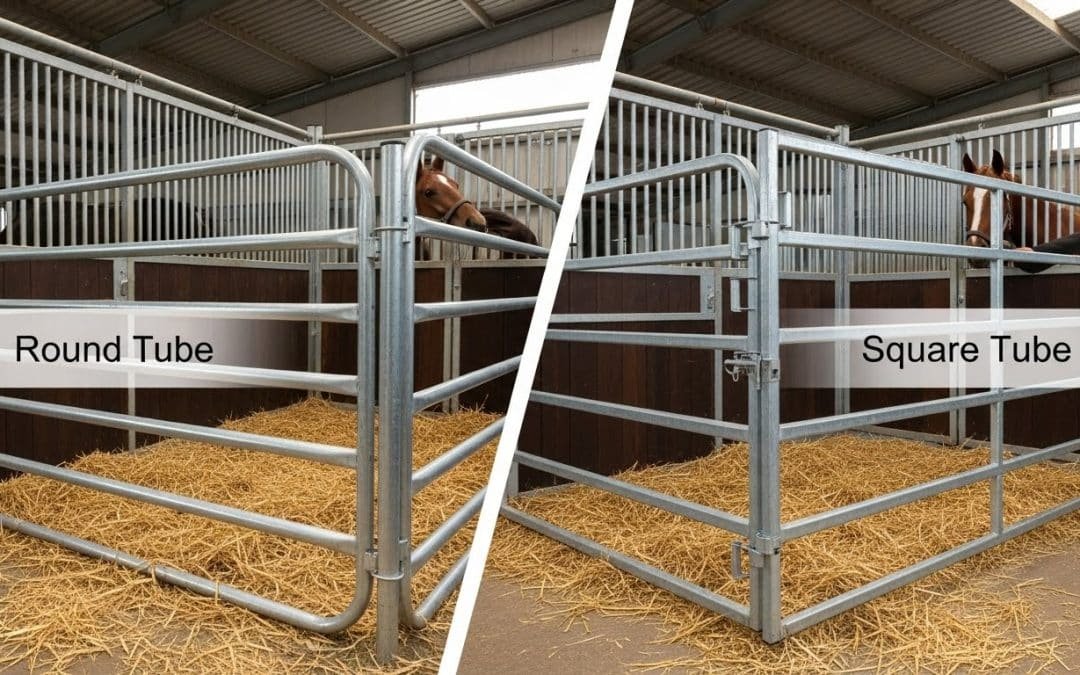
Selecting the right tubing for temporary livestock panels affects both animal safety and the long-term performance of your setup. The choice between round and square profiles goes beyond mere aesthetics, impacting how panels withstand daily use and environmental...
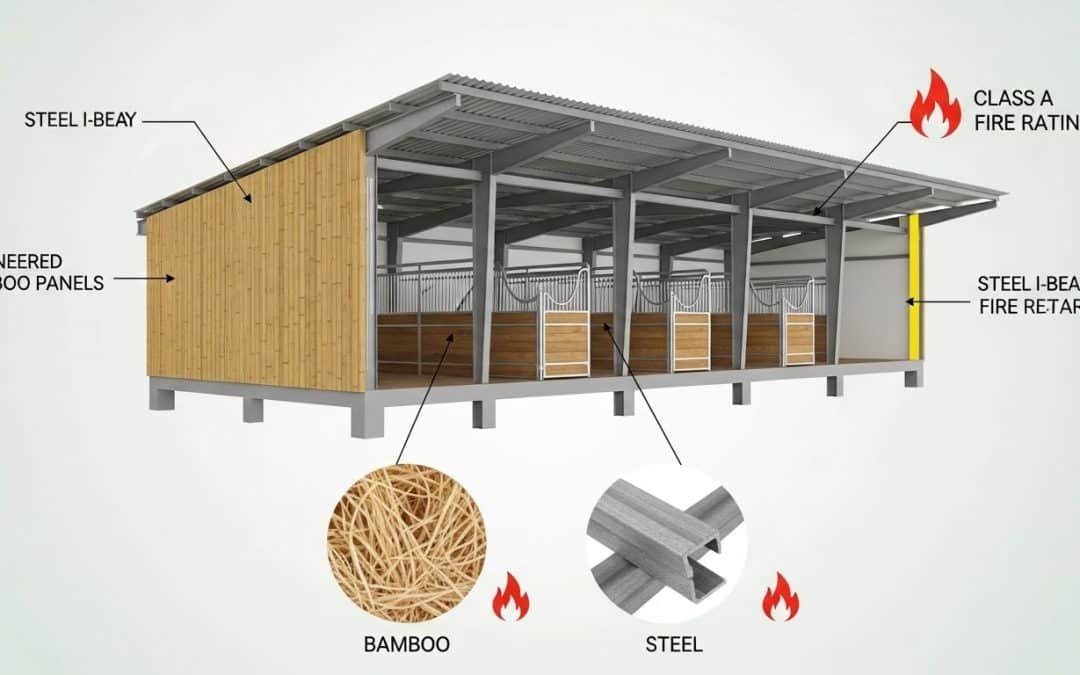
For facility managers and builders, fire safety in structures like horse stalls is paramount. The choice of building materials directly impacts how quickly a fire spreads, putting lives and property at risk. Many traditional options, like pine, can actually accelerate...
Choosing the right infill for your horse stalls goes beyond aesthetics; it directly impacts equine safety, stable longevity, and your long-term budget. Many stable operators face the challenge of balancing upfront costs with durable performance against the daily...




 English
  Español
  Français
  العربية
  Deutsch