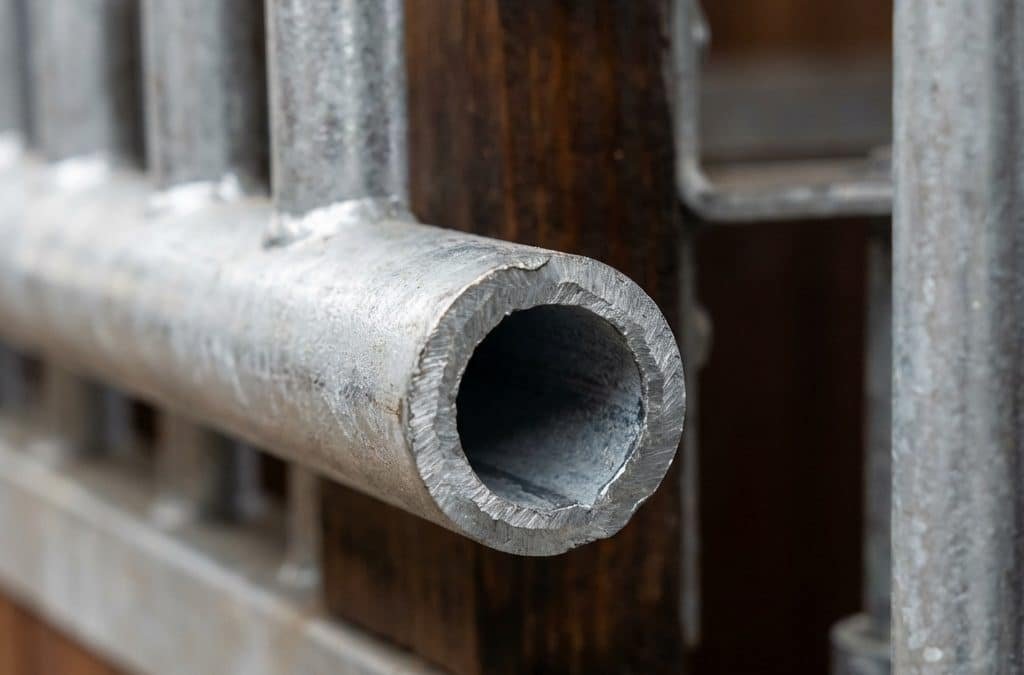
Commercial equestrian developers often fall into the steel gauge scam jumps trap by trusting generic gauge numbers rather than verifying actual wall thickness. As a manufacturer in Anping, China, it is observed that buyers request ‘heavy-duty’...
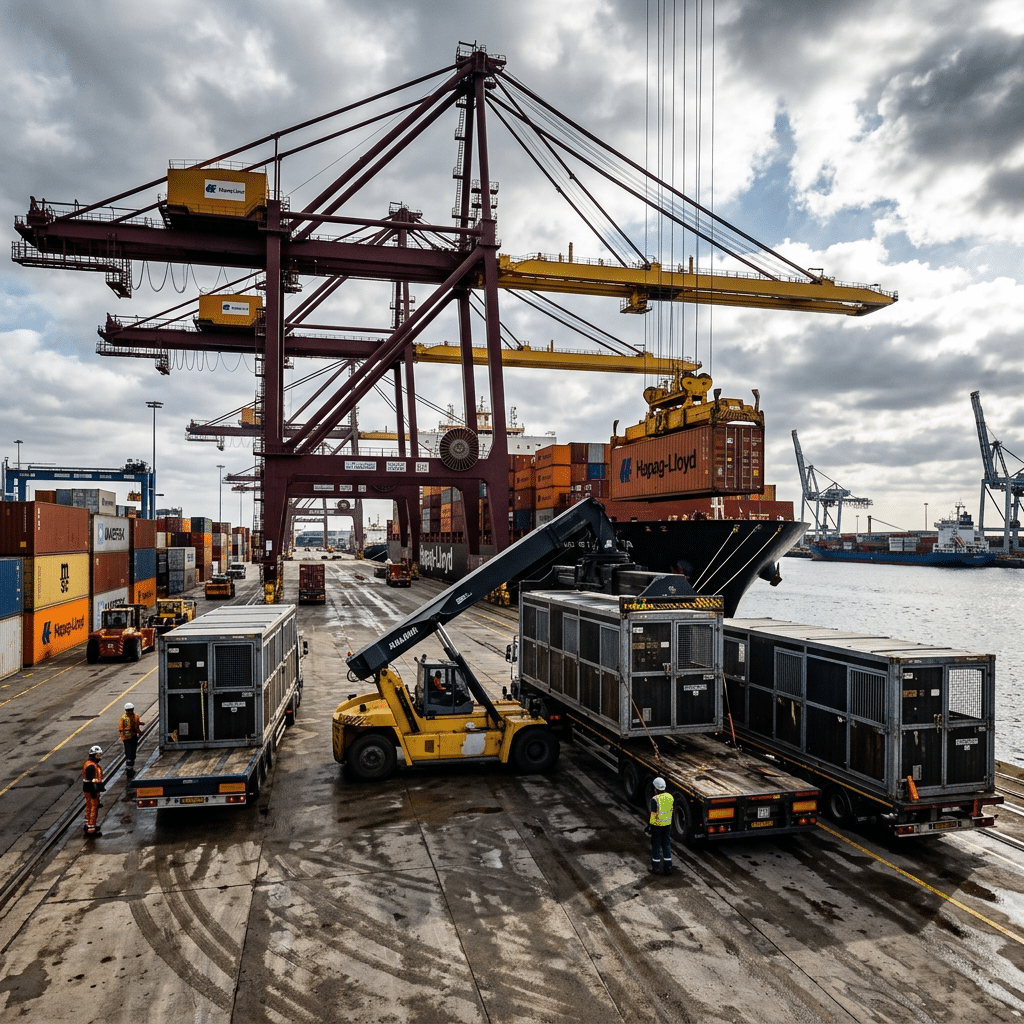
Sourcing from multiple Eventing / Jump Brands creates logistical complexity that inflates freight costs. While specialized suppliers offer quality, splitting shipments for stables and arena gear erodes profit margins for distributors and large-scale facility projects,...
The Aluminum vs Wood Jumps decision defines your long-term maintenance budget. While wooden jumps have a lower entry price, they introduce recurring costs from rot, warping, and mandatory repainting. This cycle of labor and material expenses directly impacts a show...
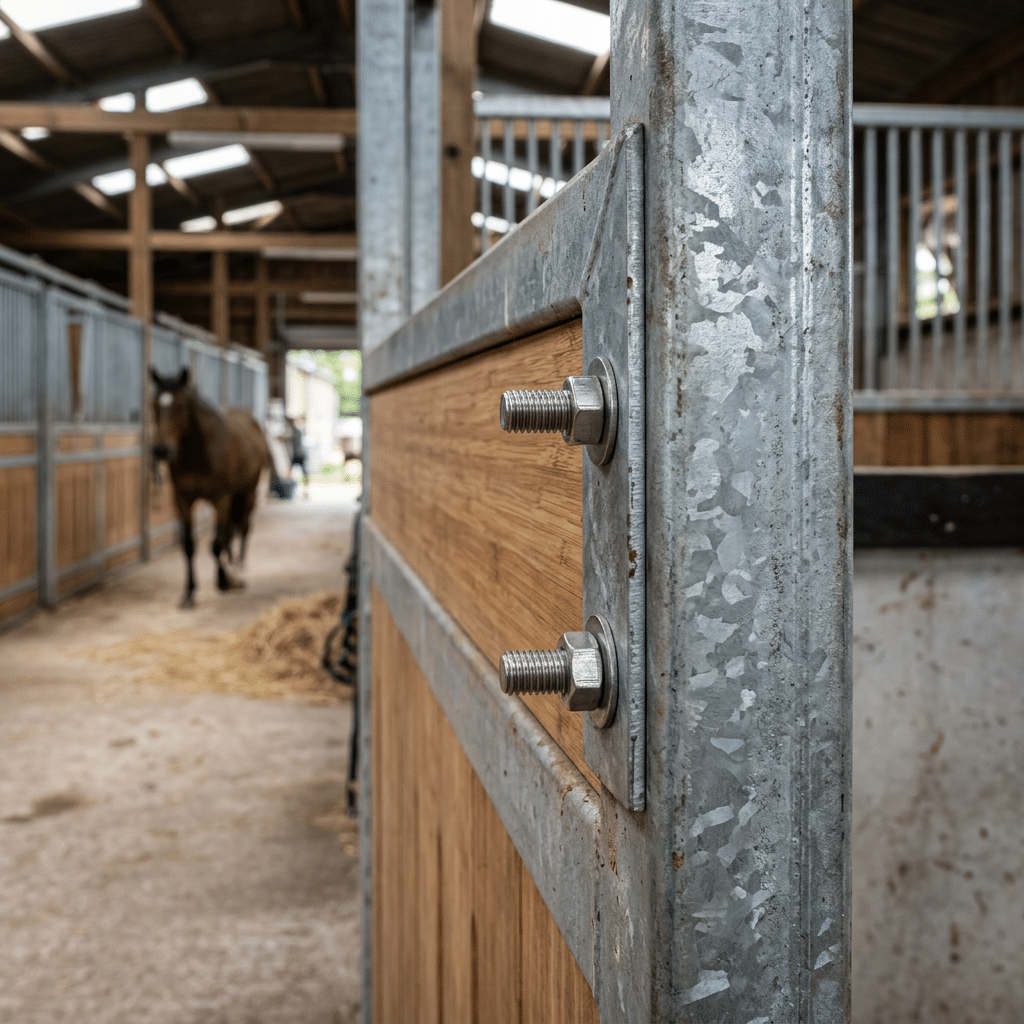
Stable latches are a critical failure point that directly impacts both liability and operational safety. Choosing a simple gravity latch over a secure plunger system might seem cost-effective, but it exposes a facility to risks ranging from animal injury claims to...
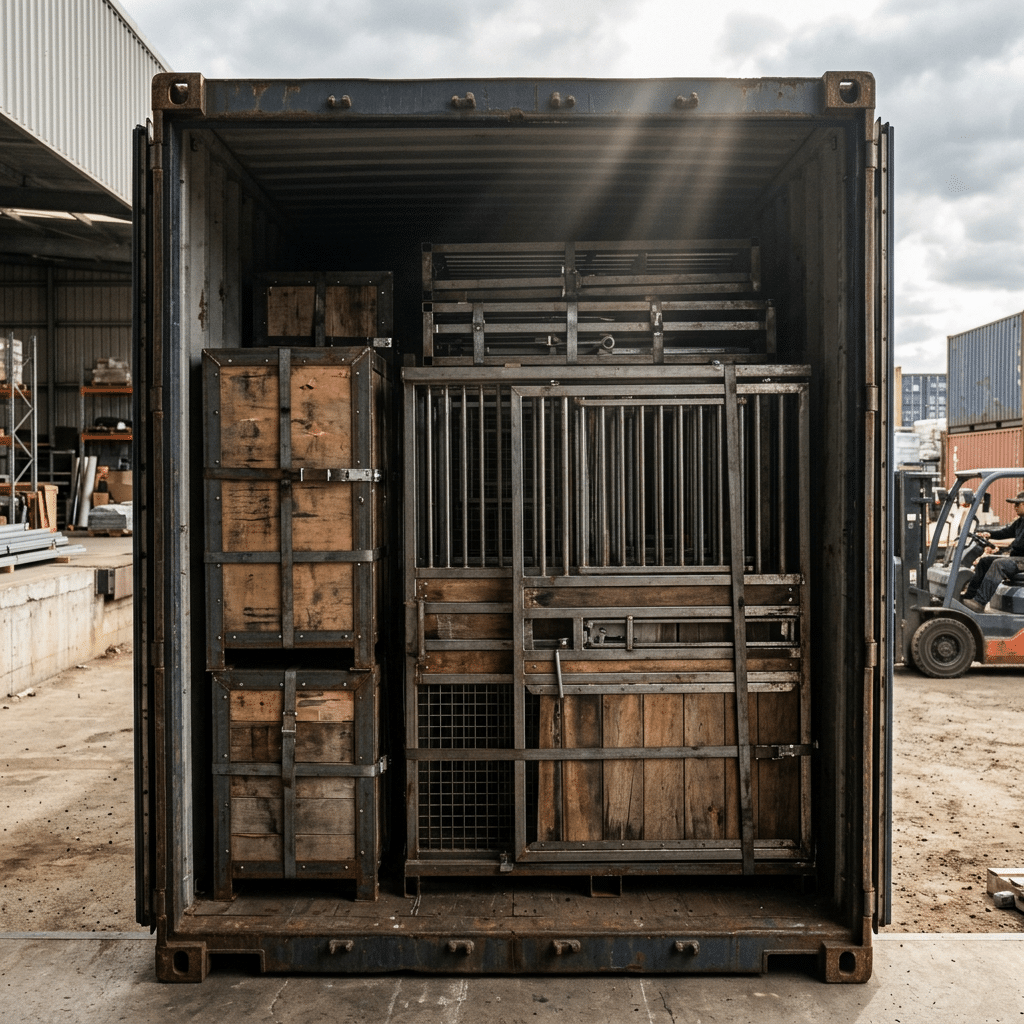
Container co-loading is the primary strategy for adding bulky items like jumps and rubber mats to a stable shipment. Ignoring this method means treating each product line as a separate, less profitable order. This approach erodes margins and fundamentally caps the...
Vetting reliable Horse Walker Suppliers is the critical defense against structural failure and liability claims in professional yards. While economy options offer lower upfront costs, they often utilize thin 16-gauge tubing that buckles under impact, creating...



 Arabic
  English
  Spanish
  French
  German