



Cleaning a single horse stall can take up to 30 minutes every day. That labor adds up, and poor stall hygiene can lead to costly health issues like thrush or respiratory problems. The material your stalls are made from is one of the biggest factors in determining your daily cleaning workload and overall maintenance expenses.
This guide breaks down how to clean stalls built with three common materials: pine, bamboo, and HDPE plastic. We explain the right maintenance for each, from sealing bamboo every 3 to 6 months to deep scrubbing porous pine. You’ll also see how these choices affect long-term operational costs, which can range from $1,200 to over $9,000 annually per horse.
The Reality of Barn Cleaning
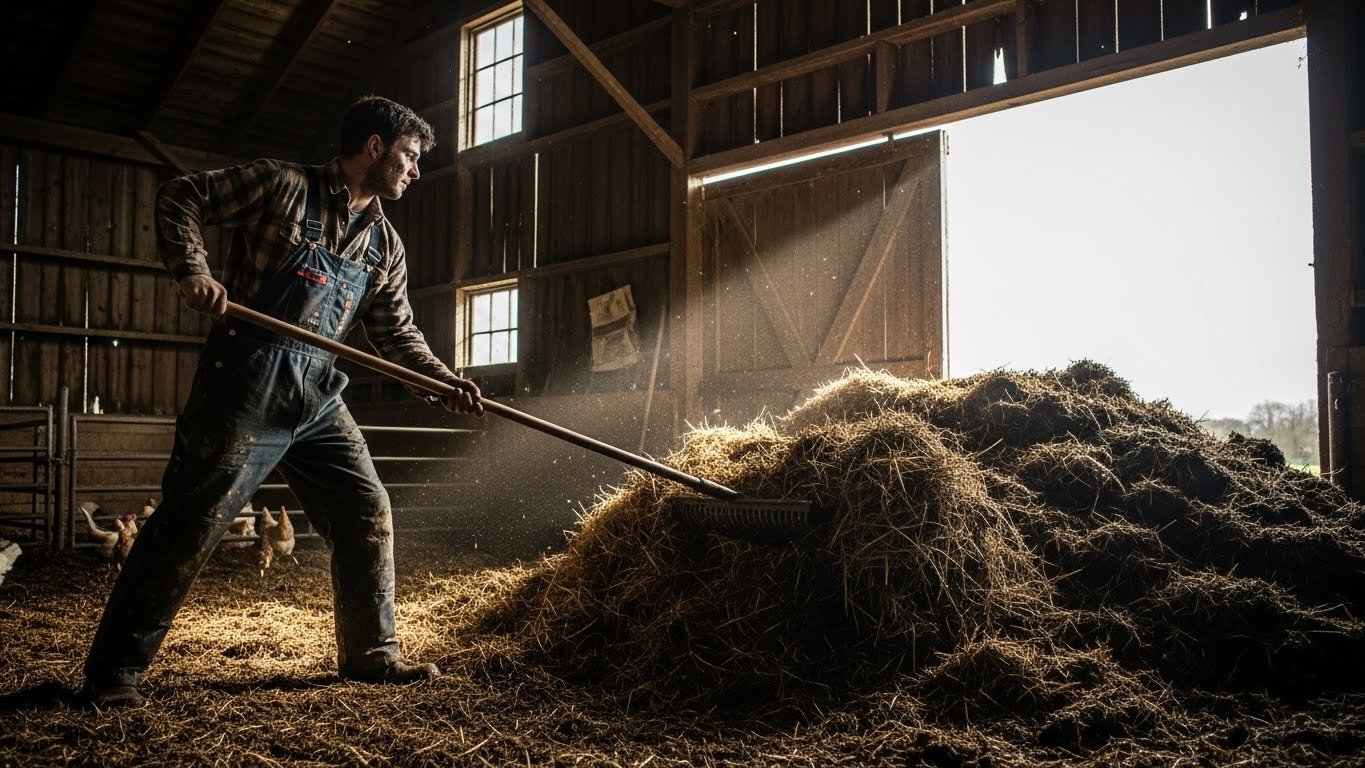
Cleaning a horse stall is a significant daily task, typically taking 15–30 minutes per stall. Most stables require cleaning at least once a day to prevent health issues like thrush and respiratory problems caused by manure and ammonia buildup. The workload is influenced by factors like horse turnout time, bedding type, and the efficiency of the cleaning process.
Daily Time Commitment and Frequency
A standard stall muck-out typically requires 15 to 30 minutes per stall each day. Most stables need this cleaning at least once daily to manage manure and urine. For horses that spend more time indoors, stalls often need to be cleaned twice a day to effectively control ammonia and moisture levels.
Health Risks from Improper Cleaning
Prolonged exposure to manure and ammonia in dirty stalls can lead to serious health problems, including thrush, cellulitis, and respiratory issues. When horses lie down in unclean bedding, they also face a higher risk of developing skin infections and hock sores.
Key Factors That Affect Workload
Several factors influence the cleaning workload. The more time horses are turned out in a pasture, the less waste accumulates in the stall, which reduces cleaning time. Bedding type and depth also affect how much material you need to handle. Using the right tools and establishing a consistent workflow can significantly speed up the mucking process.
Cleaning HDPE (Power Wash Safe)
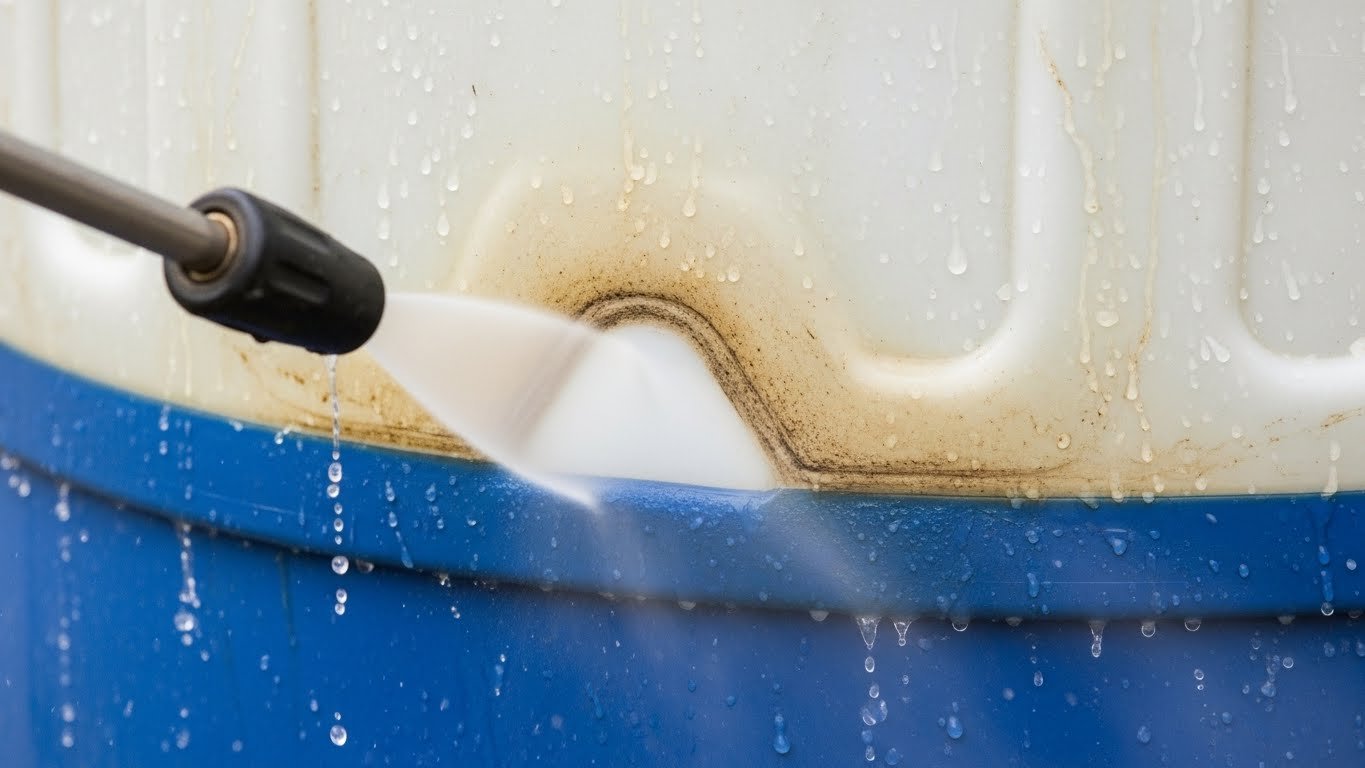
HDPE surfaces can be safely power washed using low-pressure settings (under 1,500 PSI) with a wide-angle tip and mild, pH-neutral detergents. For stubborn dirt, combine washing with manual scrubbing using a soft brush. Always allow surfaces to dry completely to protect adjacent hardware and prevent microbial growth.
Using Low-Pressure Settings and Mild Detergents
To clean HDPE surfaces without causing damage, use a low-pressure washer set under 1,500 PSI. A wide-angle tip, between 25 and 40 degrees, helps distribute the pressure and prevents gouging the plastic. Maintain a steady distance of about 6 to 12 inches from the surface and avoid spraying directly into hardware gaps where water can get trapped.
For effective cleaning, apply a solution of mild, pH-neutral detergent mixed with warm water. This mixture breaks down manure, body oils, and other organic residues but is gentle enough to avoid harming adjacent metal hardware or sealants.
Combining Manual Scrubbing and Proper Drying
If you encounter heavily soiled areas with caked-on material, manual scrubbing may be necessary. Use a soft or medium-stiff brush to dislodge the debris before rinsing it away with the pressure washer. It is important to avoid very high-pressure settings, which can aerosolize contaminants and spread pathogens throughout the barn.
After washing is complete, allow all surfaces to drain and dry fully. While HDPE itself is waterproof, letting moisture sit can lead to corrosion on hardware or promote microbial growth in crevices. Proper drying helps ensure the longevity of the entire stall system.
Cleaning Bamboo (Wipe/Seal)
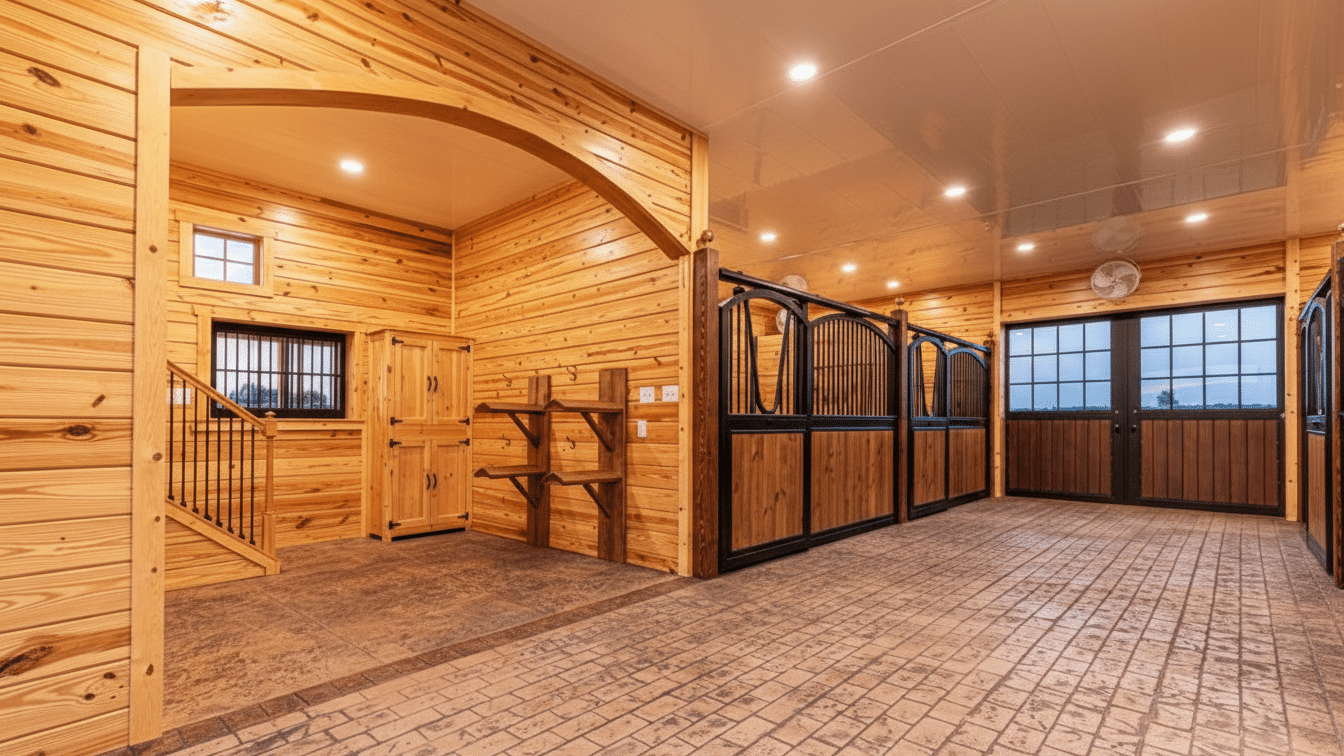
Maintaining bamboo in horse stalls requires two key steps: regular wiping to remove dirt and manure, and periodic sealing to protect the wood from moisture and damage. This approach preserves the material’s integrity, ensures a hygienic environment, and streamlines daily cleaning tasks.
Routine Wiping and Cleaning
To clean bamboo surfaces, use a damp cloth or soft brush with a mild, pH-neutral soap, such as diluted dish detergent. After cleaning, rinse the area with clean water and dry it immediately to stop the material from absorbing moisture and warping. This simple wipe-down is best performed daily or weekly after mucking out stalls to clear away any dust and manure residue.
Sealing for Protection and Longevity
Once the bamboo is clean and completely dry, apply two to three thin coats of a pet-safe, water-based polyurethane or a sealant made specifically for bamboo. This protective layer shields the wood from moisture, ammonia from urine, and also lowers the risk of splintering. You should plan to reseal the surfaces every three to six months to ensure continued protection, particularly in sync with monthly deep cleaning schedules.
Engineered for Durability. Customized for Your Climate.

Cleaning Pine (Scrub/Stain)
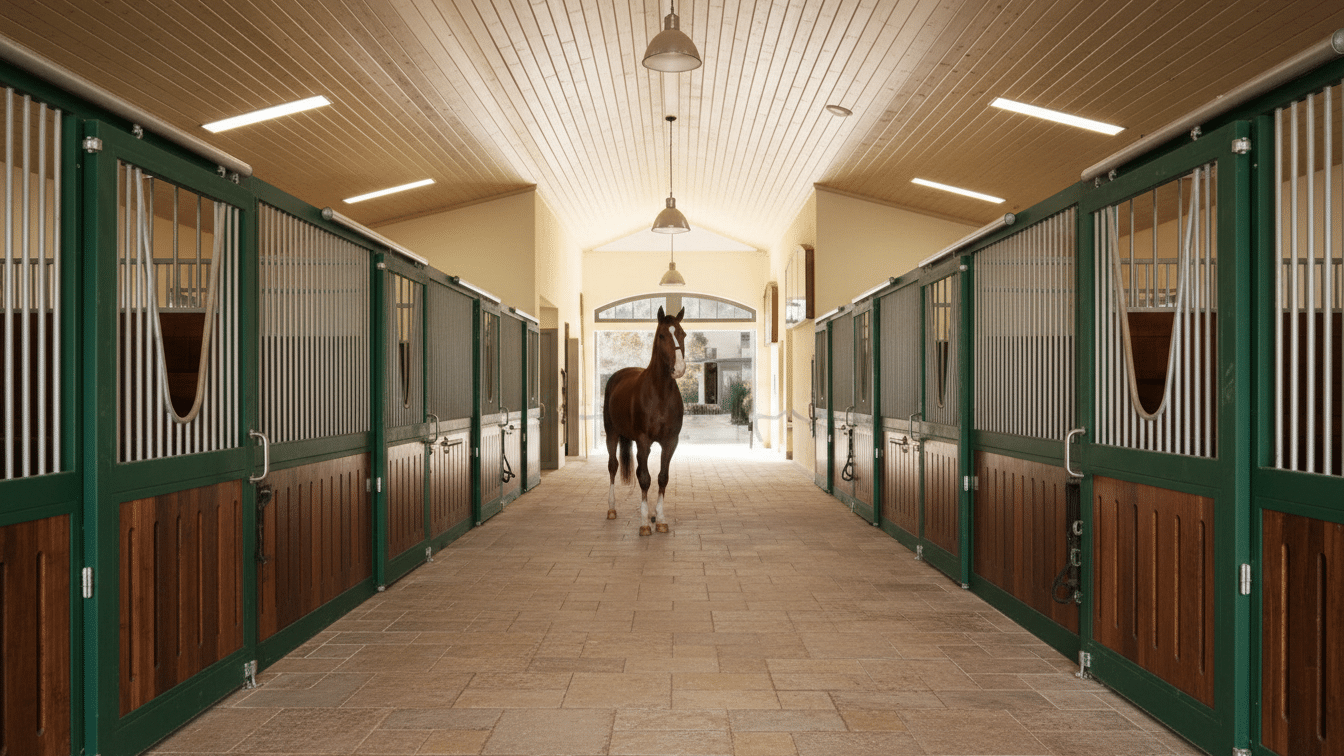
Because pine is porous, it readily absorbs urine, leading to high ammonia levels, stains, and potential wood rot. The correct maintenance method involves a cycle of deep scrubbing to sanitize the wood, allowing it to dry completely, and then applying a non-toxic stain or sealant to create a protective barrier that simplifies future cleaning.
Managing Moisture and Odor in Pine Stalls
Untreated pine is a porous material that readily absorbs urine and moisture from bedding. This absorption leads to high ammonia levels, which can contribute to respiratory problems in horses and cause deep, persistent urine staining. Constant moisture also promotes bacterial growth and can accelerate wood rot if not managed properly.
The Scrub, Dry, and Stain Maintenance Cycle
Pine requires periodic deep scrubbing with a stiff brush to lift embedded stains and sanitize the surface. After scrubbing, allowing the wood to dry out completely is a critical step to control moisture-related bacterial growth and prevent damage. Applying a protective, non-toxic stain or sealant after the wood is dry creates a barrier that reduces future absorption and makes routine cleaning simpler.
Long-Term Maintenance Costs
Long-term maintenance for a horse facility includes annual pasture care, which costs between $200 and $500 per acre, and monthly operational expenses like utilities and waste disposal, typically ranging from $500 to $2,000.
| Expense Category | Typical Cost Range | Key Factors |
|---|---|---|
| Utilities & Upkeep | $500–$2,000 monthly | Depends on facility size, machinery use, and waste disposal needs. |
| Pasture & Fencing | $200–$500 per acre/year | Covers routine repairs, seeding, and land management. |
| Full-Care Boarding | $500–$2,000+ monthly per horse | Bundles stall cleaning, repairs, and other services. |
| Total Annual Maintenance | $1,200–$9,000+ per horse | Varies based on service level (self-care vs. full-care). |
Recurring Operational and Upkeep Costs
Operational expenses for utilities, machinery maintenance, and waste disposal can add up to $500 to $2,000 each month. The final cost often depends on the size of your facility and the intensity of its use.
Maintaining pastures and fencing is another significant expense, usually costing between $200 and $500 per acre annually. These funds cover tasks like seeding, fertilizing, and repairing fence lines to keep pastures healthy and secure.
Supplies for stall hygiene, including bedding and cleaning agents, are a consistent monthly cost. The amount spent varies with the number of horses stalled and the type of bedding used.
Annual Cost Projections and Service Levels
The total yearly cost for boarding and maintenance for a single horse can be anywhere from $1,200 to over $9,000. This wide range reflects the different levels of care available, from basic pasture board to comprehensive full-care services.
Full-care boarding packages bundle most maintenance tasks, such as stall cleaning, bedding, and minor repairs. These services are typically priced from $500 to $2,000 or more per month per horse, offering convenience for the owner.
Choosing to manage chores yourself can lower monthly cash outlays but requires a significant time commitment. Daily tasks like mucking stalls and performing fence repairs become your direct responsibility, trading labor for cost savings.
Frequently Asked Questions
Can you pressure wash horse stalls?
Yes, pressure washing is an effective method for deep-cleaning stalls. Use low-pressure settings (under 1,500 PSI) and wide-angle tips on equipment and coated surfaces to prevent damage. Always use mild, animal-safe detergents, rinse all surfaces thoroughly, and let them dry completely before reintroducing horses.
How do you properly disinfect wood stalls?
First, remove all bedding and organic matter, then wash the wood surfaces with a detergent and let them dry. Apply an equine-safe disinfectant, like a 1:10 bleach solution, with a low-pressure sprayer. Let it sit for the required contact time (usually 10 minutes) before rinsing or air-drying, based on the product’s label.
Is HDPE plastic easier to clean than bamboo?
Yes, HDPE plastic is much easier to clean. It is non-porous, so it doesn’t absorb water and can be hosed off and sanitized directly. Bamboo is more durable than standard wood but still requires careful cleaning to avoid moisture issues like swelling or mold, and it can collect dirt in surface scratches.
Should I seal the pine wood in my horse stalls?
You can seal pine, but you must use a horse-safe, non-toxic, low-VOC sealer. The main reason to seal pine is to make it less absorbent and easier to clean. Make sure the sealer cures completely and is free of any odor before horses return to the stall.
How can I remove urine smells from wood stalls?
First, blot any fresh urine. Apply a mix of 3% hydrogen peroxide and dish soap for about 10 minutes, then wipe it clean. For lingering odors, cover the area with a generous layer of baking soda and leave it overnight before vacuuming it up.
What are the most maintenance-free materials for stalls?
High-Density Polyethylene (HDPE) panels, powder-coated or galvanized steel frames, and interlocking rubber mats are among the most maintenance-free options. These materials are non-porous, resist moisture and rust, and can be easily cleaned with a hose, which reduces long-term labor and repair costs.

Final Thoughts
Choosing the right stall material comes down to a trade-off between maintenance effort and durability. HDPE stands out as the lowest-maintenance option, as its non-porous surface handles power washing and simple wipe-downs. Bamboo offers a durable alternative but requires a consistent wipe-and-seal routine to prevent moisture damage. Pine demands the most attention, needing regular scrubbing and sealing to combat its porous nature and the risk of rot and odor.
Your choice of stall material directly influences your daily workload, operational costs, and the health of your horses. While low-maintenance materials like HDPE reduce long-term labor, pine and bamboo can also be effective if you commit to their specific cleaning schedules. Matching the material to your available time and budget helps create a safer, cleaner environment for your horses and a more manageable one for you.

 English
  Spanish
  French
  Arabic
  German
0 Comments