


Benefits of Wooden Horse Stables
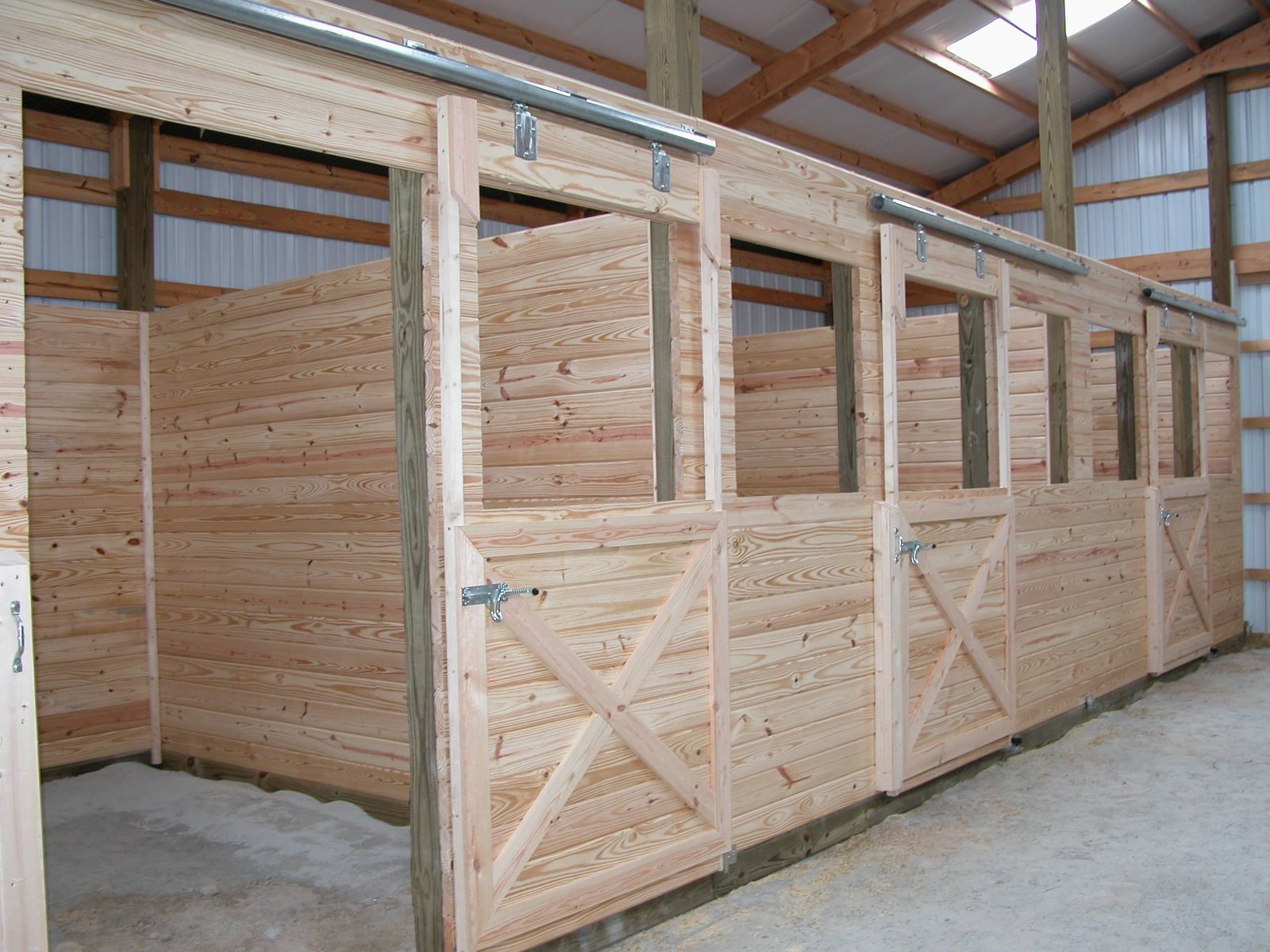
Wooden horse stables deliver strategic advantages that directly affect animal welfare, total cost of ownership, and sustainability goals. For stable operators and builders, selecting timber over steel or concrete combines proven performance with strong visual appeal. Leverage wood’s natural properties to enhance comfort, improve air quality, streamline maintenance, and strengthen resale or rental value—enabling better design and procurement decisions that align with both operational and commercial objectives.
Enhanced Animal Comfort and Safety
Timber maintains consistent interior temperatures, reducing reliance on mechanical heating or cooling and protecting horses from the abrupt swings common in metal or concrete structures—critical for high-value animals sensitive to environmental stress. Its sound-absorbing qualities reduce clangs and echoes, fostering a calmer environment that supports better behavior and recovery, while the forgiving surface lowers injury risk and helps control veterinary costs.
Moisture Management and Air Quality
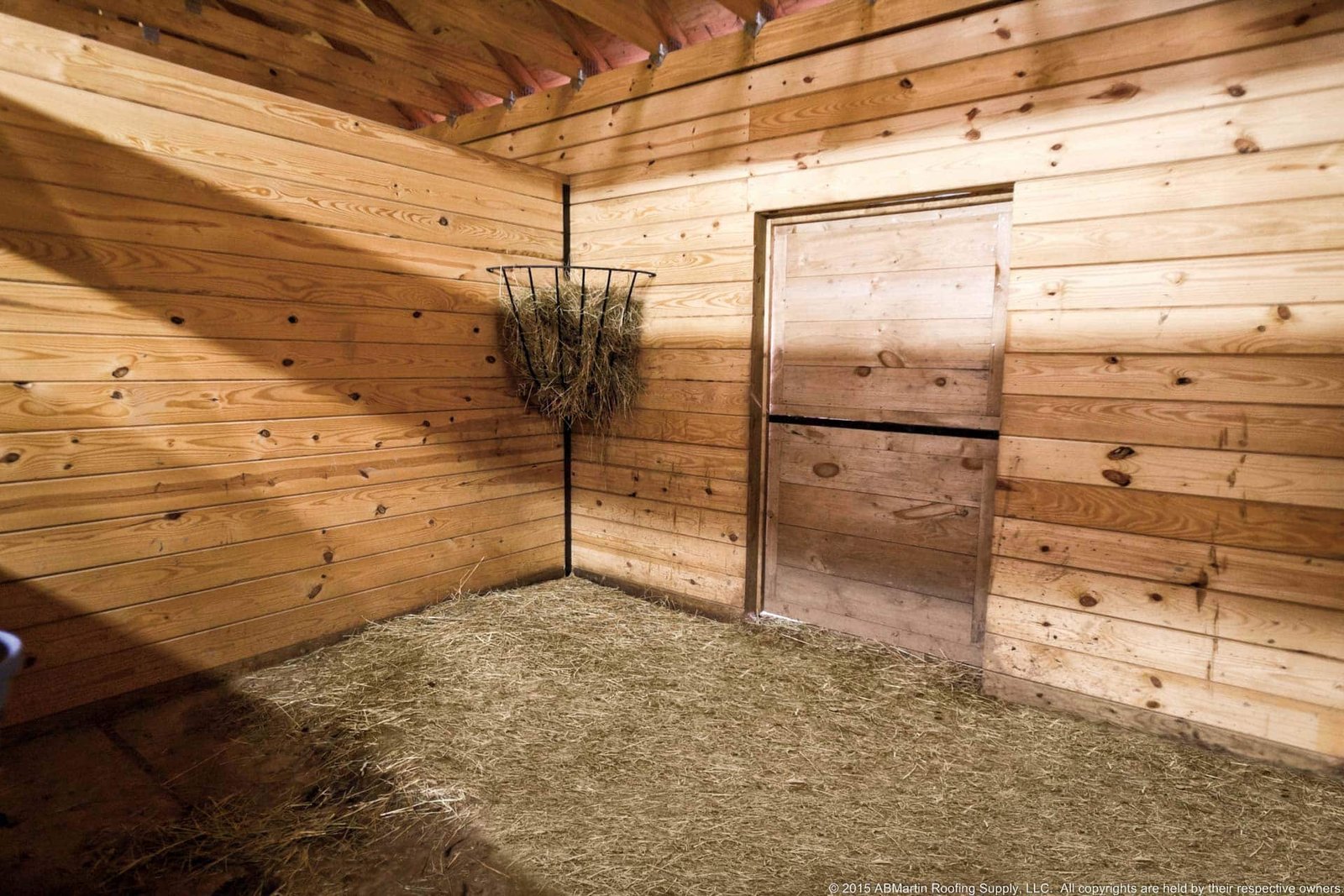
Wood moderates humidity by absorbing and releasing moisture, helping prevent condensation and the resulting mold or damp bedding issues that drive up maintenance costs and threaten animal health. Breathable timber walls combined with well-planned ventilation reduce ammonia buildup and airborne dust, delivering cleaner air and lowering respiratory health risks—an important differentiator for competitive or breeding facilities.
Cost-effectiveness and Maintenance Efficiency
Timber framing can be erected quickly and adapted on-site without heavy equipment, shortening lead times and allowing in-project layout changes. Repairs are straightforward and less costly than replacing fabricated steel components, keeping lifetime labor and material expenses under control while enabling more agile facility management.
Aesthetic Appeal and Environmental Sustainability
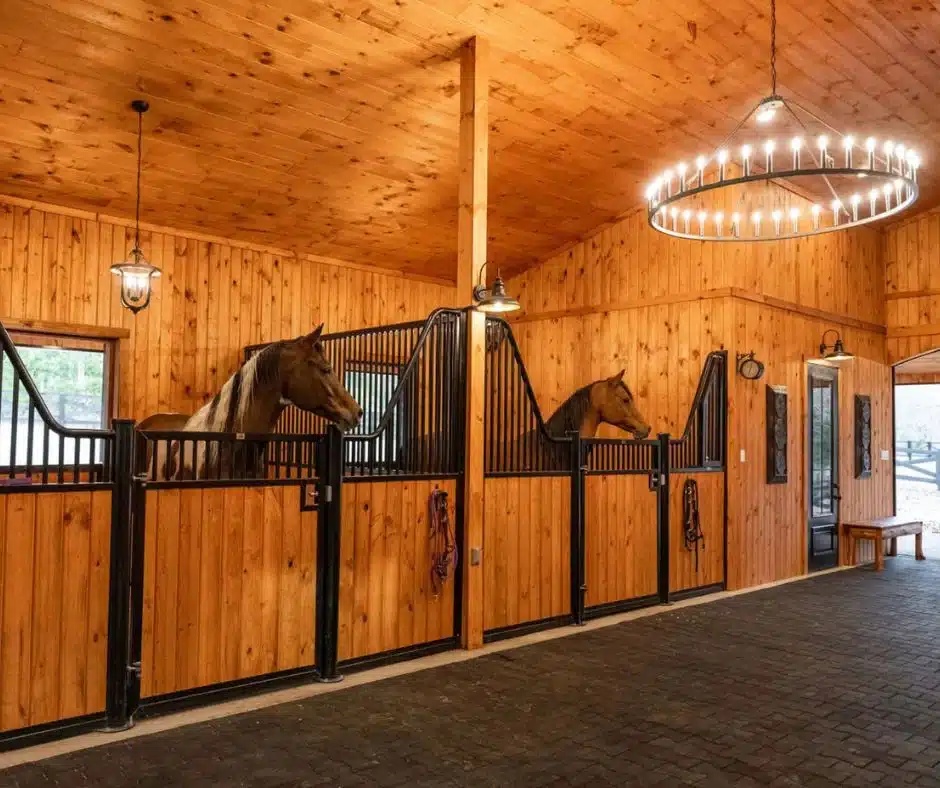
Well-constructed wooden stables blend seamlessly into rural landscapes and attract clientele who value tradition and style—often influencing purchasing or boarding decisions in premium markets. As a renewable, carbon-storing material, wood offers a smaller environmental footprint than concrete or steel, while durable joinery methods deliver decades of structural integrity with minimal intervention, uniting long-term beauty with performance.
Wood Types & Construction Methods
Choosing the right wood species and construction approach directly influences the durability, safety, maintenance profile, and adaptability of a horse stable. For equine sector buyers, this is a strategic investment decision with long-term operational impact. The breakdown below helps procurement teams and builders select options aligned to performance priorities, horse welfare, and budget control.
Wood Species Used in Horse Stables
Hardwoods such as oak and mahogany handle heavy wear and resist impact damage for decades, but their higher material costs require budget allocation. Black locust should be avoided due to equine toxicity risks, as even small ingested splinters can be harmful. Softwoods like southern pine, fir, and cedar reduce costs and improve availability for volume builds, but lower grades can warp or shrink unless premium cuts are specified. Exotic hardwoods deliver exceptional aesthetics and strength yet introduce longer lead times and premium pricing that must be factored into scheduling. Synthetic alternatives like HDPE infills are emerging for their hygiene, ease of cleaning, and wear resistance, making them suitable for high-traffic or portable stables where sanitation and quick maintenance are critical, though they lack the traditional timber appearance some clients demand.
Traditional Timber Framing Construction
Traditional timber framing uses large timbers joined with precise mortise-and-tenon connections, eliminating nails or brackets and creating a robust structure with a warm, exposed-beam aesthetic valued in showcase equine builds. The method accommodates open layouts and can be paired with structural insulated panels for improved thermal performance. Procurement teams should allow for higher labor costs and longer build times and reserve this option for projects prioritizing craftsmanship and heritage value over speed and short-term savings, ensuring timelines protect build quality.
Modern Construction Methods for Wooden Stables
Modular timber frame systems use pre-engineered components built off-site for rapid on-site assembly, minimizing location disruption and ensuring consistent quality. Panelized construction delivers complete wall and roof sections — including tongue-and-groove or OSB — for a precise fit and minimal finishing work. Pole barn construction embeds vertical poles directly into the ground, creating large, unobstructed interiors ideal for storage or flexible layouts at lower costs, but with a more utilitarian appearance. These methods suit buyers aiming for cost control and fast deployment while maintaining functional durability.
Impact of Wood and Construction Choices on Stable Performance
Wood selection dictates impact resistance, chemical safety for horses, and repair frequency over the stable’s life, while the construction method determines structural strength, insulation capacity, build speed, and customization potential in both interior and exterior design. Aligning material and method with operational goals — whether showcasing facilities, withstanding harsh climates, or reducing lifecycle costs — is essential. Addressing these variables in the planning phase ensures a safe, durable build that meets performance standards without exceeding budget constraints.
Maintenance Tips
Consistent maintenance is critical to keeping wooden stables safe, durable, and operational. Managers and builders should prioritise daily hygiene, structural inspections, moisture control, and efficient workflows to extend timber life while avoiding costly disruptions.
Routine Cleaning and Waste Management
Implement a fixed daily mucking schedule and remove manure and wet bedding immediately to prevent odors, pests, mold, and timber damage. Follow with a weekly deep clean using horse-safe disinfectants on walls, doors, and floors to cut bacterial buildup. Equip staff with dedicated tools such as pitchforks, brooms, muck buckets, and wheelbarrows to streamline work and prevent cross‑contamination.
Moisture and Ventilation Control
Use absorbent bedding—straw, wood shavings, or specialized pellets—to manage dampness and odor. Keep flooring dry to slow timber rot, then use vents or adjustable windows to speed drying after cleaning. Good airflow cuts humidity, prevents mold, and improves horse comfort.
Safety Inspections and Repairs
Schedule inspections for loose fasteners, splintered wood, and protrusions that could injure horses, fixing issues immediately to prevent escalation. Store feed and supplies in sealed, rodent-proof containers away from soiled areas to reduce contamination risks.
Operational Efficiency and Staff Protocols
In larger facilities, deploy compact tractors or manure spreaders to accelerate cleaning and lower labour hours. Keep a clearly organised cleaning station with all tools ready to use, and reinforce this with written hygiene protocols for staff and boarders to protect horses and timber over the long term.
Durable, Custom Horse Stables Built for Every Climate
DB Stable delivers steel-framed, weather-resistant stables and equestrian products engineered to meet international standards. Designed for safety, comfort, and easy installation, our solutions adapt to temperatures from scorching Australian summers to cold European winters.
Comparing Wood and Metal Stables
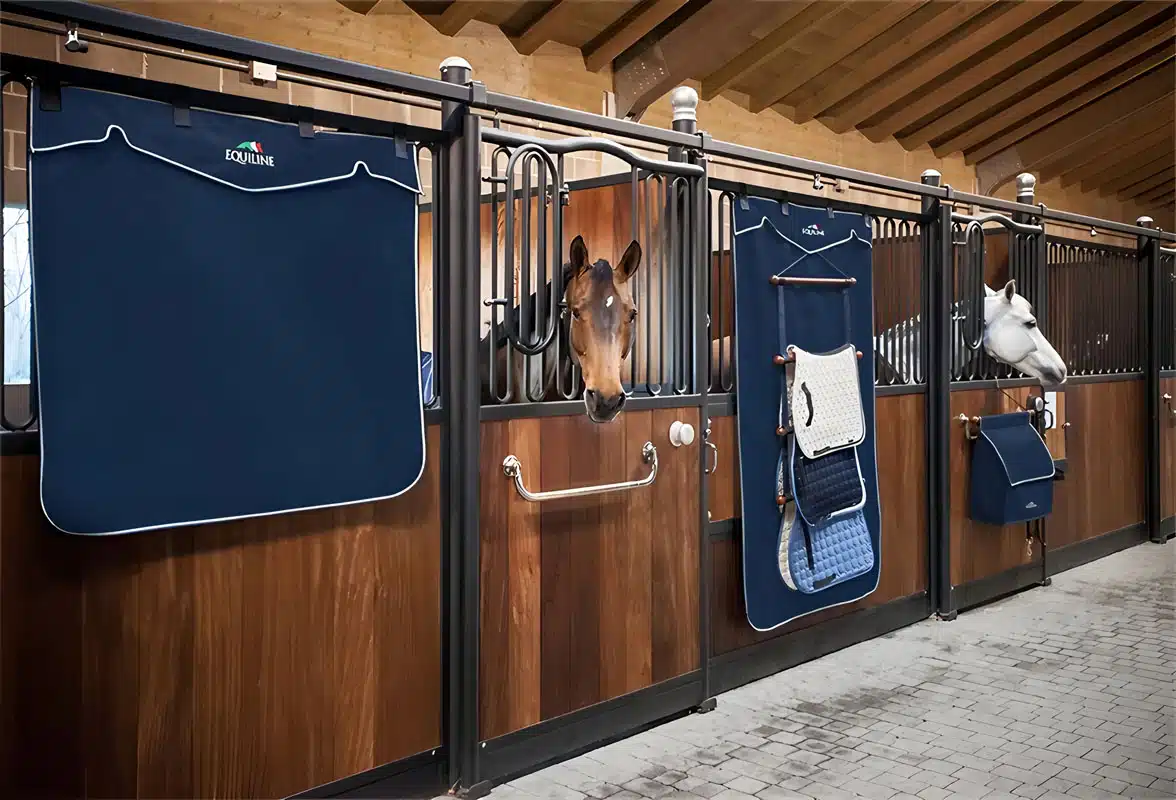
Choosing between wood and metal stables requires aligning material performance with your operational priorities—lifespan, upkeep, comfort, cost, design flexibility, and climate control. For procurement managers or owners building long-term equine facilities, each option carries distinct strengths and trade-offs affecting maintenance schedules, safety measures, and operating costs. Use the following breakdown to focus investment on factors that deliver measurable, long-term value.
Durability and Maintenance
Metal stables excel in high-moisture, pest-prone, or fire-risk environments. Hot-dip galvanized steel frames withstand decades of service with minimal upkeep, reducing long-term maintenance spend. In areas with frequent storms or fluctuating humidity, metal’s resistance to warping and corrosion safeguards structural integrity and avoids expensive mid-life rebuilds. Wooden stables, when built with treated timber and precise workmanship, offer strong performance but demand disciplined upkeep—annual sealing, pest control, and immediate repair after water exposure. Skipping these steps accelerates decay and drives up capital costs, making maintenance planning a critical operational factor.
Safety and Animal Welfare
Wood dampens noise and manages moisture, creating calmer, drier spaces and reducing injury from kicks thanks to softer surfaces—vital for high-value or sensitive horses. Metal, while structurally resilient, can create sharp edges when damaged; lining interiors with wood or HDPE panels mitigates this risk. When budgeting for metal facilities, include these protective layers to meet welfare standards and satisfy insurer requirements.
Cost and Construction
Prefabricated metal stables typically offer a lower initial cost, faster assembly, and reduced on-site labor—advantages when rapid deployment is needed for seasonal capacity or event housing. Minimal upkeep keeps annual expenses predictable, though material prices can fluctuate; secure quotes during favorable market periods. Wood builds generally require higher spend to construct and maintain but can match traditional architecture, enhancing aesthetics and potential resale or tourism appeal.

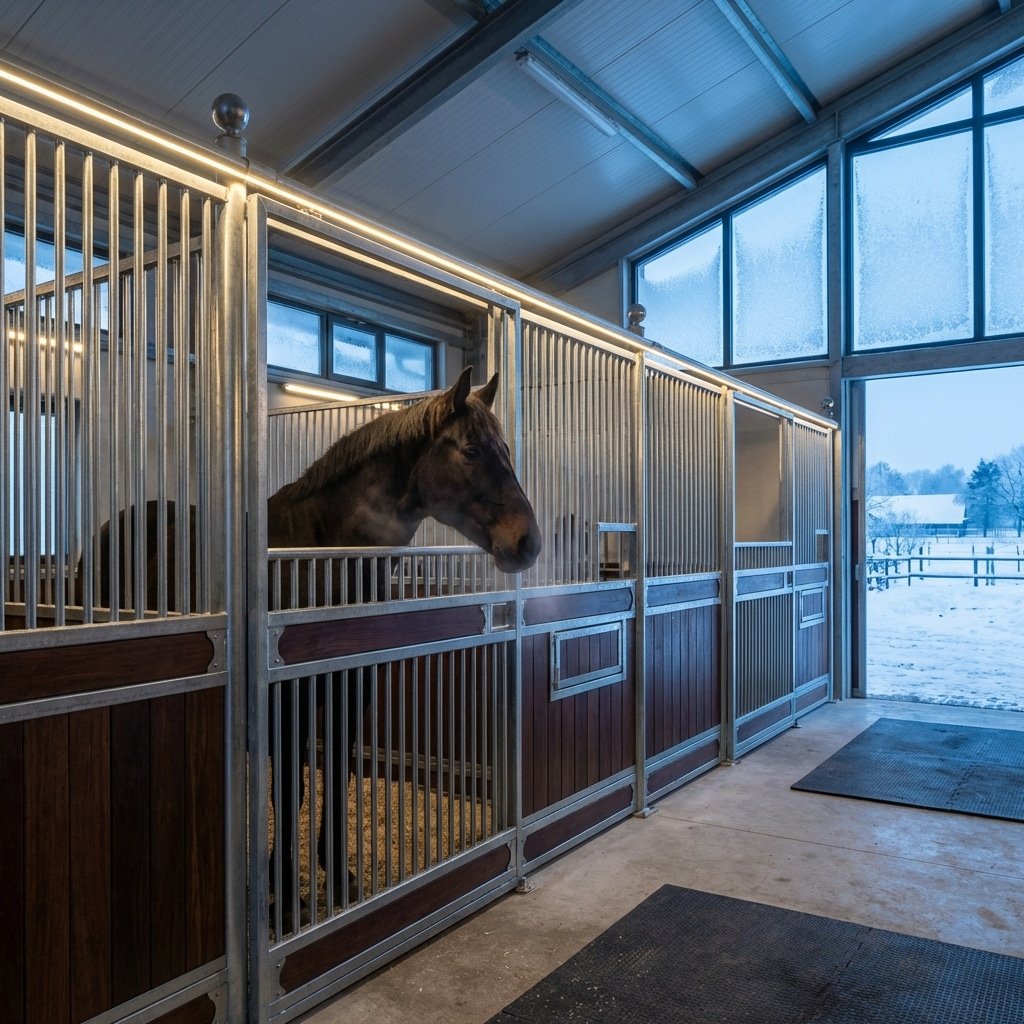
Stylish wooden interior of a custom horse stable.
Customization and Aesthetics
Timber construction delivers extensive design control—matching existing buildings, adjusting stall layouts, and adding custom features for visual or brand impact. Metal units favor standard modular layouts but offer scalability and portability, allowing phased capacity increases or relocation. Aesthetic options remain limited compared with wood.
Insulation and Climate Control
Wood’s natural insulation moderates internal temperatures, limits condensation, and supports comfort year-round—reducing heating or cooling costs. Metal amplifies temperature extremes without added insulation, risking condensation, rust, or equine health issues. In extreme climates, allocate budget for robust insulation when selecting metal structures.
Advice for Long-Term Durability
To ensure wooden stables remain reliable over many years, implement a disciplined, targeted maintenance program addressing moisture, pests, and structural wear. Our field experience shows that consistent action in these areas safeguards both strength and visual appeal.
Moisture Control and Ventilation
Keep timber surfaces dry at all times by removing manure, urine, and damp bedding daily before they saturate boards. Wet conditions accelerate rot and mold, weakening stall walls. Use highly absorbent bedding and replace it promptly. Maintain adequate airflow to lower humidity, prevent condensation, and slow decay—design for cross‑ventilation with vents or open upper sections so the interior stays dry year‑round.
Cleaning and Pest Management
Schedule deep cleans with horse‑safe disinfectants to stop mold growth and control odors, keeping pests at bay. Store feed in sealed containers to remove attractions for rodents and insects. Pair strict feed control with cleanliness, and equip staff with durable tools to complete maintenance thoroughly and efficiently.
Inspections and Repairs
Inspect regularly for loose nails, splinters, or damaged boards, addressing them immediately to prevent injuries and reduce long‑term repair costs. Apply protective coatings that lock out moisture and resist abrasion, adding extra layers in high‑traffic zones. Proactive repairs and surface protection extend timber lifespan and preserve stable value.
FAQs About Wooden Horse Stables
Wooden horse stables deliver a traditional look with robust performance, yet decision-makers often seek clarity before committing capital. Below are targeted answers on cost, timber choices, lifespan, upkeep, and selecting the right builder—each informed by real-world installation and maintenance experience.
Is a wooden stable more expensive than a metal one?
Premium timber and skilled joinery generally mean higher initial outlay versus prefabricated metal units. Metal can reduce purchase cost but often requires insulation and temperature control upgrades. Evaluate total lifecycle costs—well-specified wooden builds can maintain structural integrity for decades with steady maintenance, delivering stronger long-term ROI.
What type of wood is best for building a horse stable?
Cedar and oak provide proven durability with natural resistance to rot and insects, lowering treatment requirements. Treated pine can serve in cost-conscious builds if properly sealed and maintained. Prioritize timber with high durability ratings and specify ventilation plus moisture control systems to safeguard asset lifespan.
How long do wooden stables typically last?
High-grade timber paired with disciplined upkeep can keep a stable functional for 20–30 years or longer. Longevity hinges on climate conditions, moisture and insect prevention, and timely repairs. Specifying UV-resistant finishes and incorporating design elements like protective overhangs can push service life even further.
What maintenance is required for a wooden stable?
Schedule regular inspections to catch rot, pests, or structural wear early. Apply professional-grade sealants or stains every 2–3 years to block moisture and UV damage. Maintain gutters, manage airflow, and replace compromised boards promptly to contain repair costs and ensure safety.
Who are the best builders specializing in timber barns?
Target contractors with documented success in equine timber builds and verifiable client endorsements. Give preference to those offering custom designs, premium materials, and strong after-sales commitments. Inspect completed projects and check references before awarding contracts to validate workmanship and reliability.
Strategic Considerations for Timber Stable Projects
A well-executed timber stable combines lasting structural integrity with comfort and design flexibility that attracts premium clientele. Choose seasoned hardwoods or treated softwoods with validated resistance to rot and pests, and align joinery or modular systems to operational priorities and build schedules.
Maintain daily mucking routines, control moisture, and address repairs immediately to protect both animal welfare and asset value. Match materials and layout to your climate and customization objectives, and secure a contractor with proven equine timber expertise to meet performance benchmarks while sustaining the distinctive aesthetics that differentiate high-end facilities.


 English
  Spanish
  French
  Arabic
  German
0 Comments