


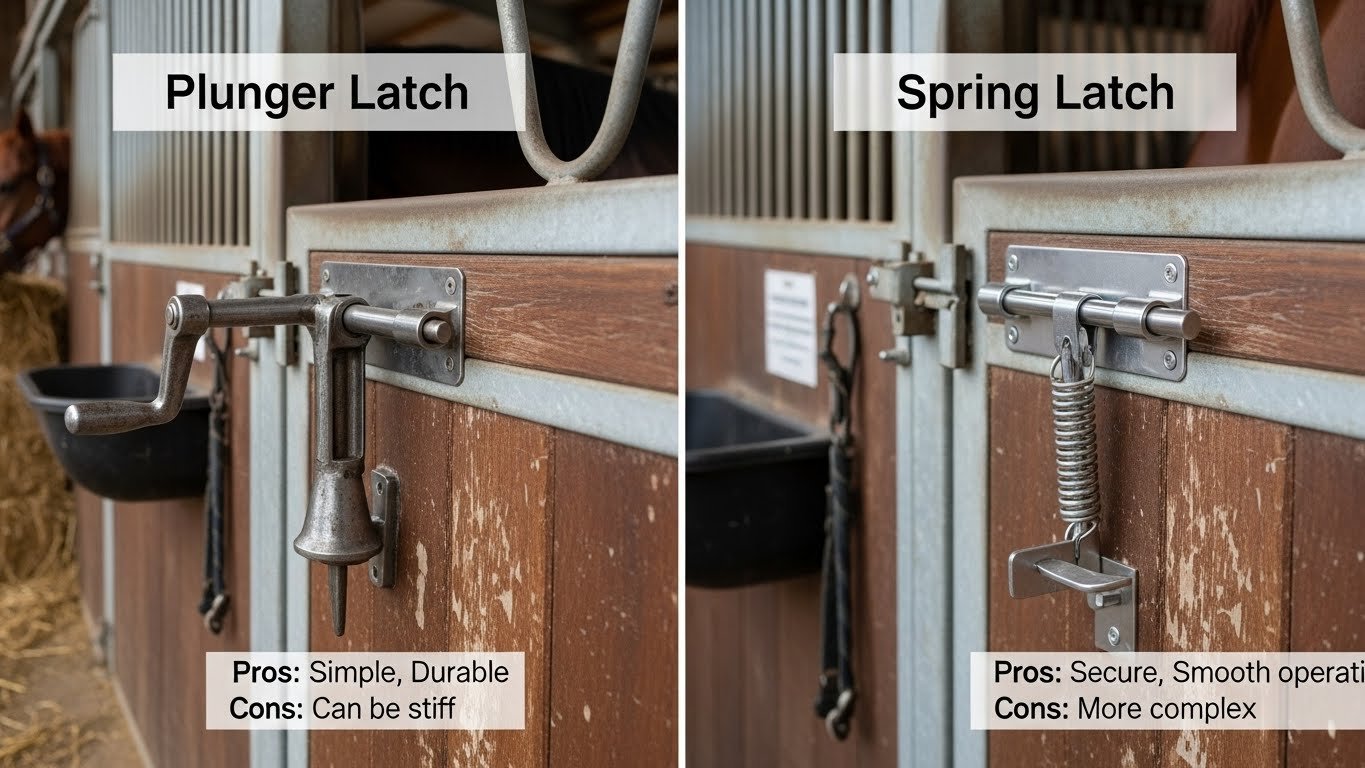
A sliding stall door latch that sticks is more than an annoyance—it’s a safety failure waiting to happen. In the humid, corrosive environment of a barn, a latch made from the wrong materials will rust and bind, creating a potential hazard for both horses and handlers.
This guide compares plunger and spring latch mechanisms to help you choose the right hardware based on engineering and performance. We’ll examine how material choices impact longevity and how internal design ensures a latch can withstand 11,000 N of force yet still release with less than 22 N of effort. By understanding these key differences, you can select a reliable sliding stall door latch that operates smoothly for years.
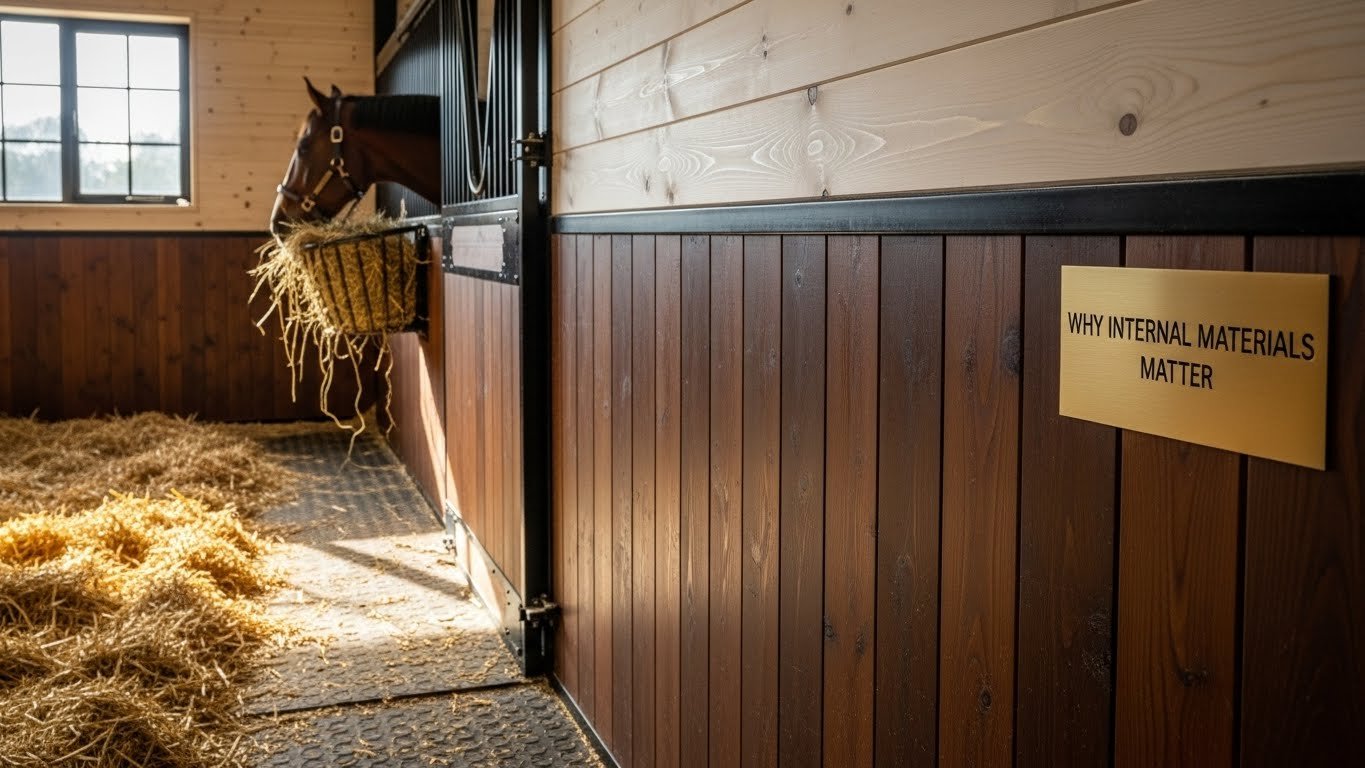
Why Internal Materials Matter (Rust = Stuck)
In the humid, corrosive environment of a horse barn, latches made of plain iron or steel will rust, causing sliding parts to bind and eventually get stuck. Using corrosion-resistant materials like stainless steel, galvanized steel, or aluminum ensures the latch remains smooth and easy to operate for years.
The Problem with Plain Steel and Iron
In the moisture-dense air of a barn, which contains high humidity and gases from urine or manure, unprotected plain carbon steel and iron will oxidize and rust. General hardware guidance identifies iron as a poor choice for any high-moisture environment because of this tendency. As rust builds up, it increases friction on sliding bolts and pins. Eventually, the latch becomes difficult or impossible to operate, getting stuck and creating a safety hazard.
Corrosion-Resistant Materials for Smooth Operation
Horse stall latches use materials like 304 stainless steel, galvanized steel, and aluminum to resist moisture-induced corrosion and physical impact. These materials keep the moving parts smooth. Zinc-plating is another common solution that adds a sacrificial barrier to steel hardware, increasing its corrosion resistance. Stainless steel is considered the most durable material for latches, with some commercial locks specifying a 1/2-inch (13 mm) diameter stainless steel bolt for exceptional longevity and reliable operation.
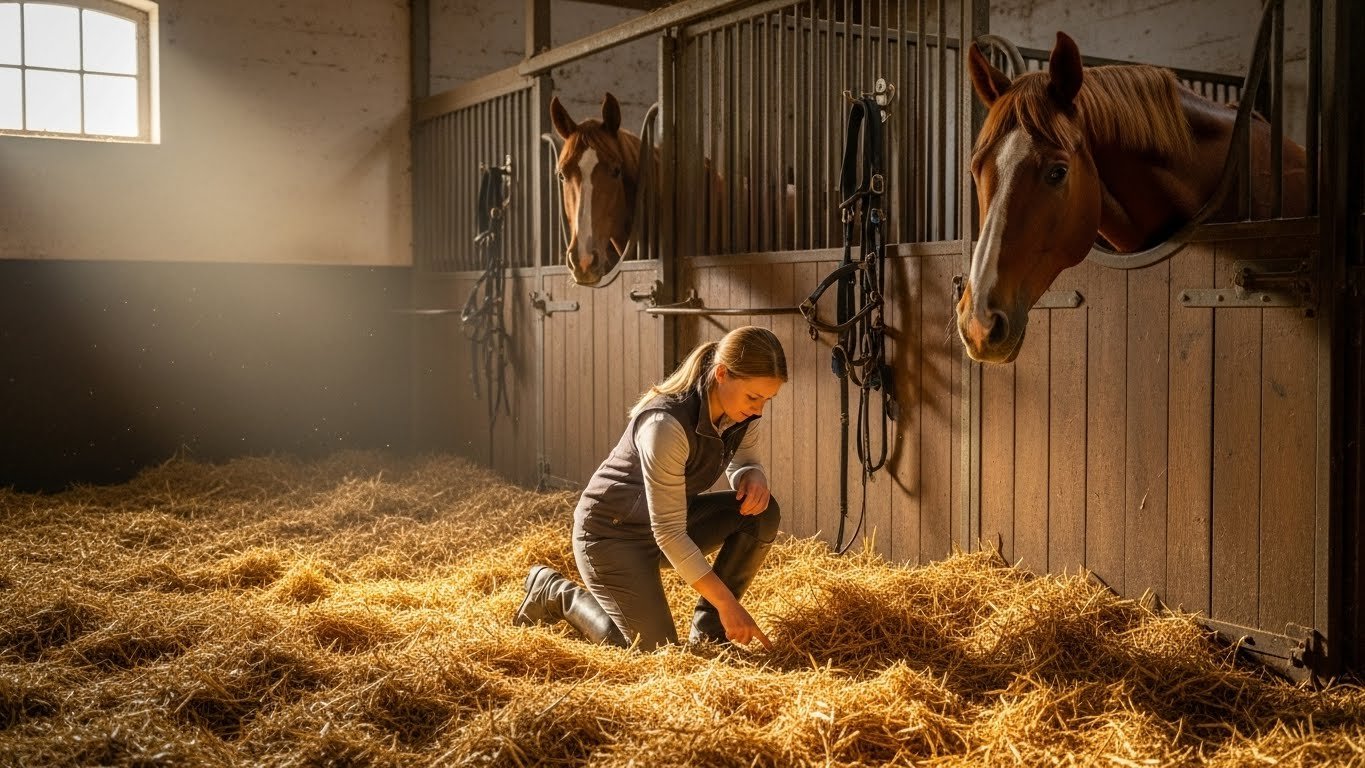
The “Finger-One” Test
The ‘Finger-One’ Test is a practical assessment to ensure a horse stall latch can be safely and easily opened with a single finger, even under load. It validates ergonomic design and smooth operation, which relies on robust engineering that meets safety standards like FMVSS 206 for load capacity and uses lubricated components for reliable release.
| Latch Position | Transverse Load Capacity (FMVSS 206) | Longitudinal Load Capacity (FMVSS 206) |
|---|---|---|
| Fully Latched | 11,000 N | 13,800 N |
| Secondary Latched | 4,500 N | 7,000 N |
Defining the Single-Finger Latch Release
The “Finger-One” test is a simple, practical validation of a latch’s ergonomic design. It confirms that a person can operate the latch with one hand, using minimal effort. This test is especially important for verifying functionality when the door or panel applies lateral pressure against the latch mechanism. A successful test shows the latch releases smoothly without binding, which is a key indicator of a safe design that prevents finger pinching during operation.
Engineering That Enables a One-Finger Release
Effortless operation depends on robust internal engineering. To ensure safety and reliability, latches must meet stringent force standards, such as the Federal Motor Vehicle Safety Standard (FMVSS) 206. This standard requires latches to withstand transverse loads up to 11,000 N in the fully latched position. Functionality relies on a two-stage latching mechanism that provides both a secure primary closure and a backup secondary position. Smooth release action is achieved through specialized components, like Everlube-coated pawls or zinc-plated housings, that reduce internal friction and allow the mechanism to disengage easily even under significant load.
Horse Stables Engineered for Any Climate


Final Thoughts
Choosing the right latch comes down to more than its basic mechanism. The most important factor is the material. In a barn’s humid air, anything other than corrosion-resistant metals like stainless steel or galvanized steel will eventually rust and stick. A quality latch, whether plunger or spring-bolt style, should allow for one-finger operation even under load. For better security, a spring-loaded design offers more reliable engagement that resists being shaken or manipulated open.
A stall latch is a critical piece of safety equipment. Its ability to function smoothly protects both the horse and handler, especially during an emergency. A latch that binds wastes time, while one that fails can lead to a loose horse. Investing in well-engineered hardware made from durable materials provides long-term reliability and makes daily barn operations safer and easier for everyone.

Frequently Asked Questions
What is the best latch for sliding stall doors?
For high security, the industry standard requires a latch with a minimum locking device strength of 1335 N (300 lbf) to effectively resist forced entry.
How do I fix a stuck stall latch?
A stuck latch can typically be removed by twisting off the inside knob with vise grips, pushing the latch mechanism out, and then prying the outer plate off. From the inside, you can then use a hammer and screwdriver to punch the rest of the mechanism out.
What’s the difference between a spring latch and a gravity latch?
Spring-loaded latches are more secure and reliable, using a spring to positively snap the bolt into place, which resists vibration. Gravity latches are simpler and less costly, but they can be jarred open and are best for moderate-security needs.
Are there truly ‘horse-proof’ latches?
No single standard for a ‘horse-proof’ latch exists, but horse-resistant designs focus on one-handed operation requiring less than 5 lb (22 N) of force. They often use guarded rings and shielded releases made of 304 stainless steel to prevent manipulation by a horse.
What maintenance does stall hardware need?
Stall hardware is low-maintenance, typically only requiring routine cleaning with mild soap and water. Quality galvanized or stainless steel systems are designed for a service life of 20–25 years before bolt-on latch components might need replacement.
Why do stall door latches stick?
Sticking is almost always caused by door misalignment or debris in the track, which creates a side-load on the bolt. Even when sticking, a properly designed latch should still operate with less than 5 lbf (22 N) of force to meet accessibility standards.

 English
  Spanish
  French
  Arabic
  German
0 Comments