



What Is a Portable Stable?
For horse owners and facility managers facing shifting operational demands, portable stables offer a fast, low-capex way to expand or adapt housing capacity. They can be deployed quickly for planned events or emergencies, avoiding the lead times and sunk costs of permanent builds. When procuring, prioritise structural robustness, rapid installation systems, and compatibility with varied site conditions.
Definition and Purpose of Portable Stables
These modular units are designed for relocation and rapid setup, serving seasonal events, short-term agistment, or interim shelter during construction. Their ability to be installed and removed without major infrastructure spend preserves cash flow and enables scaling capacity in line with demand.
Materials and Construction
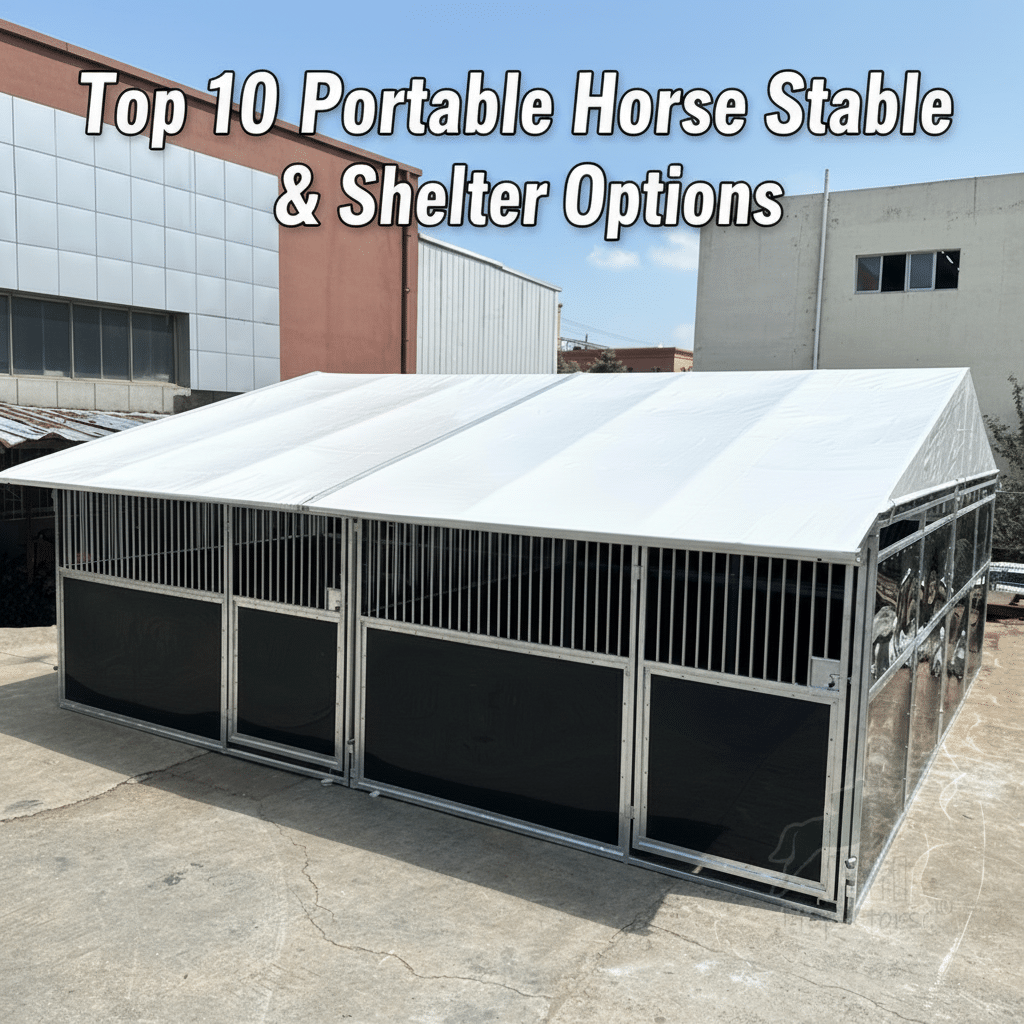
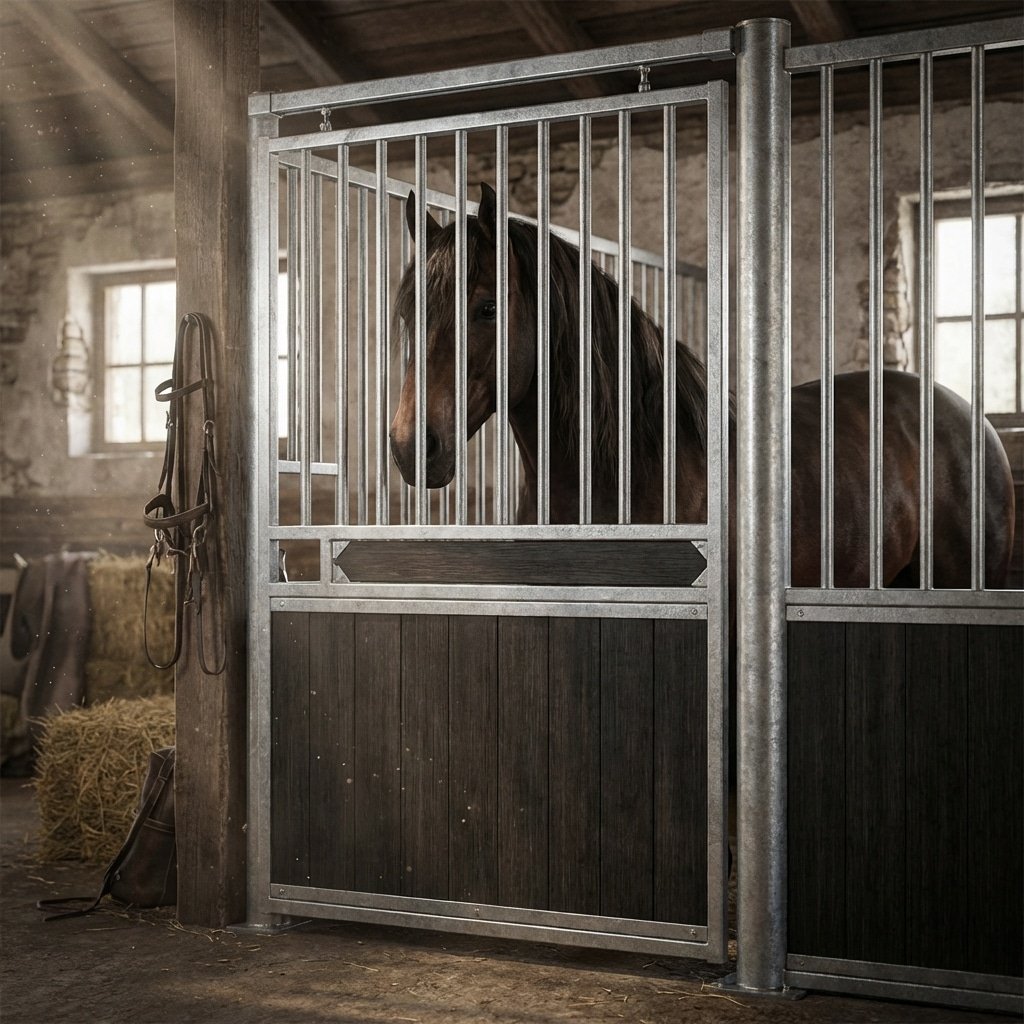
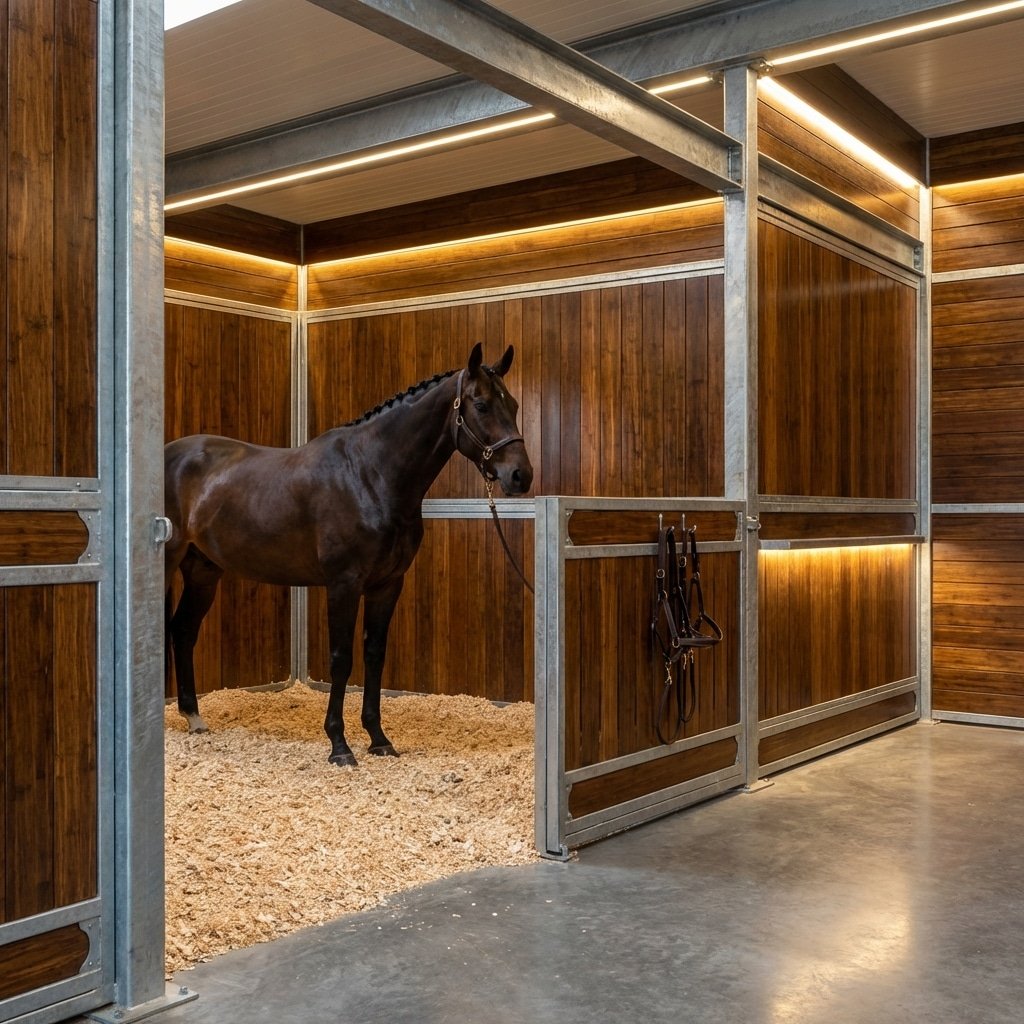
Most utilise high-grade galvanised steel frames for corrosion resistance and strength across climates, paired with weatherproof, UV-stabilised HDPE panels. Opting for thicker boards minimises warping and extends service life. Roofs typically feature coated steel with waterproof finishes to protect horses and equipment. Confirming specifications upfront ensures the right balance between durability, maintenance cycles, and total cost of ownership.
Key Features and Design Elements
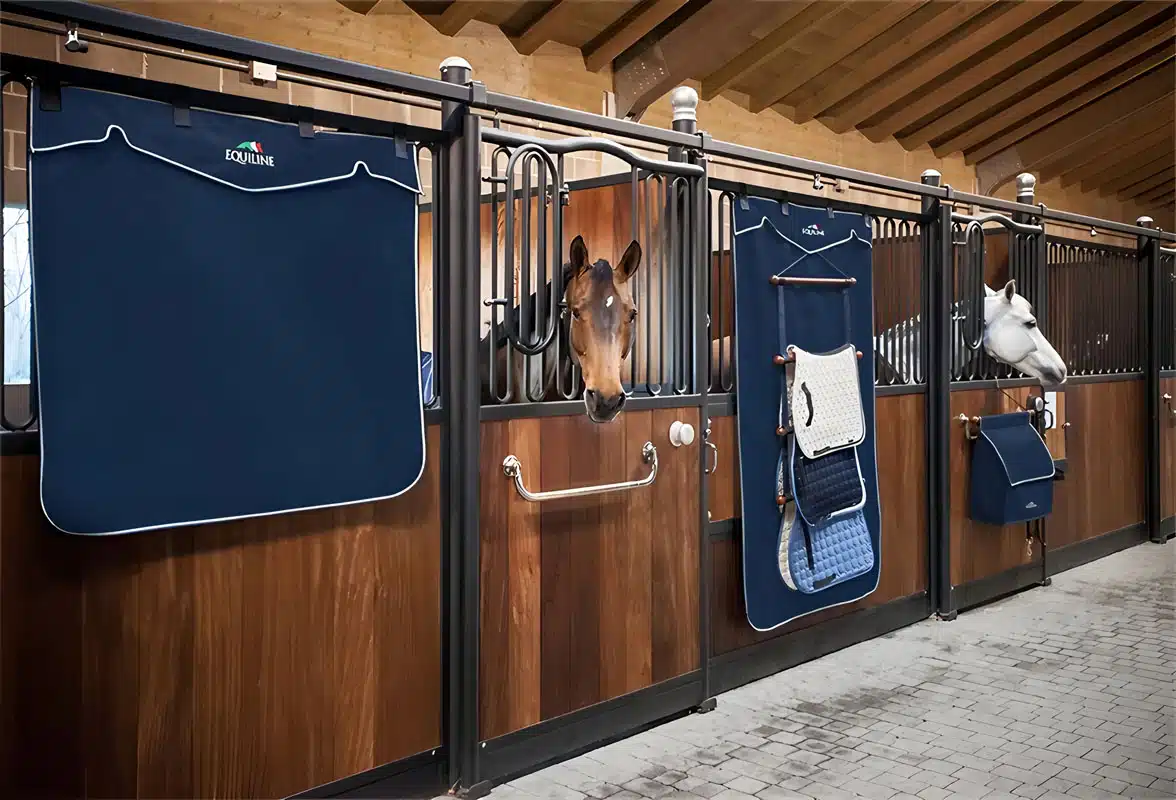
Fast-lock assembly systems cut labour hours, making relocation feasible between consecutive events. Specify safety-led wall and floor treatments—kick-proof panels, smooth edges, secure locks—combined with ventilation and insulation to safeguard animal health. Modular layouts allow resizing stalls or adding units without rebuilding, giving operators flexibility for diverse equine needs.
Common Applications of Portable Stables
Used widely at shows, training meets, and mobile exhibitions, they meet welfare requirements while remaining temporary. In rental models, semi-permanent installs generate income without altering property fundamentals. They also suit quarantine needs by enabling isolated sections that can be dismantled and sanitised promptly. For businesses prioritising mobility over fixed assets, they deliver capacity exactly when and where required.
Pros & Cons of Portability
For buyers managing event stabling, seasonal pasture programs, or equine facility rentals, weighing the operational gains against the trade-offs of portable stables is essential to prevent costly missteps. Portability impacts how layouts are planned, herds are moved, and budgets are forecast, so assess it for short-term flexibility and long-term ROI.
Advantages of Portable Horse Stables
Mobility allows precise control over stable placement as property layouts change, and supports pasture rotation to preserve grass and limit compaction. This is especially valuable at showgrounds or rental sites where space must be optimized quickly between events or tenants. Lower upfront costs compared to permanent builds keep capital free for other priorities, while quick assembly with minimal equipment reduces labor expenses and gets units operational within hours. Modular panels and galvanized frames cut downtime during relocation, keeping event schedules and supply chains on track.
Limitations of Portable Horse Stables
Although initial savings are appealing, portable stables typically last about 5 years versus decades for permanent builds, which drives more frequent reinvestment and affects asset planning. Smaller footprints mean fewer horses per unit, often requiring multiple installations and added site coordination. Frequent moves accelerate wear on joints, panels, and connectors, increasing maintenance points and costs. However, repositioning units also improves pasture health by preventing overgrazing and reducing mud, directly supporting equine welfare and property preservation. Buyers should balance upkeep demands against operational agility before committing to a portable solution.

Leading Portable Stable Products
For procurement teams balancing cost-efficiency with quality and delivery speed, the following manufacturers provide dependable construction, durable materials, and proven track records in outfitting equestrian facilities.
DB Stable
DB Stable has produced portable horse stables in China since 2013, building a strong reputation across Australia and New Zealand. Their heavy-gauge, hot-dip galvanized steel frames resist rust for over a decade, reducing maintenance expenses in coastal or variable climates. UV-resistant HDPE boards prevent sun damage, minimizing panel replacements and enhancing safety for outdoor use. Units come in single to quadruple configurations with roof and door options tailored for operational priorities such as quick grooming access or better light control. Buyers report rapid delivery and straightforward assembly of prefabricated barns, which helps event managers cut downtime and labor costs.
Location: China
Main Products: Portable horse stables including single, double, and quadruple units with metal frames, HDPE panels, swing or sliding doors, and steel roofs
Main Markets: Australia, New Zealand
| What We Love | Things to Consider |
|---|---|
| High-quality hot-dip galvanized steel frames ensuring durability | Primarily exports to specific regions (Australia and New Zealand) |
| UV-resistant HDPE infill panels for long-lasting use | Limited information on customization beyond core configurations |
| Competitive pricing with strong customer service and support | No direct details about worldwide distribution channels |
Generic Leading Portable Stable Manufacturers
Global suppliers offer durable portable stables for events, competitions, and quarantine facilities. Heavy-gauge steel frames (often 14-gauge or thicker) with powder-coated grills provide impact resistance and longevity against frequent relocation and active horse use. Fully welded frames and closely spaced bars improve safety in unfamiliar environments. Tool-free assembly enables quick deployment without skilled labor, reducing setup costs. Ventilation panels, mats, feeders, and varied layouts—such as back-to-back or face-to-face stalls—allow operational flexibility for space constraints or interaction preferences. Buyers should verify gauge thickness, weld quality, and coatings to ensure suitability for climate and usage frequency, protecting rider safety and asset lifespan.
Location: Various global regions
Main Products: Portable horse stables with heavy-gauge steel frames, powder-coated grills, modular panels, ventilation features
Main Markets: Horse owners, event managers, equestrian facilities worldwide
| What We Love | Things to Consider |
|---|---|
| Durable and weather-resistant designs with safety-focused features | Potential variability in quality across different generic brands |
| Fast and tool-free assembly for portability and convenience | Customization options may vary and affect setup complexity |
| Variety of sizes (10×10 to 12×12 feet) and layout options to fit operational needs | Cost and installation effort differ by layout and material choices |
Durable Stables Built for Every Climate
DB Stable delivers customizable, weather-resistant horse stables designed with safety and comfort in mind. Trusted worldwide, their steel-framed stables suit extreme temperatures and comply with international standards for equestrian facilities.
Usage Scenarios & Assembly
Portable horse stables address urgent housing needs and minimize operational downtime for equine businesses. They secure horses during transit or site relocations and deploy quickly with minimal labor, making them a strategic asset in unpredictable schedules. For B2B buyers, knowing how these stables integrate into real operations—and how quickly teams can assemble them—supports stronger ROI and maximizes asset utility.
Common Usage Scenarios
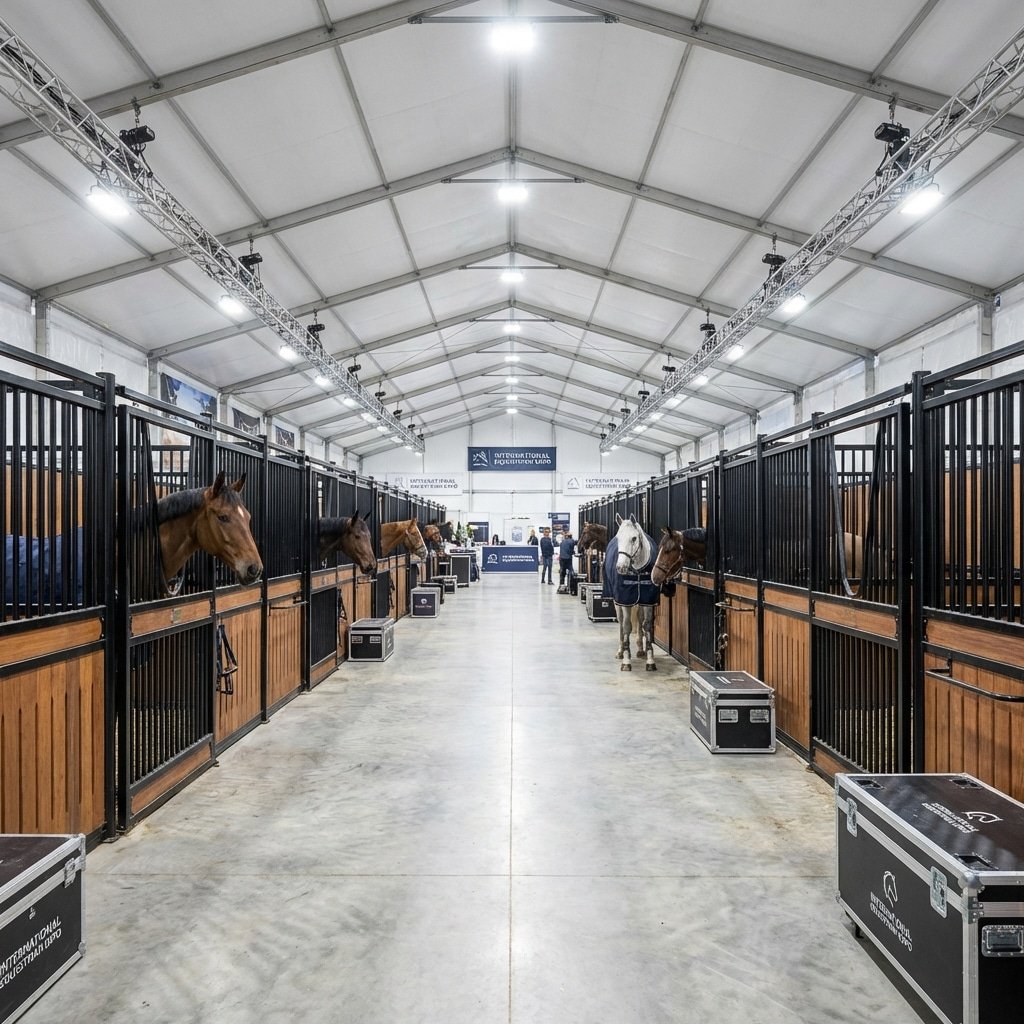
Event organizers depend on portable stables to accommodate horses at competitions, shows, and fairs without straining permanent facilities. Logistics improve when they serve as rapid-deployment shelters at transit hubs or quarantine zones. Property managers and owners of undeveloped sites use them to deliver professional stabling without upfront construction costs, scaling capacity only when required.

Assembly Process
Kits typically include pre-fabricated frames in welded steel or treated timber, wall panels, roofing sheets, and hardware. Begin on a stable, well-drained base—concrete slabs add durability where feasible—then secure base frames, install wall panels, mount roof sections, and fit doors. With 2–3 people, full setups finish in under a day; single modular stalls often take about 1 hour, enabling practical assembly even without construction expertise.
Key Considerations for B2B Buyers
Prepare the site to avoid structural problems by ensuring a level, dry surface and adding anchors or concrete for extra security. Standard builds use basic hand tools, though larger components may require extra labor. Modular layouts protect long-term value by allowing reconfiguration or expansion with stalls, tack rooms, or breezeways. Partner with suppliers that provide clear assembly documentation and responsive support to minimize downtime. Customizable features—such as stall dimensions, enhanced ventilation, rubber flooring, or mesh panels—help meet welfare standards and adapt to climate demands, aligning capital investments with evolving operational goals.
Safety Considerations
Mitigating risks in portable stables requires proactive decisions on materials, layout, installation, and upkeep to protect horse welfare and safeguard operations. The following directives outline proven design and maintenance measures that consistently strengthen safety in temporary housing environments.
Material Quality and Structural Stability
Specify galvanized steel or coated aluminum panels to resist corrosion and extend service life. Lesser metals fail quickly under heavy use, moisture, or outdoor storage, creating instability. Reinforce all sections with durable connectors, corner braces, and anchor systems—stakes for soft ground or weighted bases for hard surfaces—to prevent shifting or tipping during transport or in high winds.
Safe Design Features
Select panels with smooth edges and rounded corners to avoid injury to horses and handlers. Maintain bar spacing that eliminates leg entrapment, and fit gates with staff-friendly latches that remain secure against horse interference, ensuring containment without slowing workflows.
Installation, Flooring, and Layout
Align gates and panels precisely to prevent binding and handling delays that can startle animals. Install packed clay-sand, limestone dust, or rubber mats for stable footing and simplified cleaning. Match stall dimensions to animal size and temperament—larger stalls for broodmares or foals, compact units for smaller breeds—to support comfort and reduce injury risk.
Routine Inspection and Maintenance
Before each deployment, inspect panels and joints for loose bolts, rust, or fractures and address issues immediately. Protect electrical fixtures and alarms from contact, and secure feed and water buckets to prevent tipping or entanglement. Consistent checks reduce unexpected failures and operational downtime.
Weather Protection and Environmental Safety
Equip outdoor units with roof kits, tarps, or weather-resistant panels to shield animals from rain, wind, and excessive heat. Proper environmental safeguards enhance comfort, lower health risks from rapid climate changes, and preserve both livestock value and stable longevity.

FAQs About Portable Horse Stables
Horse owners preparing for events, relocations, or seasonal shelter often share a core set of concerns before committing to portable stabling solutions. Below are concise, experience-driven answers that address these issues from a buyer’s perspective.
What is the difference between a portable stall and a run-in shelter?
Portable stalls provide enclosed, secure space for one horse, ideal for shows, transport, or situations requiring supervision, controlled feeding, or quarantine. Run-in shelters are open-front designs offering weather protection while allowing unrestricted movement—best suited for pastures where horses roam freely. Select stalls for containment and management; choose run-ins when freedom of movement with shelter is the priority.
How easy are portable stables to set up and move?
Well-designed portable stables can be assembled quickly by a small crew without specialized tools. Lightweight yet durable materials such as hot-dip galvanized steel and HDPE panels make transport manageable, even for larger units. Modular components with prefabricated panels, pins, and connectors allow dismantling without damage. For efficiency, finalize your layout before delivery and confirm all components are clearly labeled to reduce setup time.
Are portable stables safe for long-term use?
High-grade units built with rust-resistant galvanized steel and UV-protected HDPE panels withstand years of outdoor exposure. Solid frames and secure fittings protect active horses during daily use. Long-term safety depends on proper installation and proactive maintenance—inspect fastenings, panel integrity, and anchors regularly to detect wear early and prevent structural failures.
What are the best options for horse shows or events?
For events, prioritize lightweight models with fast assembly and breakdown. Modular formats—single, double, or quadruple stalls—let you match capacity to actual need, avoiding overspend. Features like sliding or swing doors improve access during busy schedules, while weatherproof roofs maintain comfort. Before arrival, confirm transport vehicles can handle components and assign sufficient crew to meet tight setup windows.
How do portable stables hold up in wind or snow?
Heavy-duty galvanized steel frames and powder-coated roofing provide strong wind resistance, while UV-protected HDPE panels prevent sun damage. Reinforced joints maintain stability under moderate snow loads. In exposed locations, use ground stakes or ballast for extra security. In severe storms or heavy snow, add bracing or relocate units temporarily to mitigate risk.
Practical Insights for Choosing Portable Stables
Choose portable horse stables built with hot-dip galvanized steel frames and UV-protected HDPE panels to maximize service life and reduce maintenance. Opt for fast-assembly models so crews can set up within hours, minimizing downtime. Match stable size, layout, and safety features to horse needs and site conditions, ensure secure anchoring, and use smooth panels with correct bar spacing to prevent injuries. Favor modular, durable designs backed by strong supplier support to protect animal welfare and maintain operational resilience in varied environments.

 English
  Spanish
  French
  Arabic
  German
0 Comments