


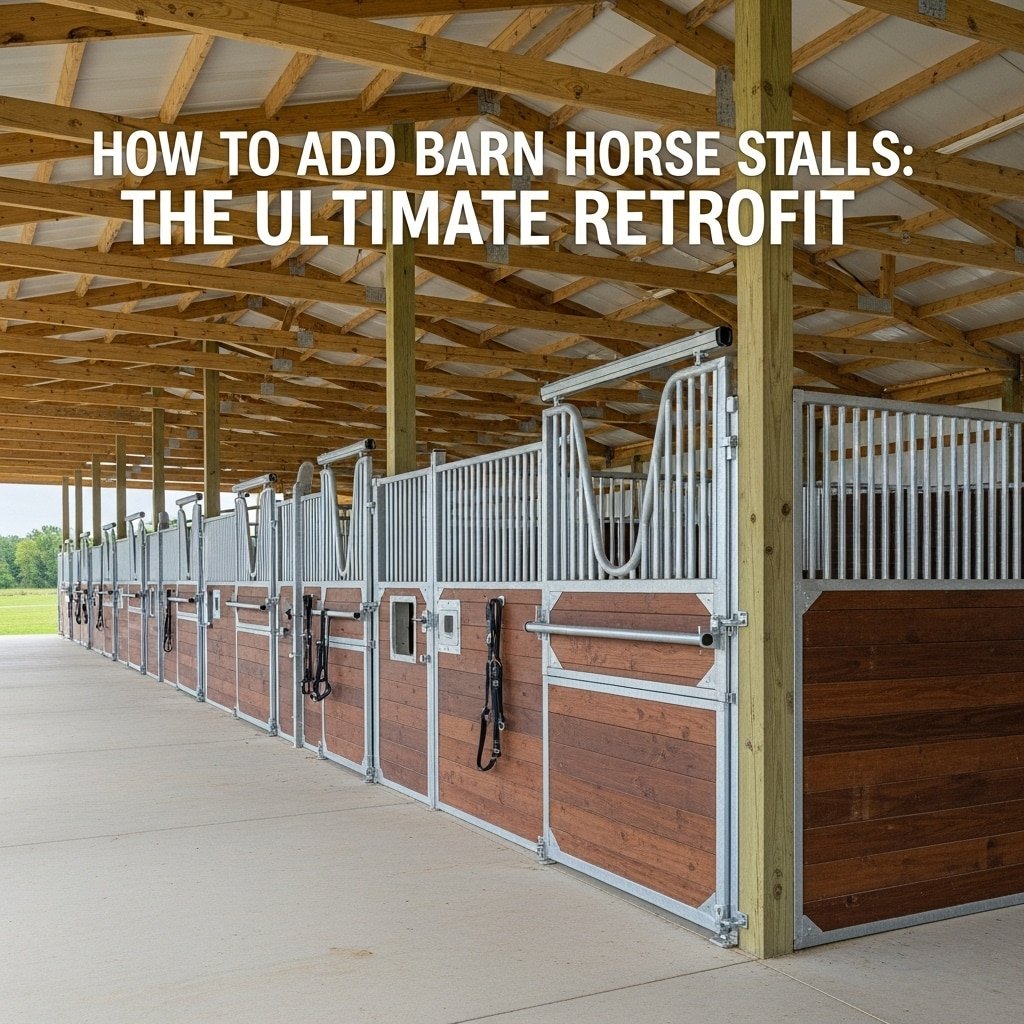
Adding pole barn horse stalls that fail prematurely creates expensive callbacks and damages a builder’s reputation. The primary failure point is often overlooked: stock hardware kits using zinc alloys that corrode and seize in high-humidity barn environments, destroying project profitability through warranty claims.
This analysis focuses on the engineering that defines a lasting retrofit. We benchmark stall systems against the BS EN ISO 1461 galvanizing standard and mandate the use of a complete 304 stainless steel hardware kit—a non-negotiable spec for ensuring structural integrity and long-term client satisfaction.

Can New Hardware Save an Old Stall Door?
Yes, new hardware can save an old stall door, but only if the core frame is sound. Upgrading to quality components restores function and extends its service life.
Assessing the Door’s Core Structure First
Replacing hardware only makes sense if the door’s frame is solid. Before you buy anything, check for significant rust, rot, or warping. If the underlying structure is compromised, new hardware is a wasted investment.
Many quality stable doors are designed with bolt-on hardware. This is intentional. The design anticipates that latches and hinges will wear out long before the steel frame does, making replacement a straightforward process.
Upgrading with 304 Stainless Steel Hardware Kits
When you replace worn components, use a complete hardware kit made from 304 Stainless Steel. This material offers superior resistance to the corrosion caused by constant exposure to barn moisture and ammonia.
A proper kit should include every necessary component for the job. Our hardware kits come with all bolts, connectors, and screws—all manufactured from 304 Stainless Steel—to ensure a correct fit and a lasting repair.
We also include a cold galvanizing touch-up spray. It’s useful for repairing any scratches on the main door frame that can happen during installation, protecting the area from future rust.
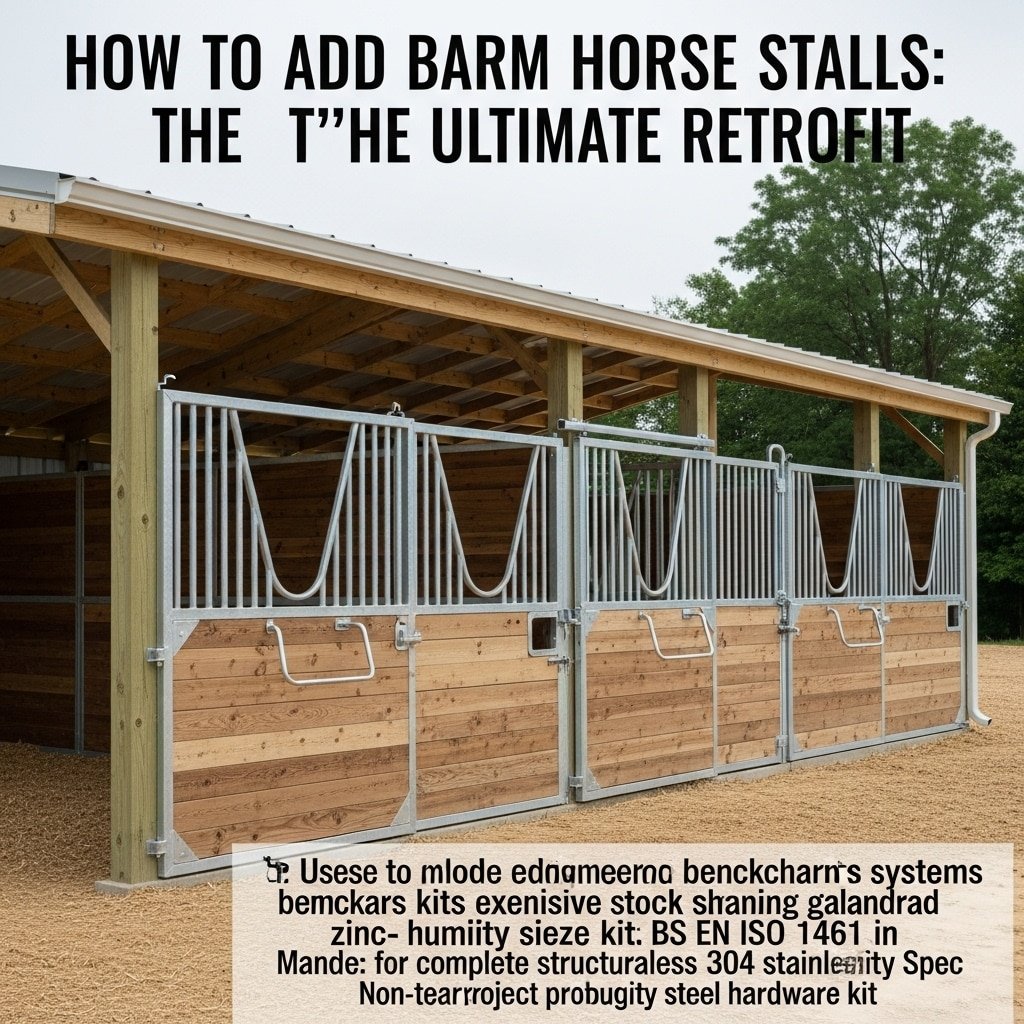
Best 10 Heavy-Duty Hardware Upgrades for 2026
Focus on materials and locking mechanisms. Upgrades to 304 stainless steel, self-locking latches, and quiet rollers deliver the highest long-term value, safety, and operational efficiency.
| Hardware Upgrade | Primary Benefit | Material Focus |
|---|---|---|
| 1. Automatic Locking Latches | Prevents accidental opening from animal nudging, enhancing safety. | Zinc-plated steel or 304 Stainless Steel. |
| 2. 304 Stainless Steel Hinges | Superior corrosion resistance and load capacity in humid environments. | 304 Stainless Steel (vs. weaker Zinc Alloy). |
| 3. Quiet-Operation Rollers | Reduces noise stress for animals and ensures smooth door travel. | Aluminum rollers with sealed bearings. |
| 4. Blanket Bars & Bridle Hooks | Maximizes vertical storage space and barn organization. | Powder-coated or Hot-Dip Galvanized Steel. |
| 5. Bottom Door Mesh Inserts | Improves airflow and ventilation for better animal health. | Welded steel grid, Hot-Dip Galvanized. |
| 6. V-Door Grill Sections | Allows for safe socialization and better visibility for horses. | Q235B structural steel bars. |
Material Choice Is Not a Small Detail
Switching from standard zinc alloy hinges to 304 stainless steel is a critical upgrade, not just an aesthetic choice. Stainless steel has a much higher tensile strength, meaning it resists bending or breaking under the repeated stress of a heavy door. More importantly, it resists corrosion. Zinc-plated hardware will eventually fail in a high-humidity barn environment. Our standard hardware kits include 304 stainless steel bolts, connectors, and screws because it eliminates a common failure point for our distributors’ clients.
Focus on Functional Improvements
Beyond raw strength, the best upgrades improve daily operations and animal welfare. Quiet rollers, for example, use aluminum bodies and sealed bearings to reduce the startling noise of a heavy door, which is a significant factor in professional training centers. Adding mesh at the bottom of a solid door isn’t just a design choice; it promotes the “Stack Effect Ventilation,” pulling cool, fresh air into the stall. These functional upgrades directly impact the health and temperament of the horses, making them a key selling point for high-end facilities.
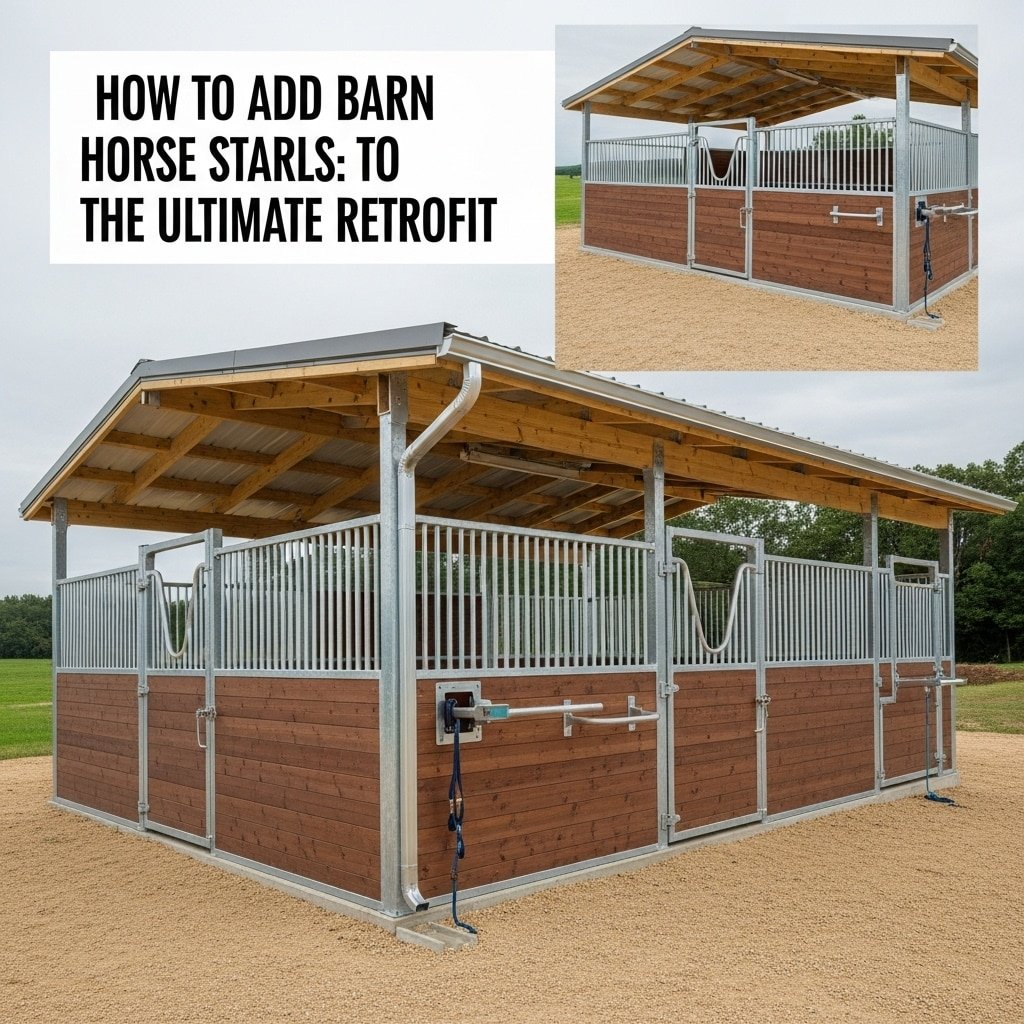
Globally Compliant Stables for Any Climate
Why Swap Zinc Hinges for 304 Stainless Steel?
In barns, 304 stainless steel hardware offers far greater strength and corrosion resistance than zinc alloy, making it a safer and more cost-effective long-term investment.
Corrosion and Strength Failures of Zinc Hardware in Barns
Zinc alloy hardware simply doesn’t hold up in agricultural settings. The constant high humidity common in pole barns causes it to corrode rapidly. It also possesses a low tensile strength (200–400 N/mm²), making it prone to deforming and failing under the repeated stress of heavy stable doors.
The Durability Advantage of a 304 Stainless Steel Hardware Kit
The difference with 304 stainless steel comes down to its chemistry. It forms a natural, protective chromium oxide layer that inherently resists corrosion, no extra coatings needed. With a significantly higher tensile strength of 520–750 N/mm², it easily handles heavy use without loosening over time. This is why every DB Stable system includes a complete hardware kit where all components are made from 304 stainless steel.

The “Finger-Touch” Track Roller Upgrade
A “finger-touch” track roller upgrade creates a smooth, silent, and reliable sliding door using a concealed track system and 304 stainless steel hardware to prevent jams.
Why Standard Barn Door Rollers Fail
Most stall door problems trace back to the roller and track assembly. Standard, exposed systems are fundamentally flawed for agricultural settings where dust, moisture, and debris are constants.
- Exposed tracks accumulate dust, hay, and bedding. This debris clogs the channel, causing rollers to grind, jam, and eventually fail.
- Standard steel hardware quickly rusts in humid barn environments. Corrosion leads to stiff or completely seized doors that become a daily frustration.
- Loud, scraping noises from poorly maintained rollers can startle horses, creating a stressful and potentially unsafe environment for both the animal and handler.
The DB Stable Hidden Track System Solution
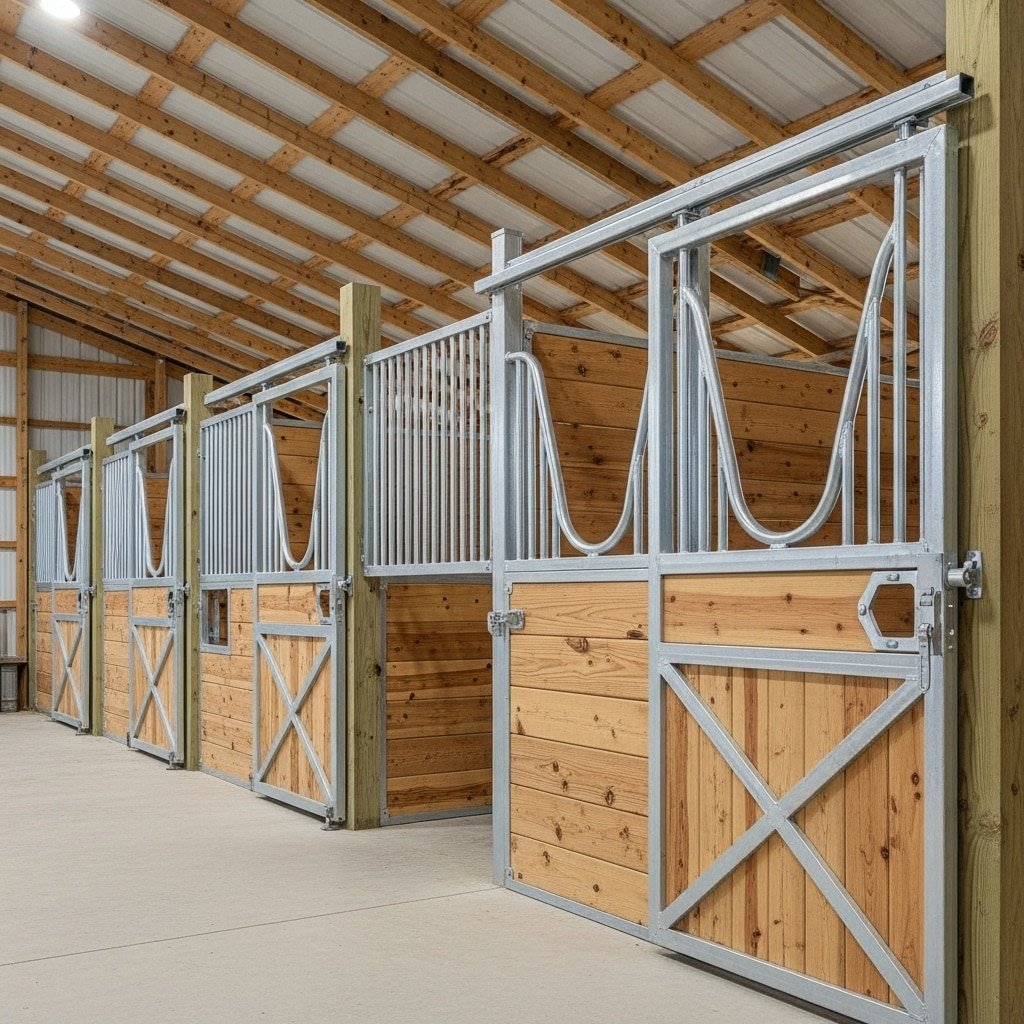
We engineered our system to permanently solve these issues. Our Professional Series stalls feature a ‘Hidden Track System’ as a standard component, which completely shields the rollers from contamination.
All included hardware, from the track connectors to the anchor bolts, is 304 Stainless Steel. This choice eliminates the possibility of the mechanism seizing from rust. The system is engineered for a quiet, effortless glide that supports a calm stable atmosphere and improves operational safety day after day.
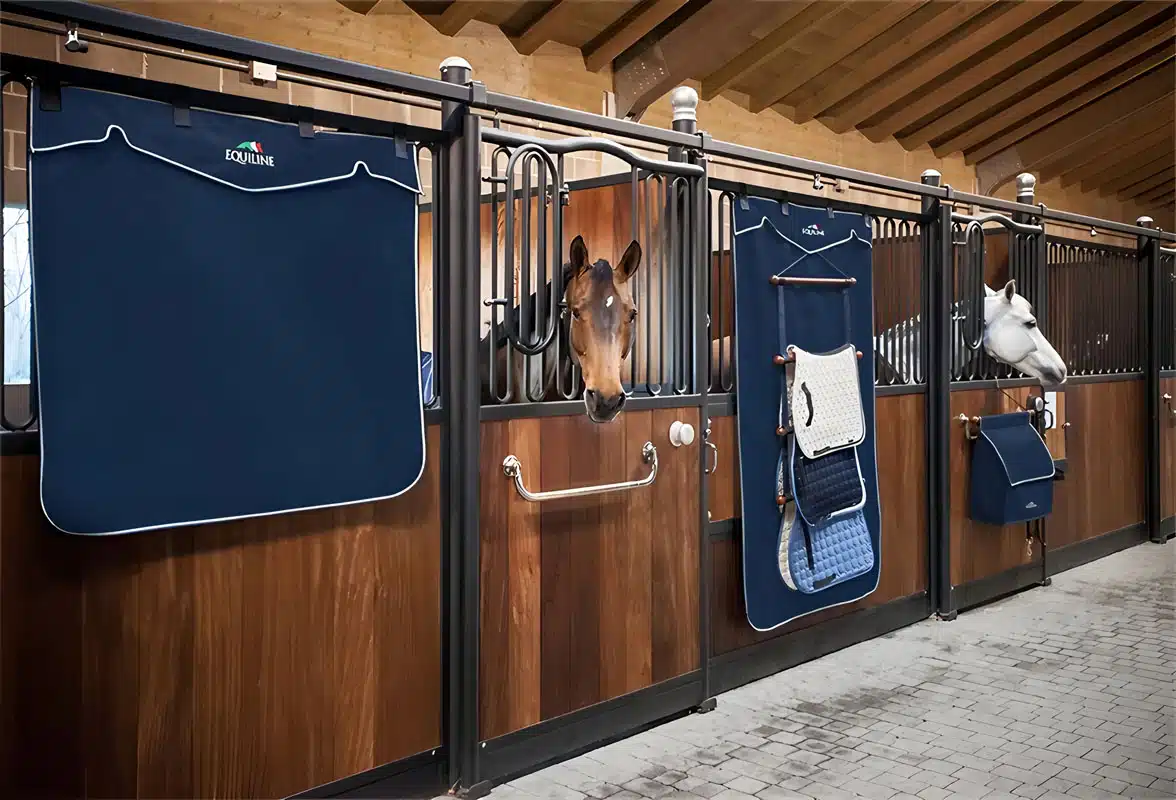
Adding Blanket Bars and Bridle Hooks: The Finishing Touch
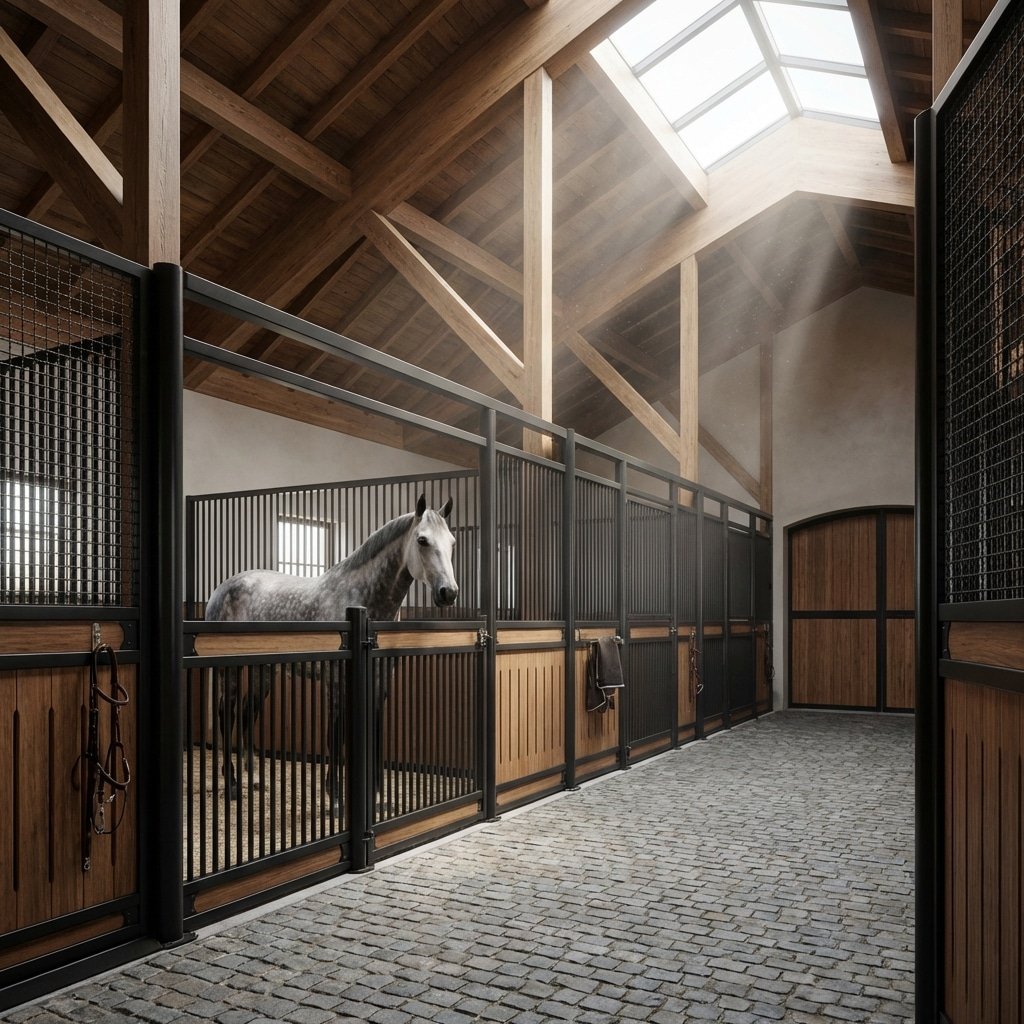
Blanket bars and bridle hooks are essential for function and appearance. They provide dedicated space to hang equipment, keeping the barn orderly and professional.
The Role of Functional Hardware
These aren’t just for looks. Blanket bars give you a dedicated spot to hang and air out wet or heavy blankets, getting them off the floor and preventing mildew. Bridle hooks keep tack organized and accessible, so reins don’t end up in a tangled mess. It’s all about maintaining a clean, functional, and professional stable environment.
Why Material Quality Matters for Accessories
The small details define the quality of a build. High-end bridle hooks are often made from solid brass with durable powder-coated finishes. But the most critical components are the fasteners. All mounting hardware—every screw, bolt, and connector—should be 304 Stainless Steel. Anything less will eventually rust, leaving ugly stains on your walls and compromising the installation’s integrity over time.
Frequently Asked Questions
Are horse stall latches universal?
No, horse stall latches are not one-size-fits-all. The correct latch depends on the door type, such as a swinging versus a sliding door, and the thickness of the door material. Each style requires a specific latch mechanism to function safely and correctly.
Are silent rollers available for stall doors?
Yes, silent rollers are available as a specialized option for stall doors. While standard metal rollers create noise, quieter versions are made from high-tech polymers like Delrin®. It is important to match the roller’s weight capacity to your specific door.
Can I weld components onto a stall system?
It depends on the type of stall system you have. Many are pre-fabricated kits designed to be bolted together, and welding could affect their structure. If you need to weld, ensure the work is done professionally with smooth finishes and proper rust protection to guarantee horse safety.
Are blanket bars a standard accessory for pole barn stalls?
Yes, blanket bars are a common and widely available accessory. They are typically made from powder-coated steel and can be mounted on stall fronts or in tack room areas to help keep blankets organized, dry, and off the floor.
What type of screws should be used for pole barn stalls?
Use self-drilling hex-head screws with a corrosion-resistant coating. For general construction, galvanized steel is a good choice. In areas with high moisture or ammonia exposure, such as wash bays or urine splash zones, stainless steel screws provide superior rust prevention.
Is the stainless steel hardware magnetic?
Not all stainless steel is magnetic. Austenitic grades, like the 304 stainless steel used for quality hardware, are generally non-magnetic. Other types, such as ferritic stainless steels, are magnetic. The alloy composition, particularly the nickel content, determines its magnetic properties.
Final Thoughts
While generic zinc hardware lowers initial cost, our standard-issue 304 Stainless Steel kits are the only way to protect your reputation from rust claims and hardware failures. This engineering focus eliminates costly client callbacks. Quality components are what secure your long-term profit margins.
Don’t guess on the material grade—verify it. We supply sample hardware kits for distributors to test our finish and tolerances firsthand. Contact our team to configure a trial order for your next project.

 English
  Spanish
  French
  Arabic
  German
0 Comments