


Why Stable Planning Is Important
Stable facilities are long-term investments, and poor planning can increase operating costs, jeopardize horse health, and limit future options. For owners and managers, an efficient, well-structured layout directly impacts daily workloads, safety, and adaptability to changing needs. This section outlines key priorities shaped by proven industry practices, ensuring designs support both operational goals and long-term value.
Enhancing Operational Efficiency
Layout must align with the natural workflow of the stable. Stall dimensions should meet equine standards while allowing handlers safe clearance. Aisles need to accommodate both horses and equipment, and feed and tack rooms should be positioned for immediate access during routine care and emergencies. Centralizing storage for feed, bedding, and tools limits unnecessary movement, enabling mucking out, feeding, and grooming to flow in sequence without interruption. These measures cut wasted steps, maintain care schedules, and are vital for operations managing high horse volumes.
Supporting Horse Welfare and Safety
Design choices must proactively remove hazards. Use non-slip surfaces, eliminate sharp edges, avoid obstructed sightlines, and provide adequate lighting with clearly marked exits. Stalls should offer sufficient space, ventilation, and clean, dry footing to strengthen immune systems and reduce stress-related issues. Secure environments lower incident risks for handlers and improve day-to-day interactions.
Planning for Future Growth and Sustainability
Allow room for expansion—additional stalls, wider aisles, or larger paddocks—to avoid costly retrofits. Plan utility routes with future layouts in mind to minimise infrastructure changes. Choose durable materials and energy-efficient designs to reduce maintenance frequency. Implement practices like rainwater harvesting to cut utility costs and support environmental responsibility.
Consulting Experts to Avoid Costly Mistakes
Engage equine architects and experienced stable managers early to align design with operational realities and compliance standards. Their expertise prevents issues such as undersized stalls or inadequate ventilation that require expensive corrective work. Early specialist involvement often eliminates multiple rounds of redesign and structural changes.
Elements of a Good Stable Plan
When developing a stable plan, prioritise stall configuration, flooring systems, and service area placement to keep routines efficient and ensure horse safety. These choices directly affect build cost, maintenance, and long‑term animal health. Select layouts and materials suited to your climate, workload, and herd size to maximise return on investment.
Stall Layout and Design
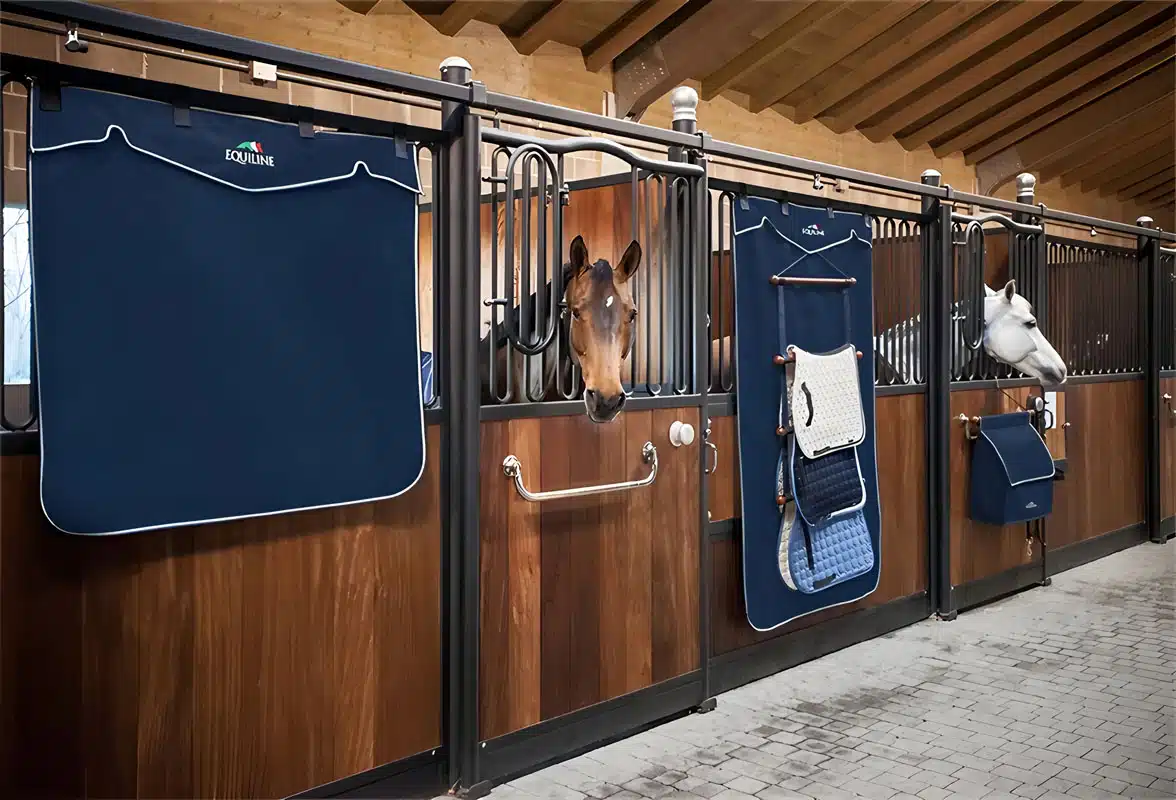
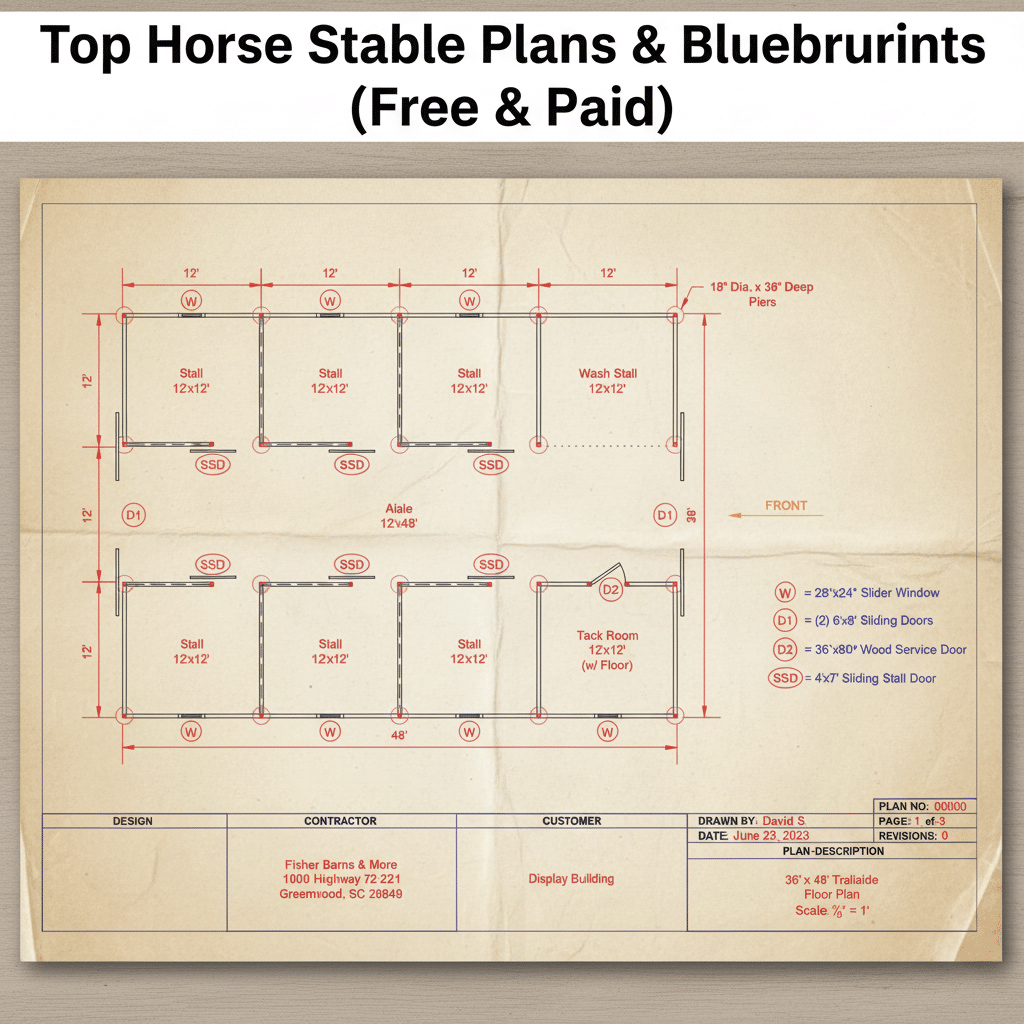
Match barn style to operational priorities. Center aisle barns protect horses and equipment from severe weather; maintain at least 12 ft aisle width for safe passage—or 14‑16 ft in high‑traffic yards. Shed row barns cut construction costs and support airflow and sunlight for respiratory health but sacrifice weather protection and interior amenities. Standard stalls are 12 × 12 ft; large breeds require 14 × 14 ft. Partitions should be at least 8 ft high to prevent contact between horses, with doors at least 7 ft tall and 42‑45 in wide for easy access. Dutch doors and windows of at least 4 sq ft improve ventilation and light without excessive drafts.
Flooring and Drainage
Use stall floors that balance durability, shock absorption, slip resistance, and drainage to protect joints and control ammonia build‑up. A proven method is a layered base of compacted aggregate, Lighthoof panels, and heavy rubber mats—providing cushioning and easy cleaning. Set the floor several inches above surrounding grade so water flows away, reducing moisture problems, mould prevention work, and costly retrofits later.
Service Areas and Workflow Planning
Locate hay and feed storage near main entries to shorten feeding rounds. Place tack rooms, grooming bays, and wash stalls centrally to reduce travel and improve oversight. Wash stalls should have reinforced concrete floors with proper drainage, both hot and cold water, and frost‑free fixtures to maintain year‑round usability and avoid workflow bottlenecks during peak periods.
Popular Stable Plan Layouts
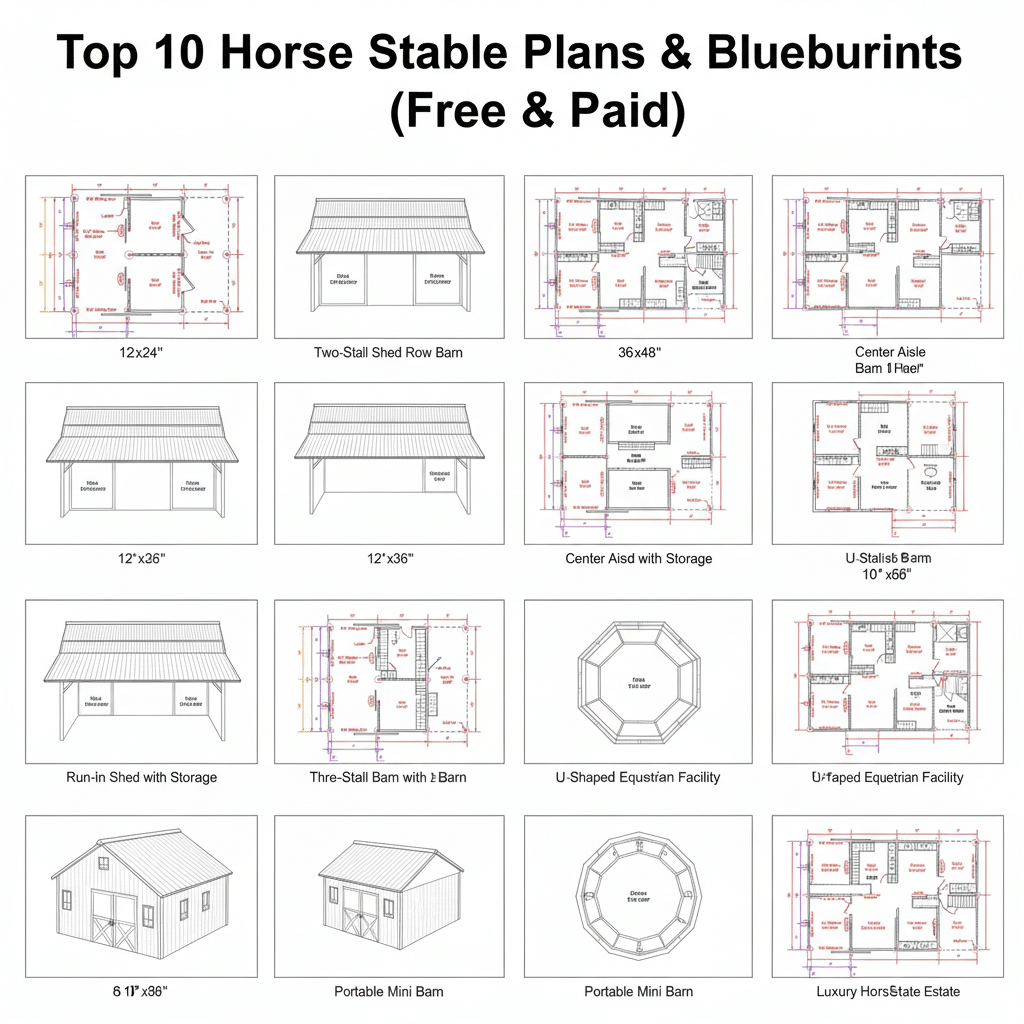
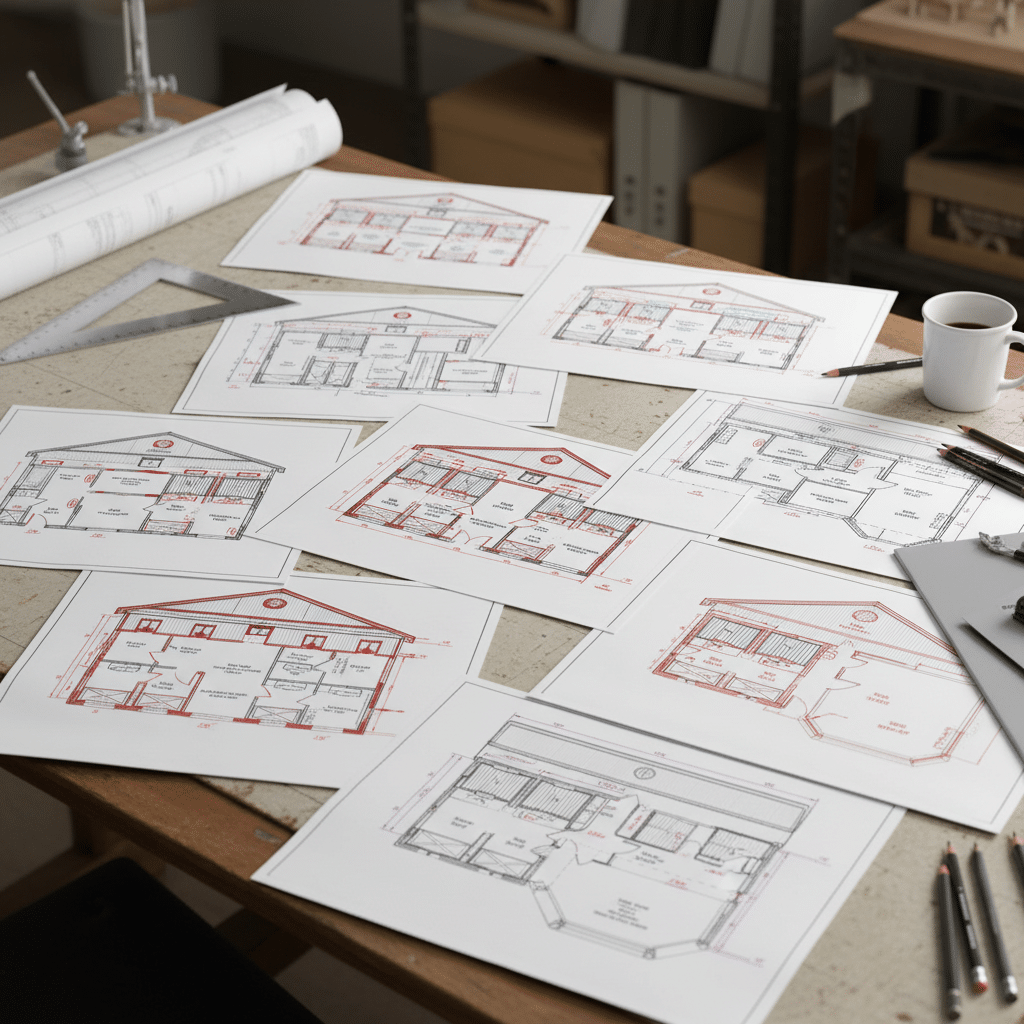
Selecting the right stable layout directly influences workflow efficiency, horse safety, and long-term operating costs. Buyers working with contractors or developing on their own land should match the design to operational scale, climate, and available space. Review property constraints, daily routines, and capacity requirements before committing to a plan, as each layout offers distinct advantages for specific facility types.
Center Aisle Barn
Featuring a wide central corridor with stalls on both sides, this layout ensures fast, direct access and a sheltered workspace. It suits larger facilities requiring year-round protection from wind and rain. The organized structure streamlines feeding, mucking out, and grooming, minimizing cross-traffic while keeping horses and staff dry and productive.
Shed Row Barn (Straight and L-Shaped)
Shed row barns offer lower build costs and straightforward construction, ideal for smaller properties or budget-sensitive projects. Straight configurations align stalls along one wall to reduce complexity, while L-shaped versions add a wing for tack or feed storage, optimizing irregular plots. This delivers essential functionality with a more economical upfront investment and manageable maintenance demands.
U-Shaped Barn
Encircling a central courtyard, the U-shaped design creates an enclosed zone protected from wind, with abundant airflow and daylight. It supports clear sightlines and reduces disease transmission, critical for operations housing high-value horses. This layout is best for facilities prioritizing containment, visibility, and consistent ventilation.
T-Shaped Barn
Combining a main aisle with a perpendicular wing, T-shaped barns separate grooming, washing, or storage zones from general traffic. This arrangement optimizes space usage and keeps workflows distinct, preventing congestion while maintaining orderly daily operations.
Two-Story Barn
Two-story barns maximize capacity on limited land, with ground-floor stalls and upper-level storage or lofts. On sloped sites, they reduce grading costs and preserve usable ground space. Effective execution requires robust ventilation, structural reinforcement, and safe horse movement paths, enabling expansion without compromising care standards.
Key Design Considerations Across Layouts
Aisle widths of 12–16 feet enhance safety and allow machinery access. Position feed and tack rooms to minimize staff travel and avoid active zones. Strong ventilation and daylight reduce respiratory issues and improve interior conditions. Flooring must provide traction and be easy to clean to lower injury risk and maintenance time. Align the chosen layout with operational size, land shape, and climate to ensure durability without expensive retrofits.
Durable Horse Stables Built for Every Climate
DB Stable delivers customizable, weather-resistant horse stables and equipment designed to meet international standards. Experience reliable protection and comfort for your horses, wherever you are in the world.
Customizing Your Plans
When planning a new horse stable, treat customization as a strategic investment that shapes efficiency, durability, and adaptability. Align layout, features, and materials with your handling routines, climate, and growth goals. Approach the project as a scalable framework to avoid costly delays later.
Barn Layout and Workflow Efficiency
Select a layout—center aisle, shed row, or modular—based on how horses and staff move through the space. Center aisles centralize access, streamlining feeding and cleaning. Shed row barns maximize ventilation and direct outdoor access. Modular designs enable phased expansions with minimal disruption. Account for prevailing wind and sun to shield stalls, reducing maintenance demands.
Interior Configuration and Functional Spaces
Choose stall doors that match your safety and workflow needs—sliding for space conservation or hinged for traditional handling. Position tack rooms, wash bays, and feed storage to minimize staff travel. Design flexible spaces that can serve grooming, medical, or storage functions. Integrate utilities and drainage upfront to avoid retrofits.
Exterior Customizations for Durability and Aesthetics
In extreme climates, add overhangs, reinforced brackets, and cupolas to protect structure and enhance ventilation. These measures extend building life and cut storm damage risk. Align architectural details and colors with your brand, reinforcing a professional image for clients.
Leveraging Modern Design Tools for Planning
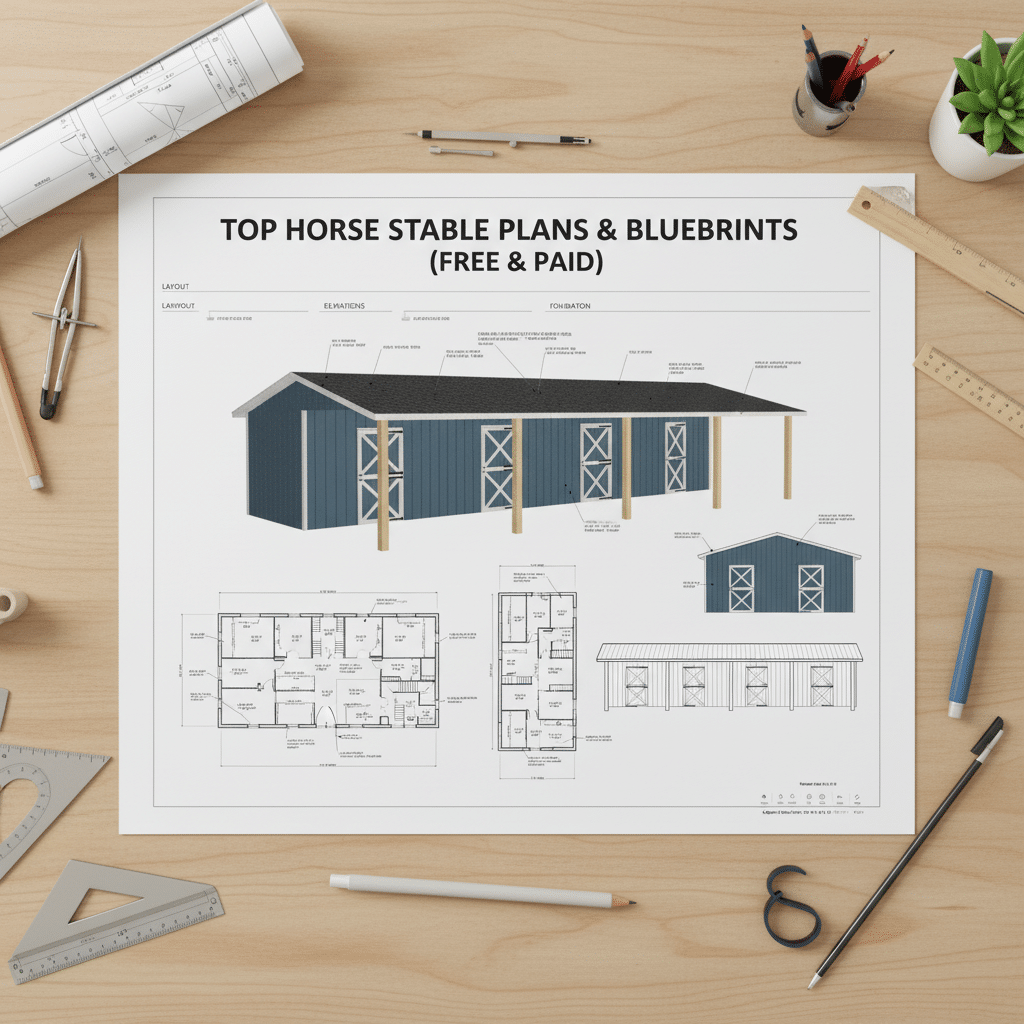
Use 3D barn design software to model exterior and interior elements before construction. Visualize layouts, adjust placements, and test conversions virtually to refine budgets and timelines. Share finalized models with suppliers to confirm measurements and compatibility prior to ordering.
Planning for Future Growth and Expansion
Integrate modular sections or extra stalls in the initial build to enable expansion without demolition. Provide ample loft and storage with secure access to keep feed and equipment organized. Design load-bearing walls and utility hubs to simplify future additions.
Material Choices and Brand Identity
Match materials to climate and usage demands—hot-dip galvanized steel for humid areas or UV-protected HDPE panels for high-sun environments. Durable choices lower repair costs and total ownership expenses. Select colors and finishes that reinforce your brand identity across facilities, signage, and uniforms.
Planning for Future Growth
Future-proofing an equine facility means designing stables that meet current demand while allowing for seamless expansion. Approach it like a major capital investment: pinpoint operational choke points, anticipate scaling requirements, and choose infrastructure that minimizes long-term risk. Early decisions will lock in both cost efficiency and horse welfare for years ahead.
Assessing Current Operations and Identifying Bottlenecks
Start with hard metrics—stall occupancy rates, client turnover, and profit margins—to determine realistic growth capacity. Observe peak activity to identify issues like blocked aisles or insufficient grooming stations. Address these constraints before building additional capacity to avoid replicating inefficiencies at scale.
Designing for Scalability and Flexibility
Incorporate extra stalls and adaptable spaces that can be repurposed—storage, foaling, or other uses—without major reconstruction. Maintain aisle widths of 12 feet for private operations and 14–16 feet for commercial traffic to ensure safe movement. Factor in additional wash bays, tack rooms, and arena space during initial planning to prevent resource strain as capacity increases.
Site Selection and Expansion Considerations
Choose land that supports future buildings and paddocks while protecting exercise areas. Allocate 1–2 acres of turnout space per horse to preserve health and avoid overgrazing. Design manure and utility systems for scalable capacity, as retrofits to water or waste systems on a developed site are costly and disruptive.
Financial and Contractor Planning
Develop a business plan forecasting added revenue and accounting for potential income dips during construction to secure financing and manage expectations. Engage contractors with proven equestrian expertise to avoid design errors, and communicate clearly with boarders about schedule changes or temporary service reductions.
Compliance, Efficiency, and Horse Welfare
Ensure new designs comply with local codes for water, ventilation, lighting, and flooring. Position feed and tack rooms to minimize handler travel and fatigue. Install ventilation and lighting systems with scalable capacity—proper airflow and illumination are critical to maintaining horse welfare as facilities grow.
FAQs About Stable Plans
Below are targeted answers to questions frequently raised by DIY stable builders and contractors. Each addresses key decision points so you can assess feasibility, control costs, and mitigate risks before committing to a particular set of horse stable plans.
Where can I find free horse stable plans online?
Reliable free plans often come from agricultural extension services, equine industry associations, and experienced builders in DIY construction forums. Some architectural platforms share basic layouts suited for small projects or first-time builds. Verify all specifications against local building codes before purchasing materials to prevent redesigns and costly delays once construction is underway.
What should be included in a good set of stable blueprints?
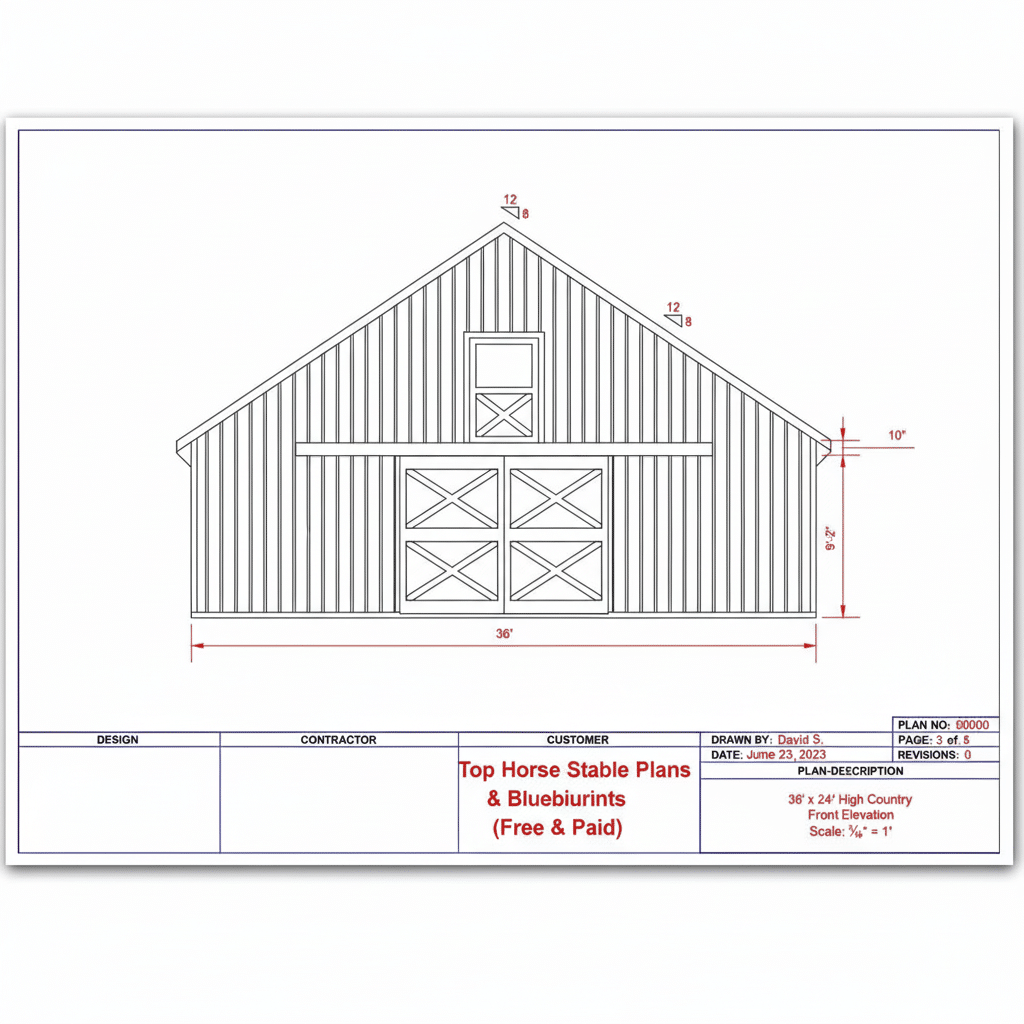
Comprehensive blueprints should detail foundation layouts, framing dimensions, roofing specifications, and exact positions and sizes for doors, windows, and stalls. Include a complete materials list and hardware schedule to budget accurately and avoid missing components. Plans that incorporate ventilation, drainage, and safety measures will sustain long-term performance, protecting both your horses’ health and your investment.
Can I modify a stock stable plan?
Modifications are common to suit site, climate, or breed-specific needs. Altering stall dimensions or adding weatherproofing are typical adjustments. Every change must maintain structural integrity and meet local regulations. For anything beyond minor updates, engage a designer or engineer with equine facility expertise to ensure compliance and avoid costly rework or safety risks.
Do these plans meet local building code requirements?
Most standardized plans require adjustments to comply with specific setbacks, fire safety rules, and approved materials lists. Some suppliers offer regionally certified versions, but securing local approval is typically your responsibility. Consult your permitting authority before ordering materials so you can make necessary adaptations without halting work mid-project.
How much do professional horse stable plans typically cost?
Professional plans generally range from a few hundred dollars to several thousand, depending on size, complexity, and customization level. Higher-priced options often include engineering reviews, compliance documentation, and construction-phase support, which can save time and reduce liability. Align your budget with durability and regulatory requirements to secure a plan that delivers enduring value.
Strategic Takeaways for Your Stable Build
A well-structured horse stable plan should integrate operational efficiency, horse welfare, and capacity for growth from day one. Match stall sizes, aisle widths, and service area placement to daily workflows to reduce wasted movement and safety hazards, and choose flooring and ventilation systems suited to your climate to maintain clean, dry, and comfortable interiors for both horses and handlers.
Plan for expansion and use durable materials to avoid costly retrofits, and leverage expert input to refine layouts, ensure compliance, and keep construction on schedule. Extra time invested in design prevents years of maintenance problems and safeguards the stable’s long-term value.



 English
  Español
  Français
  العربية
  Deutsch
0 Comments