


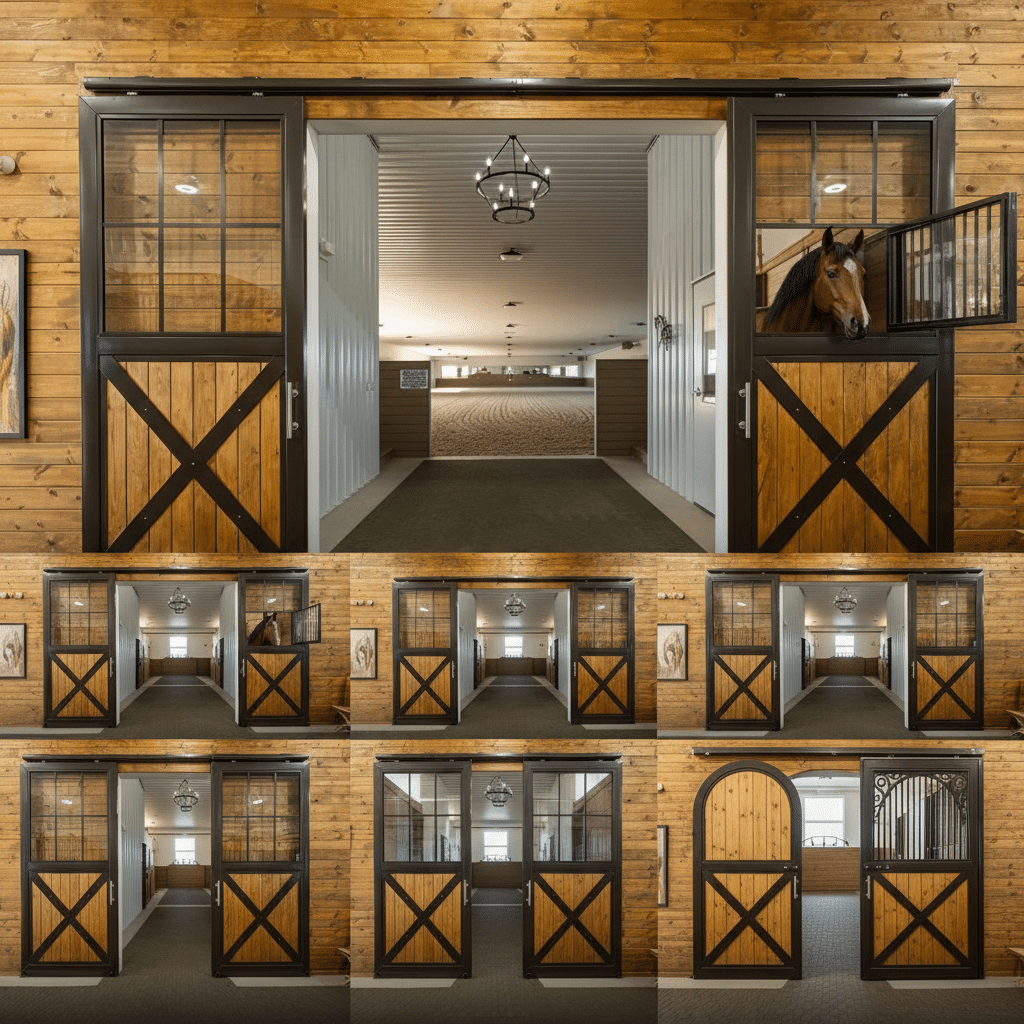
Stable owners and builders recognize that selecting the right horse stable door directly affects daily efficiency, horse safety, and long-term maintenance costs. This guide covers 10 proven designs—from space-saving sliding options to versatile Dutch doors—along with insights on high-performance materials such as steel, wood, aluminum, and HDPE. It also provides actionable advice on safety features, installation, and upkeep to keep doors secure, functional, and aligned with your facility’s workflow.
Varieties of Stable Doors
Selecting the right stable door directly affects workflow efficiency, horse safety, and asset longevity. In professional equine operations, doors must integrate with building layout, climate demands, horse behavior, and throughput targets. Based on years of outfitting high-traffic barns, here’s how each type delivers specific operational advantages.
Sliding Stall Doors
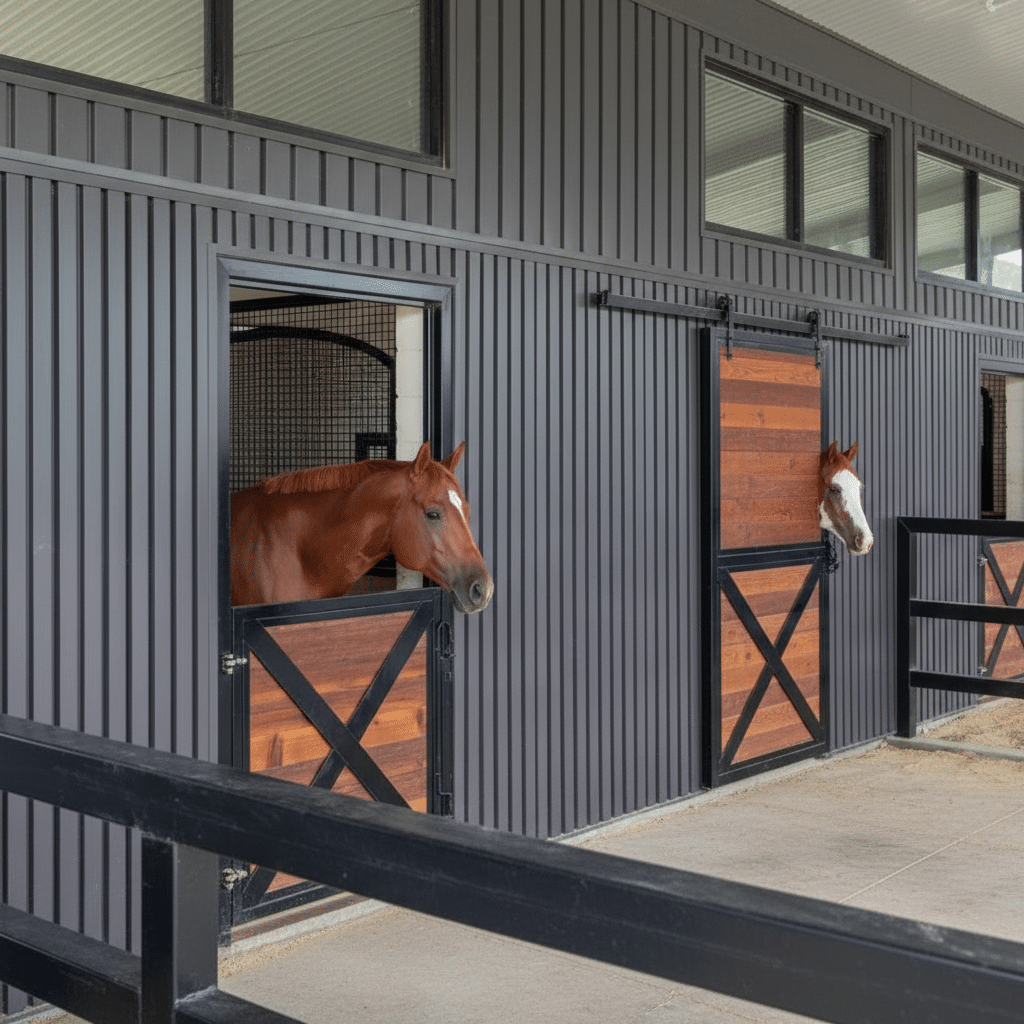
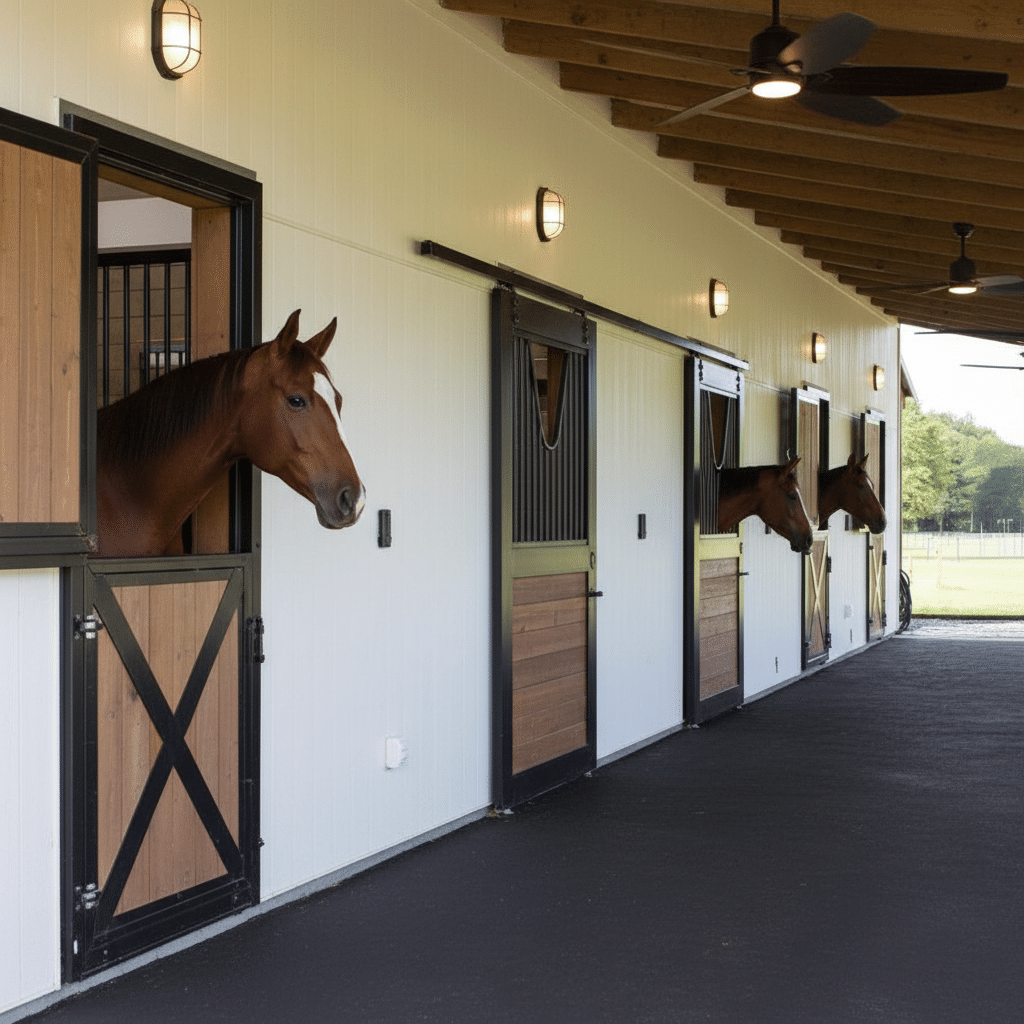
Sliding stall doors run along a horizontal track to save aisle space — ideal for compact or high-traffic barns. They stay clear of equipment and handlers, lowering accident risk. Common builds combine wood bottoms with metal grills or mesh tops for balanced protection, airflow, and visibility; full-view panels enhance monitoring, vented styles boost airflow in hot climates, and all-metal variants in steel or aluminum maximize durability with low upkeep. All-wood versions suit traditional aesthetics but need a maintenance plan to counter moisture and impact wear.

Hinged Stall Doors
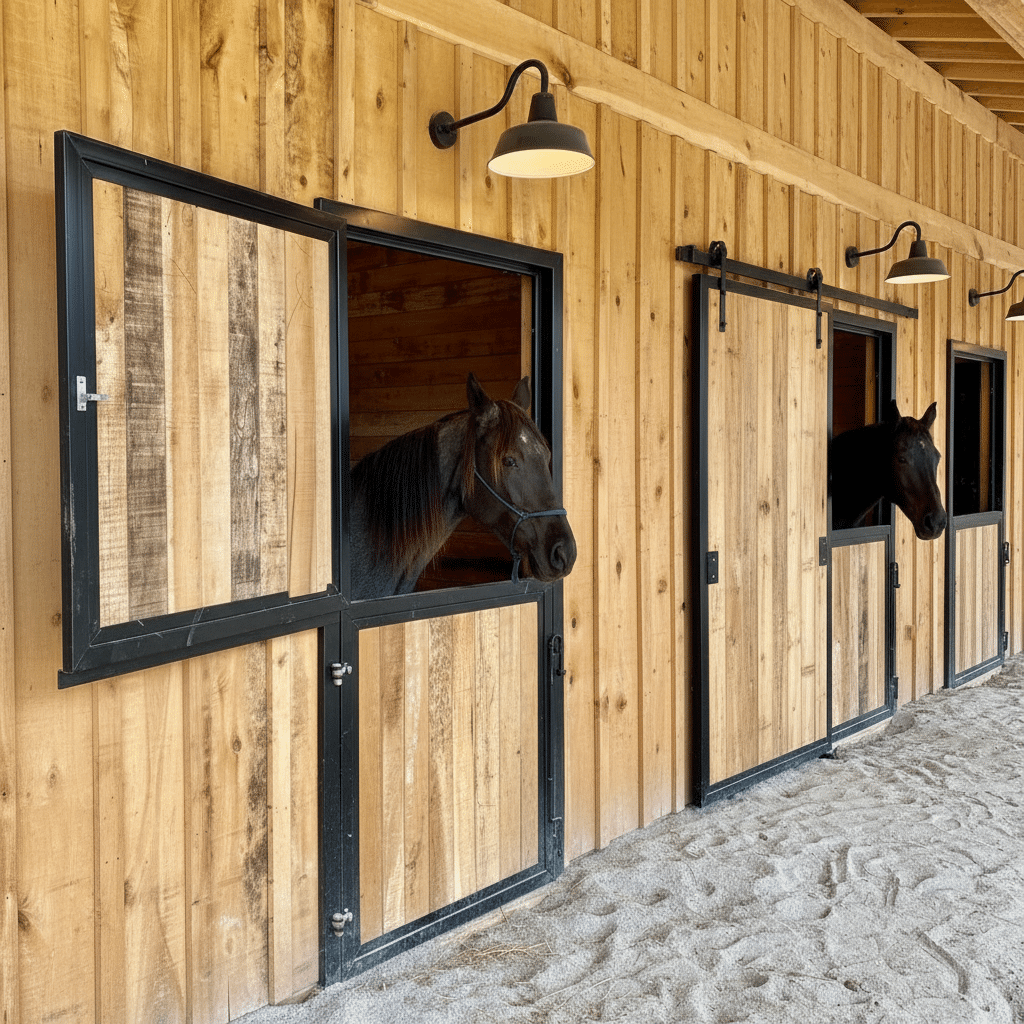
Hinged doors, in swing or Dutch styles, give wide, unobstructed entries for easier horse movement. Dutch models split into upper and lower halves, allowing ventilation and social interaction while maintaining containment. They excel for exterior stall access but require behavior checks — some horses may lean, chew, or attempt escapes. Standard swing doors work in spacious aisles; in tight runs, they risk bottlenecks or collisions with machinery and horses.
Customization and Safety Features
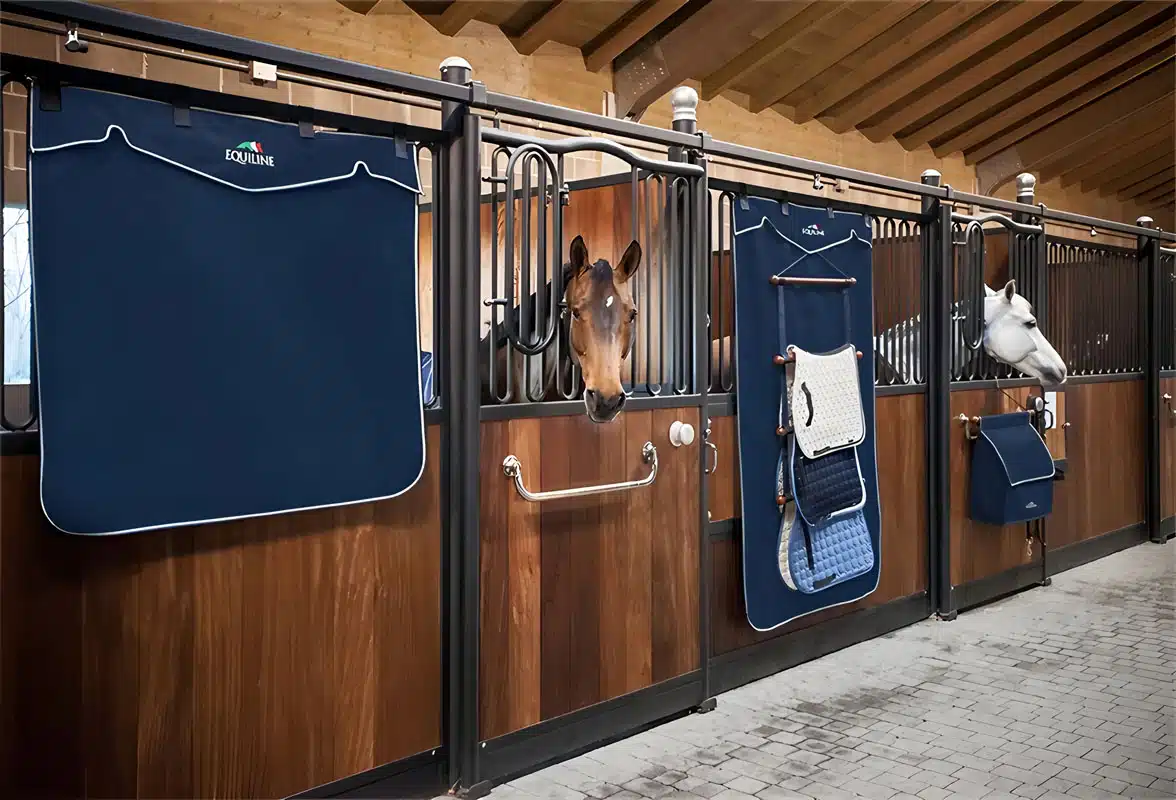
Yoke or mesh inserts can increase ventilation and interaction but require weighing against risks like biting or kicking through openings. Durable builds with thick timber, powder-coated or galvanized steel hardware, and reinforced frames withstand active barn demands. Hardware should include non-self-opening latches, anti-escape measures, and safety stops to prevent injury. Specifying these elements in contracts helps reduce liability and maintenance downtime.
Selection Considerations for B2B Buyers
Match door style to climate: vented or mesh for hot regions, solid or insulated for cold weather. Avoid exposed openings if horses are prone to chewing or testing boundaries. Sliding doors save seconds at every entry and exit, delivering measurable efficiency gains in large facilities. Finally, align colors, finishes, and materials with your brand to strengthen client impressions and maintain visual consistency across the property.
Design, Safety & Security Features
Stable door specifications directly impact horse welfare, handler safety, and facility efficiency. Selecting the right mix of door type, materials, and security features early prevents costly retrofits, reduces accident risk, improves ventilation, and extends service life. In high-demand equine settings, these upfront decisions keep operations smooth and assets protected.
Types of Stable Doors and Their Safety Implications
Sliding doors are ideal for busy aisles with limited space. Eliminating a swing path prevents collisions and hoof strikes, especially in narrow corridors. Premium models run on smooth tracks with reinforced frames, resisting daily impacts without unlocking — critical for high-traffic areas where reliability safeguards both horses and staff. Hinged designs such as Dutch doors suit spaces where ventilation and access are priorities. The upper section can open for air and light while keeping horses secure, but they need adequate clearance to prevent hazards in tight aisles.
Material Selection for Durability and Safety
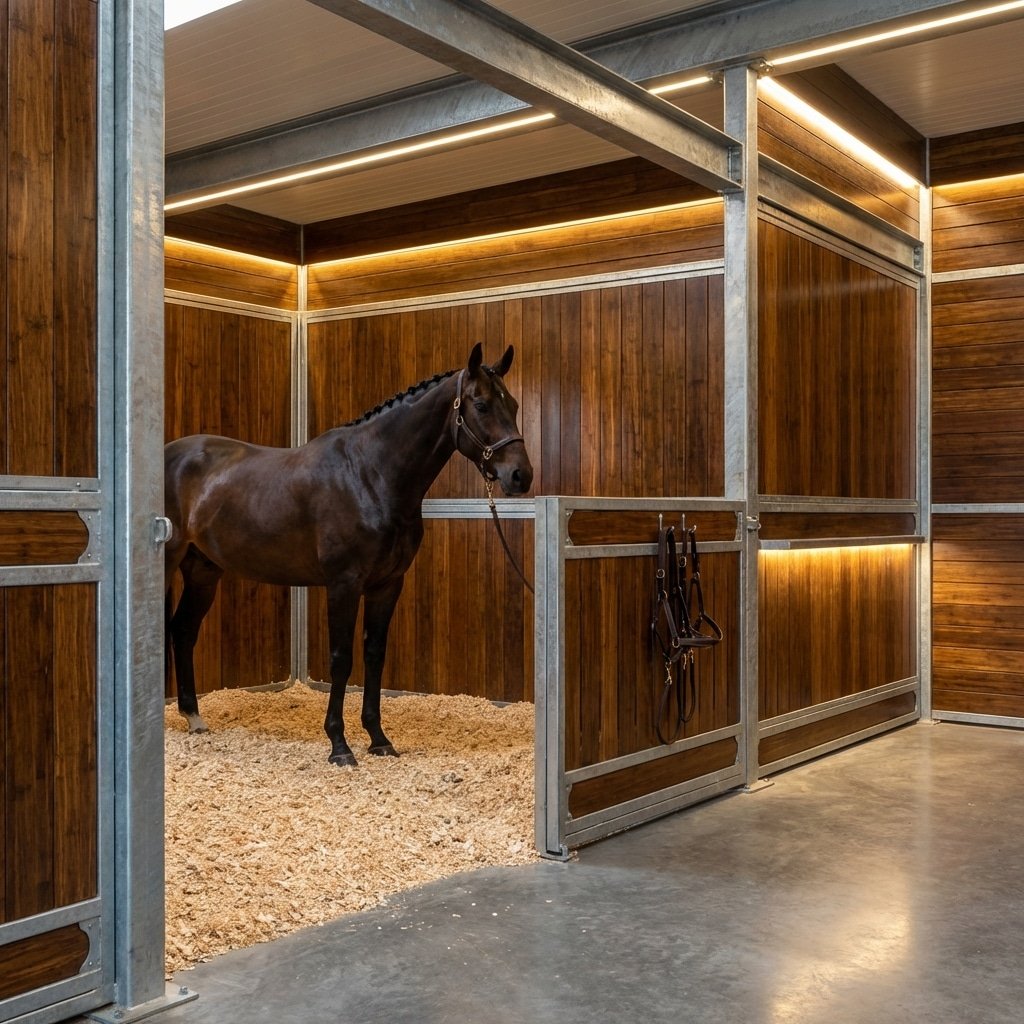
For extended service life, choose heavy-duty steel frames with hot-dip galvanization or powder coating to protect against rust and environmental wear, reducing replacement cycles. Properly maintained galvanized steel often lasts beyond a decade. Panel infills must have smooth edges to avoid cuts and abrasions, with high-grade wood or fire-resistant PVC providing safe, easy-to-clean surfaces. Latches should be placed above a horse’s reach to prevent escapes and door damage.
Impact Protection and Ground Clearance
Doors must absorb repeated knocks from horses or equipment. Reinforced frames and internal liners disperse impacts, preventing structural deformation. Skipping these measures accelerates repair cycles. Maintain ground clearance under 3 inches to avoid hoof entrapment, retain bedding, and deter pests — a straightforward safeguard against preventable injuries.
Ventilation and Visibility Features
Ventilation supports respiratory health, so incorporate open-grille or mesh panels in the upper section to maintain airflow without compromising containment — essential in warm climates or enclosed barns. Visibility features such as full-view or grated sections let handlers check a horse’s condition without opening the door, reducing disturbance and streamlining inspections.
Security Features in Stable Doors
Robust locking systems and guided tracks ensure doors stay secure even under pressure, preventing accidental openings. In large facilities, this control reduces injury risk and unauthorized movement. Specify materials with verified strength certifications to meet compliance and performance standards. Modular door construction allows rapid replacement or relocation with minimal operational disruption, supporting future layout changes.
Choosing the Right Door Material
Selecting the right material for a horse stable door directly affects safety, ease of operation, and long-term maintenance. Stable owners and builders must balance durability with handling comfort while safeguarding horses in varied conditions.
Wood Doors
Wood offers a traditional aesthetic and natural insulation, helping regulate barn temperatures year-round. It is highly customizable, aligning with specific design and branding requirements, and renewable, supporting environmentally responsible sourcing. However, it requires ongoing treatment to prevent warping, rot, and insect damage, with coatings or preservatives factored into annual maintenance budgets. Its weight can complicate use, demanding quality hardware. While upfront costs may be lower than steel or HDPE, lifetime upkeep often erodes that advantage.
Steel Doors
Steel provides exceptional strength, security, and fire resistance, making it ideal for high-traffic facilities where risk mitigation matters. When powder-coated or hot-dip galvanized, maintenance stays minimal, with galvanization delivering over a decade of protection in challenging climates. If coatings fail in humid environments, corrosion risk rises. Steel’s thermal conductivity can hinder climate control unless insulated, and its weight requires robust hinges and latches to maintain smooth operation.
Aluminum Doors
Aluminum is lightweight, rustproof, and simple to maneuver, offering low maintenance and excellent performance in coastal or humid regions. It is less strong than steel, and dents from heavy use or impacts can impair appearance and fit. For high-energy or large horses, reinforce stress points or pair aluminum with a durable frame to extend service life.
HDPE and Synthetic Doors
High-Density Polyethylene and similar synthetics resist moisture, rot, and impact, while being non-porous, hygienic, and easy to clean — critical for facilities with audited hygiene standards. Many products incorporate recycled content to meet sustainability goals. Their smooth finish eliminates splinter risks and improves safety. Although initial costs are higher, minimal upkeep and long service life deliver strong total value, with UV-resistant panels holding shape and color for years under basic cleaning routines.
Key Considerations for Selecting Door Materials
Prioritize splinter-free edges, strong structural integrity, and safe surfaces for horses and handlers. Evaluate durability against projected maintenance, as frequent repairs divert operational resources. Compare purchase price with longevity and upkeep, factoring aesthetics and customization if brand image is part of client engagement. Finally, consider renewable or recycled materials to meet green building objectives or comply with environmental certifications.
Durable, Custom Horse Stables Built for Any Climate
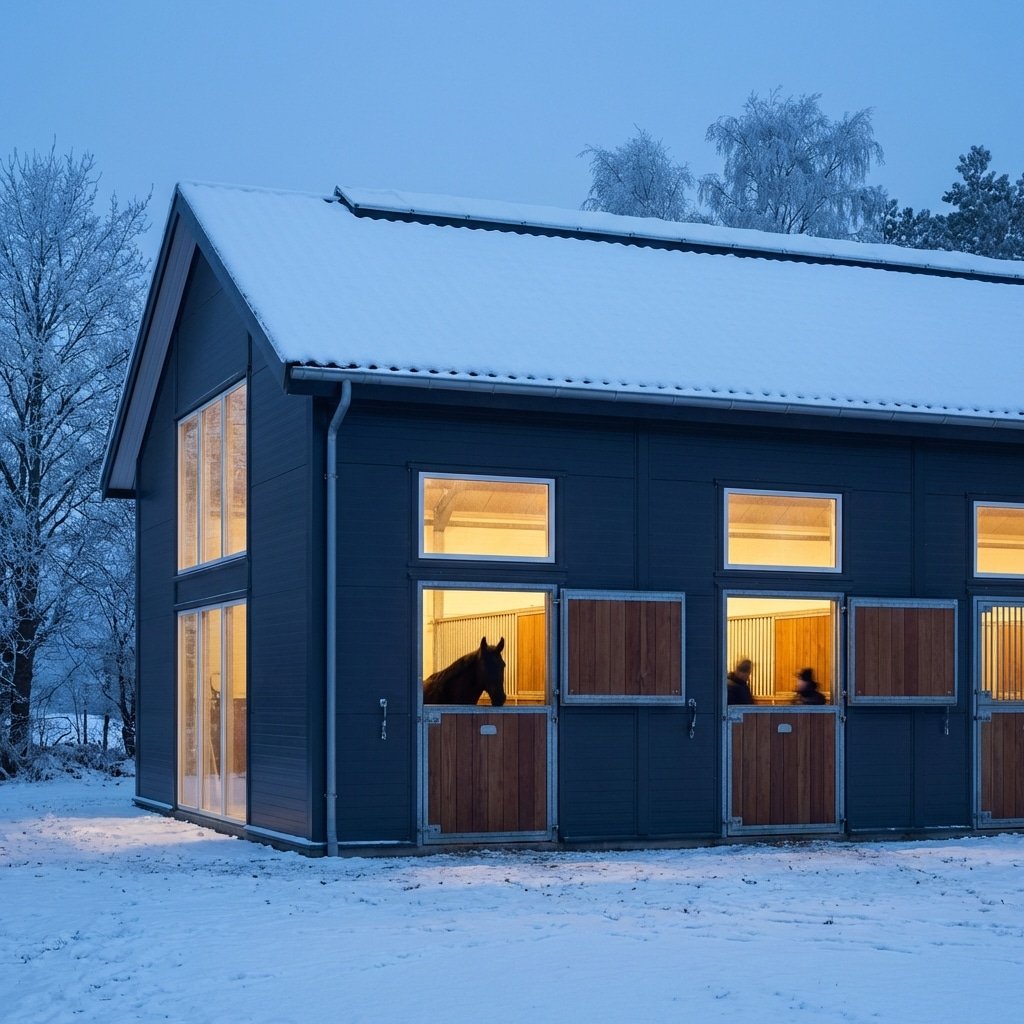
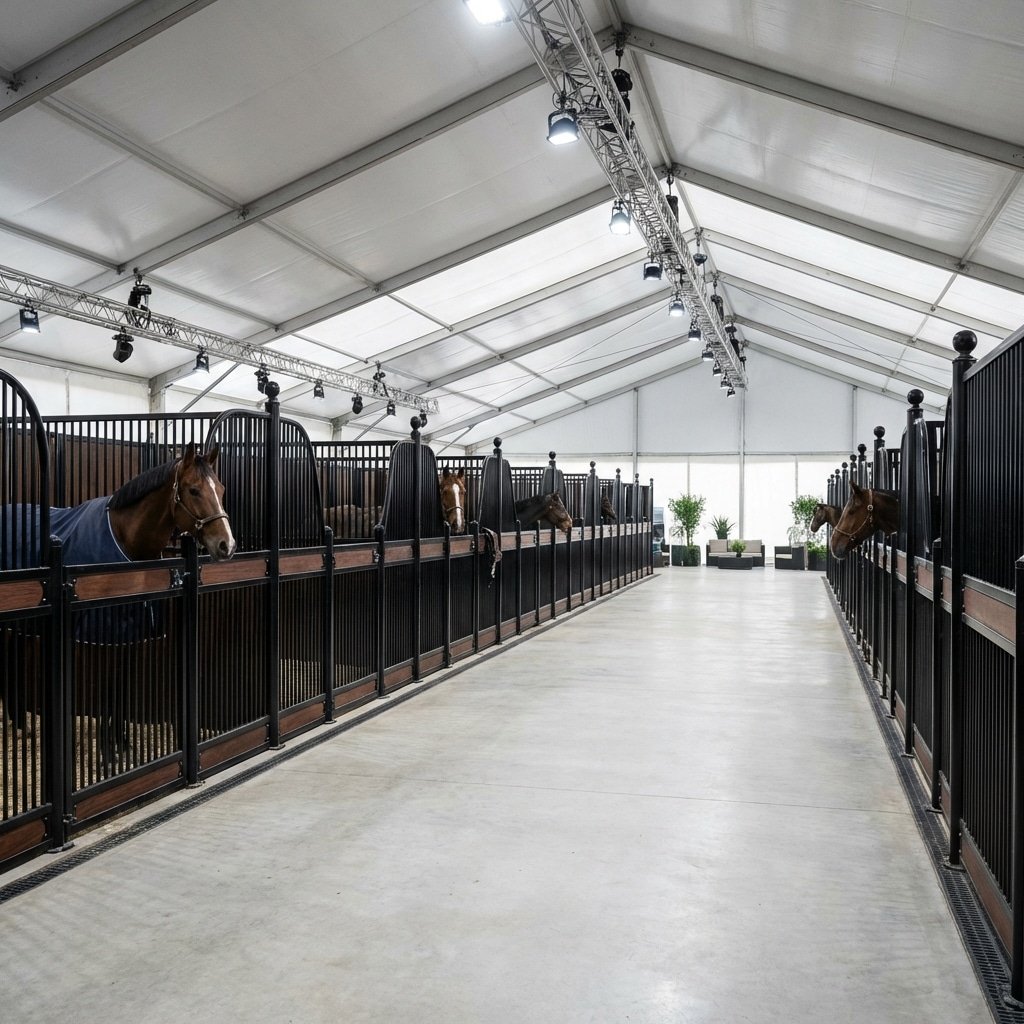
DB Stable provides modular, weather-resistant horse stable solutions tailored for extreme environments worldwide. From hot Australian summers to cold European winters, their steel-framed, insulated stables offer safety, comfort, and compliance with international standards.
Installation Tips
Stable doors take daily stress in equine facilities, and poor installation quickly results in misalignment, damage, and safety hazards. Use the following guidance to achieve precise fit, smooth movement, and lasting durability—whether for a commercial barn build or a private stable upgrade.
Site Preparation and Accurate Measurement
Inspect the stall opening for twists or slopes and correct them before proceeding. Measure width and height in at least 2 locations on both the opening and the door to avoid installation errors. Allow 1/2 to 3/4 inch of bottom clearance to prevent swinging doors from dragging and sliding doors from catching when bedding shifts.
Choosing Durable Hardware and Materials
Specify heavy-duty galvanized tracks, rollers, and fasteners to resist rust and maintain alignment under frequent use. Fit latch and stop mechanisms that allow quick handler access but prevent horses from tampering. Pair these with hot-dip galvanized steel frames and UV-resistant HDPE boards for impact, moisture, and sunlight resistance—this investment reduces downtime and replacement costs.
Step-by-Step Installation Process
Assemble frame and panels on a level surface. Secure boards and hardware exactly per manufacturer instructions to avoid early failures. Space trolley straps or roller hangers evenly along the top edge to ensure smooth movement. Fix the track at the correct height with evenly spaced lag bolts, leaving end bolts loose until rollers are in place. Mount door stops to set travel limits and prevent roller strain. For sliding doors, add bottom guides or stay rollers to stop lateral movement. Install latches at a height accessible for handlers but out of horses’ reach for safety.
Post-Installation Adjustments and Safety Checks
Adjust trolley hardware until the door glides smoothly and stays level. Confirm all guides, stops, and latches operate reliably. Remove or cover sharp edges or protruding screws immediately to prevent injury or equipment damage. Detail work now prevents costly issues later and keeps both horses and staff safe.
Common Installation Challenges and Solutions
Correct uneven floors or out-of-square openings with shims or bracket adjustments. In high-traffic areas, install reinforced hardware and inspect regularly to catch wear early. Proactive attention extends service life, maintains safety, and avoids repair downtime.
Common Maintenance Issues
Horse stable doors encounter wear-related challenges that impact safety and efficiency. The most effective approach is to identify and fix minor issues before they escalate into expensive repairs or safety hazards. Drawing on years of supplying stables in Australia and New Zealand, consistent maintenance extends door lifespan and safeguards margins by preventing emergency fixes and workflow disruption.
Track and Roller Misalignment in Sliding Doors
Sliding doors become difficult to operate when tracks or rollers shift from alignment, often due to bent tracks or debris buildup in busy barns. Ignoring this accelerates wear and increases part replacement frequency. Clean channels and confirm roller positions regularly; prompt adjustments maintain smooth movement and reduce frame strain.
Loose or Worn Hardware
Hinges, latches, and bolts loosen over time from repeated use and horses pressing against doors. This instability increases the risk of sudden door failure and injuries. Implement a monthly inspection and tightening routine, replacing worn components before they compromise security. Keeping spare parts on hand ensures uninterrupted, safe operation.
Rust and Corrosion on Metal Components
Unprotected steel rusts rapidly in damp or coastal climates, weakening integrity and restricting movement. Apply anti-corrosion coatings, choose hot-dip galvanized finishes, and lubricate joints to block moisture intrusion. This preventive care extends service life and preserves smooth operation across seasons.
Wood Damage from Chewing
Horses frequently chew wooden panels, especially on Dutch-style doors within muzzle range, damaging finishes and creating splinters. Fit affected areas with metal or heavy-duty plastic chew guards and use moisture-resistant coatings. Controlling bite damage prevents premature panel replacement and sustains a professional barn appearance.
Seasonal Effects on Door Maintenance
Temperature and humidity shifts alter material dimensions, affecting door fit. Winter contraction in metal can loosen latches, while summer humidity may cause wood to swell and bind. Seasonal adjustments in sealing, weatherproofing, and hardware keep doors operating smoothly without unexpected downtime.
Establishing a Maintenance Schedule
Formalize upkeep with monthly alignment and hardware checks, quarterly lubrication of moving parts, and annual deep cleaning with rust treatment and sealing. This disciplined schedule prevents unnoticed defects and allows planned replacements in line with budget cycles, ensuring optimal safety and operational efficiency.
FAQs About Doors
Horse stable doors directly impact safety, airflow, and handler efficiency. Selecting the right style, latch, and material means weighing horse temperament, stall space, and maintenance demands. These expert answers address the most common purchasing decisions stable operators and facility managers encounter.
What is the difference between a Dutch door and a regular door?
Dutch doors feature a split design that allows independent opening of the top section for ventilation and supervision while keeping the bottom closed to prevent escapes. Standard swing doors open as one full-height panel, offering full containment but reducing airflow. For horses inclined to push outward, Dutch doors reduce risk while improving visibility and air exchange.
Are sliding doors or hinged doors better for horse stalls?
Sliding doors work best in narrow aisles, moving along a track without swinging into the walkway, which minimizes impact or snag risks. They require well-maintained, debris-free tracks. Hinged doors are simpler to install but need clear swing space and can be strained by horses leaning or pushing. Base the decision on aisle width, daily workflow, and horse behavior.
What is the safest type of stall door latch?
Use latches designed to prevent self-opening, such as sliding bolts with guards or spring-loaded catches. They allow quick, one-handed operation while keeping horses secure. Opt for heavy-duty, corrosion-resistant metals—lower-grade components bend, jam, or rust, creating safety risks and downtime.
What materials are best for chew-proof doors?
HDPE boards resist wear, UV exposure, and splintering, making them ideal in stalls with habitual chewing. Combining HDPE panels with hot-dip galvanized steel frames extends service life and reduces upkeep. While wood offers a classic look, it is prone to damage from strong chewing and should be avoided for high-chew horses.
Should stall doors have a yoke or be solid?
Yoke doors open at the top to improve airflow and allow visual contact, which can calm anxious horses. Solid doors provide full containment and privacy but limit ventilation, potentially increasing heat and reducing interaction. Match the door type to each horse’s disposition and whether airflow or containment supports your operational priorities.
Practical Insights for Selecting Stable Doors
Select horse stable doors that align safety, workflow efficiency, and material performance with your facility’s specific demands. Opt for sliding designs in high-traffic, narrow aisles, and use Dutch or hinged doors where ventilation and access are priorities. Choose durable materials such as hot-dip galvanized steel or HDPE to resist impact and minimize maintenance, while wood or aluminum can meet climate or aesthetic requirements when paired with protective finishes and quality hardware.
Ensure secure latch positioning, reinforced frames, and ventilation suited to each horse’s temperament, and carry out installation with accurate measurements, heavy-duty fittings, and scheduled inspections to prevent track misalignment or hardware wear. Robust, low-maintenance doors protect horses, streamline operations, and maintain performance without costly downtime.

 English
  Spanish
  French
  Arabic
  German
0 Comments