


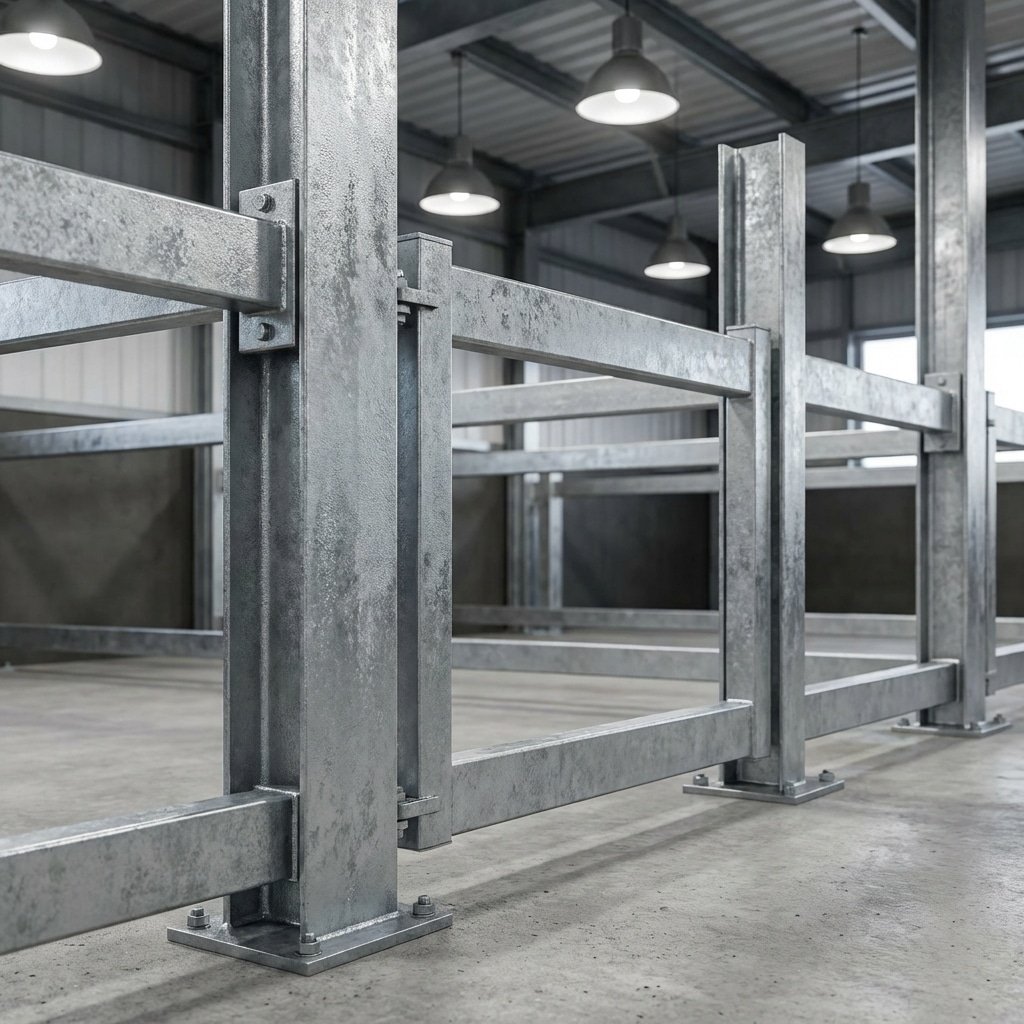
pole barn collapse fix is the first checkpoint buyers should lock before they approve a supplier, budget, or production slot. Most sourcing guides tell buyers to compare three suppliers based on FOB pricing. That advice falls apart when all three source from the same raw material mill and the only real difference is the sales margin. A procurement manager at a 120-stable facility recently got burned on a $50K order because the pre-production sample didn’t match the mass production run. The 14-gauge structural posts in the prototype held firm. The actual shipment arrived with 18-gauge A36 steel that bowed under the first winter storm. That is a pole barn collapse fix no DIY tutorial can teach you.
The gap between a safe facility and a liability lawsuit is rarely the design. It is the metallurgy. Standard A36 steel yields at 30-36 ksi, which means a 1200lb horse leaning against a wall causes permanent plastic deformation. Q345B low-alloy steel yields at 50 ksi. It bends, it does not break. When you pair that steel with ISO 1461 hot-dip galvanizing—where the zinc penetrates the weld zones at over 85 microns—you eliminate the rust initiation points that destroy pre-galvanized tubes within five years. The initial investment looks higher on a spec sheet. The retrofit cost of a collapsed shelter runs $5,000 to $15,000. You are not buying steel. You are buying twenty years of uptime.
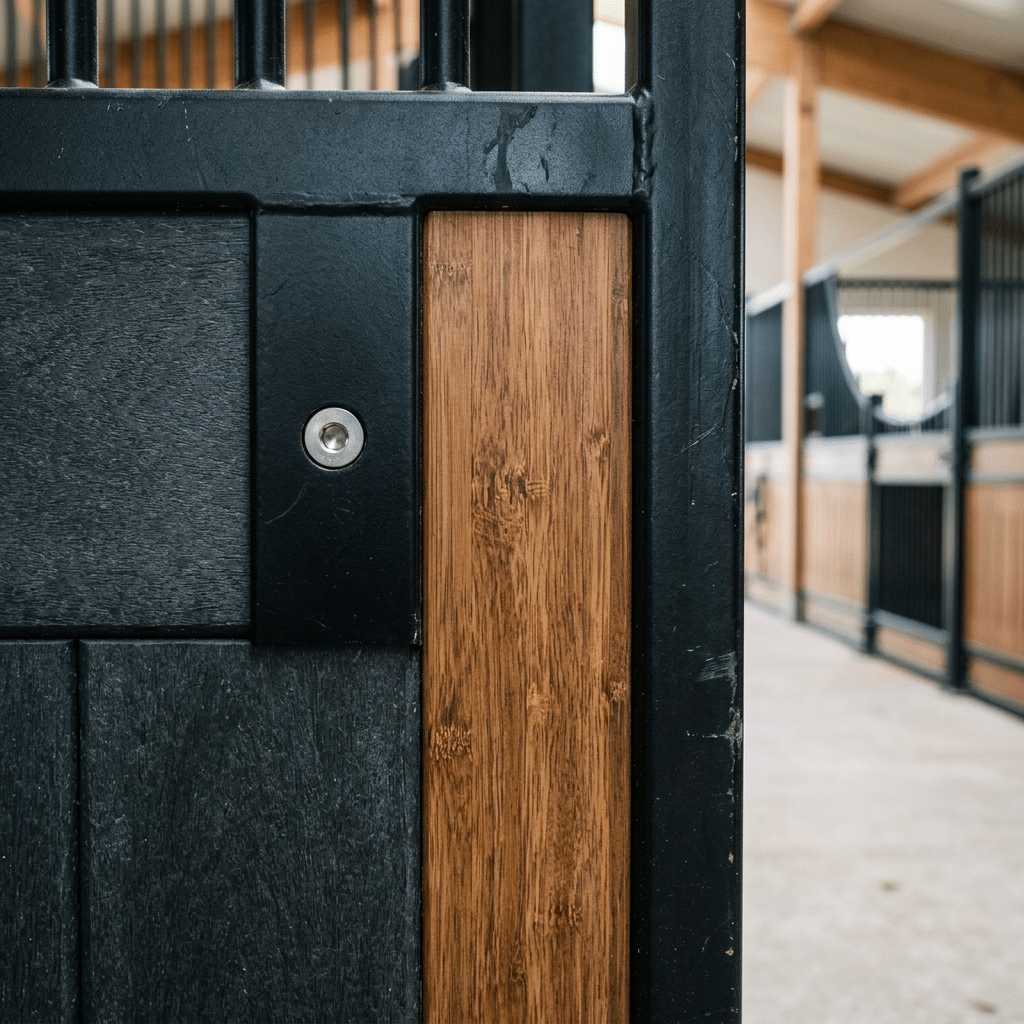
Why 20×20 Pole Barns Collapse: The 20 Gauge Trap
Replace 20-gauge A36 steel with 14-gauge Q345B (50 ksi yield) to stop lateral buckling and structural failure.
The moment a 1200lb horse leans against a 20×20 pole barn wall, the structure faces its first test. Standard 18-20 gauge A36 steel yields at 30-36 ksi. That threshold is breached almost instantly under dynamic live loads, leading to immediate plastic deformation.
Most commercial developers blame poor assembly when the frame racks. The reality is a material deficit. The industry standard ’20 gauge’ is often a nominal label masking 0.035-inch tubing. Under repetitive impact, this thin metal undergoes work hardening and develops micro-cracks at the bend radii within 24 months.
These micro-cracks are invisible during routine inspections. They accumulate until the post suffers a sudden snap failure rather than a gradual sag. By then, the repair cost—averaging $5,000 to $15,000—far exceeds the initial material premium for high-spec steel.
To prevent lateral buckling in pole barn walls, you must move beyond static wind load calculations. DIY kits are engineered for dead weight, not the shifting center of gravity of draft breeds or performance horses.
- Yield Strength: A36 steel tops out at 36 ksi, while Q345B low-alloy steel provides 50 ksi. This 39% increase prevents permanent frame racking under heavy animal loads.
- Épaisseur de la paroi : The minimum safe gauge for structural posts is 14-gauge (0.075 inches). Anything thinner is susceptible to the steel gauge scam, where nominal ratings hide dangerously thin tubing.
- Failure Mode: Thin steel fails via work hardening. Repeated kicks create micro-fractures that lead to sudden collapse. Thicker Q345B absorbs the kinetic energy without fracturing.
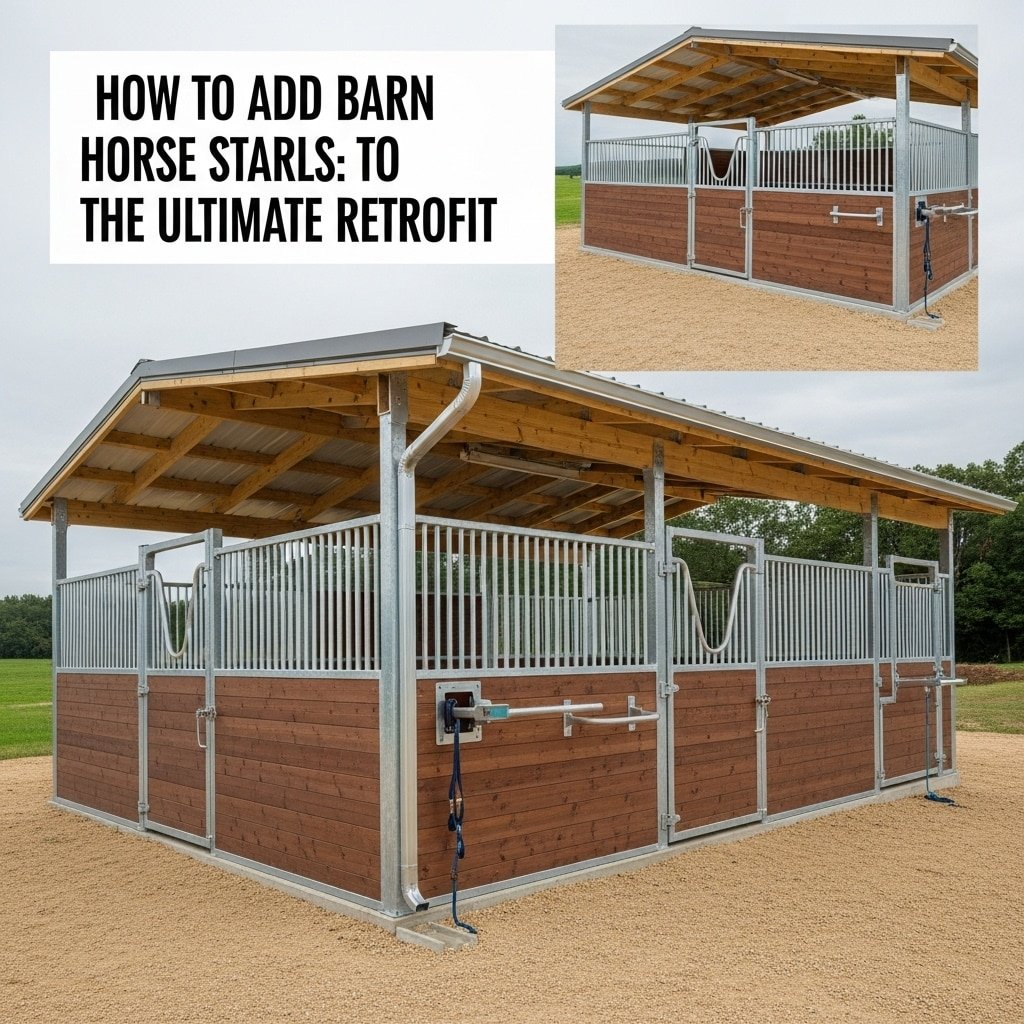
Q345B Steel: The Only Fix for Draft-Horse Loads
Replace 18-20 gauge A36 steel with 14-gauge Q345B (50 ksi yield) to stop structural failure.
Most commercial pole barn collapses aren’t caused by wind or snow. They are caused by the dynamic impact of a 1,200lb draft horse leaning against a wall made of insufficient steel. Standard A36 tubing at 18 or 20 gauge yields at roughly 30-36 ksi. When a heavy horse pushes laterally, the frame permanently racks and snaps. There is no warning. The structure fails instantly.
The industry standard fix is replacing that weak infrastructure with 14-gauge Q345B low-alloy steel. Q345B offers a 50 ksi yield strength—roughly 39% higher than standard A36. This increase in yield strength absorbs the repetitive shock of heavy livestock without undergoing plastic deformation. If you are building for draft breeds or performance centers, anything thinner than 14-gauge is a liability waiting to happen.
However, the steel grade is only half the battle. The second most common failure point is rust eating away the weld zones. Most budget suppliers use pre-galvanized tubes. During assembly, cutting and welding strip the zinc coating, leaving bare steel exposed to the humid, ammonia-rich air of a stable. Within three to five years, these welds rust through, causing the frame to buckle under normal loads.
The only way to secure the structural integrity of a heavy-load facility is hot-dip galvanizing per ISO 1461 standards. Unlike the thin 20-30 micron layer on pre-galvanized tubes, hot-dip coatings penetrate the welds with a thick, metallurgically bonded layer exceeding 85 microns. This creates a rust barrier that survives decades of exposure. Without this specific coating, your investment in high-grade Q345B steel is wasted.
- Load Capacity:: Q345B 14-gauge steel withstands 1,200lb dynamic loads, whereas 20-gauge A36 steel fails under similar stress.
- Coating Thickness:: ISO 1461 hot-dip galvanizing exceeds 85 microns, completely encasing welds and preventing rust initiation.
- Failure Risk:: Pre-galvanized tubes chip during transit and leave weld zones vulnerable, leading to collapse within 5 years in humid climates.
- Repair Costs:: Retrofitting a collapsed shelter averages $5,000 to $15,000, far exceeding the initial upgrade cost of proper specifications.
Hot-Dip vs. Pre-Galvanized: The Rust Weakness
Pre-galvanized coatings chip at 20-30 microns, leaving welds vulnerable to immediate rust initiation.
The difference between a 20-year asset and a three-year liability comes down to the galvanizing process. Most budget-friendly DIY kits utilize pre-galvanized steel, a material that relies on a thin electroplated layer for protection. In the high-humidity environment of a horse stable, this distinction becomes a catastrophic failure point.
Pre-galvanized coatings typically measure only 20-30 microns in thickness. While sufficient for dry, indoor furniture, this layer is brittle. During the shipping and assembly of pole barn kits, the inevitable bumps and scrapes chip away this fragile zinc shield. Once the coating breaks, the underlying carbon steel is exposed to constant moisture.
The most dangerous vulnerability exists at the weld zones. Pre-galvanized tubes are welded before being plated, meaning the intense heat of the welding torch burns away the zinc at the seams. This leaves bare, unprotected steel running along every joint. In a stable environment, moisture traps against these seams, accelerating rust-through and causing lateral buckling of the pole barn walls within two to three years.
- Épaisseur du revêtement : Pre-galvanized steel offers a mere 20-30 microns of protection. ISO 1461 hot-dip galvanized steel exceeds 85 microns, creating a barrier thick enough to withstand structural stress and environmental abuse.
- Weld Penetration: Hot-dip galvanizing involves submerging the entire welded assembly into molten zinc. This metallurgically bonds the coating directly into the weld zones, eliminating the bare steel gaps that plague pre-galvanized alternatives.
- Structural Lifespan: By eliminating the rust initiation points found at pre-galvanized seams, hot-dip coatings maintain structural integrity for 20+ years. This prevents the sudden, unpredictable snap failures associated with corroded frame joints.
Reinforce Existing Frames: Retrofit vs. Rebuild
Retrofitting failing frames with diagonal bracing is a temporary fix; replacing thin panels with verified hot-dip galvanized ones is the only permanent.
When a pole barn begins to rack under 1200lb dynamic loads, the instinct is to patch the frame. Adding diagonal bracing and upgrading to heavier anchor bolts can stabilize the structure temporarily, buying time for a full rebuild. But relying on temporary fixes ignores the root cause: material fatigue and work-hardening failure in the original steel.
The ‘Steel Gauge Scam‘ means many failing structures use nominal 14-gauge tubing that is actually 17-gauge or thinner. Under repeated impact, these thin panels develop micro-cracks at the bend radii. They won’t sag gradually; they will snap suddenly. The only way to prevent lateral buckling in pole barn walls is to replace these compromised panels entirely.
- Temporary Stabilization: Adding cross-bracing and upgrading anchor bolts can halt immediate collapse, but it does not address the underlying fatigue in the primary frame members.
- Permanent Fix: Replace thin, pre-galvanized panels with 14-gauge Q345B steel featuring ISO 1461 hot-dip galvanizing. This material offers 50 ksi yield strength, resisting the plastic deformation that leads to total structural failure.
- Modular Integration: Ensure new frames are compatible with existing modular setups, such as 10-ft Corral Panels, to maintain structural continuity and prevent weak points at connection joints.
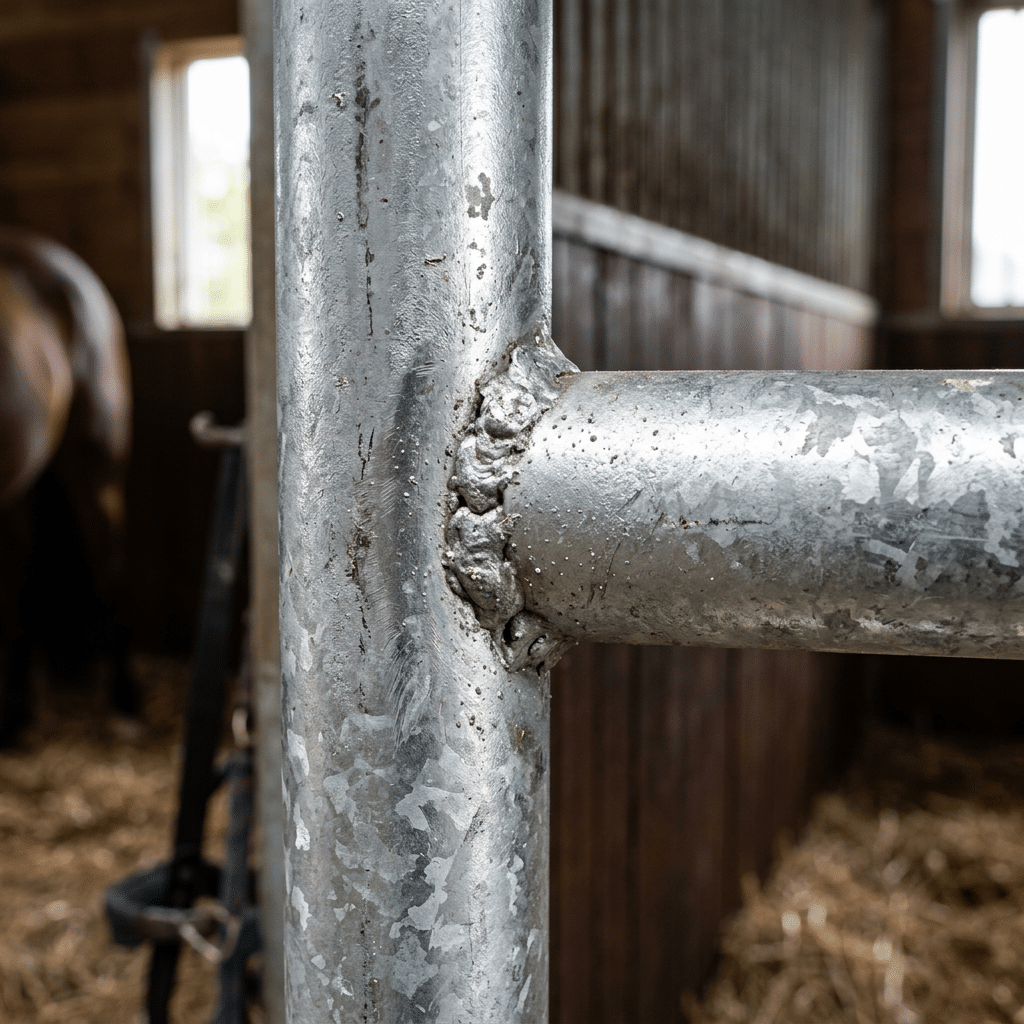
Real Cost Breakdown of Pole Barn Upgrades in 2026
Upgrading to 14-gauge Q345B steel and ISO 1461 hot-dip galvanizing eliminates the risk of catastrophic pole barn collapse under 1200lb dynamic loads.
In 2026, the financial calculation for equestrian infrastructure has shifted dramatically. Buyers are moving away from the lowest initial bid and toward Total Cost of Ownership (TCO) models that factor in structural integrity and liability. The era of cheap, thin-gauge A36 steel poles is ending because the cost of fixing a collapsed barn far exceeds the premium for professional-grade materials.
The core of this cost breakdown lies in the material selection. Standard A36 steel, often found in DIY kits, yields at 30-36 ksi. When a 1200lb horse leans or kicks against a 20-gauge A36 post, the steel undergoes plastic deformation. This leads to lateral buckling and eventual wall collapse. Replacing this with 14-gauge Q345B low-alloy steel provides a 50 ksi yield strength, a 39% increase in load-bearing capacity that prevents permanent frame racking.
Labor savings are realized through pre-engineered kits that utilize CNC-manufactured components. Unlike traditional stick-built barns that require on-site welding and field galvanizing, pre-engineered kits drop into place with verified tolerances. This reduces on-site labor hours by up to 40%, allowing Commercial Equestrian Developers to open their facilities months earlier and begin generating revenue sooner.
- Material Cost Variance:: Q345B steel commands a higher upfront price than A36 due to its low-alloy composition, but it eliminates the 30-50% cost premium associated with emergency retrofitting after a structural failure.
- Labor Savings:: Pre-engineered kits reduce on-site fabrication time by 40%. This translates to thousands of dollars in saved contractor fees and significantly faster facility turnover.
- Maintenance Reduction:: Hot-dip galvanized coatings (85+ microns) prevent rust-through at weld zones. While pre-galvanized steel chips during shipping and rusts within 5 years, hot-dip coatings last 20+ years, virtually eliminating maintenance CAPEX.
- Avoided Collapse Costs:: The average cost to repair a collapsed shelter ranges from $5,000 to $15,000. Investing in verified 14-gauge specs protects against this catastrophic financial hit and the associated liability from animal injury.
The long-term ROI of a pole barn upgrade is defined by the avoidance of reconstruction. Substandard materials lead to work-hardening failures where micro-cracks form at bend radii within two to three years. By specifying ISO 1461 hot-dip galvanizing and minimum 14-gauge thickness, facility managers secure a 20-year structural lifespan, making the initial investment a fraction of the long-term operational cost.
| Upgrade Component | Standard Option (High Risk) | Recommended Option (DB Stable) | Financial Impact |
|---|---|---|---|
| Structural Steel Frame | 18-20 Gauge A36 Steel (30-36 ksi Yield) | 14 Gauge Q345B Steel (50 ksi Yield) | Avoids $5k-$15k collapse retrofit costs; 39% higher load capacity |
| Protection contre la corrosion | <30 Microns (Chips at welds) | ISO 1461 Hot-Dip Galvanizing (>85 Microns) | Extends lifespan to 20+ years; eliminates rust-through repair costs |
| Installation Method | Raw Materials + Custom Welding | Pre-Engineered Certified Kits | Reduces labor errors and hidden welding/galvanizing expenses |
| Total Cost of Ownership | Initial Build vs. Lifecycle Low Upfront ($3k-$5k) / High Failure Risk | Higher Upfront ($8k-$12k) / Zero Structural Failure | Prevents catastrophic CAPEX loss and business downtime |
Conclusion
Replacing standard A36 tubing with 14-gauge Q345B steel and ISO 1461 hot-dip galvanizing eliminates the structural fatigue that causes 20×20 pole barns to collapse under dynamic horse loads. This upgrade prevents the weld-zone vulnerabilities and plastic deformation that lead to costly retrofits, ensuring your facility meets 20-year longevity and safety compliance targets.
Questions fréquemment posées
How much does a 20×20 pole building cost?
Cost varies significantly based on steel gauge and coating type, with proper hot-dip galvanized structures costing more upfront but offering better long-term value. You must factor in regional compliance and. Request a quote based on your specific regional climate and compliance requirements.
Is it cheaper to buy a pole barn kit or build it yourself?
DIY kits often appear cheaper initially but carry high risks of structural failure due to inadequate steel specifications and improper assembly. Professional manufacturing ensures correct load-bearing capacity and reduces long-term maintenance costs. Evaluate total lifecycle costs rather than just initial purchase price.
Are 4×4 posts strong enough for a pole barn?
Standard 4×4 wooden posts are prone to rot and lack the tensile strength required for heavy equestrian loads. Modern pole barns use hot-dip galvanized steel columns for superior durability and load-bearing capacity. Specify steel columns for critical structural support in equestrian facilities.
Is a 10×20 stall big enough for a horse?
A 10×20 stall provides adequate space for most adult horses, ensuring comfort and safety during confinement. Larger breeds or draft horses may require additional width for optimal movement and. Adjust stall dimensions based on the specific breed and size of the horses.
What is cheaper, a pole barn or a metal building?
Pole barns typically have lower foundation costs due to their post-frame design, making them cheaper for simple structures. Metal buildings offer greater durability and span capabilities but often involve higher. Choose pole barns for budget-friendly setups and metal buildings for long-term durability.

 French
  English
  Spanish
  Arabic
  German
0 commentaires