



Paddock fencing New Zealand-wide is one product asked to do three different jobs: sun and rain on the coating, wind pressing the panel face, and standing water at the ground line. A run that looks fine in a flat, hedged home yard can already be leaning on an exposed block.
This guide is for the buyer laying a boundary across several blocks, not one yard. Exposure and drainage are the two answers that change the brief most, and rotational grazing adds a third that generic quotes miss: how the line behaves when stock move off it and onto it again. None of that needs a magic number. It needs the right questions in the RFQ.
Key Takeaways
- Wind is a shape problem before a strength problem. A solid panel is a sail; an open rail lets air through. Specify the face against the block, not a catalog default.
- Water fails a fence from the bottom. On a wet block, check the coating at the ground line first, and ask the supplier how field-cut ends and welds are re-coated there.
- This site’s wet-climate posture is drainage-led, and it groups New Zealand with the UK on high drainage and BHS-aligned design. Its published compliance references are BHS (UK), ASPCA (US) and EU Directive 98/58/EC; it publishes no New Zealand-specific compliance figure, so confirm local requirements with the authority and the supplier.
- Coating life is stated, not measured by you: hot-dip galvanized steel at a 20-year rust claim, UV-stabilized PVC fencing at 15 years. Ask for the detail in writing.
- Order terms to expect: 50-panel minimum, 5-15% on larger runs, 4-6 weeks globally, 1-2 weeks expedited from the Sydney hub.
What a New Zealand Brief Changes
A horse boundary here does two jobs a garden fence never has to. It holds an animal that can spook sideways and put its whole weight into the line, and it sits out in weather that delivers sun, driving rain and wind in the same week. Buyers who import a spec suited to a dry, sheltered site end up asking why the line is leaning.
So write the block before the panel. Is it open country with no break along the fence line, or does a shelterbelt take the worst of the weather? Does the ground hold water through winter, or free-drain? Those two answers shape the spec more than height or color. The site publishes no fence dimensions, no coating thickness in microns and no pricing; treat each as a question for the supplier, not a number to fill in from another market.
Wind Load: The Panel Face and the Line
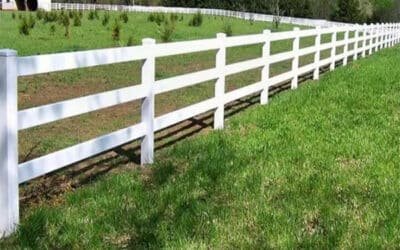
Wind attacks the widest flat surface it can find, not the horse. A tightly-railed panel on an exposed ridge acts like a sail, and each gust loads the corners harder than a rail line that lets the air through. The fix is not a heavier post everywhere; it is matching the panel face to the exposure and bracing where the load collects — at ends, corners and strainers.
Line posts on an open face carry a fraction of what a corner does, so the end assemblies are where you ask questions: the section being used, how rails tie into posts, what braces the corners. The site builds with CNC machining and automated 360-degree welding and states a 20-year rust-protection claim on its hot-dip galvanized steel. It publishes no post-spacing or wind-load figures, and those belong in the supplier’s written answer for your block, not in a generic rule.

Drainage and the Wet Ground Line
If wind fails a fence slowly from the top, water fails it from the bottom. The ground line — where metal meets damp soil, or a post sits in a wet hole — is where a coating is tested hardest, because it spends the wet season against water and the debris horses rake into the base. A boundary on waterlogged ground goes soft at its foot long before a rail breaks.
So the drainage decision is about the ground the fence stands on: where water drains, whether a post base stays saturated, and whether horses poach the line into a bog that holds water against the metal. The site’s wet-climate work on equestrian fencing covers this ground in depth; read that treatment of the same problem before ordering panels for a block that stays wet. There are no published figures for post depth or gravel width here — set those on site with soil and drainage, and confirm them with the supplier.
Rotational Grazing: Specify for Move, Not Just Stay
A lot of New Zealand horse ground is grazed in rotation — stock moved between a sequence of paddocks so grass recovers. That habit rewrites the brief. A line that gets extended or re-divided is judged on portability and repair, not on standing untouched for a decade. Panels that bolt together and lift back apart, a few spares for re-lays, and corner assemblies that survive being moved all start to matter.
Buying for rotation is a batch decision, and the commercial terms work in your favor. Panels start from a 50-panel minimum, larger runs carry a 5-15% volume discount, and orders of 20 sets or more get a dedicated regional account manager for customization and logistics. Price one run covering the fixed boundary plus the portable interior lines, rather than buying them one crisis at a time. Six items settle most disputes before the order:
| Item to fix | What to have in writing |
|---|---|
| Panel face vs exposure | Which blocks get a solid panel and which get an open rail |
| Wind at the ends | Corner, strainer and brace detail, not a catalog default |
| Ground-line coating | Hot-dip galvanized spec and how cut ends and welds are re-coated |
| Post-set on wet ground | Base detail for slow-draining soil, confirmed with the supplier |
| Portability and spares | Whether a panel lifts and re-lays, and how many spares to keep |
| Commercials | 50-panel minimum, 5-15%, 4-6 weeks, 1-2 weeks from Sydney |
Start from the horse fence range for the panels themselves, read the site’s wet-climate fencing work before you lock a type for ground that stays wet, and use the New Zealand solutions brief for the local requirements angle.

Questions fréquemment posées
How tall should paddock fencing be in New Zealand?
No single height fits every block, and this site publishes no fence height. Set it against how the paddock is used and how the animals behave in it, and check the current New Zealand animal-welfare requirements rather than importing a spec from another market.
Is a solid panel or an open rail better on a windy block?
On exposed ground an open rail generally sheds wind better than a solid sail, but the right answer depends on the block. Specify the face against the exposure you surveyed and have the supplier state the corner and brace detail.
Does wet ground damage galvanized paddock panels?
The ground line is where a coating is tested most, because water and debris sit against the base. The steel is specified as hot-dip galvanized with a 20-year rust-protection claim; the real questions are how cut ends and welds are re-coated and how posts are set in slow-draining soil.
Can one fence design suit rotational grazing?
Plan two things: a fixed boundary for the block edges, and panels that lift and re-lay for the interior lines you move. Buy the fixed run and a set of spares in one order, and ask the supplier what spare count fits your rotation, so a re-lay is never waiting on a panel you did not order.
What are the minimum order terms for paddock panels?
Panels start from a 50-panel minimum, with a 5-15% discount on larger runs and a 4-6 week lead time worldwide. Australasian buyers can use the Sydney hub for expedited 1-2 week supply, and orders of 20 sets or more get a dedicated regional account manager.
Conclusion
New Zealand paddock fencing is won on three things a generic quote skips: how the panel face meets the wind, how the ground line sheds water, and whether the line can be moved as grazing rotates. None need invented numbers. They need a written answer for the block you have.
Walk the exposure and drainage before you specify, price the fixed boundary and the portable interior panels in one run, and put the corner, coating and post-set details in the order paperwork. The horse fence range is where a multi-block brief starts.


 French
 English
 Spanish
 Arabic
 German
0 commentaires