par Frank | Mar 21, 2026 | Panneaux de clôture pour chevaux
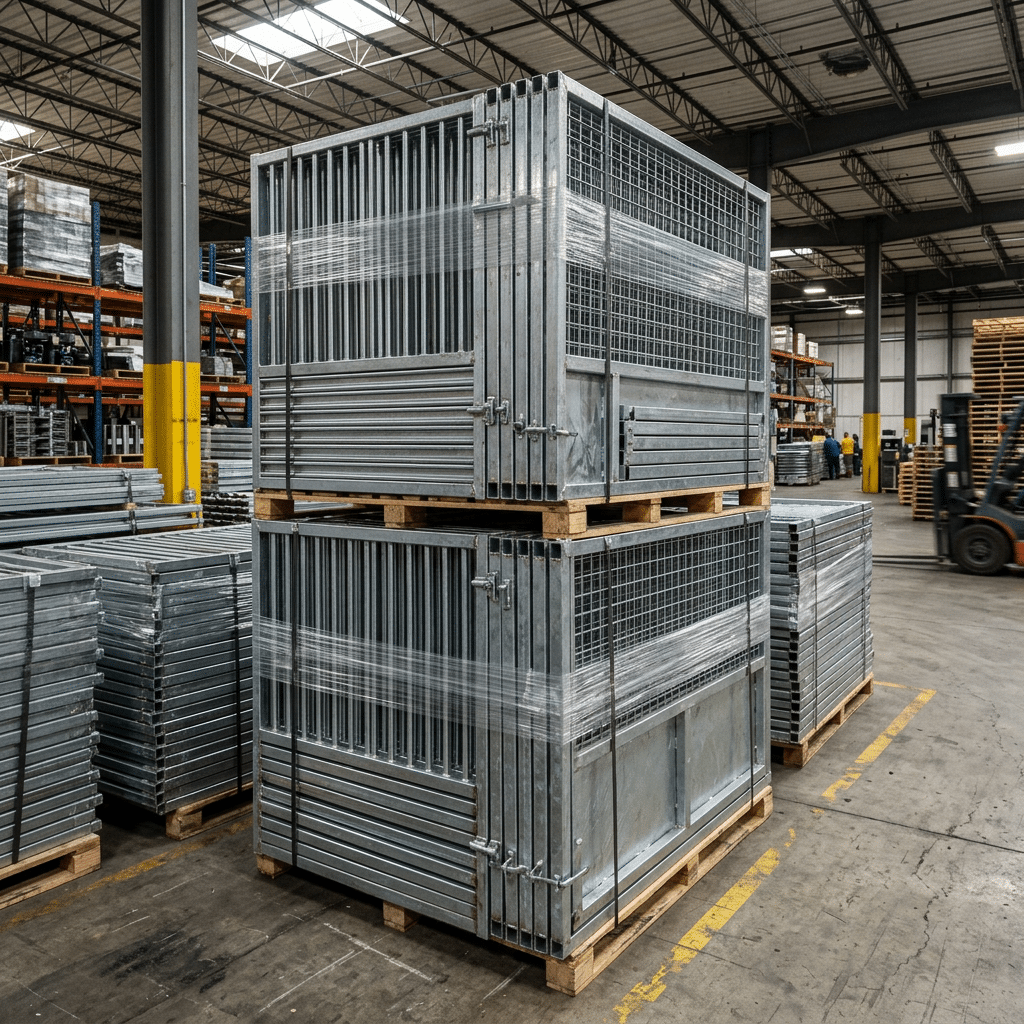
Sourcing horse stalls for New Zealand demands rigorous engineering to survive the country’s aggressive rainfall and humidity. Standard pine timber acts like a sponge in these wet climates, leading to rapid structural rot and costly annual maintenance cycles that...
par Frank | Mar 18, 2026 | Panneaux de clôture pour chevaux
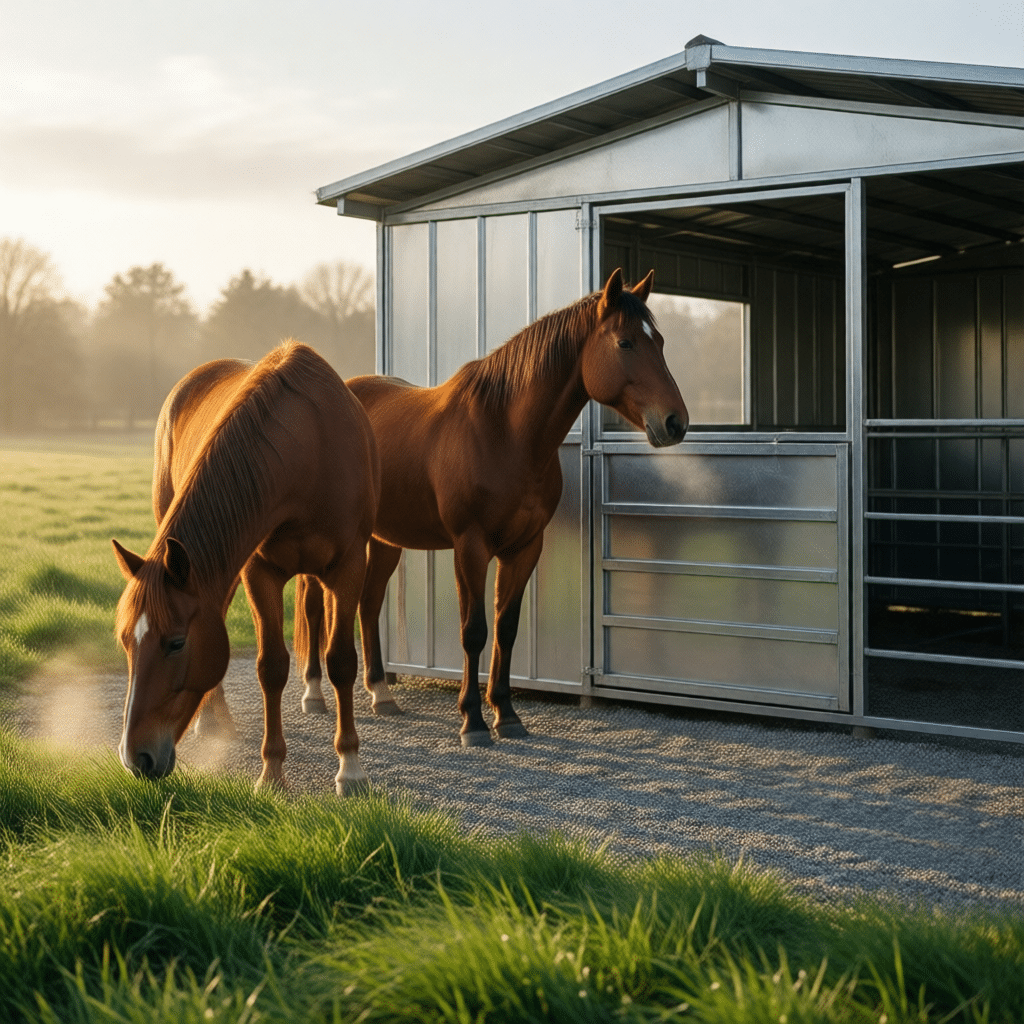
Paddock Footing selection determines whether your shelter investment lasts decades or fails within a single winter. Neglecting proper base layers accelerates soil structure collapse, turning high-traffic entrances into unstable sinkholes that compromise animal safety...
par Frank | Mar 9, 2026 | Panneaux de clôture pour chevaux
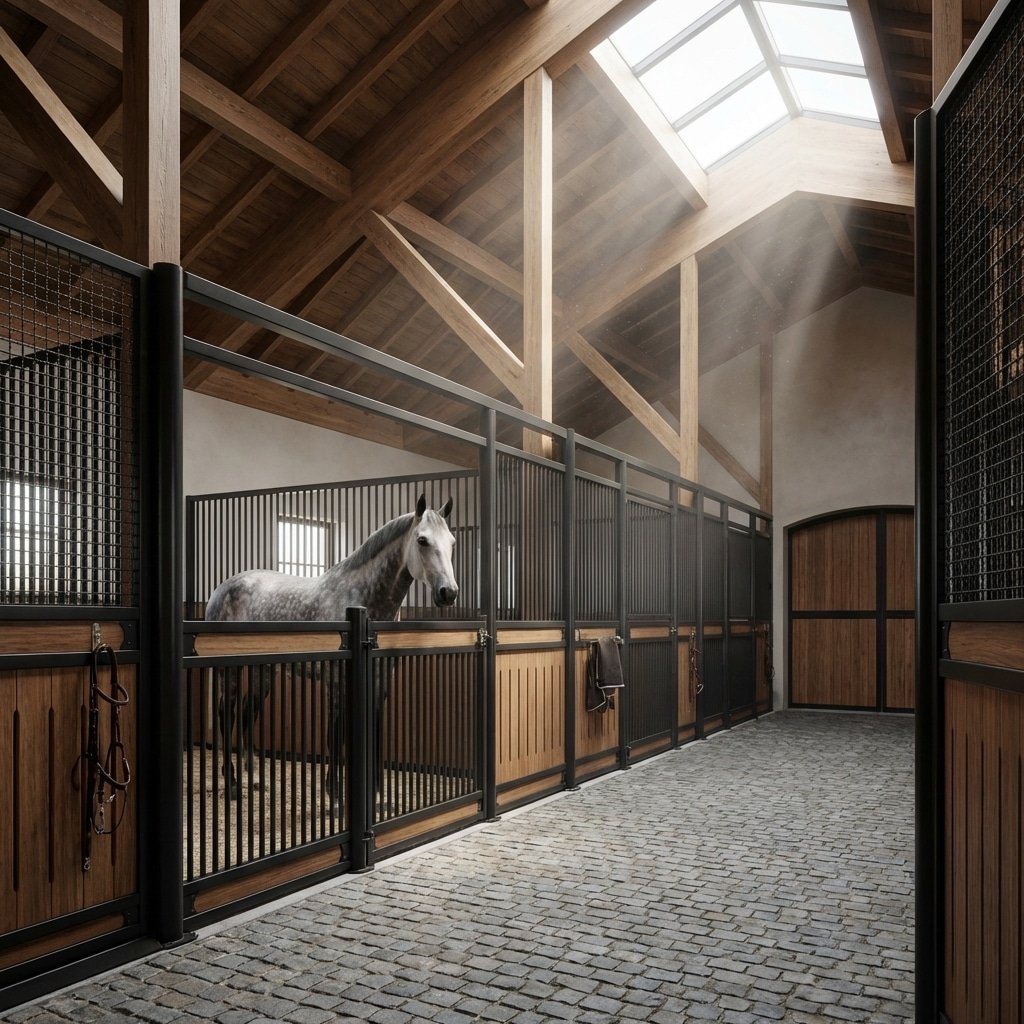
Ceiling jumping prevention is the primary safety metric for facilities housing high-energy warmbloods. When designers leave a 2-foot gap above a standard 2.2-meter panel, they create a mechanical trap that can sever tendons or crush vertebrae during a rear. This...
par Frank | Mar 9, 2026 | Panneaux de clôture pour chevaux
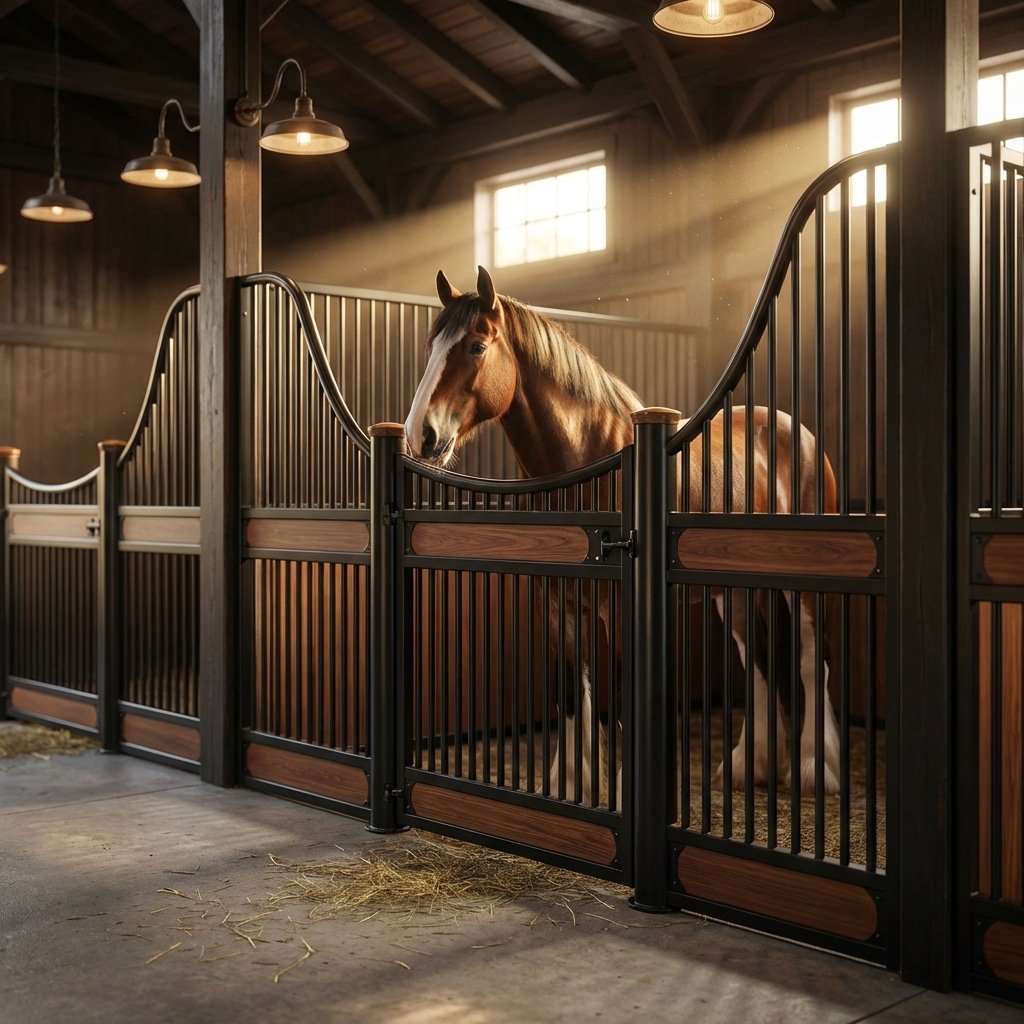
Housing draft horses in standard agricultural fencing creates an immediate liability risk for breeders and facility managers. When a 2,400lb animal leans against typical 1.6mm tubing, the structural failure often results in catastrophic injury and expensive veterinary...
par Frank | Mar 8, 2026 | Panneaux de clôture pour chevaux
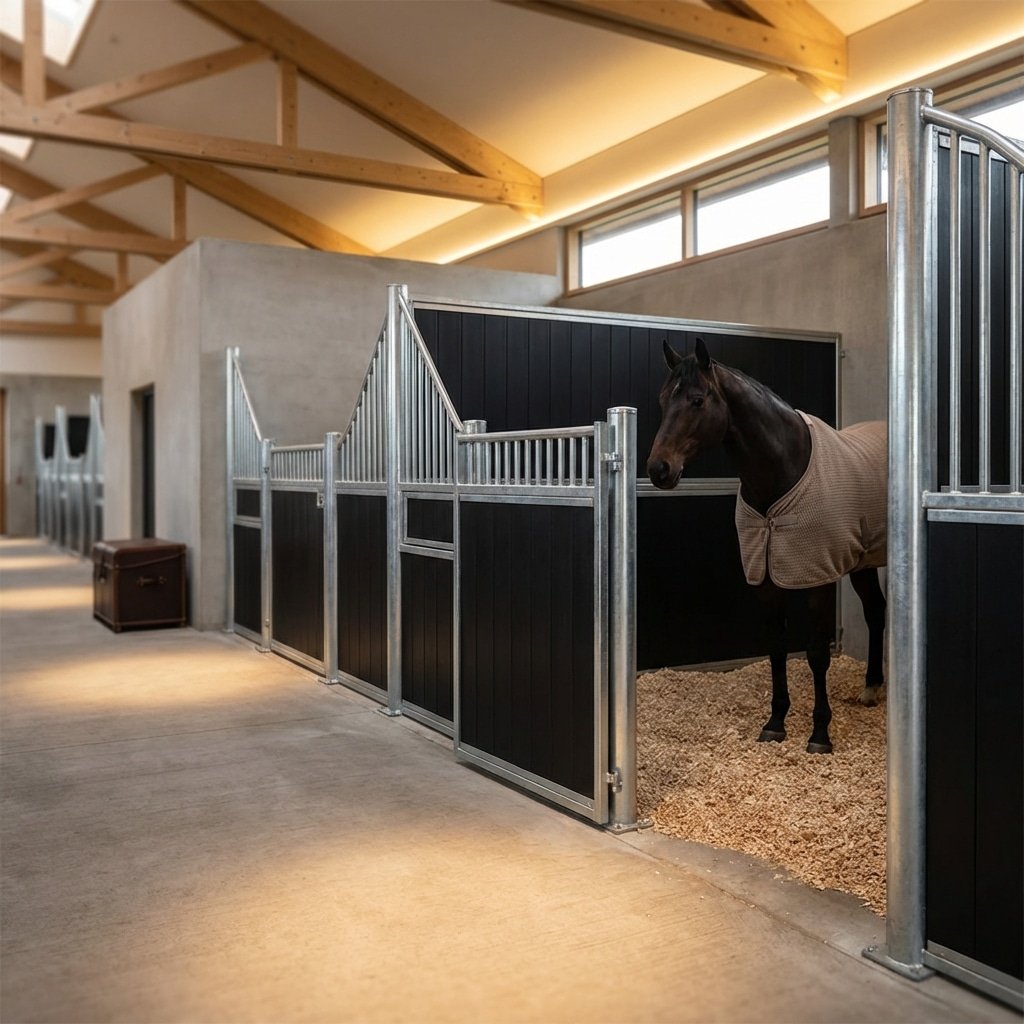
Aggressive horses are a facility liability that transforms standard stall partitions into sources of costly veterinary claims. When boarding barns rely on open-bar designs, they invite fence-line battles that damage infrastructure and erode profit margins through...
par Frank | Mar 6, 2026 | Panneaux de clôture pour chevaux
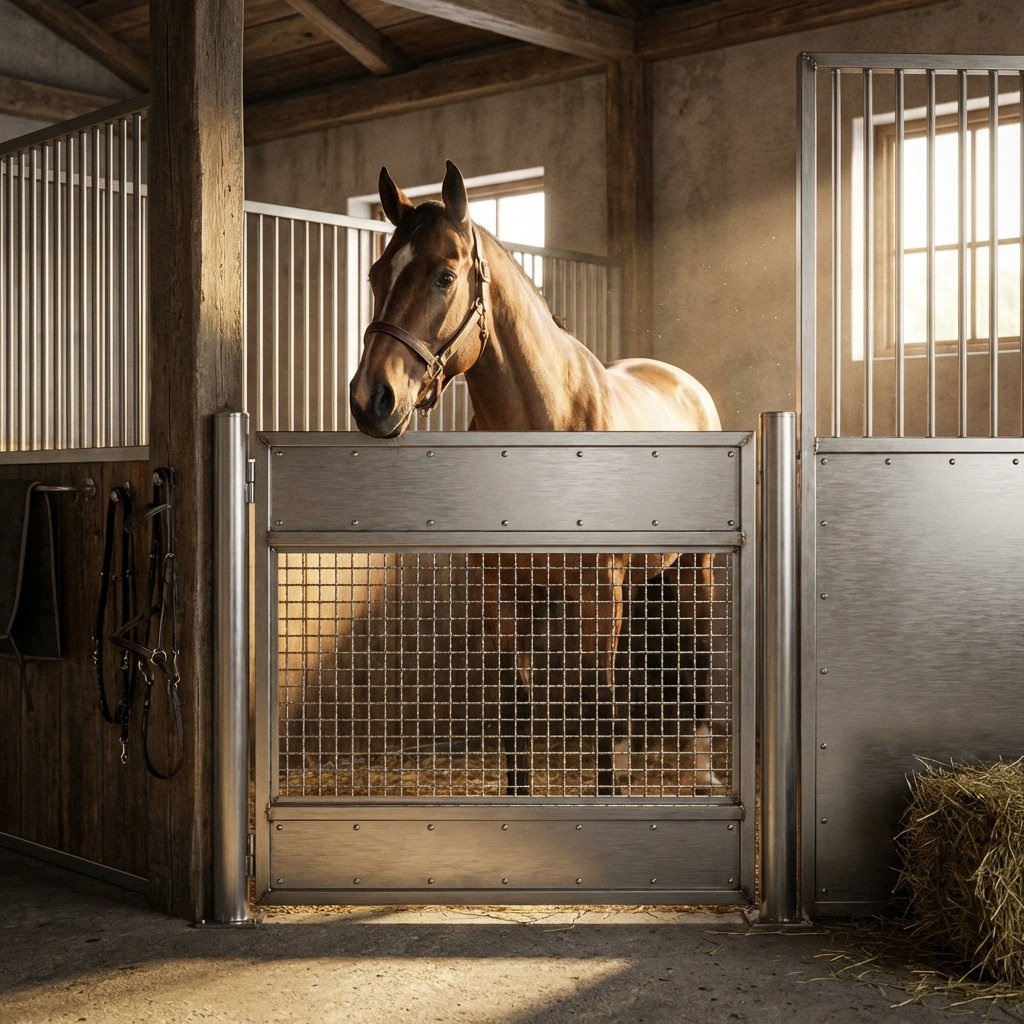
Managing destructive Weaving Habits is a structural challenge that exposes the weakness in standard stable engineering. Continuous lateral swaying fatigues generic welds and timber walls, leading to costly facility repairs and compromised animal safety. This guide...
 French
 English
 Spanish
 Arabic
 German