par Frank | Avr 16, 2026 | Blog
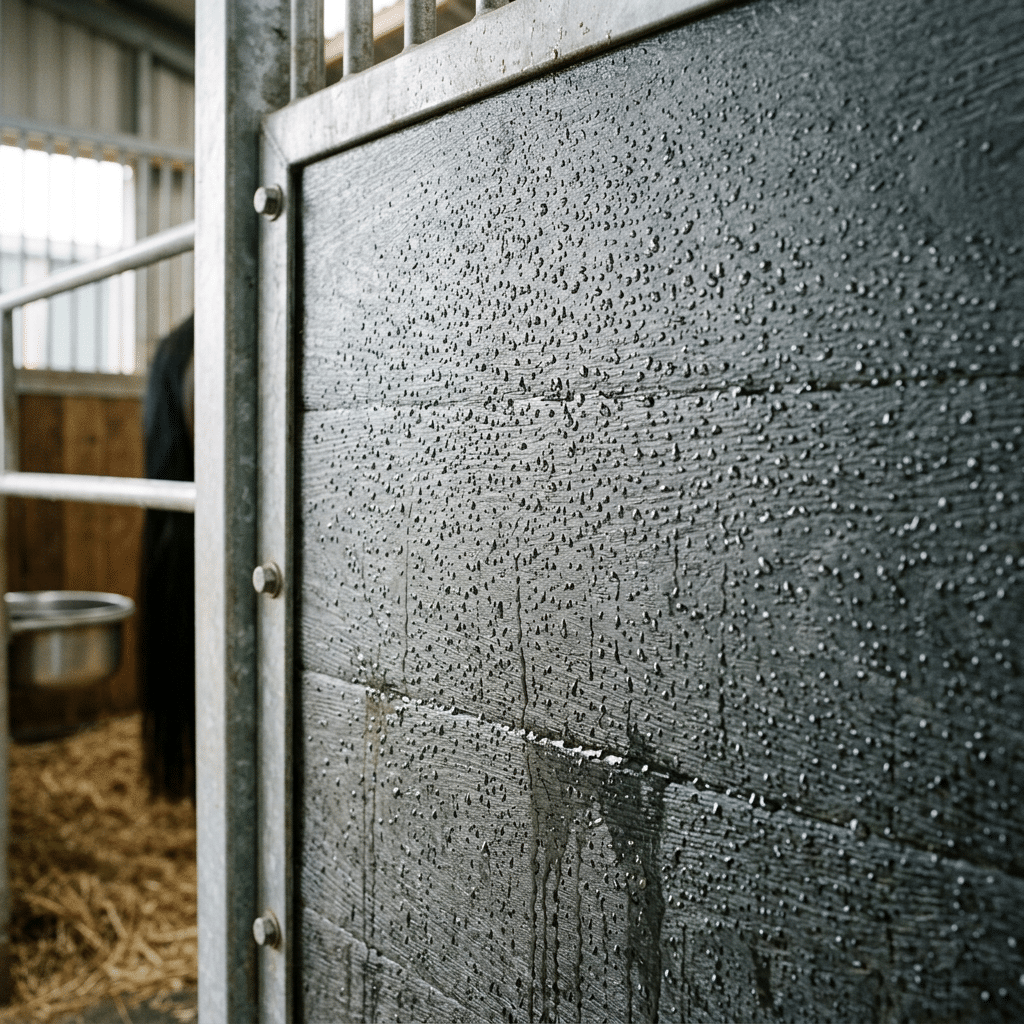
In high urine soils, the catastrophic failure point for any stable system is the ground-level steel. Standard powder-coated or thinly galvanized base plates corrode rapidly from ammonia exposure, leading to costly structural replacements and destroying dealer margins...
par Frank | Avr 16, 2026 | Blog
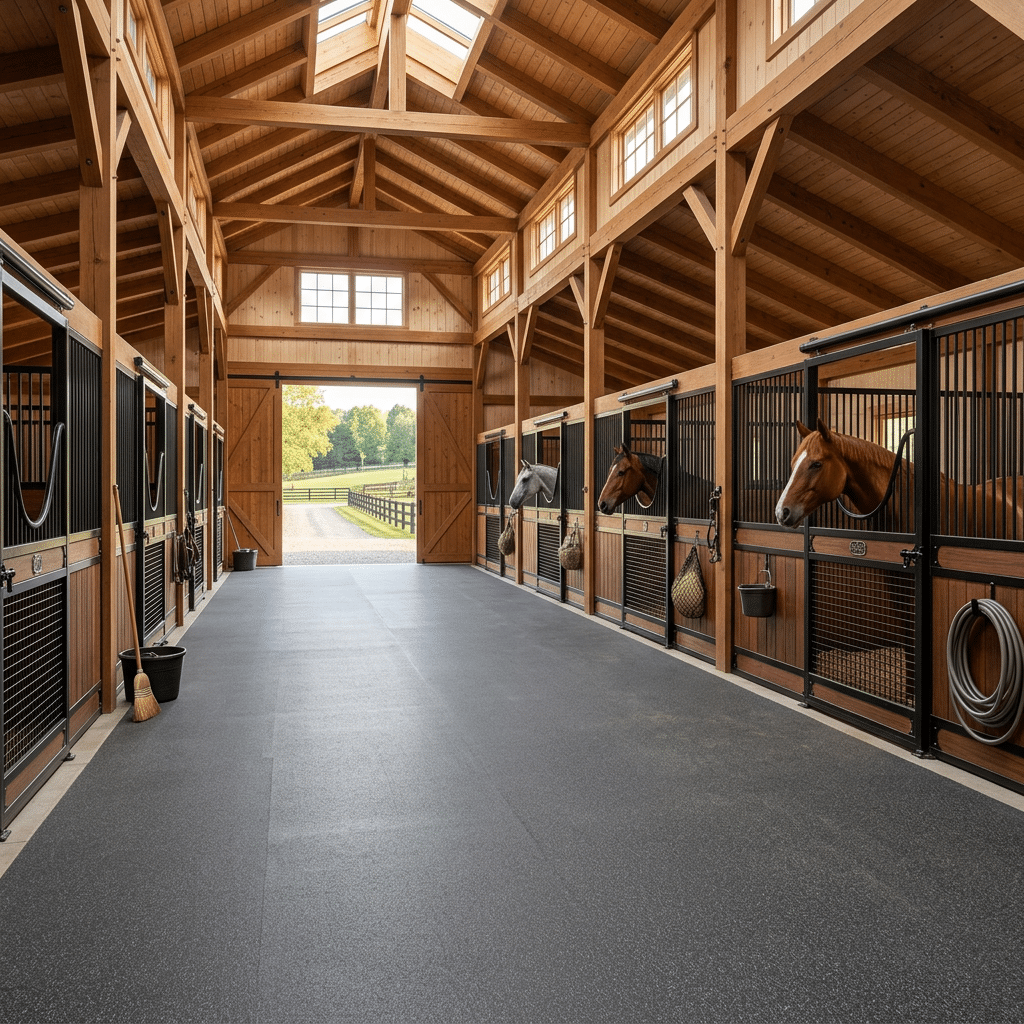
Termites & swarms make chemically treated wood a high-risk material, especially in humid climates where moisture compromises the treatment. This failure cycle leads to costly structural repairs and diminishes the long-term asset value of agricultural buildings....
par Frank | Avr 16, 2026 | Blog
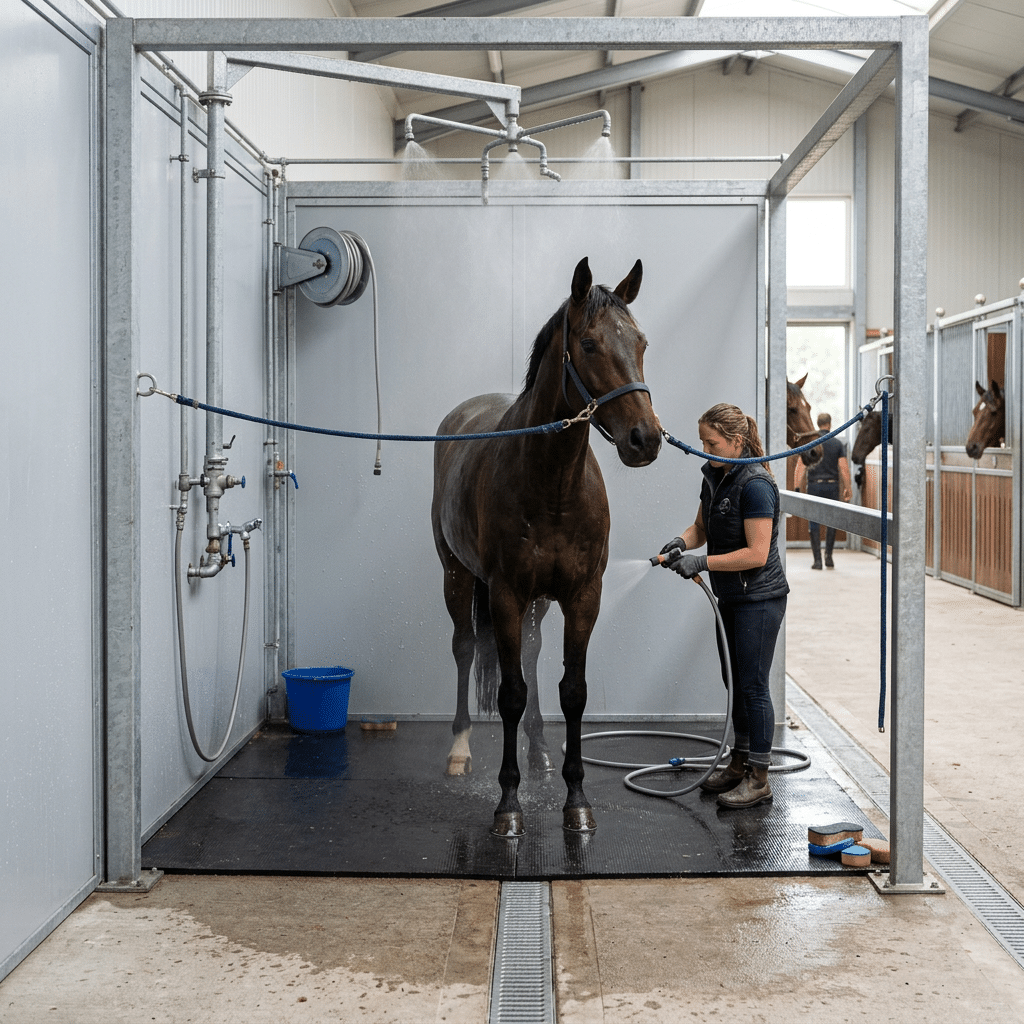
Designing effective Equine Rehab Centers requires specifying materials to mitigate the primary failure points: rot and contamination. Standard timber stalls in high-humidity hydrotherapy zones inevitably fail, leading to costly structural repairs, compromised...
par Frank | Avr 15, 2026 | Blog
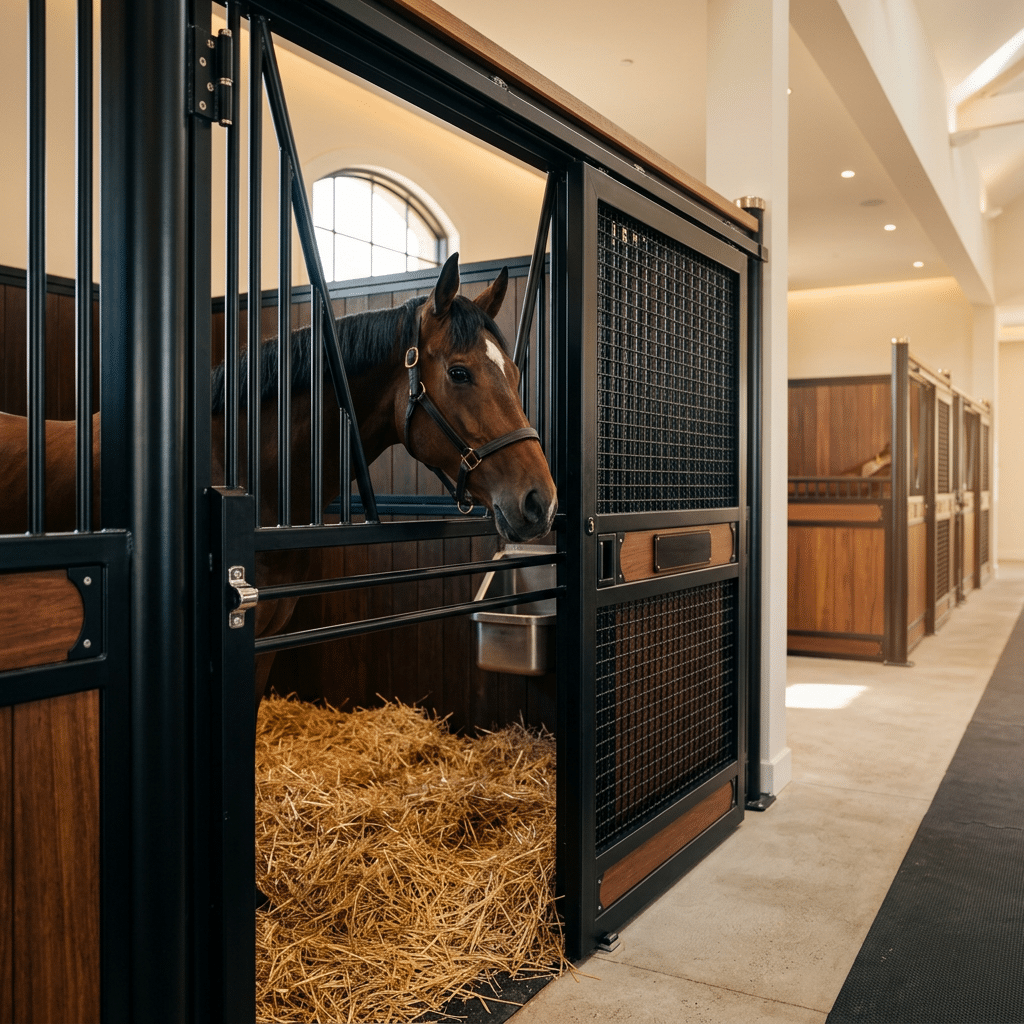
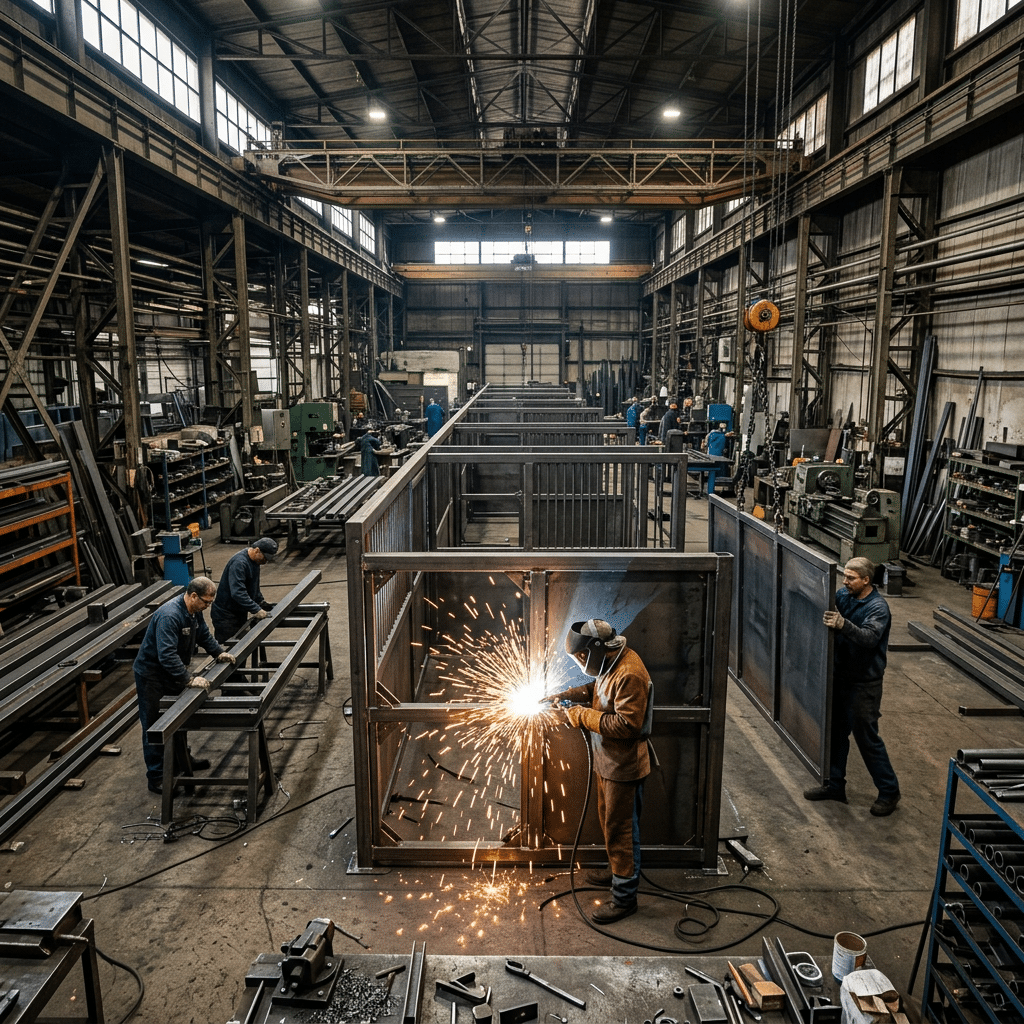
Strategic Alibaba Sourcing for horse stables is the only defense against the widespread broker trap that inflates costs by 40% while delivering inferior product. Many buyers are lured by low quotes for pre-galvanized tubing, unaware that these welded joints will rust...
par Frank | Avr 15, 2026 | Blog
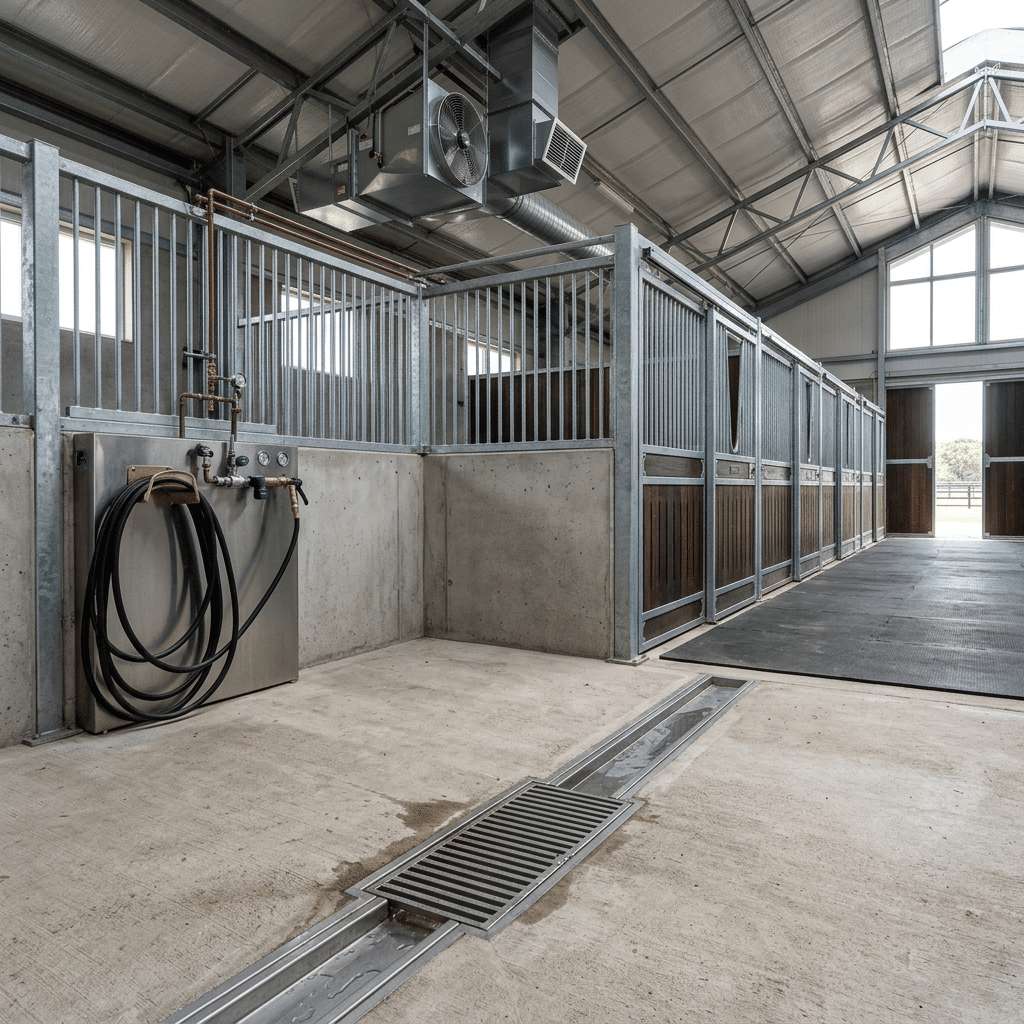
Sourcing the right Polo Club Stabling is critical for managing the high maintenance costs driven by humidity and high-volume horse traffic. Traditional timber infills quickly degrade in these conditions, leading to expensive replacement cycles and compromising the...
par Frank | Avr 15, 2026 | Blog
The structural integrity of Commercial Stud Farms directly impacts asset value and operational safety. Standard equestrian equipment fails quickly under the constant pressure of high humidity and ammonia, leading to rapid depreciation and creating unacceptable risks...
 French
  English
  Spanish
  Arabic
  German