


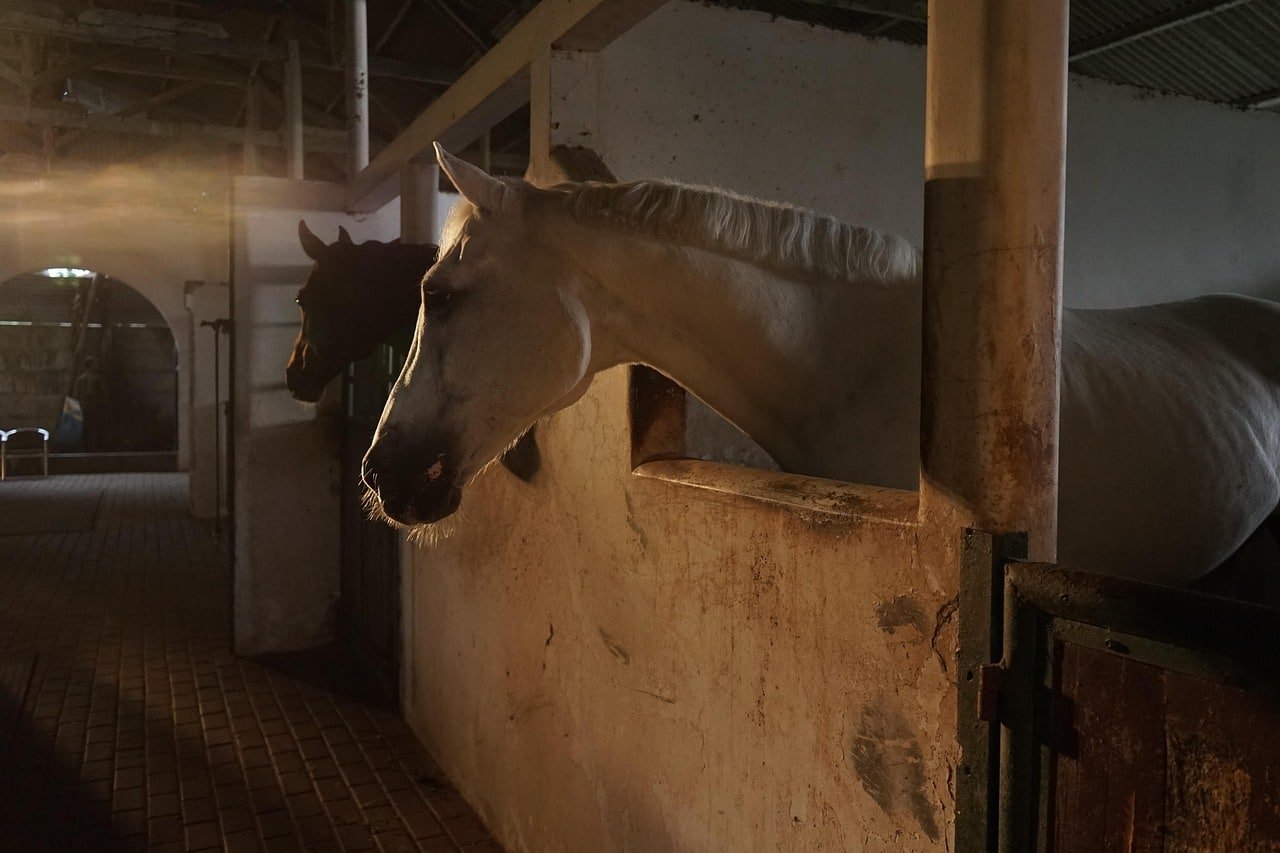
The Temporary vs Permanent stable debate often overlooks a critical financial risk. Opting for a low-cost portable system frequently leads to structural failures from thin steel and premature rust, creating costly liabilities that erode any initial savings and compromise animal safety.
This analysis defines the ROI of flexibility by benchmarking structures against key engineering standards. We evaluate the long-term asset value based on hot-dip galvanization after fabrication (ISO 1461) and a minimum 14-Gauge (2.0mm) steel frame thickness.
5 Critical Red Flags to Watch For
Watch for thin steel, pre-galvanized welding that invites rust, untreated wood infills, standard steel hardware, and loose container loading. These shortcuts compromise safety and longevity.
When you’re sourcing horse stables, the details determine whether you get a safe, long-lasting asset or a liability. Some manufacturers cut corners in ways that aren’t obvious at first glance. Here are the five most common red flags to look for, based on what we se
e in the industry every day.
| Red Flag | Why It’s a Problem | The Professional Standard |
|---|---|---|
| 1. Thin Steel Tubing (<2.0mm) | The frame can bend or break from a horse’s kick, creating a serious safety hazard. It’s a direct compromise on structural integrity to save on material costs. | Minimum 14-Gauge (2.0mm) wall thickness using Q235B or Q345B structural steel for impact resistance. |
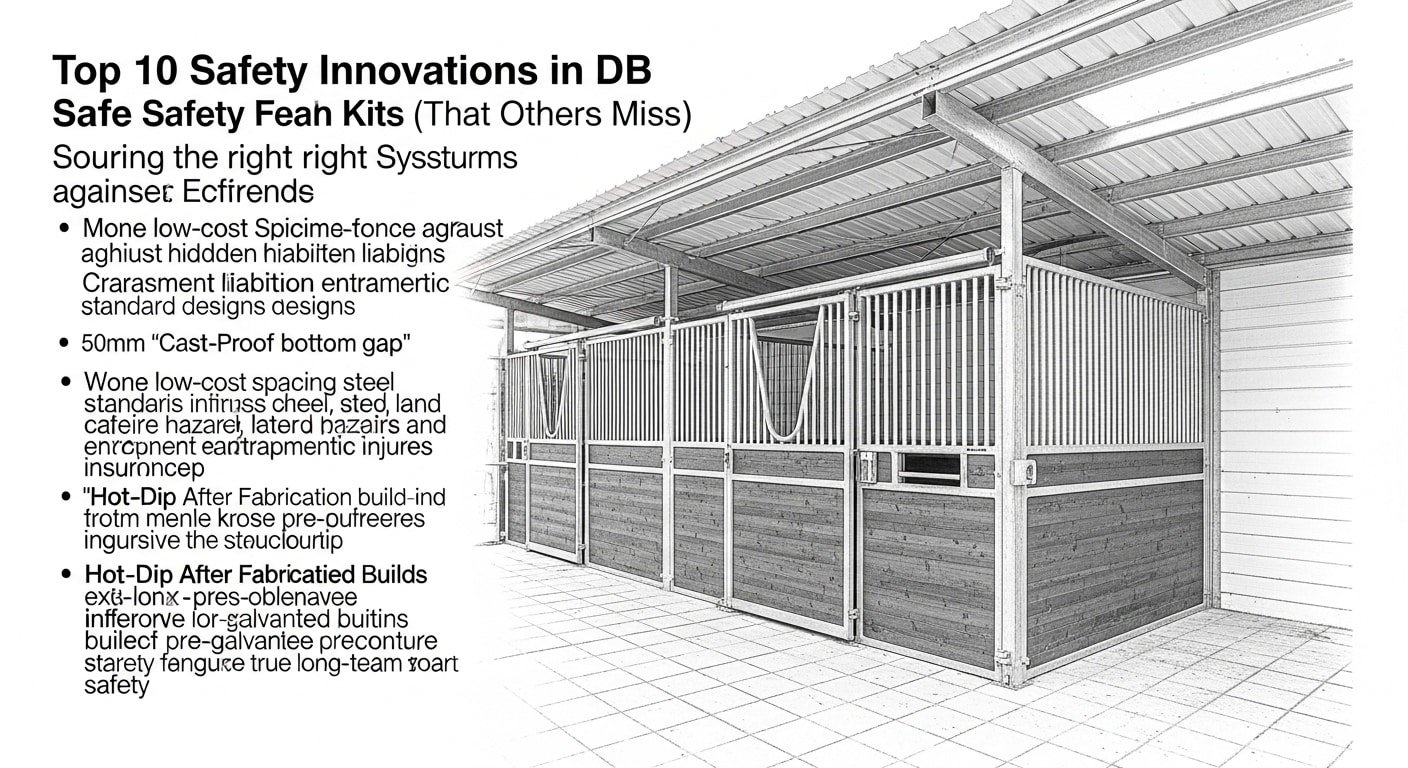
| 2. Pre-Galvanized Welding | The heat from welding burns off the zinc coating at the joints. These unprotected welds are the first points to rust, undermining the entire structure. | Hot-dip galvanization is performed *after* all fabrication and welding is complete, conforming to ISO 1461 for full protection. |
| 3. Untreated Wood Infill | Softwoods like untreated pine will rot, warp, and splinter when exposed to moisture and chewing. This requires constant replacement and can injure the horse. | Use either high-density strand woven bamboo (rot-resistant, harder than oak) or zero-maintenance, UV-stabilized HDPE. |
| 4. Standard Steel Hardware | Standard plated bolts, hinges, and latches will rust within months. This looks bad, stains the stable, and can eventually lead to mechanical failure. | All hardware, including bolts, connectors, and screws, should be 304 Stainless Steel for genuine corrosion resistance. |
| 5. Loose Container Loading | Loading stable panels without proper packaging leads to scratches, dents, and bent components during shipping. The product arrives damaged before it’s even installed. | Products should be flat-packed onto steel pallets. This secures every component, prevents transit damage, and makes unloading safer and easier for distributors. |
Preguntas frecuentes
Is it safe to wire money to a manufacturer in China?
Yes, wiring money is safe when using licensed, legal banking channels. Chinese regulations, overseen by the State Administration of Foreign Exchange (SAFE), require documentation like contracts and invoices to process payments. This ensures the transaction is legitimate. Avoid informal or underground channels to stay compliant with anti-money laundering laws.
What is the difference between pre-galvanized and hot-dip galvanized steel?
Hot-dip galvanizing means the entire steel stable panel is submerged in molten zinc *after* all welding and fabrication is complete. This process provides a thick, protective coating over everything, including the welds. Pre-galvanized steel is coated *before* fabrication, which leaves the welded joints exposed and prone to rust. We exclusively use the hot-dip after fabrication method for superior rust protection.
How can I verify the steel thickness of the stable panels?
You can use simple mechanical tools like calipers or a micrometer to get a direct measurement of the steel’s thickness. For a non-destructive test on a single side, an ultrasonic thickness gauge is effective. These methods allow you to confirm that the material meets the specified 14-Gauge (2.0mm – 2.5mm) thickness standard.
Are contracts written in English legally valid in China?
Yes, contracts written in English are fully valid and enforceable under Chinese law. While a Chinese version isn’t legally required, it can help prevent miscommunication with the factory. To be legally binding, the contract must have a wet ink signature and the supplier’s official company seal.
Engineer Your Stables for Decades of Use
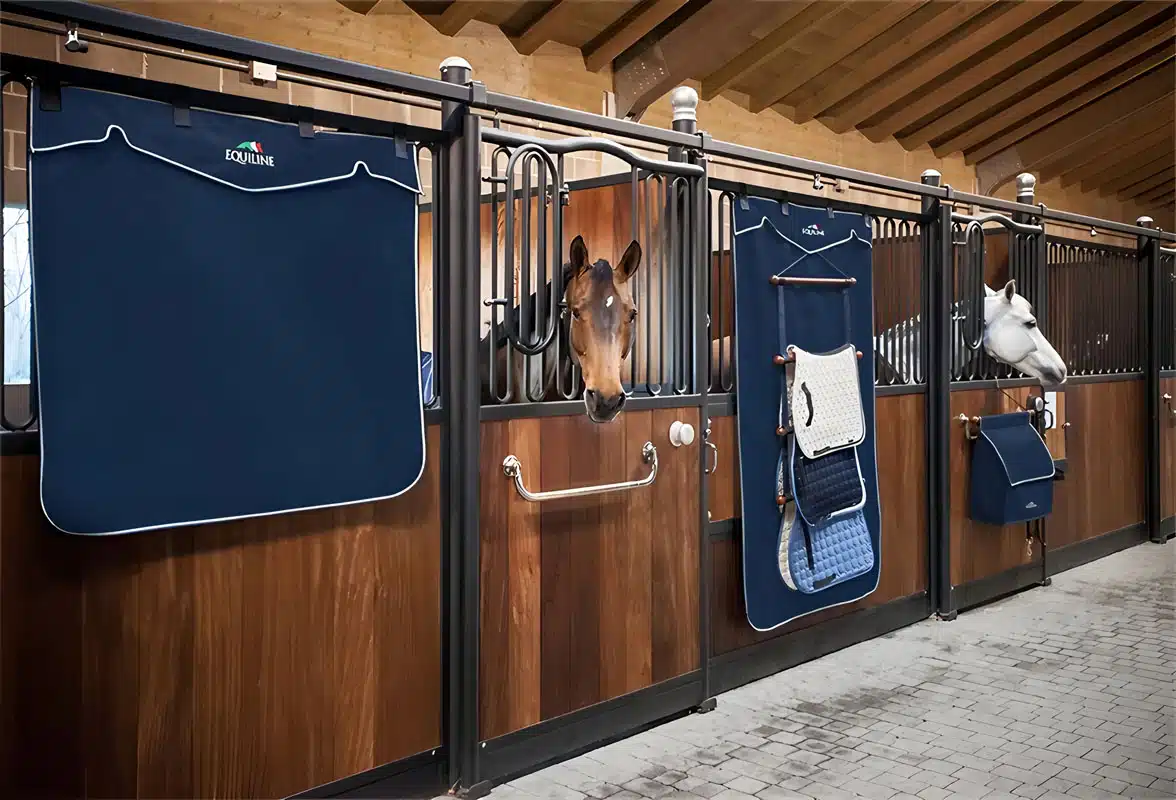
Reflexiones finales
Choosing a supplier on price alone means buying predictable failures, like pre-galvanized welds that rust on arrival. Our partners choose the ISO 1461 hot-dip standard to protect their brand and eliminate warranty headaches. This focus on engineering over cost is what builds a profitable, long-term distributorship.
Verify our standards for yourself. Request our complete engineering catalog to review material specifications and our profit-protecting flat-pack system. We can then schedule a trial order configured for your specific market.

 Spanish
  English
  French
  Arabic
  German
0 comentarios