


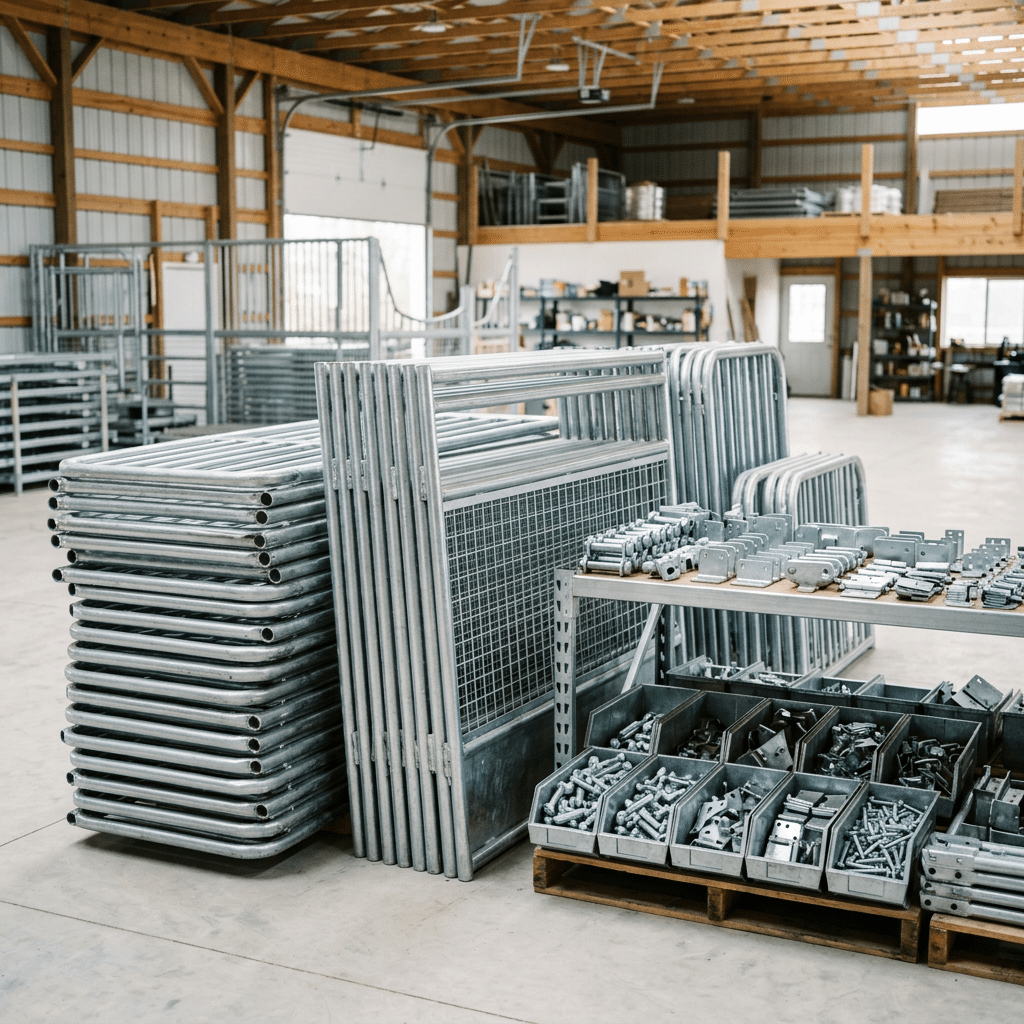
For structures in seismic zones, the choice between bolted modular and fully welded construction is a critical engineering decision with direct financial consequences. A rigid, fully welded frame risks catastrophic shear failure during a tremor, leading to total asset loss and exposing owners to extreme liability.
This analysis benchmarks the performance of bolted systems using high-tensile Q235B steel against traditional welded structures. We evaluate connection point integrity and the capacity for energy dissipation, providing a clear engineering comparison for architects and project managers in high-risk regions.
El auge de la gobernanza ambiental y social en la construcción
ESG in construction shifts focus to durable materials and resilient design. This protects public safety and long-term asset value through responsible, sustainable building practices.
What ESG Means for Modern Building Standards
ESG frameworks are no longer just about optics. They provide a practical structure for managing compliance, stakeholder demands, and risk throughout a project’s life. It’s a shift from short-term cost-cutting to long-term value and resilience.
The “Social” part of ESG directly addresses public safety. This means choosing designs and materials that can handle real-world environmental stress, from extreme weather to seismic activity. The goal is to build structures that protect the people who use them.
From an “Environmental” standpoint, the focus is on reducing waste and impact over the entire lifecycle of a building. This favors durable, long-lasting materials like structural steel that don’t need frequent replacement, minimizing the consumption of new resources.
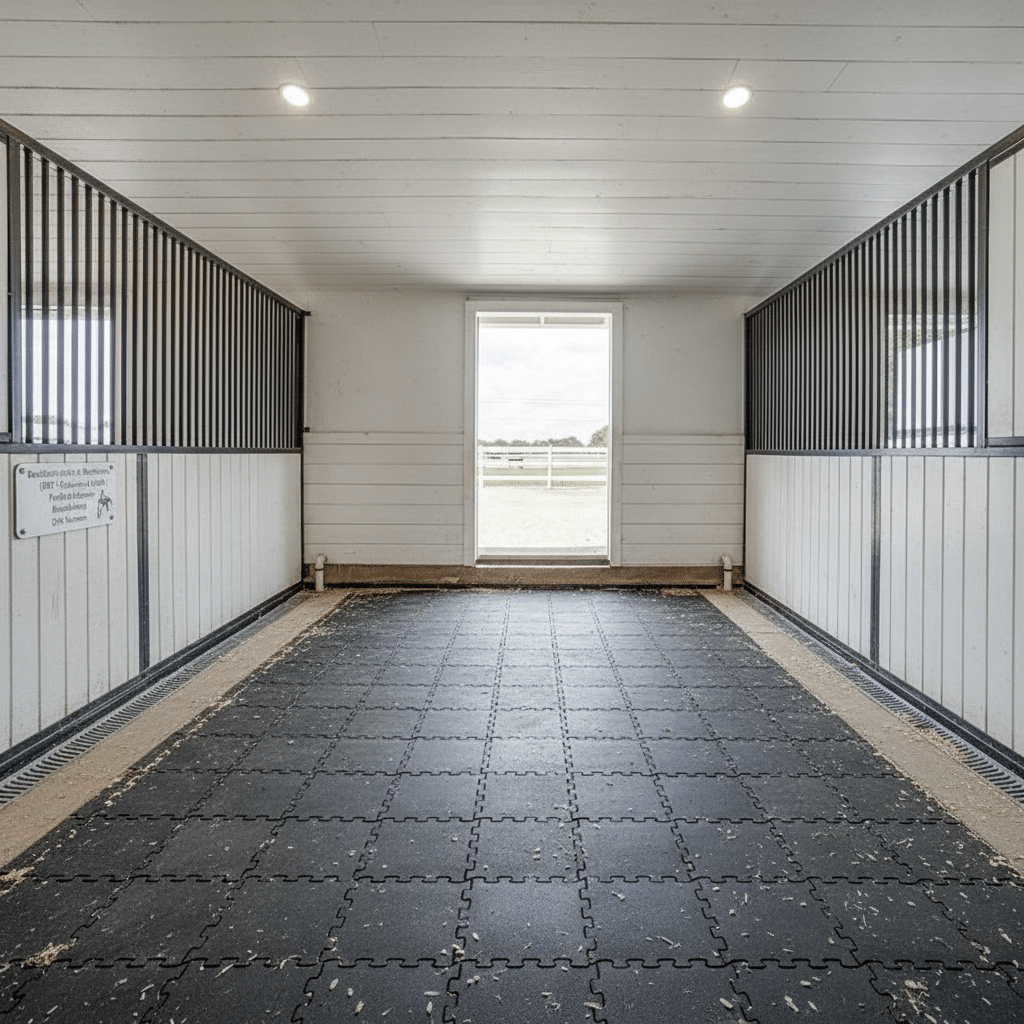
Hot-Dip Galvanizing (ISO 1461) for Sustainable Structures
A core process that directly supports ESG goals is Hot-Dip Galvanization After Fabrication. This method involves welding the steel components first and then dipping the entire structure into molten zinc. It ensures complete, seamless protection against rust, unlike pre-galvanized materials where welds remain exposed and vulnerable.
This process adheres to the BS EN ISO 1461 standard, guaranteeing a zinc coating thickness of over 70 microns on structural tubing. This level of protection significantly extends a structure’s service life, which reduces the need for costly replacements and minimizes material waste over decades.
Using high-strength Q235B steel as the base material ensures fundamental structural integrity. When combined with proper galvanization, it satisfies both the “Social” goal of safety and the “Environmental” goal of durability, creating a truly ESG-aligned asset.
Alejarse de la madera antigua (roble/pino)
Modern stables now use engineered materials over traditional oak or pine. High-density bamboo and HDPE offer superior durability, rot resistance, and are more sustainable for today’s facilities.
Challenges with Traditional Oak and Pine Boards
Traditional timber simply doesn’t hold up in a stable environment. The constant
exposure to moisture and humidity causes oak and pine boards to rot, grow mold, and warp over time. This creates an unhealthy environment and leads to constant replacement costs.
Softer woods also present a safety risk. Horses can chew, crib, or kick through these boards, creating dangerous splinters and requiring immediate, costly repairs. From a sourcing standpoint, relying on old-growth forests is becoming less viable and sustainable compared to modern engineered materials.
Engineered Infills: High-Density Bamboo and HDPE
Engineered materials directly solve the problems of traditional wood. High-Density Strand Woven Bamboo, for example, has a Janka Hardness rating over 3000 lbf. That makes it about three times harder than Oak, providing extreme resistance to kicks and impacts.
UV-stabilized High-Density Polyethylene (HDPE) is another excellent alternative. It provides a zero-maintenance, impact-absorbing solution for stall walls. It will not crack, rot, or splinter, making it one of the safest and most durable options available for any equestrian facility.
Get Climate-Proof Stables Engineered to Last.
Las mejores fábricas adoptan materiales sostenibles
Leading factories now integrate renewable energy, digital monitoring, and zero-waste operations, making sustainability a core competitive standard, not just a marketing claim.
| Rank | Factory | Ubicación | Key Sustainability Features |
|---|---|---|---|
| 1 | Siemens Electronics Works Chengdu (SEWC) | China | 24% energy reduction per unit, 48% waste reduction, 3,000 tonnes annual CO₂ reduction. Uses digital twins and AI for carbon tracking. |
| 2 | Nestlé Surčin | Serbia | Zero waste to landfill, with all waste being recycled or recovered. |
| 3 | Unilever Facilities | India, UK | Flagship facilities that showcase environmental responsibility in manufacturing. |
| 4 | Procter & Gamble Taicang | China | Runs on 100% renewable electricity with advanced water management and zero manufacturing waste to landfill. |
| 5 | Lego Factory | Vietnam | Set to run on 100% clean energy by 2026, using rooftop solar and large-scale battery storage. |
| 6 | Schneider Electric Network | US, China, Spain | Barcelona facility achieved zero CO₂ status with an integrated microgrid (solar, battery, EV charging). |
| 7 | IKEA Zbąszynek | Poland | Part of IKEA’s switch to 100% renewable electricity for all its factories and suppliers. |
| 8 | Ferrari E-Building | Sin especificar | Incorporates advanced sustainability design principles. |
| 9 | Tesla Gigafactory | Shanghái, China | Advanced manufacturing processes minimize waste and enhance energy efficiency for EV production. |
| 10 | Google Facilities | Sin especificar | Consistently ranked among top sustainable factory operations globally. |
These facilities are not isolated examples; they represent the new benchmark in industrial operations. Investments often run into the hundreds of millions or more, all focused on building climate resilience and maximizing resource efficiency.
Bambú tejido en hebras: Un sumidero de carbono de alto rendimiento
Strand-woven bamboo captures significant CO2 during its rapid growth. This carbon remains locked in the dense planks, turning stable walls into long-term carbon sinks and replacing high-emission materials.
Rapid Growth and High-Yield Carbon Sequestration
Bamboo’s effectiveness as a carbon sink comes down to its rapid growth cycle. Unlike hardwoods that take decades to mature, Moso bamboo is ready for selective harvest in just a few years, absorbing massive amounts of CO2 in the process. This makes it an incredibly efficient biological system for pulling carbon from the atmosphere.
- Bamboo plantations can sequester approximately 12 tons of carbon per hectare each year, nearly double the rate of typical forests.
- The dense underground rhizome system continues storing carbon in the soil even after mature stalks are harvested for production, making the entire ecosystem a carbon bank.
High-Densit
y Planks: Locking Carbon into Stable Walls
The carbon captured by the plant isn’t released when it’s processed into infill boards. Our manufacturing method for strand-woven bamboo locks that sequestered carbon into an extremely dense and durable final product, where it remains for the life of the stable.
- Our 28mm-38mm high-density strand-woven bamboo planks feature a Janka Hardness exceeding 3000 lbf, making them three times harder than oak.
- This process creates a durable infill that functions as long-term carbon storage, effectively making barn walls part of the climate solution.
Acero Q235B: La estructura reciclable 100%
Q235B steel is 100% recyclable, allowing it to be recovered and reused at the end of a structure’s life without losing integrity. This supports circular economy goals.
The Lifecycle of Structural Steel
Unlike many construction materials that degrade or end up in landfills, steel is fully recoverable. At the end of a building’s service life, its steel framework can be melted down and repurposed without any loss of structural properties. This creates a closed-loop system for materials.
This 100% recyclability is a core component of the circular economy. Modern steel recycling systems achieve a 95% recovery rate for structures, drastically reducing landfill waste and the demand for new raw materials. It provides a sustainable path for infrastructure development.
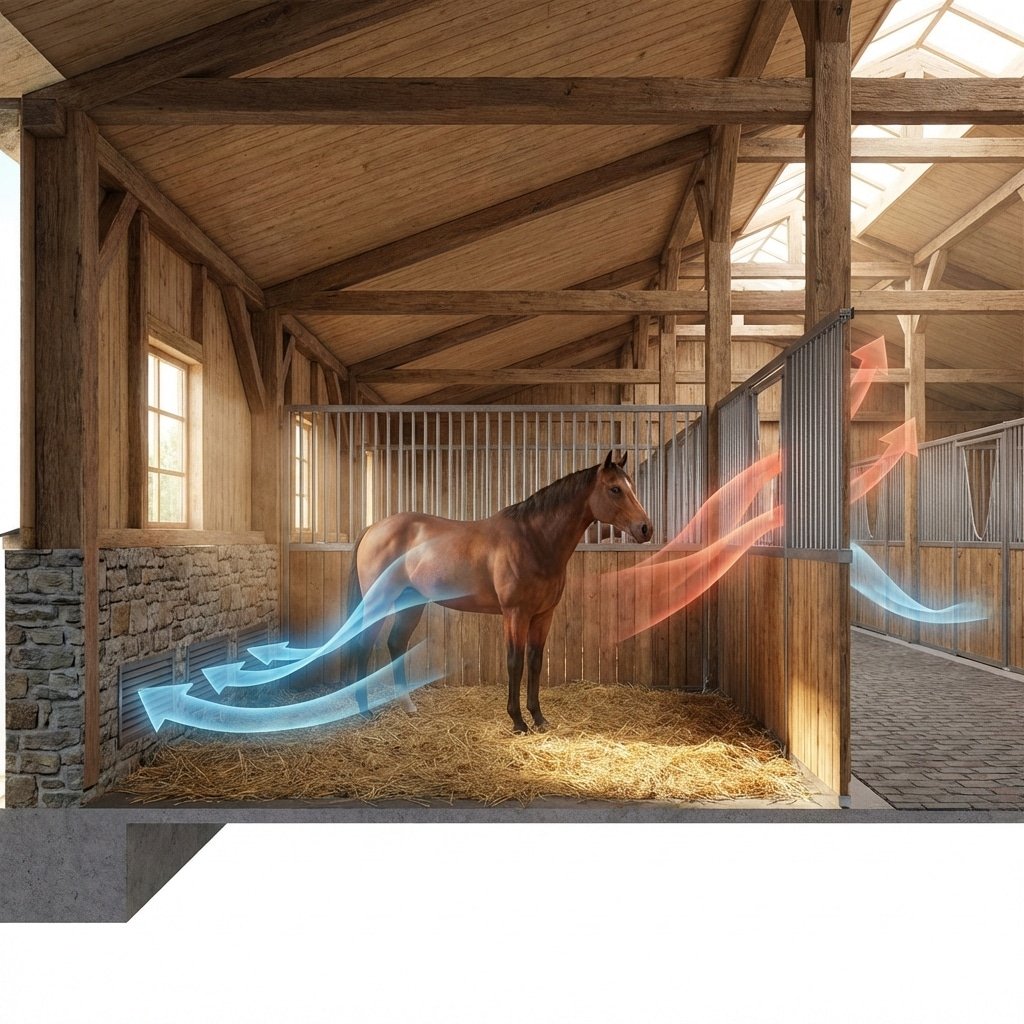
Q235B as the Standard for Durability and Reuse
Our standard framework material is Q235B structural steel, which is equivalent to the widely recognized ASTM A36 standard. We select this grade for its reliable performance and proven tensile strength, ensuring every structure is built for long-term integrity.
The durability of Q235B also makes it a valuable asset for future use. Its ability to withstand decades of service means the material remains a high-quality resource ready for its next lifecycle, whether in a new building or another application.
Preguntas frecuentes
How can a horse stable facility be more sustainable or ESG-compliant?
A sustainable facility integrates environmental, social, and governance (ESG) practices. Environmentally, this involves using materials with a long lifecycle and high recyclability, such as hot-dip galvanized steel, and adopting renewable energy. Socially, it focuses on animal welfare and safe working conditions. Governance includes transparent and ethical business operations.
Is bamboo a good eco-friendly choice for stable walls?
Yes, bamboo is a superior sustainable material. It is the fastest-growing plant on Earth, absorbs more CO₂ than trees, and regenerates without replanting. For stables, high-density strand-woven bamboo is extremely durable, with a hardness greater than most hardwoods, and it is naturally resistant to mold and rot.
Which is more environmentally sound for a barn structure: steel or wood?
Each has different advantages. Wood requires less energy to produce initially. Steel, however, is 100% recyclable without any loss of quality and provides superior long-term durability against rot, pests, and fire. A properly protected steel frame, like one that is hot-dip galvanized after fabrication, offers a much longer service life, reducing the need for replacements and repairs.
Are there official ‘green certifications’ available for horse stables?
As of 2026, there are no widely recognized ‘green certifications’ specifically for horse stable construction. Facilities typically achieve sustainability goals by choosing durable, recyclable materials, implementing efficient water and waste management systems, and ensuring high standards of animal welfare.
Reflexiones finales
While generic stables offer a lower upfront cost, our Hot-Dip After Fabrication standard is the only way to safeguard your reputation against rust claims and structural failures. Choosing ESG-aligned materials isn’t just about compliance; it’s a commercial strategy to reduce liability and build long-term client trust.
Don’t guess on quality—verify it. We recommend a trial order to evaluate our engineering, weld integrity, and the ISO 1461 galvanizing finish firsthand. Contact our team to discuss your market’s specific requirements and our OEM partnership programs.

 Spanish
  English
  French
  Arabic
  German
0 comentarios