Maintaining horse stalls for a 20-year lifespan is determined by the initial fabrication standard, not the cleaning routine. Most rental fleets fail prematurely due to rust at the welds—a direct result of suppliers using cheap, pre-galvanized tubing. This single...
Sourcing effective Multi-Species Modular stabling demands a rigorous balance between equine containment strength and small-stock safety. Standard 3-inch bar spacing creates lethal entrapment risks for alpacas and foals, rapidly converting a versatile barn investment...
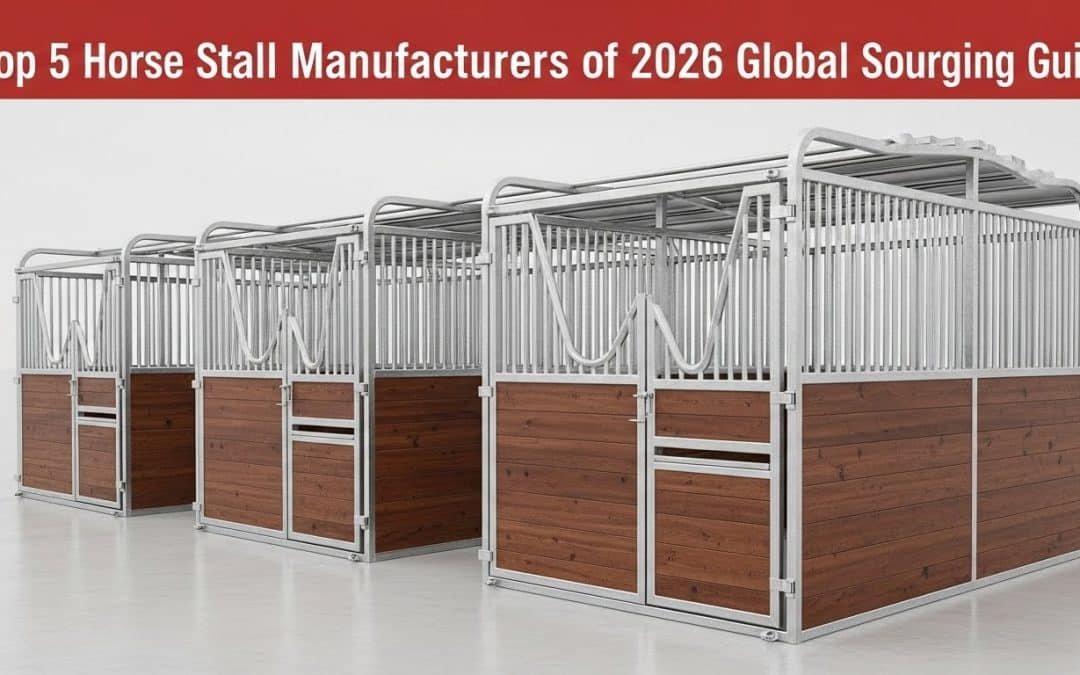
Sourcing horse stall panels from the wrong manufacturer is a direct threat to distributor margins. Bulky, fully-welded stalls are inefficient to ship, often loading only 12 sets per container and inflating per-unit freight costs. This logistical oversight can erase...
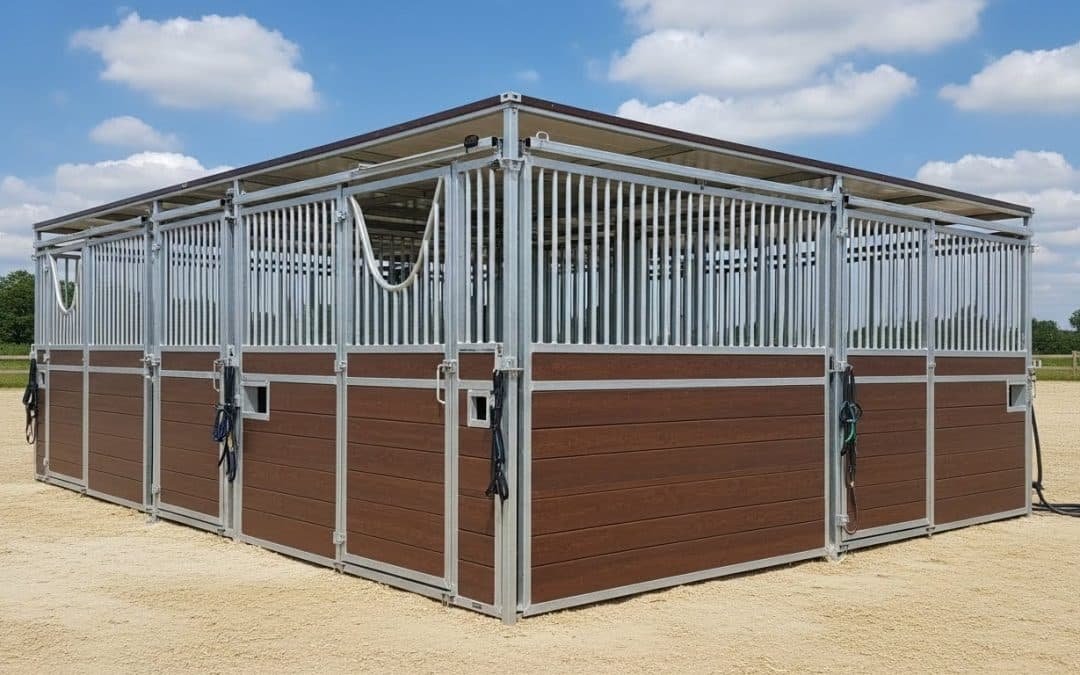
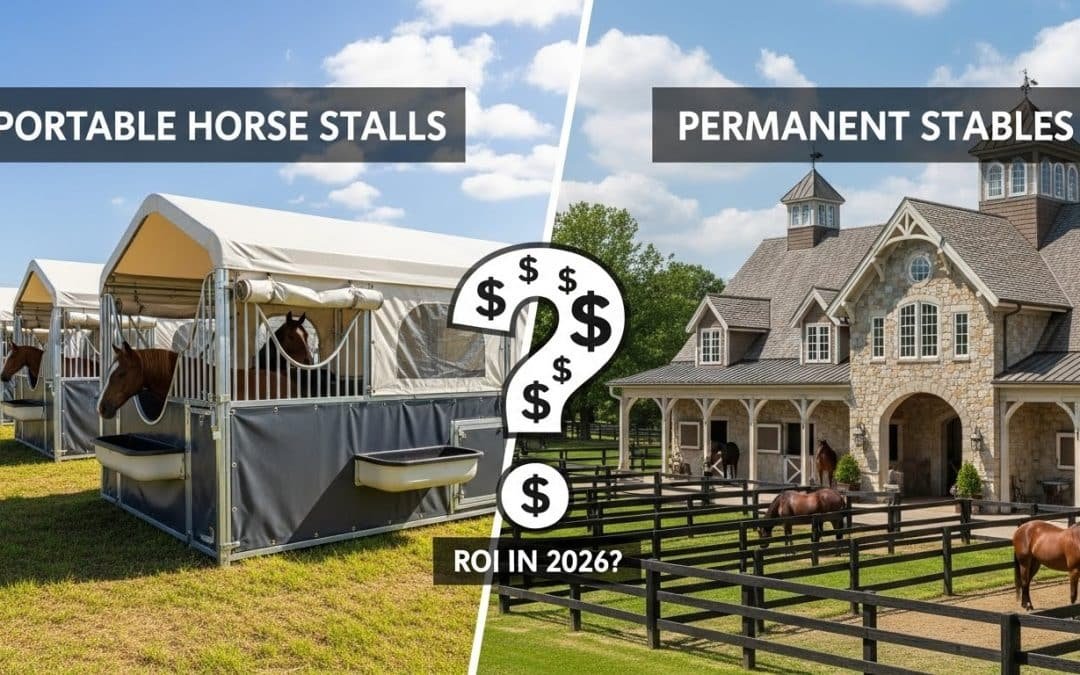
Investing in portable horse stalls creates a liquid asset rather than a sunk cost, fundamentally shifting the ROI calculation for rental operators. While traditional masonry traps capital in groundworks and permitting delays, modular steel systems reduce upfront CapEx...
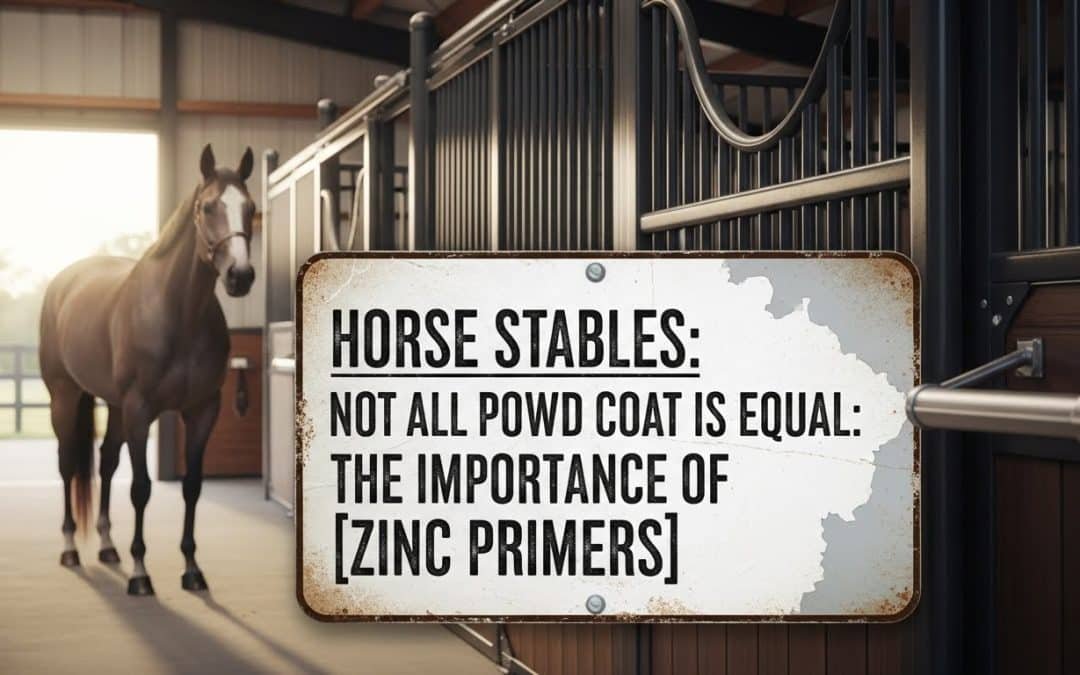
When your powder-coated steel components start to rust or peel, the problem isn’t the topcoat—it’s what’s missing underneath. A standard, single-coat finish looks good initially but lacks the foundation to prevent corrosion. For any equipment exposed...
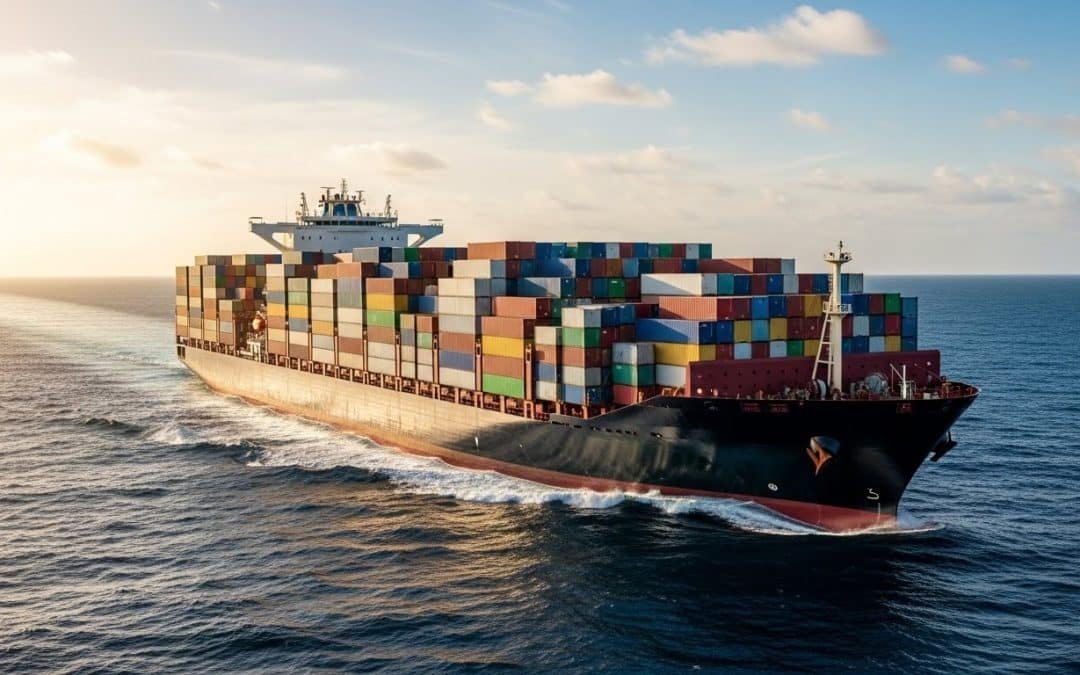
Programar sus envíos entre agosto y enero expone su cadena de suministro a la volatilidad de la temporada alta. Durante este periodo, los transportistas suelen aplicar un aumento general de tarifas (GRI) con un promedio de entre el 4 % y el 61 %3T, y un aumento repentino de los viajes en blanco puede dejar su carga varada en el puerto...

 Spanish
 English
 French
 Arabic
 German