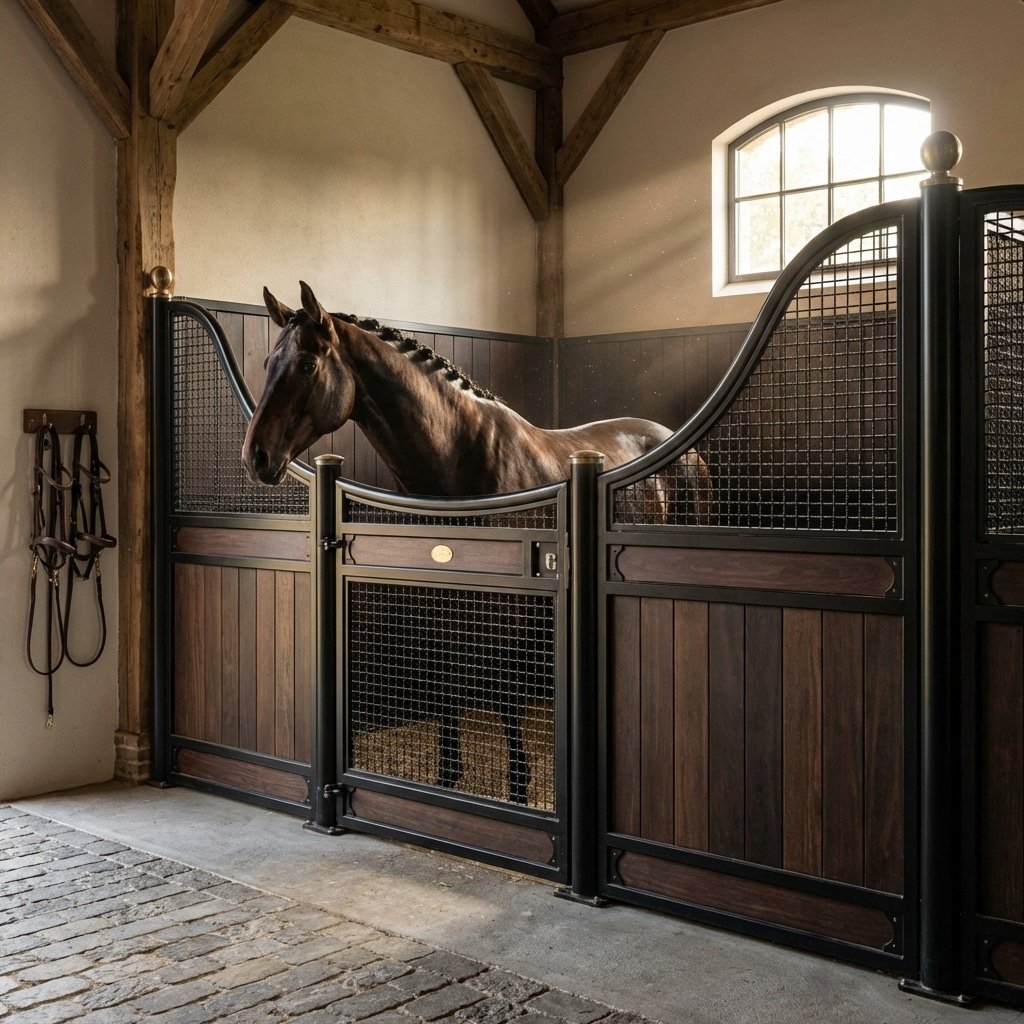
Supplying elite stables in Germany demands strict adherence to safety protocols for heavy Warmbloods. Standard Q235B steel often yields under the 1,400lb impact force of a Holsteiner, leading to catastrophic structural failure and expensive liability claims. This...
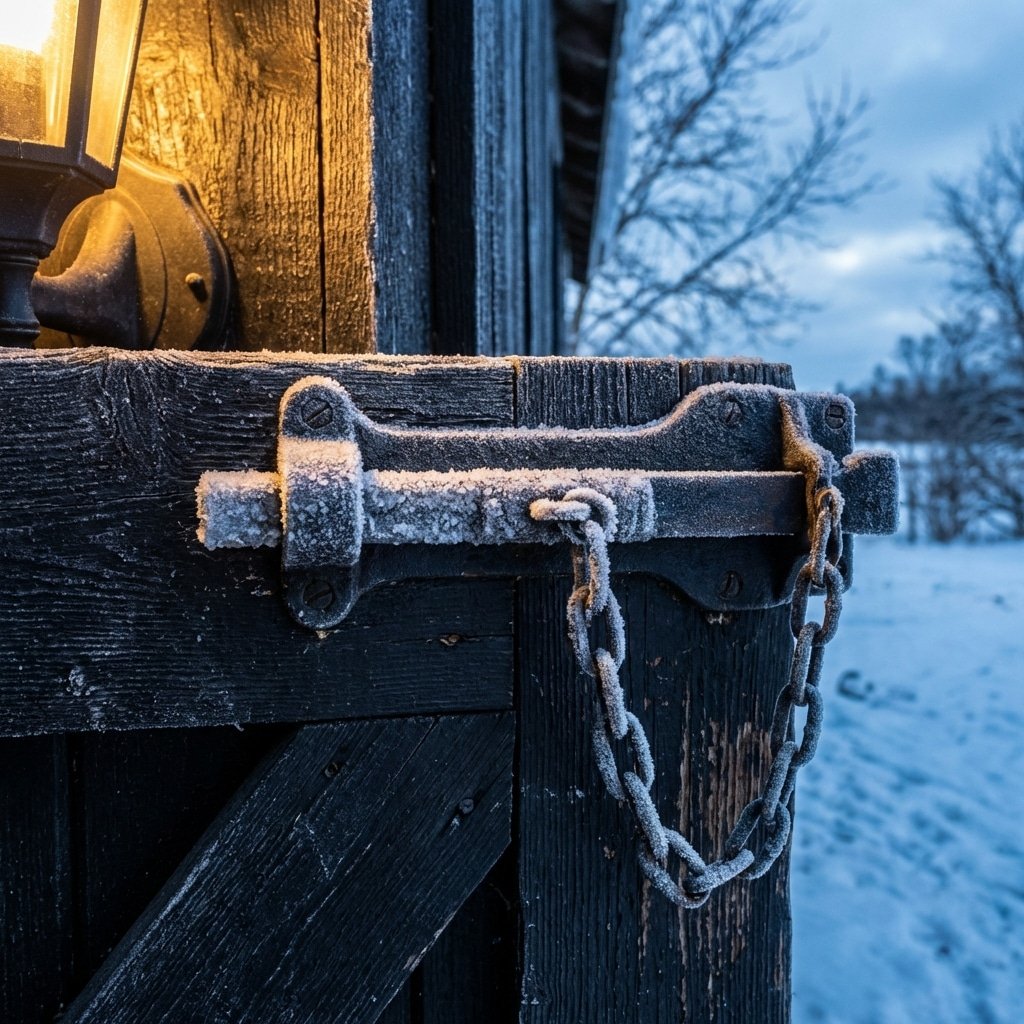
Latch Freezing is a structural liability that compromises safety standards and increases maintenance overhead for professional equestrian facilities. Relying on generic hardware often leads to brittle fractures during forced entry, while improper lubrication with oil...
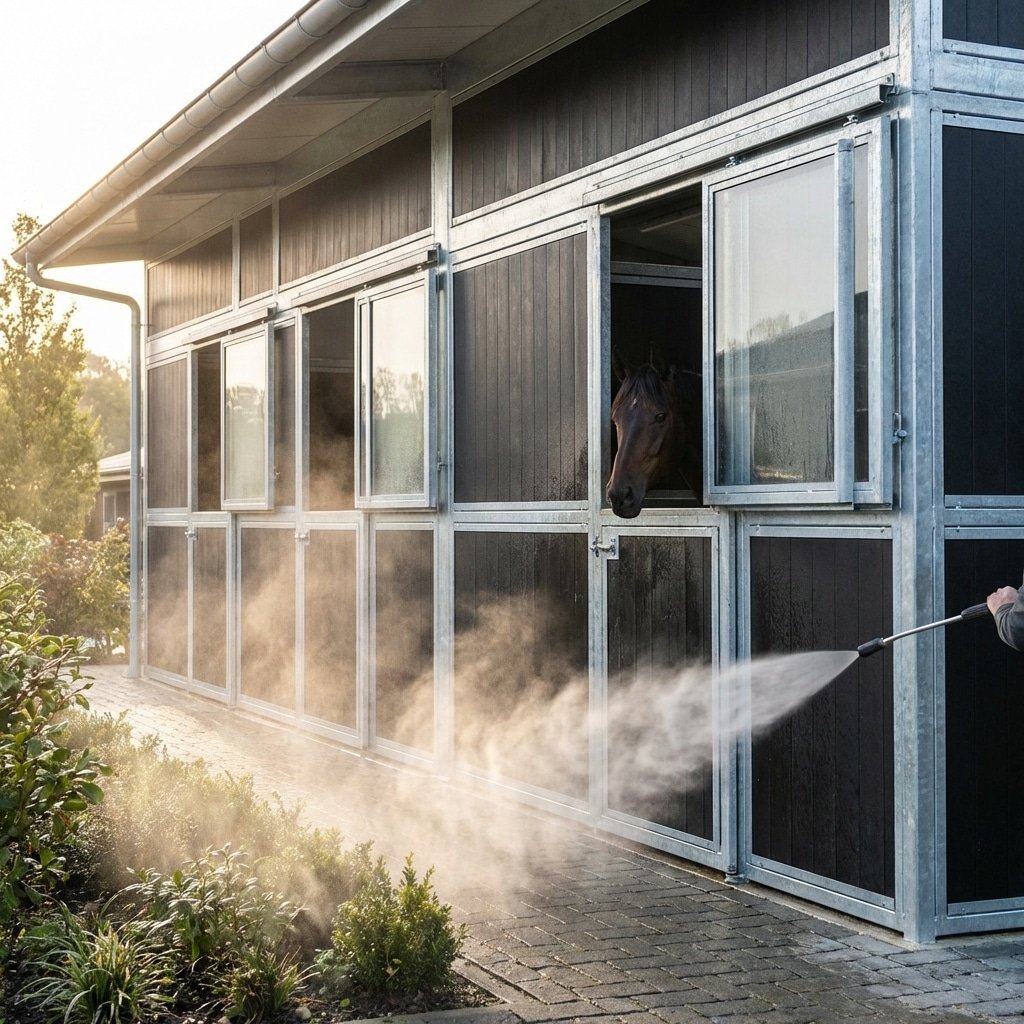
Pressure washing frequently creates a conflict between biosecurity standards and asset preservation in equine facilities. While high-pressure sodium hypochlorite solutions eliminate respiratory pathogens, they simultaneously saturate wood fibers and strip weak zinc...
Integrating Trench Drains into commercial wash bays often forces builders to choose between drainage efficiency and structural integrity. Installing solid-base stall fronts directly over these channels creates a dam effect that traps corrosive ammonia and accelerates...
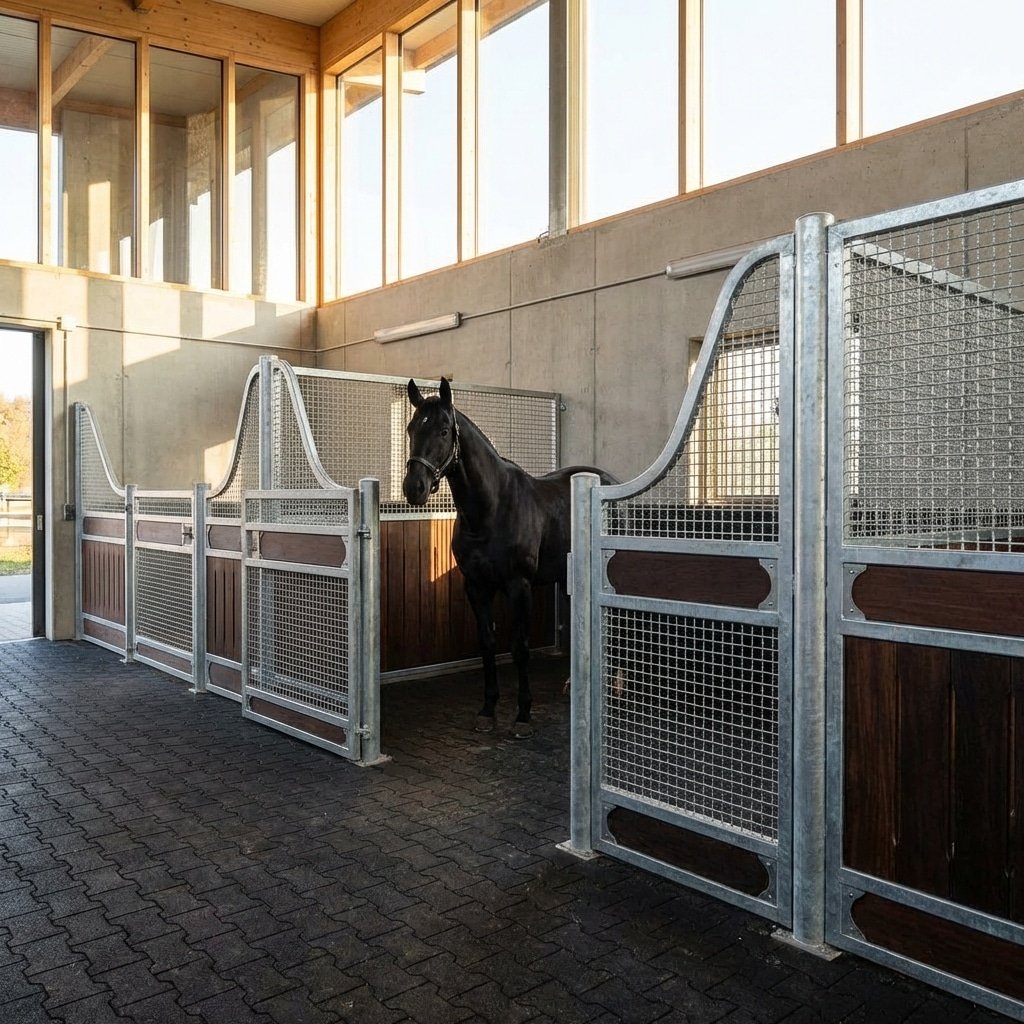
Equipping facilities in Germany for large Warmbloods requires engineering that exceeds standard 2.2m limitations. Athletic breeds like Hannoverians generate massive kinetic force, making standard Q235B steel a significant liability for professional yards where injury...
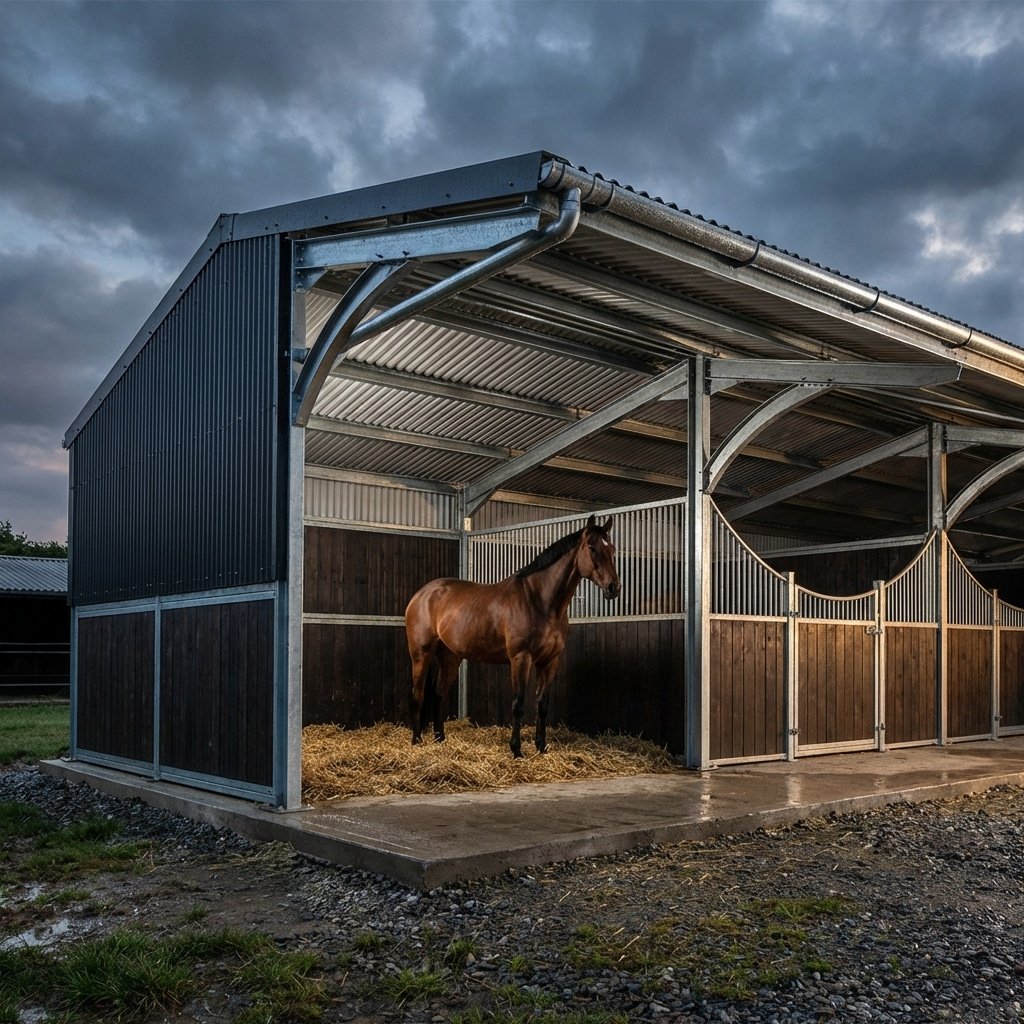
Outdoor weathering dictates the actual lifespan of any free-standing equestrian structure. While generic painted panels offer lower upfront costs, they fail rapidly under UV and moisture exposure, forcing owners to replace rusted frames within just a few seasons.This...




 Spanish
  English
  French
  Arabic
  German