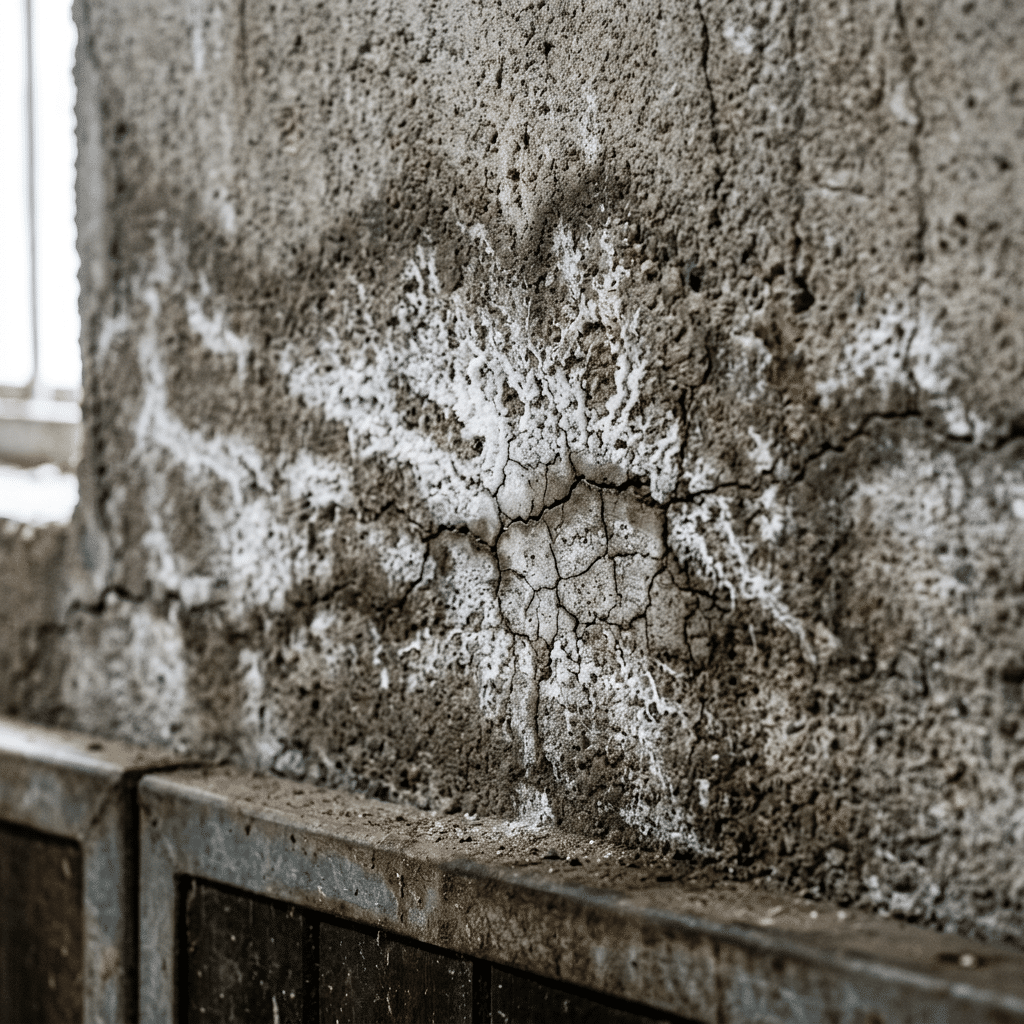
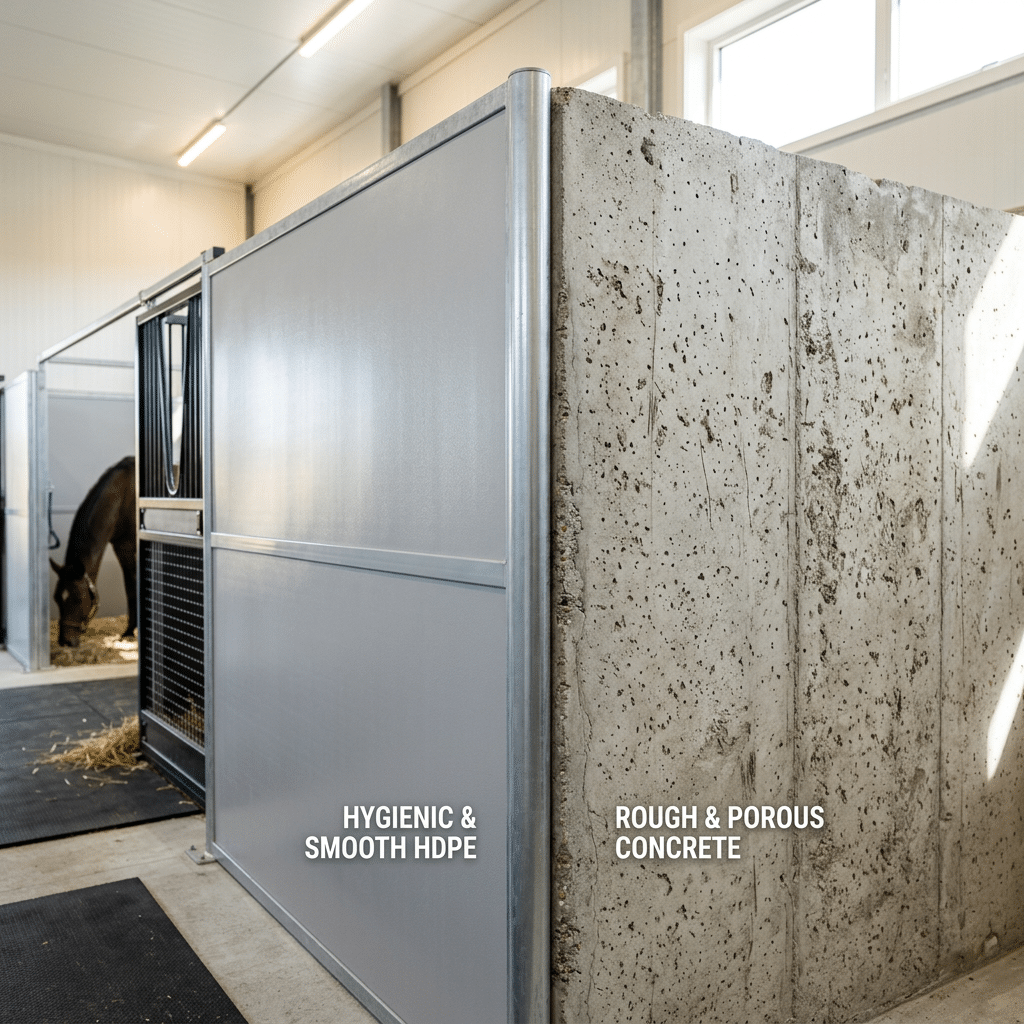
For equestrian auction houses, temporary stabling specifications directly control biosecurity and turnover speed. Traditional stalls built from wood or standard steel absorb contaminants, making rapid sterilization impossible and leading to structural rot. This...
Specifying equipment for a Vet University Hosp. project directly impacts long-term liability and operational costs. The use of standard materials like treated pine in high-humidity stalls or underspecified steel for ceiling hoists creates vectors for disease and...
Optimizing stabling infrastructure for State Fairgrounds is a direct pivot from recurring rental expenses to asset-based profitability. Relying on disposable rental fleets drains potential revenue, whereas owning a modular system captures 100% of exhibitor fees while...
Securing durable temporary stabling for State Fairgrounds dictates the difference between a recurring operational expense and a revenue-generating asset. Relying on external rentals bleeds potential margins, while purchasing substandard fleet inventory invites rapid...
For any Draft Horse Rescue, specifying the right stabling architecture is a critical financial decision. Traditional wood construction seems affordable upfront but creates a recurring maintenance trap, diverting donor funds away from animal care and into a constant...
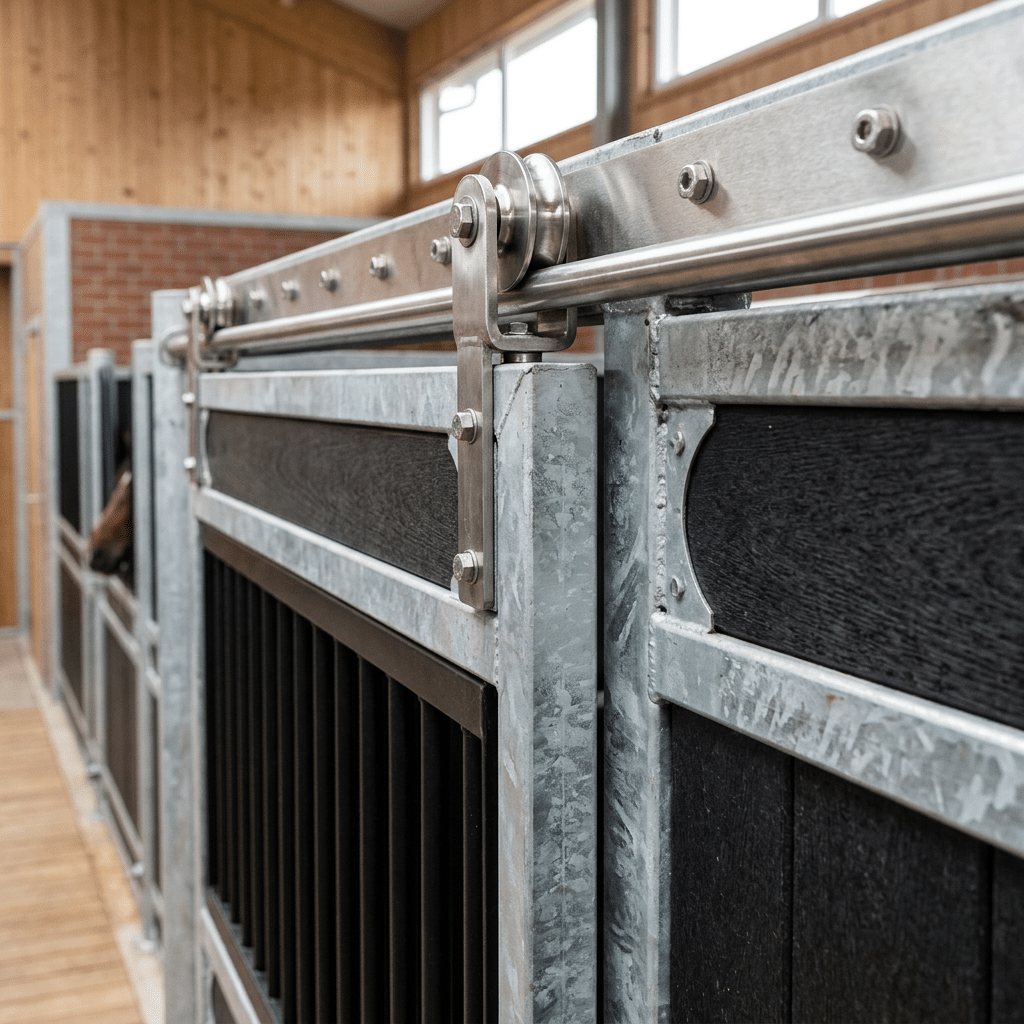
Police/Military HQ stabling procurement must prioritize structural resilience over agricultural standards to mitigate operational risk. Standard equipment often fails in humid or freezing climates, resulting in rapid material degradation, costly maintenance cycles,...

 Spanish
 English
 French
 Arabic
 German