Splinter colic is a preventable emergency directly linked to cheap pine boards in horse stalls. This single material choice can escalate a simple chewing habit into a $10,000 surgical procedure, a catastrophic cost that often exceeds standard insurance limits and...
Preventing frozen auto waterers addresses only one part of winter risk; the greater danger is catastrophic structural failure when standard materials turn brittle at -20°C. A single kick against a frozen Q235B steel post can cause a brittle fracture, creating a direct...
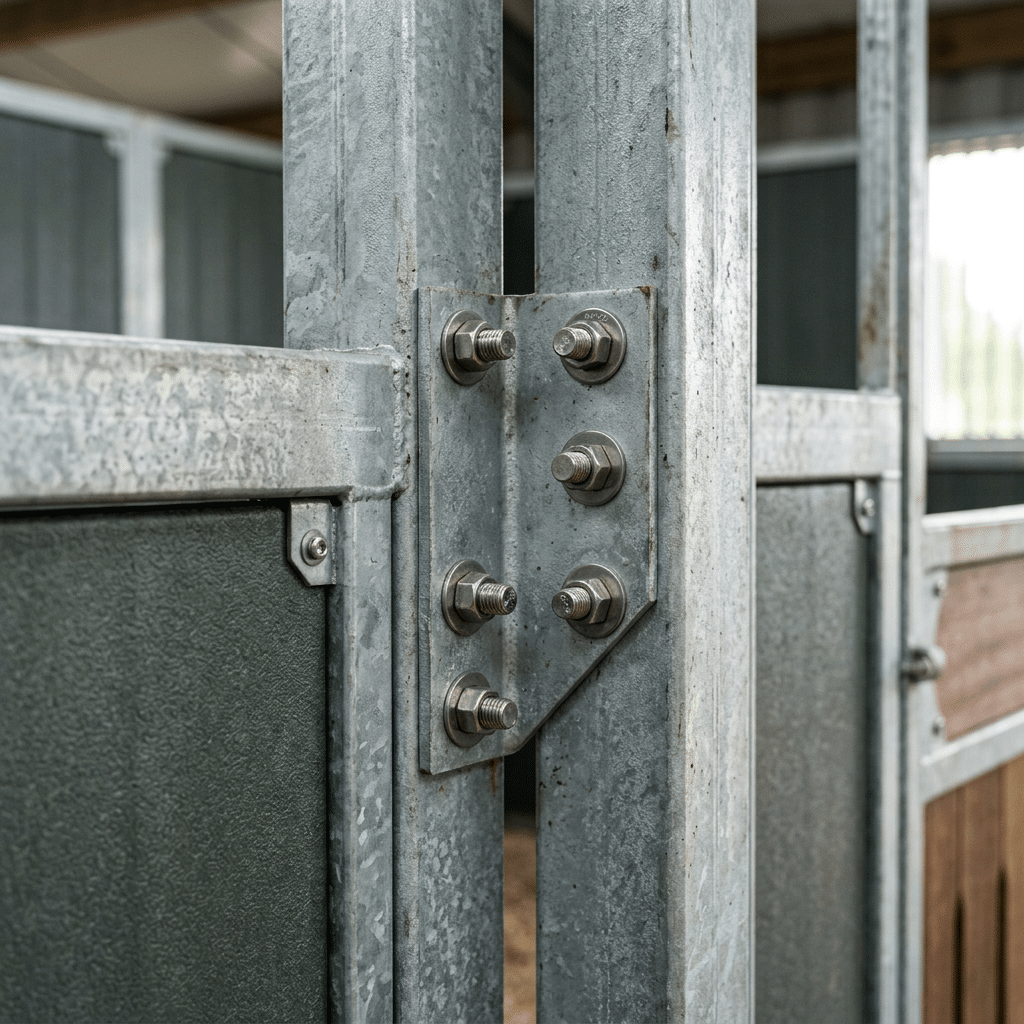
Rusted fasteners are the single most common point of failure in stable systems, turning a $2 hardware choice into a $100 emergency labor bill. The corrosive mix of ammonia and moisture guarantees standard zinc-plated bolts will seize, leading to predictable and costly...
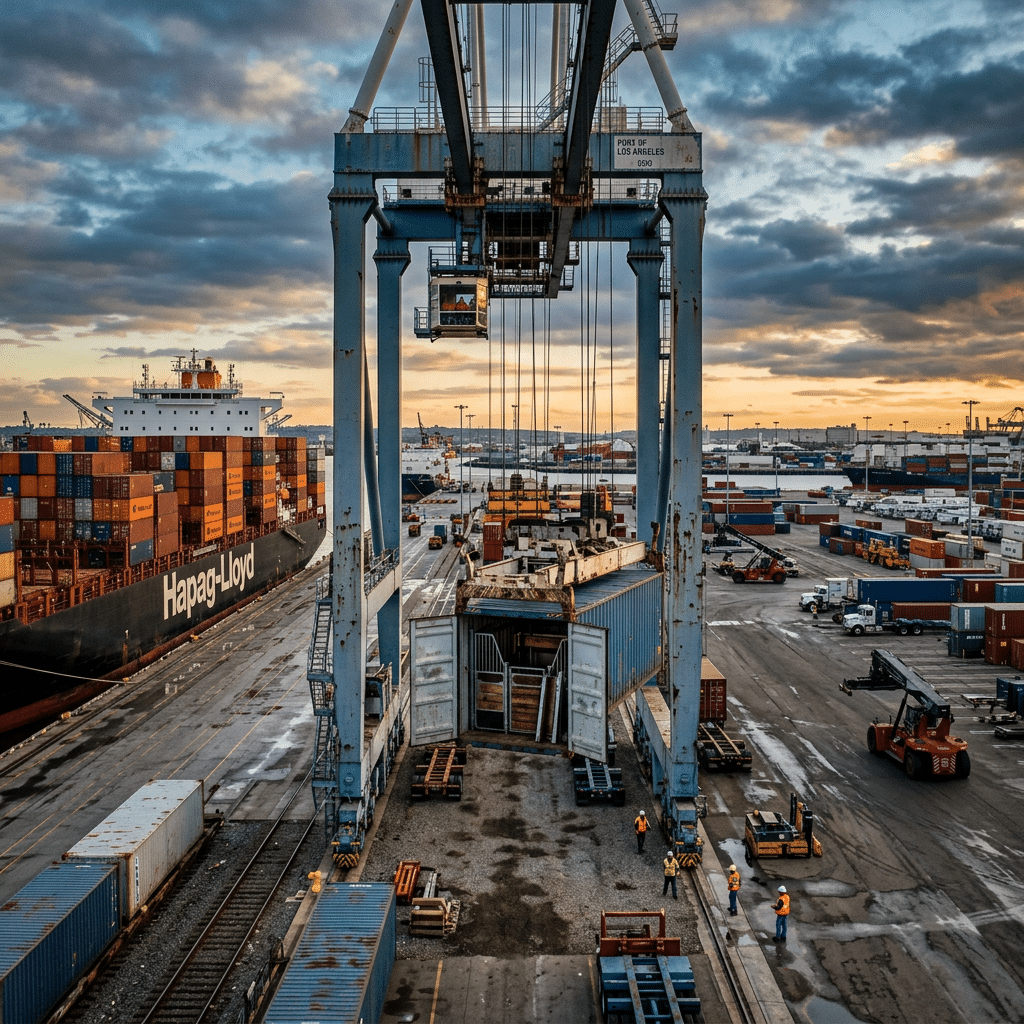
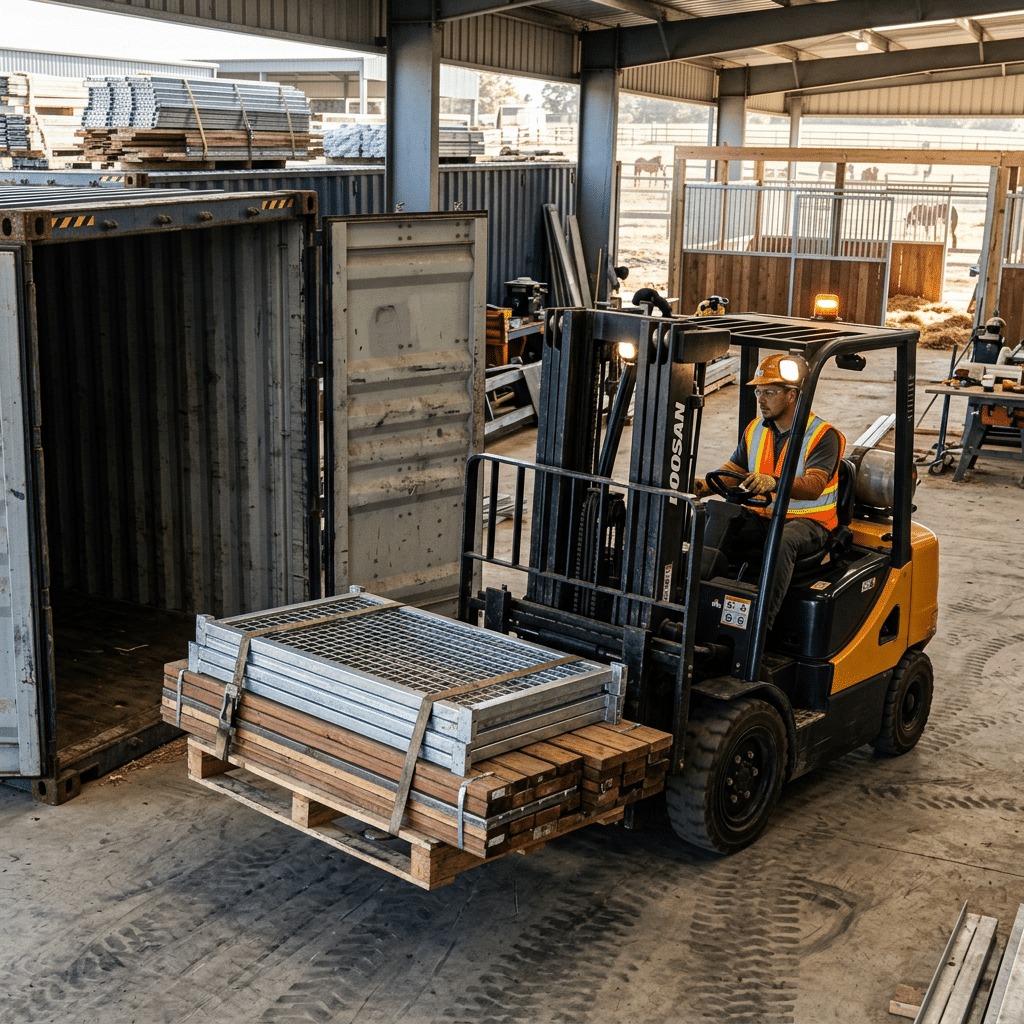
Sourcing Prefab Stall Kits involves a critical choice between high freight costs and unpredictable on-site labor. Fully welded systems can cut container capacity by over 60%, while kits requiring field welding transfer safety liabilities and hidden expenses to the...
Selecting the correct door tracks is the primary defense against operational failure in equestrian facilities. Standard tubular tracks are a known liability, jamming with hay and debris. This leads directly to high maintenance costs and animal safety risks, eroding...
Sourcing the correct stall windows is critical for preventing liability claims from aisle obstructions. Traditional swing-out shutters are a known hazard in busy barns, creating chokepoints that risk injury to staff and horses. For distributors, selling this outdated...



 Spanish
  English
  French
  Arabic
  German