


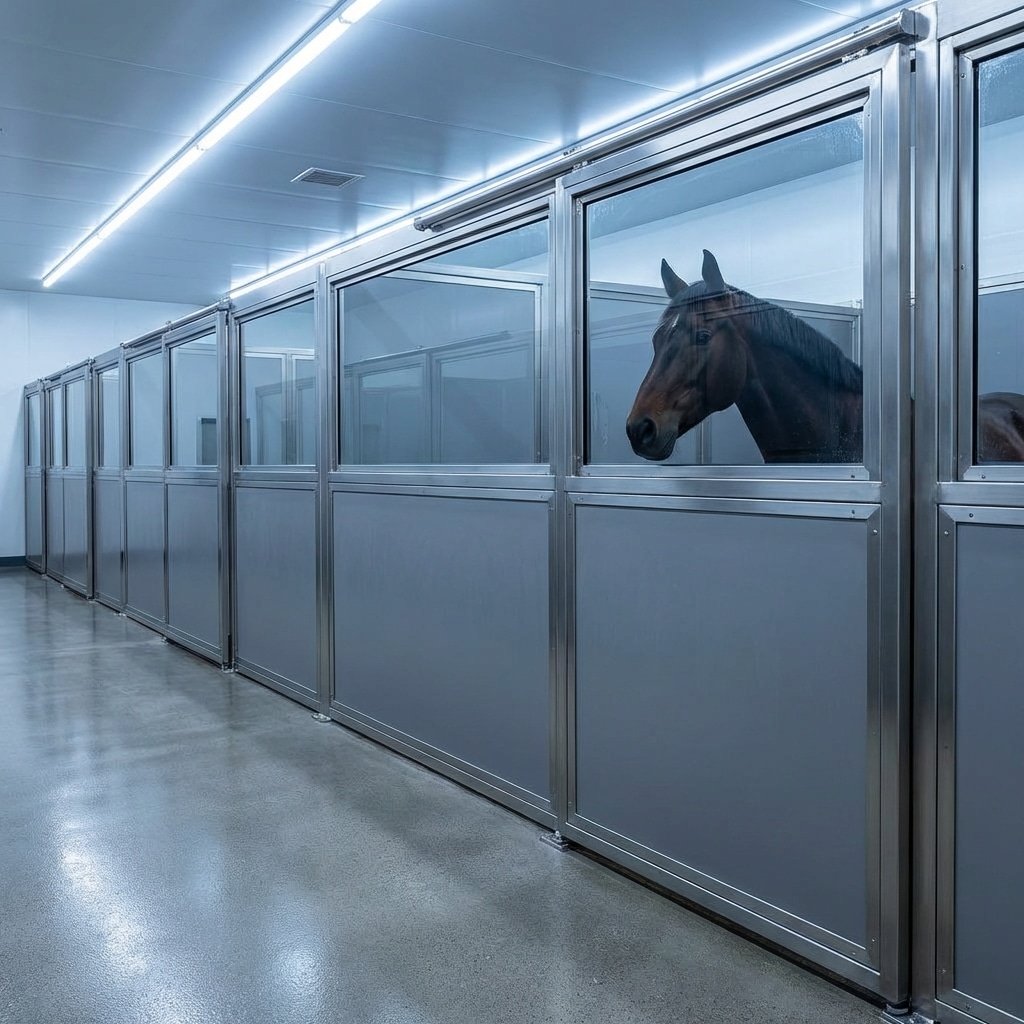
Barn airflow mapping is one of the cheapest diagnostics a yard can run, and almost nobody runs it. A stable that smells of ammonia at the back of the aisle, or where one stall stays damp while its neighbors dry, does not need a general rule about ventilation — it has places where air stops moving, and those places have positions and causes you can draw on a plan.
The reason the map matters more than the fan is money. Mechanical upgrades on an existing building are the expensive end of the fix list, and they often correct a balance problem that an opening would have solved. A visible plume of smoke tells you which one you have before the purchase order is written.
Key Takeaways
- Map before you buy: a smoke walk shows where air stalls, which is a different question from how much air the building should move.
- Conditions decide the result: run it with openings in their normal winter position, note the weather, and repeat from the other end of the aisle.
- Three things the plume can do: lean somewhere, rise straight and hang, or reverse direction at a low point. Each points at a different fix.
- Dead zones cluster: aisle ends, the back third of stalls, low ceiling pockets, and any bay behind a loft or storage wall.
- What this site publishes: ventilated stable windows in the barn components line, plus BHS-aligned design for wet climates in the UK and New Zealand.
- What it does not publish: window or door dimensions, airflow rates, and any price.
The gap between the drawing and the building
Ventilation is designed around an empty building. Then the yard fills it: horses, mats, hay racks, a loft that was meant to be storage, dividers added where the plan showed an open run, and doors shut because the aisle is cold. Each of those changes the path the air was supposed to take.
Existing buildings carry one more handicap: the roof is on, the ridges are set, and the inlets sit wherever a previous builder put them. That is why a measurement pass beats a specification debate. A vendor can quote figures for equipment, but only a walk of your own aisle says whether air reaches the back of stall six.
Sketch the aisle first, with stall numbers, and mark the openings you can see: windows, grille panels, ridge vents, doors, any gap under a wall. The map is only useful if someone else can read it in six months.
Running the smoke walk
A smoke pencil or a slow-burning stick is the whole tool list. The method is unglamorous: hold it steady, move slowly, and watch what the plume does rather than what you expect it to do.
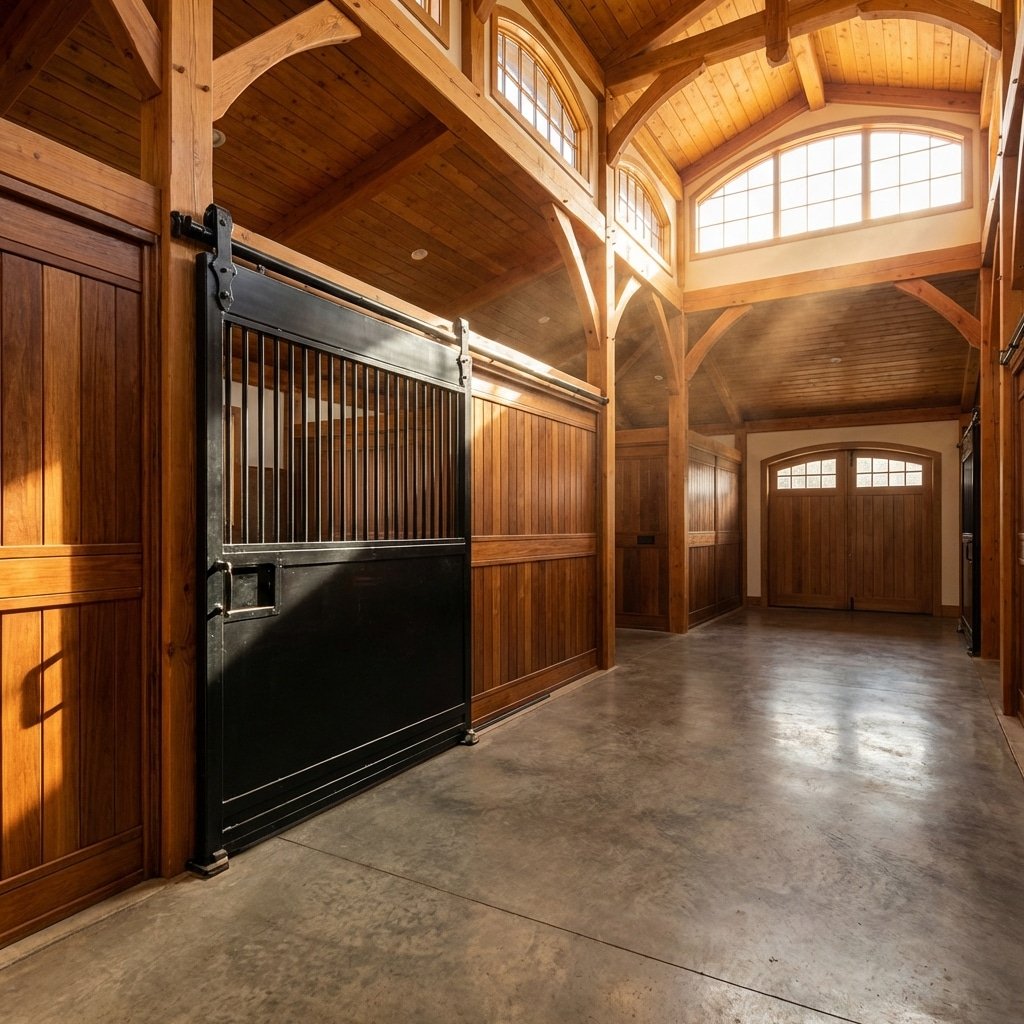
Work at two heights: horse-head level inside a stall, and aisle level near the ceiling where warm air collects. Start at one end and station yourself at each stall front long enough to see whether the plume leans, stalls or reverses. A two-second look at a drafty doorway proves nothing; the finding lives in the still spots.
Then repeat the walk from the far end, noting conditions as you go: wind direction, roughly how cold it is outside, whether the barn doors were open, and what was running. A naturally ventilated building changes with all four, so a map drawn on a still, mild afternoon describes that afternoon. If the yard reports a smell problem or damp bedding, catch the test in the conditions where the complaint appears.
Mark each station with one of three results — moving, still, or reversed — rather than a score. Anyone acting on the map later needs the pattern, not a reading from an instrument nobody calibrated.
Where dead zones form and why
Aisle ends are the common first finding. Air travels down a long run and then has nowhere to go at the termination, so the last two stalls exchange little unless an outlet sits above them or the cross-wall openings are working.
The back third of a stall behaves the same way. Fronts face the light and the traffic; the rear wall is where moisture settles and where a horse’s head is not, so nobody looks. When a plume rises straight up inside a stall and hangs there, the inlet serving that box is usually blocked, shut, or too far away.
Ceiling pockets and anything built after the roof — a loft, a mezzanine tack room, a row of hanging racks — shelter air above the horses. And a fan running against a closed inlet moves only the air it can reach, leaving the rest where it was.
Fixing the map in the right order
Work from the finding to the cheapest intervention, not the other way round. The pattern below covers most aisle maps.
| What the plume did | What it usually points to | Check next |
|---|---|---|
| Leans steadily toward one opening | A working path, with the inlet or outlet doing the pulling | Whether the other bays are starved by that one path. |
| Rises straight and hangs | Little horizontal exchange at that station | Shut windows, blocked grille panels, or a ceiling pocket above. |
| Reverses near a low point | Pressure imbalance between levels | Ridge or high-level outlets, and anything mechanical running. |
| Fine one day, still the next | Wind and temperature dependence of a natural system | Repeat the walk in opposite conditions before you spend. |
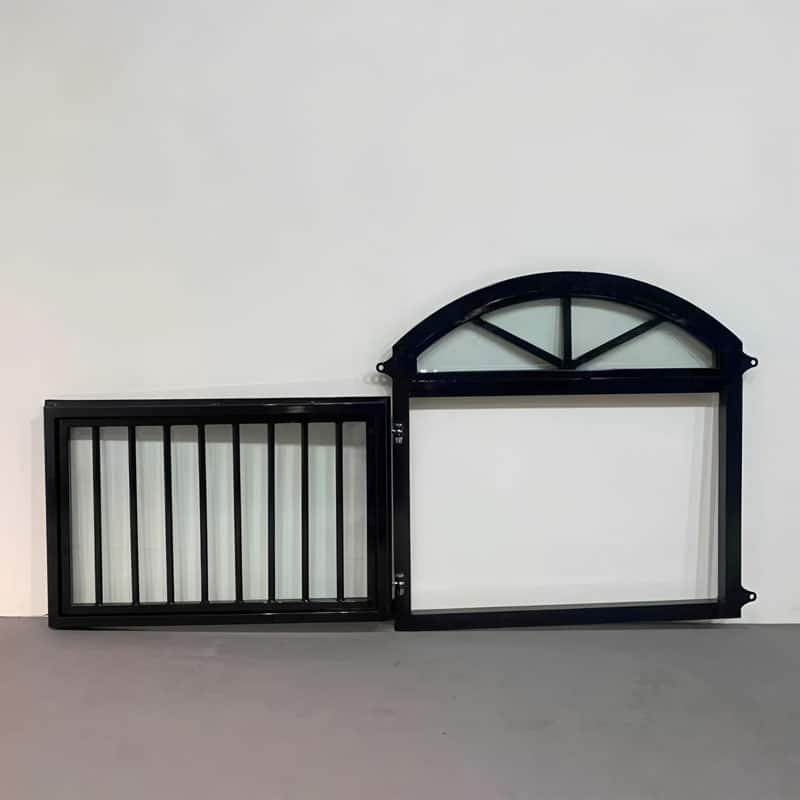
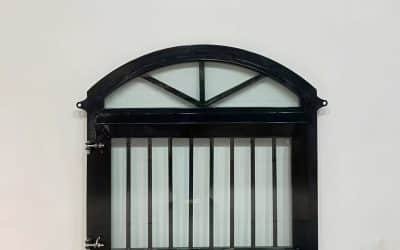
My position on this is blunt: operate what you own before you buy anything. Opening a window that has been shut since the barn was built, clearing a grille panel that paint or webbing has covered, and changing how the barn doors are worked in cold weather cost almost nothing and answer the first question — is there a path, or is there not? This site lists ventilated stable windows in its barn components line, and our article on barn windows and natural light covers how those openings are sized and placed. Grille panels are a second trade-off — they keep an opening working when a glazed window would be shut — and they are a security question too, which we cover in stable window grilles and locks.
When a mapped dead zone does need an opening the building does not have, the specification has to be built from what is not published. No dimension table, clear-opening size, airflow figure or price is published here, so a replacement order should state the clear opening you need, the glazing or grille type, the security expectation, and the climate the unit has to live in — UV exposure and 40°C heat in Australia and Spain, drainage and BHS-aligned practice in the UK and New Zealand, frost cycles at -10°C in Poland. Lead time is published as 4-6 weeks worldwide, with 1-2 week expedited options through the Sydney and Warsaw regional warehouses. The order minimums given are 10 stable sets or 50 fence panels, and neither is a window count, so ask for the component minimum in writing.
Preguntas frecuentes
How often should a barn airflow map be redone?
Many yards settle on one pass in cold weather with the barn closed the way it runs in winter, and one in warm weather with openings wide. Re-run it after any change to partitions, storage or fans, because those are what move the boundary.
Is a smoke test enough, or do I need instruments?
A smoke walk answers the layout question — where air moves, where it stops — and that is the question a yard can act on. Instruments matter later, when you want to compare equipment claims or hand a problem to a ventilation specialist.
Will opening stable windows fix a dead zone?
Sometimes, and only if there is a matching outlet for the air to leave through. An opening with nowhere to exhaust can simply pull neighboring stalls flat. That is why the map is read as paths, not as a count of open windows.
What is the connection between airflow and drainage in a wet-climate barn?
Both decide how fast surfaces dry. Wet-climate design on this site is handled through drainage and BHS-aligned practice for the UK and New Zealand, and air movement over a damp floor is a large part of whether that drainage actually keeps the bed dry.
Do horses need a fan if the aisle has good airflow?
Aisles and stalls are different problems. A map that shows good movement down the aisle can still show still air inside the boxes, and that is where horses spend most of their day. Read the stall stations before deciding what a fan is for.
Conclusión
A drawn map turns a ventilation complaint into a list of positions, and positions can be fixed in order of cost. It also survives staff changes: the next person inherits the finding rather than the argument.
Take the walk on a day you can note the conditions, mark the still stalls, and check whether those openings are meant to work at all. If the map points to an opening you do not have, the stable window and door line is where the conversation starts, with the sizes and rates requested rather than assumed.

 Spanish
 English
 French
 Arabic
 German
0 comentarios