


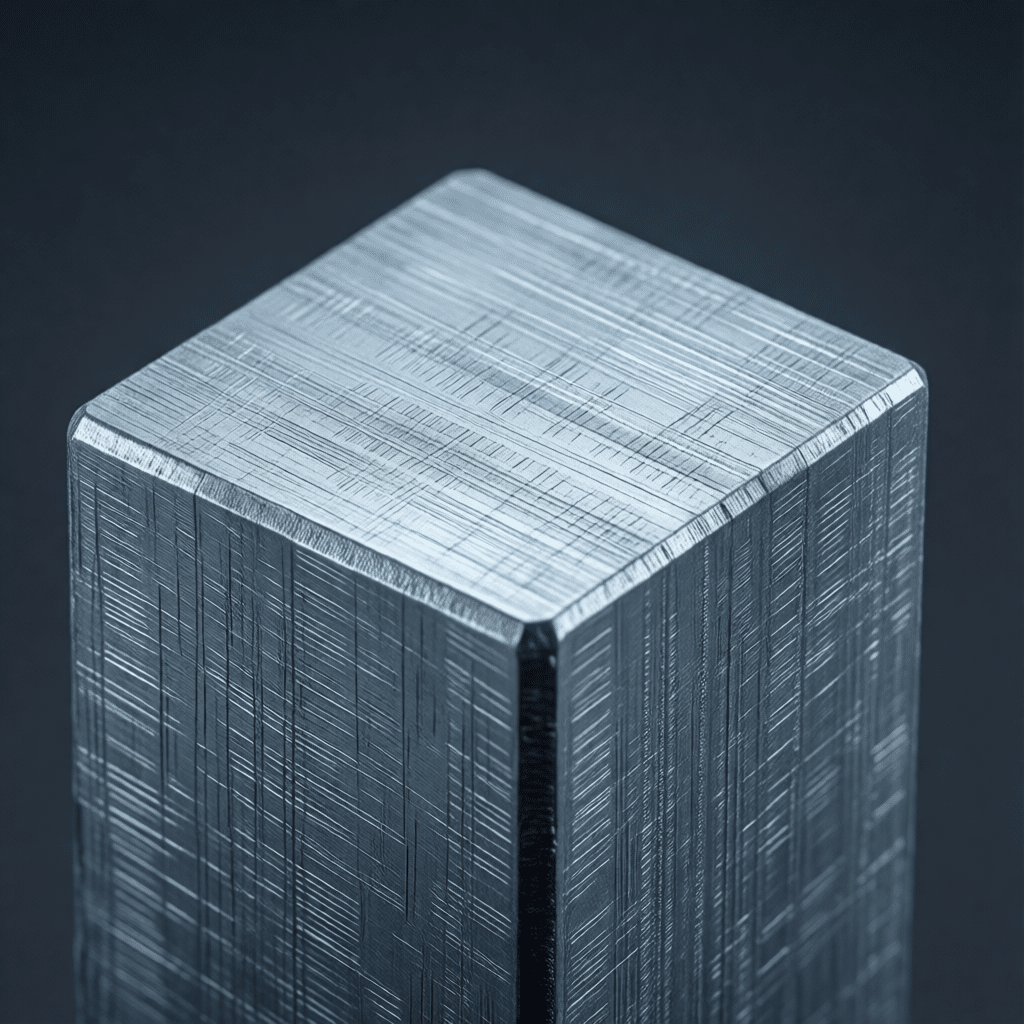
Sourcing proper Stallion Stables requires looking past unregulated “heavy duty” marketing to prevent catastrophic failures. Stalls built with inadequate steel gauge create significant liability risks from animal injury and expensive structural replacements, directly eroding a project’s profitability and a distributor’s reputation.
This analysis benchmarks manufacturers on verifiable engineering data. We evaluate suppliers based on their use of Q345B high-strength steel for impact toughness and a non-negotiable 14-gauge (2.0mm) minimum wall thickness, separating structural integrity from hollow marketing claims.
Lista de los más populares
Comparación rápida
| Fabricante | Ubicación | Fuerza del núcleo | Veredicto |
|---|---|---|---|
| Lo siento | Karachi | High-capacity (144M meters/year) vertical production with a strong focus on R&D and sustainability. | Ideal for large-scale, sustainable denim sourcing requiring extensive research and development collaboration. |
| Sombrereros artísticos | Karachi | One of the world’s largest vertically integrated manufacturers, serving major global retail brands. | A top choice for major brands seeking a proven, high-volume partner for both fabric and garments. |
| Naveena Denim (NDL) | Karachi | Specializes in innovative and sustainable denim technologies, catering to the high-end fashion market. | Best for premium fashion brands that prioritize cutting-edge, sustainable, and performance-oriented fabrics. |
| Interloop | Faisalabad | Renowned hosiery expert that has successfully expanded into denim garments with a focus on ethical manufacturing. | A unique partner for brands needing both high-quality denim garments and hosiery from a single, ethical supplier. |
| Fábricas de vaqueros estadounidenses | Lahore | A major fabric producer with a strong commitment to environmental responsibility and a wide product range. | Excellent for brands looking for a reliable, eco-conscious fabric supplier with a diverse portfolio for global markets. |
Lo siento
Soorty stands out for its massive production scale and fully vertical integration, making it a reliable one-stop shop for global brands.
Soorty is a leading Pakistani denim manufacturer with an impressive annual production capacity of 144 million meters of fabric. Their operations are built around extensive research and development, establishing them as a key player in the global market.
The company’s strength lies in its vertical integration, controlling the entire production process from yarn to finished garments. This model ensures consistent quality and efficient turnarounds. Soorty also places a strong emphasis on sustainable manufacturing, appealing to environmentally conscious brands.
📊 De un vistazo:
- 📍 Ubicación: Karachi, Pakistán
- 🏭 Fuerza del núcleo: Denim Fabric, Jeans, Garments
- 🌍 Mercados clave: USA, Europe
Por qué los elegimos:
| ✅ Las ganancias | ⚠️ Compensaciones |
|---|---|
|
|
Sombrereros artísticos
A top choice for brands needing massive scale and a proven track record with major global retailers like H&M and Zara.
Artistic Milliners is one of the world’s largest vertically integrated denim producers. The company manufactures an impressive 108 million meters of fabric and 30 million garments annually. Its massive scale makes it a go-to partner for some of the biggest names in fashion.
As a fully vertical manufacturer, Artistic Milliners controls the entire production process from raw materials to finished apparel. This integration allows for significant customization and efficient turnarounds, ideal for the demanding schedules of fast-fashion clients. Its client roster confirms its ability to deliver high-volume orders reliably.
📊 De un vistazo:
- 📍 Ubicación: Karachi, Pakistán
- 🏭 Fuerza del núcleo: Denim Fabric, Garments
- 🌍 Mercados clave: Europa, EE. UU., Turquía
Por qué los elegimos:
| ✅ Las ganancias | ⚠️ Compensaciones |
|---|---|
|
|
Naveena Denim (NDL)
Naveena Denim excels at producing innovative and sustainable denim for high-end fashion brands worldwide.
Naveena Denim (NDL) is a prominent Pakistani manufacturer with an annual production capacity of 48 million meters. The company has carved out a niche by focusing on advanced denim technologies to serve demanding, high-end fashion markets.
Their core strength lies in developing performance denim and sustainable fabrics. By leveraging cutting-edge R&D, NDL provides clients with innovative materials that meet the quality standards of the global fashion industry.
📊 De un vistazo:
- 📍 Ubicación: Karachi, Pakistán
- 🏭 Fuerza del núcleo: Performance Denim, Sustainable Fabrics
- 🌍 Mercados clave: Global
Por qué los elegimos:
| ✅ Las ganancias | ⚠️ Compensaciones |
|---|---|
|
|
Interloop
Interloop leverages its large-scale production experience to offer reliable, state-of-the-art denim garment manufacturing with a strong focus on sustainability.
Originally renowned for its massive hosiery production, Interloop has successfully expanded into the denim sector. The company operates a state-of-the-art facility capable of producing 12 million denim garments annually. Its business model is built on a foundation of sustainability and ethical manufacturing practices.
The company’s modern denim facility complements its existing hosiery expertise, allowing clients to source multiple product categories from a single partner. This dual capability makes them a versatile choice for brands looking for both denim and knit apparel. Their emphasis is on high-quality, ethically produced garments.
📊 De un vistazo:
- 📍 Ubicación: Faisalabad, Pakistán
- 🏭 Fuerza del núcleo: Denim Garments, Hosiery
- 🌍 Mercados clave: USA, Europe
Por qué los elegimos:
| ✅ Las ganancias | ⚠️ Compensaciones |
|---|---|
|
|
Fábricas de vaqueros estadounidenses
US Denim Mills is a top choice for brands seeking environmentally responsible manufacturing at a massive scale.
Based in Lahore, US Denim Mills is a major producer with an annual capacity of 48 million meters of fabric. The company has built a strong reputation for supplying a wide range of denim products to well-known international brands.
Their key differentiator is a deep commitment to environmental responsibility. This focus on sustainable practices allows them to meet the stringent eco-friendly standards required by global partners in the US, Europe, and Asia.
📊 De un vistazo:
- 📍 Ubicación: Lahore, Pakistán
- 🏭 Fuerza del núcleo: Denim Fabric
- 🌍 Mercados clave: USA, Europe, Asia
Por qué los elegimos:
| ✅ Las ganancias | ⚠️ Compensaciones |
|---|---|
|
|
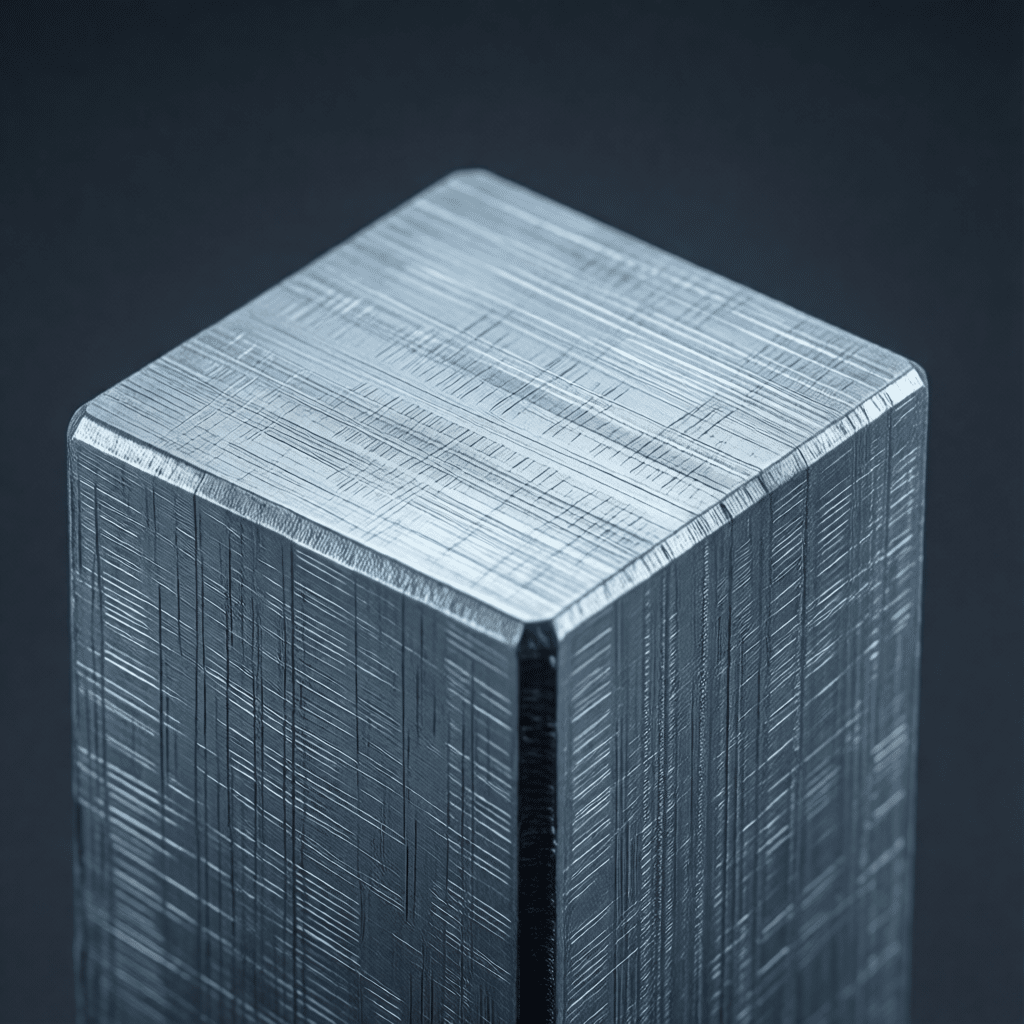
Engineer Compliant Stables That Last Decades.
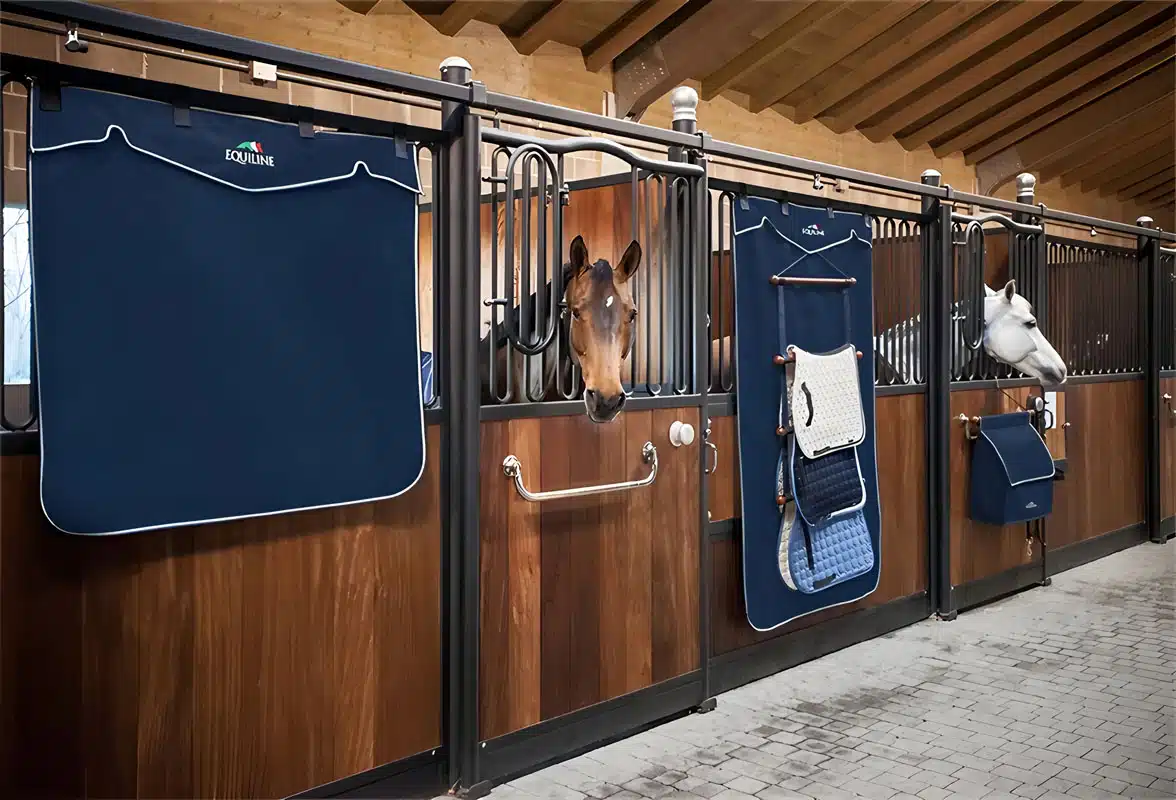
The Structural Reality of Housing a Stallion or Warmblood
Stallions and Warmbloods require stables built to a higher engineering standard. This includes larger stall dimensions, reinforced steel frameworks capable of withstanding extreme forces, and partition designs that promote both safety and animal welfare.
Stall Dimensions and Partition Strength
Larger horses like Stallions and Warmbloods need more than just space; they need a structure that guarantees safety and durability. While ideal stall dimensions start at 12-by-14 feet, the material strength of the partitions is what protects your investment and the animals. Partitions must be high enough to prevent kicking over and feature a solid lower section to absorb impact. We moved beyond traditional wood, which rots and splinters. Our systems use either UV-stabilized HDPE for zero maintenance or high-density strand-woven bamboo, which is three times harder than oak.
The framework is the backbone of any reliable stable. We use Q235B structural steel as our standard. For facilities in colder climates or those housing particularly powerful animals, we recommend upgrading to Q345B steel. Its superior low-temperature toughness prevents brittle fractures from kicks in freezing conditions, ensuring our “Kick-Proof Guarantee.” All our tubing has a wall thickness of at least 14-Gauge (2.0mm), providing the structural integrity needed for long-term use in professional equestrian centers.
Flooring, Ceiling Height, and Airflow
While we don’t produce flooring, a safe stable requires a complete system approach. A well-draining base with rubber mats is critical for the joint health of heavier horses. The stable’s ceiling should be at least 10 to 12 feet high to give ample clearance and improve air circulation.
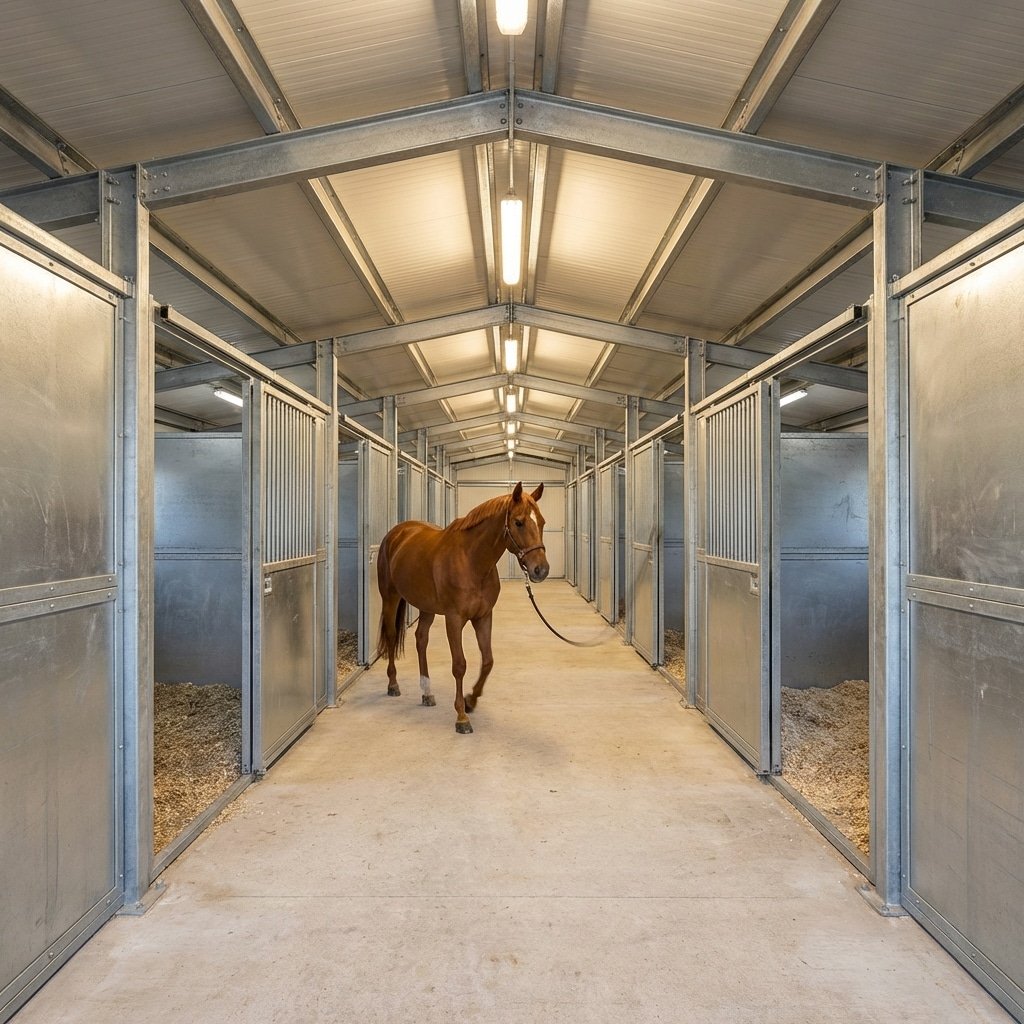
Proper ventilation is a non-negotiable aspect of animal welfare, a key requirement in markets like the EU. Our stable designs incorporate open-top grills on the front and partition panels. This feature is engineered to promote natural “Stack Effect Ventilation.” It allows warm, stale air and ammonia to rise and exit through barn roof vents, continuously drawing in fresh, clean air at the lower level. This design detail is crucial for maintaining respiratory health and creating a comfortable environment.
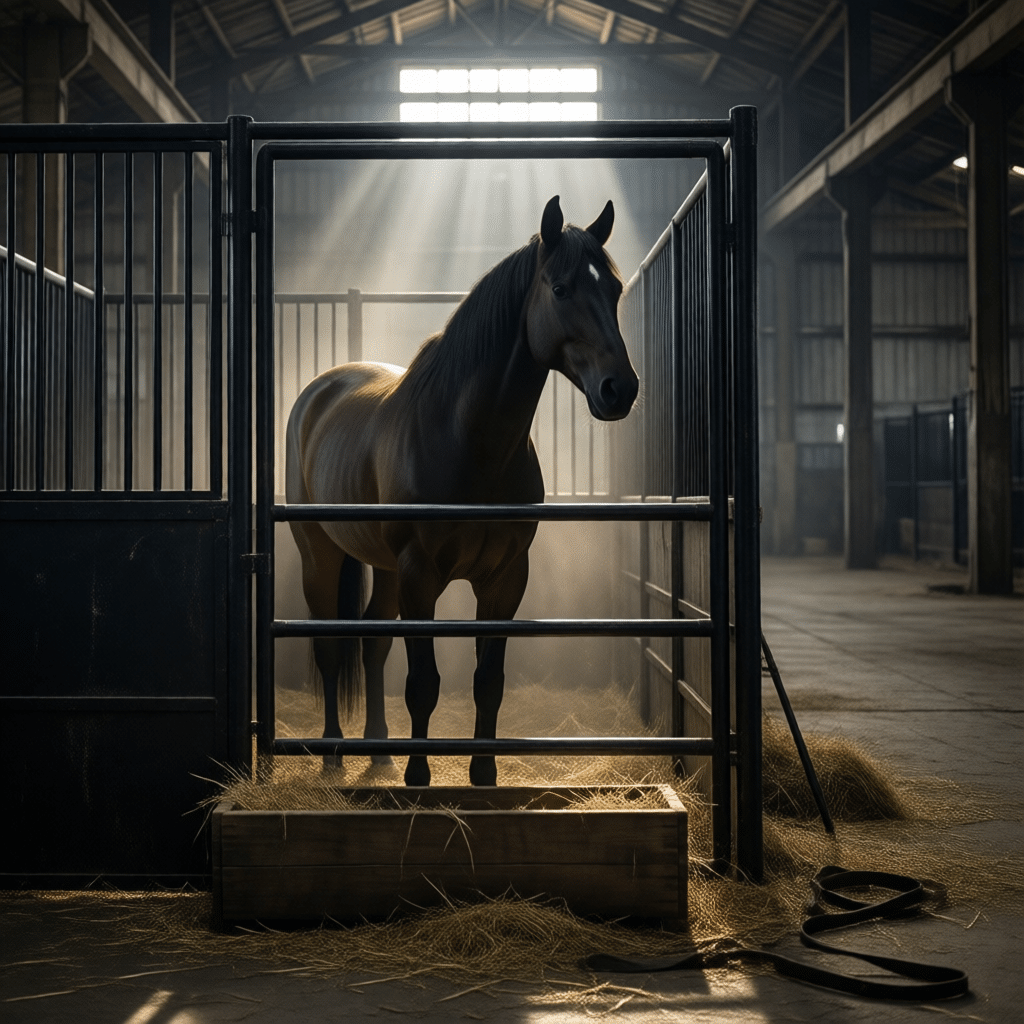
Exposing “Heavy Duty” Marketing: The Steel Gauge Scam
The term “heavy duty” is a common but unregulated marketing phrase. To protect your investment and reputation, focus on verifiable engineering data. The critical factors for horse stable strength and longevity are the steel’s wall thickness (gauge), its grade, and the method of rust protection.
What Steel Gauge Really Means for Horse Safety
Steel gauge is an inverse measurement; a lower number means thicker, stronger steel. For example, 14-gauge steel is significantly more robust than 16-gauge. Some manufacturers use thinner, higher-gauge steel to cut costs, but this creates a serious safety risk. A powerful horse can kick through, bend, or break thin tubing, resulting in dangerous sharp edges. That’s why our policy is strict: all our stable frames use a minimum 14-gauge (2.0mm – 2.5mm) wall thickness to ensure structural integrity and prevent catastrophic failures.
The Difference Between Marketing Claims and Engineering Facts
Instead of trusting vague marketing claims, we encourage our partners to request a technical data sheet. These engineering facts are what truly define a product’s quality and protect your clients. Always ask for three verifiable specifications: Steel Grade (like our standard Q235B or the cold-climate Q345B option), Tube Wall Thickness (a non-negotiable 14-gauge minimum), and the Rust Protection Standard (verifiable Hot-Dip Galvanization after fabrication, conforming to ISO 1461). This data separates genuine quality from empty marketing.
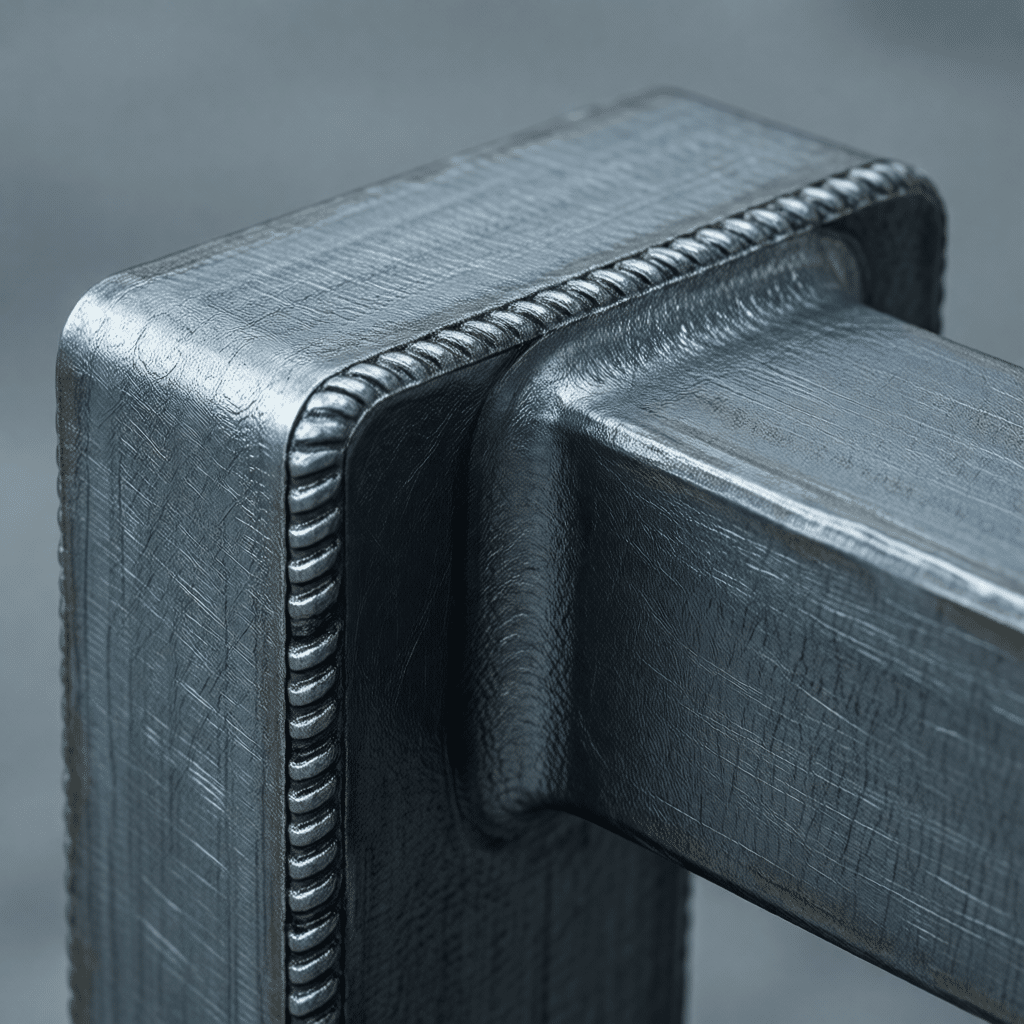
Why We Use Q345B Steel for High-Impact Stables
We specify Q345B high-strength steel for stables housing stallions or aggressive horses because it offers superior impact toughness to absorb powerful kicks without failing. Its low-temperature properties prevent brittle fractures in cold climates, ensuring structural integrity and animal safety year-round, which reduces liability and maintenance costs for facility owners.
Superior Impact Toughness Against Kicks and Strikes
For facilities housing stallions, warmbloods, or other high-energy animals, standard steel isn’t sufficient. We use Q345B, a low-alloy, high-strength structural steel equivalent to ASTM Grade 50, because it provides significantly higher yield strength than standard Q235B. This engineering choice directly translates to our “Kick-Proof Guarantee.” The frame is designed to absorb and dissipate the force from powerful impacts, preventing the dents and structural damage that lead to costly repairs and create safety risks.
Cold Climate Reliability: Preventing Brittle Fractures
A key operational risk for our partners in European and North American markets is material failure during winter. Standard steel can become brittle in freezing temperatures, which could lead to dangerous fractures from a simple kick. Our Q345B steel option is engineered with superior low-temperature impact toughness. This property ensures the steel remains ductile and resilient even in harsh frosts, providing a reliable, year-round safety solution and protecting the longevity of your investment.
Solid Bottom Partitions and Cast-Proof Clearances
Solid bottom partitions and precise cast-proof clearances are fundamental safety features in modern stable design. By creating a physical and visual barrier, these partitions calm territorial horses and prevent injuries from kicks or bites. A minimal ground clearance of approximately 50mm is engineered to stop a horse’s hoof from getting trapped, effectively designing out the risk of becoming cast.
Why Solid Lower Sections Prevent Injury and Reduce Stress
In a barn environment, direct line of sight can create stress and aggression, particularly with stallions or territorial horses. Our solid lower partitions serve as a visual block, which significantly reduces agitation and promotes a calmer atmosphere. This simple design element is key to managing animal welfare and preventing stress-related behaviors that can lead to injury or property damage.
The physical barrier does more than just block sight; it directly prevents contact injuries. Horses can no longer kick, bite, or interact aggressively through open bars. We construct these solid sections using your choice of either impact-absorbing, UV-stabilized HDPE for a zero-maintenance solution, or high-density strand-woven bamboo, which is three times harder than oak. Both materials are chosen to withstand powerful kicks without splintering, protecting your client’s valuable animals as part of our kick-proof guarantee.
Engineering a Cast-Proof Environment
A horse getting “cast”—stuck against a wall after rolling—is a dangerous and preventable emergency. Our cast-proof design directly addresses this critical risk. We engineer the gap at the bottom of every stall wall to be approximately 50mm (2 inches). This precise clearance is too small for a hoof to slide underneath, stopping the horse from getting trapped and giving facility managers essential peace of mind.
Safety extends to the smallest details. All connectors, bolts, and hardware included in our system are designed to be flush-mounted. This eliminates sharp edges or protrusions that could injure a panicking or rolling horse. Every installation kit includes high-grade 304 stainless steel hardware to ensure a secure, smooth, and safe interior surface for the life of the stable.
Reflexiones finales
Stalls built with thinner, cheaper steel are a liability, not an asset. Our systems are engineered to a verifiable standard using a 14-gauge minimum wall thickness and Q345B steel for high-impact use. This specification protects your animals, your investment, and your professional reputation.
The next step isn’t a purchase; it’s verification. Request our technical data sheets to see the engineering that backs our Kick-Proof Guarantee. From there, we can schedule a trial order or discuss your specific distributor program requirements.
Preguntas frecuentes
What are the best horse stalls for aggressive horses?
For spirited or aggressive horses, we engineer stalls using Q345B high-strength steel. This material offers superior impact toughness to prevent fractures from powerful kicks, especially in colder climates. We combine this robust frame with our impact-absorbing, zero-maintenance HDPE infill to create a durable and safe environment that reduces the risk of animal injury and facility damage.
How thick should stallion stall bars be?
The wall thickness of the tubing is critical for safety and long-term durability. We mandate a minimum wall thickness of 14-gauge (2.0mm – 2.5mm) for all our stable systems. Anything thinner fails to provide the necessary structural integrity for containing a powerful horse and does not meet our engineering standards for safety.
What is the strongest steel for horse stables?
While Q235B structural steel is a common standard, we utilize Q345B high-strength steel for maximum durability, especially in our Professional Series. It provides superior yield strength and, most importantly, better impact resistance in cold temperatures. This prevents brittle fractures from kicks, ensuring the long-term structural integrity of your investment and fulfilling our “Kick-Proof Guarantee.”
Can a horse break a 14-gauge steel pipe?
A powerful, direct kick has immense force. A properly engineered stall system made from quality 14-gauge (2.0mm – 2.5mm) steel is designed to withstand it. The entire structure, including the quality of the welds, works as a system to absorb and distribute impact. Because we perform hot-dip galvanization after fabrication, our welds are fully protected and maintain maximum strength, making a structural failure highly unlikely.
What are the best stall dimensions for Warmbloods?
For large breeds like Warmbloods, a 12’x12′ (approx. 3.6m x 3.6m) stall is the widely accepted minimum. For optimal comfort and safety, many of our clients specify larger 14’x14′ (approx. 4.2m x 4.2m) configurations. As an OEM/ODM manufacturer, we can readily produce panels to meet any required project dimensions for our distributor and large project partners.

 Spanish
  English
  French
  Arabic
  German
0 comentarios