



Sourcing ESG-compliant green factories for equestrian projects is the only defense against tightening carbon mandates and rising Scope 3 emission penalties. While traditional timber offers lower upfront costs, it creates a severe regeneration mismatch that exposes developers to non-compliance risks and frequent maintenance liabilities. Corporate buyers must now prioritize supply chains that validate embodied carbon reductions to protect long-term asset value.
This analysis benchmarks manufacturers against the BS EN ISO 1461 galvanization standard and circular economy principles using 100% recyclable Q235B steel. We evaluate suppliers on their ability to deliver high-density bamboo infills and optimized flat-pack logistics that increase 40HQ container capacity by 200%, ensuring your infrastructure meets strict governance requirements without sacrificing operational margins.
The Rise of ESG (Environmental, Social, Governance) in Construction
Quick Comparison
| Strategy | Focus Area | Key Components | Verdict |
|---|---|---|---|
| Strategic Risk Management | Corporate Strategy | Long-term Value, Competitive Advantage | ESG has transitioned from an optional initiative to a strategic necessity, becoming central to how firms manage risk and compete for projects. This shift addresses the sector’s outsized impact, accounting for approximately 34% of global CO2 emissions. |
| Low-Carbon Material Adoption | Supply Chain | Recycled Steel, Engineered Wood, Low-Carbon Concrete | Firms are increasingly adopting recycled steel, engineered wood, and low-carbon concrete. This move toward circular economy practices prioritizes material reuse and waste minimization to meet carbon budgets and embodied carbon limits. |
| Digital Technology Integration | Operational Technology | BIM, Digital Twins, AI Analytics | The use of Building Information Modeling (BIM), digital twins, and AI-driven analytics enables precise carbon tracking and lifecycle monitoring. Additionally, modular offsite construction is utilized to reduce waste and improve precision. |
| Regulatory Compliance & Reshoring | Governance & Compliance | Green Financing, Permitting Access | Stricter environmental and labor regulations on suppliers are reshaping cost structures and prompting interest in reshoring. Strong performance in this area aids in permitting, green financing access, and stakeholder relationships. |
Strategic Risk Management
Transforms environmental responsibility into a **competitive advantage** and essential risk mitigation strategy.
ESG has transitioned from an optional initiative to a strategic necessity, becoming central to how firms manage risk and compete for projects. This shift addresses the sector’s outsized impact, accounting for approximately 34% of global CO2 emissions.
By integrating these principles, companies generate long-term value and secure their position in the global construction sector. This approach ensures resilience against evolving market demands and environmental standards.
📊 At a Glance:
- 📍 Location: Corporate Strategy
- 🏭 Core Strength: Long-term Value, Competitive Advantage
- 🌍 Key Markets: Global Construction Sector
Why We Picked Them:
| ✅ The Wins | ⚠️ Trade-offs |
|---|---|
|
|
Low-Carbon Material Adoption
Prioritizes material reuse and waste minimization to **meet strict carbon budgets**.
Firms are increasingly adopting recycled steel, engineered wood, and low-carbon concrete. This move toward circular economy practices prioritizes material reuse and waste minimization.
The shift addresses the urgent need to meet carbon budgets and embodied carbon limits. Construction companies now rely on these sustainable inputs to lower their overall environmental footprint.
📊 At a Glance:
- 📍 Focus Area: Supply Chain
- 🏭 Core Materials: Recycled Steel, Engineered Wood, Low-Carbon Concrete
- 🌍 Key Markets: Green Building Market
Why We Picked It:
| ✅ The Wins | ⚠️ Trade-offs |
|---|---|
|
|
Digital Technology Integration
**BIM and AI-driven analytics** replace estimation with precision, enabling granular carbon tracking across the project lifecycle.
Building Information Modeling (BIM) and digital twins serve as the nervous system for modern sustainable construction. These tools allow teams to simulate environmental impacts in real-time, ensuring that carbon targets are met through data rather than guesswork.
This integration extends to physical workflows, supporting modular offsite construction to minimize material waste. By digitizing the planning phase, firms reduce on-site errors and optimize resource usage to meet strict embodied carbon limits.
📊 At a Glance:
- 📍 Category: Operational Technology
- 🏭 Core Tech: BIM, Digital Twins, AI Analytics
- 🌍 Application: Tech-Enabled Construction
Why We Picked It:
| ✅ The Wins | ⚠️ Trade-offs |
|---|---|
|
|
Regulatory Compliance & Reshoring
Strict adherence to governance helps firms unlock **green financing** and secure critical permits.
Stricter environmental and labor regulations are forcing suppliers to rethink cost structures. This pressure is driving a renewed interest in reshoring to maintain tighter control over compliance standards and supply chain transparency.
Beyond risk avoidance, strong governance is now a strategic asset. It streamlines permitting processes and opens doors to capital reserved specifically for sustainable projects.
📊 At a Glance:
- 📍 Category: Governance & Compliance
- 🏭 Core Strength: Green Financing, Permitting Access
- 🌍 Key Markets: International Markets
Why We Picked Them:
| ✅ The Wins | ⚠️ Trade-offs |
|---|---|
|
|
Premium Stables Built For Extreme Durability
The Rise of ESG (Environmental, Social, Governance) in Construction
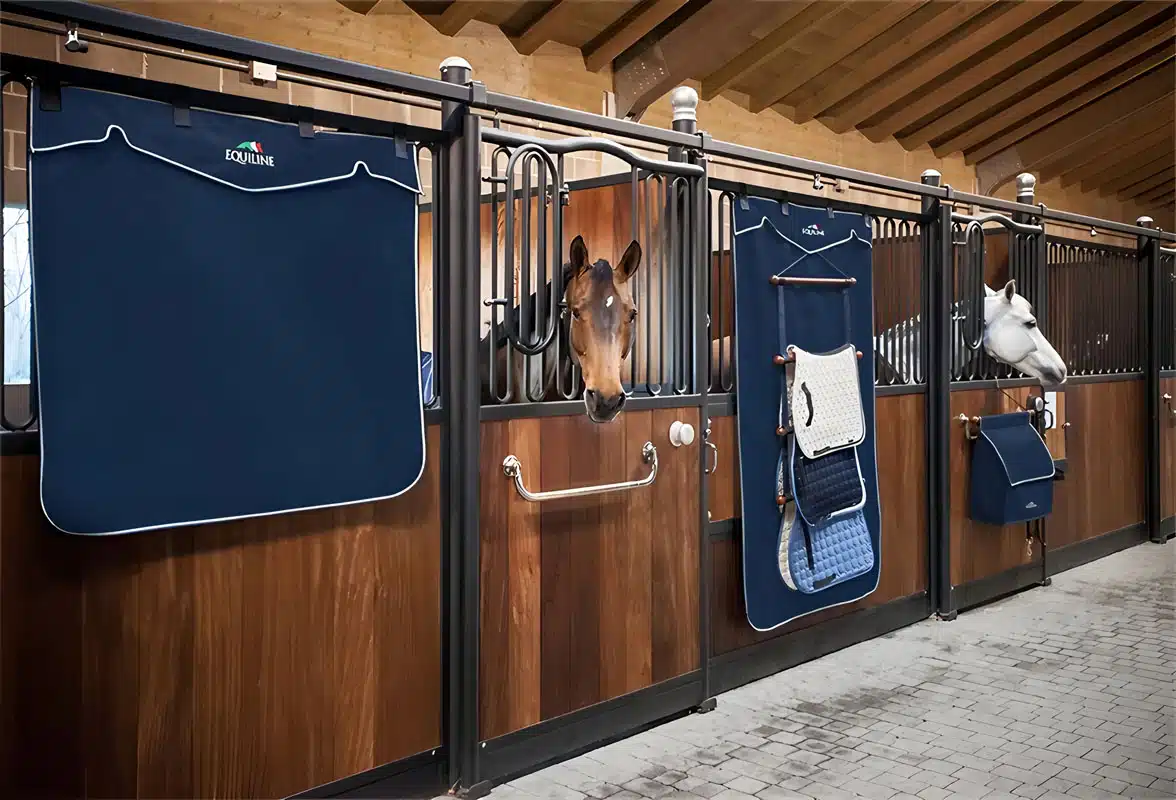
By 2026, ESG compliance is a strategic necessity for large-scale equestrian projects. We align infrastructure with sustainability goals by utilizing 100% recyclable Q235B steel frameworks and high-density bamboo infills that function as carbon sinks. Our flat-pack logistics strategy reduces shipping carbon emissions by over 60% compared to traditional welded units, helping developers meet strict Scope 3 emission targets while maintaining ISO 9001 governance standards.
Environmental Impact and Material Circularity
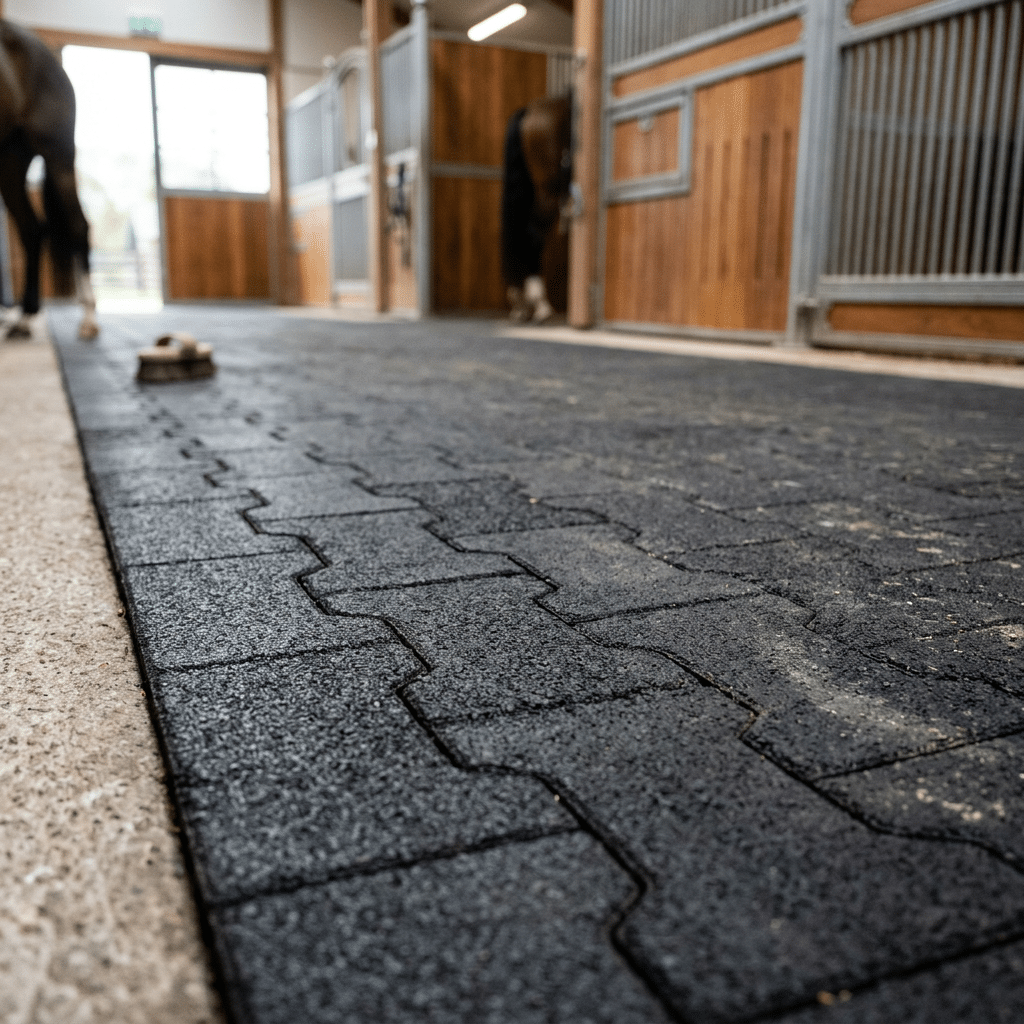
Construction projects now strictly enforce carbon budgets, pushing developers toward materials with low embodied carbon and high recyclability. Circular economy principles dictate the use of structural components that do not end up in landfills. We utilize Q235B Structural Steel and Q345B Low Alloy High Strength Steel for our frameworks because steel is 100% recyclable without degradation. Unlike treated timber, which often becomes hazardous waste at the end of its lifecycle, our steel components enter a continuous loop of reuse, significantly lowering the long-term environmental footprint of the facility.
Durability directly correlates with environmental responsibility. Frequent replacement of rotting wood or rusting iron generates unnecessary manufacturing waste. We apply Hot-Dip Galvanization after fabrication, adhering to BS EN ISO 1461 standards. This process bonds zinc to the steel at a molecular level, creating a rust-proof barrier that lasts decades even in high-ammonia stable environments. By extending the lifecycle of the stable fronts to 20+ years, we minimize the resource consumption associated with repairs and replacements.
For infill materials, we moved away from slow-growing hardwoods like Oak, which take a century to mature. Instead, we use High-Density Strand Woven Bamboo. Bamboo matures in just 3-5 years and sequesters carbon rapidly during its growth cycle. Our manufacturing process ensures this material achieves a Janka Hardness rating over 3000 lbf, making it three times harder than Oak. This provides a sustainable alternative that withstands heavy impact while contributing to a project’s green building credentials.
Governance in Supply Chain and Logistics Efficiency
Governance frameworks require transparency in manufacturing. Large commercial tenders specifically look for ISO 9001 Quality Management and ISO 1461 Galvanizing certifications to ensure consistent safety and durability standards. We provide full traceability on our materials, from the raw steel gauge (strictly 14-gauge/2.0mm+) to the micron thickness of the zinc coating. This data transparency protects distributors and project managers from liability and ensures compliance with international engineering standards.
Reducing Scope 3 emissions—specifically those related to transportation—is a priority for modern supply chains. Traditional fully welded stable panels are bulky and inefficient to ship, often limiting a 40HQ container to just 12-15 sets. Our engineering team developed a modular flat-pack system that increases container capacity to 30-45 sets. This innovation improves logistics efficiency by 200%, drastically cutting the fuel consumption and carbon emissions per unit shipped. For distributors, this also translates to “Profit Protection” by lowering the landed cost per stable.
The “Social” pillar in equestrian infrastructure focuses on safety engineering for both animals and handlers. We mandate “Kick-Proof” designs using high-tensile steel and impact-absorbing HDPE or bamboo to prevent injuries during stabling. Furthermore, our “Cast-Proof” design ensures bottom gaps are minimized (approx. 50mm) to prevent horses from trapping their hooves while rolling. These engineering choices directly support animal welfare standards and reduce liability risks for facility operators, addressing the critical social aspect of ESG compliance.
Moving Away from Old-Growth Timber (Oak/Pine)
We have strategically phased out slow-growing hardwoods and vulnerable softwoods in favor of engineered bamboo and HDPE infills. This shift not only resolves the critical regeneration mismatch of traditional timber but also delivers superior impact resistance and “Zero Maintenance” longevity for high-traffic equestrian facilities.
The Sustainability Crisis of 100-Year Harvest Cycles
Traditional stable construction has long relied on Oak, yet these trees often require up to a century to rea
ch structural maturity. This creates a severe regeneration mismatch where forest ecosystems are depleted faster than they can naturally recover. For our distributors in Europe and Australia, continuing to source old-growth timber complicates compliance with increasingly strict ESG mandates and embodied carbon reduction targets.
We address this ecological deficit by utilizing Strand Woven Bamboo for our Professional Series infills. Unlike Oak, bamboo reaches full maturity in just 3-5 years while functioning as a high-yield carbon sink during its rapid growth cycle. By integrating this renewable resource, we help our partners maintain ecological balance without sacrificing the heavy-duty structural integrity required for safe equine housing.
Performance Limitations of Softwoods in Horse Stables
Beyond environmental concerns, traditional Pine framing poses immediate safety and operational risks. Softwoods are highly susceptible to “cribbing” (horses chewing the wood) and splintering under impact, which can lead to significant veterinary claims. Additionally, standard timber requires frequent chemical treatments to resist rot and mold, creating an ongoing maintenance burden for facility managers.
Our engineering approach eliminates these vulnerabilities. We use High-Density Strand Woven Bamboo, which boasts a Janka Hardness of over 3000 lbf—making it three times harder than Oak and effectively kick-proof. For facilities requiring absolute “Zero Maintenance,” our UV-stabilized HDPE infills offer inherent resistance to moisture, mold, and bacteria. These denser, rot-resistant materials protect your profit margins by removing the need for the frequent repair cycles associated with softwood installations.
Strand-Woven Bamboo: A High-Yield Carbon Sink
Our strand-woven bamboo infills represent a strategic convergence of durability and environmental stewardship. By utilizing Moso bamboo that matures in just five years—compared to decades for traditional hardwoods—we deliver a high-density material that actively sequesters carbon while providing the impact resistance required for professional equestrian facilities.
Rapid Carbon Sequestration vs. Traditional Timber
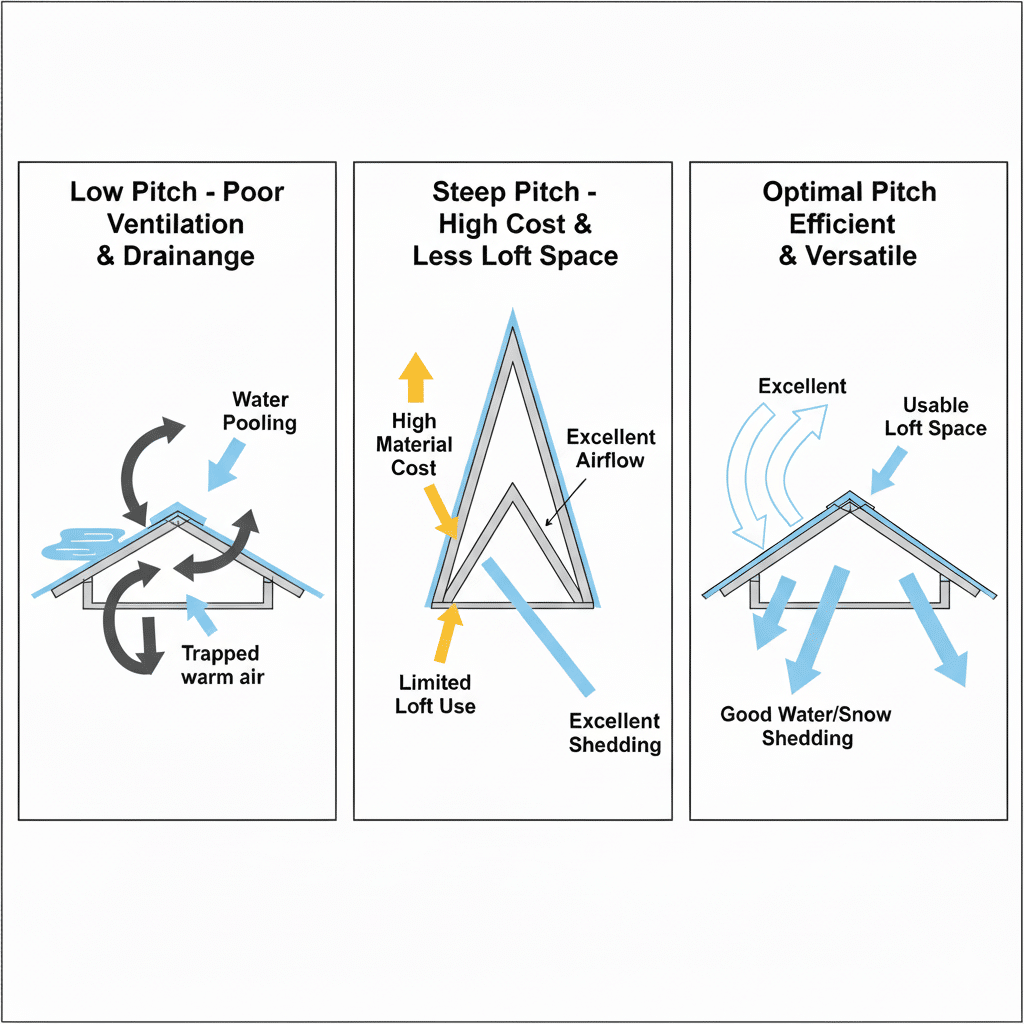
The efficiency of our bamboo supply chain begins with the growth cycle of Moso bamboo, which reaches full maturity in approximately 5 years. This rapid regeneration allows for high-frequency harvesting without the need for replanting, a stark contrast to the 30-40 years required for hardwood forests to replenish. Data indicates that these bamboo groves achieve annual carbon sequestration rates of 6.0 to 7.6 Mg C per hectare, outperforming fast-growing commercial softwoods by approximately 2.5 to 3.7 times.
Beyond growth speed, the harvesting method plays a critical role in soil health. We utilize selective harvesting that leaves the underground rhizome root system intact. This approach preserves the soil structure, preventing erosion and avoiding the massive release of soil carbon that typically occurs during the clear-cutting of timber forests. This ensures that the land remains a continuous carbon sink even during active production cycles.
Lifecycle Benefits of High-Density Strand Woven Technology
The strand-woven manufacturing process we employ maximizes material efficiency by utilizing the entire bamboo culm. We compress shredded fibers into boards with a density of roughly 900 kg/m³, minimizing the waste often associated with traditional timber milling. This process not only optimizes the use of raw materials but also results in a product with a Janka Hardness greater than 3000 lbf—making it three times harder than oak.
This extreme durability effectively locks sequestered carbon into the stable structure for decades. Unlike standard pine, which degrades quickly in damp stable environments and releases carbon back into the atmosphere through rot, our high-density bamboo resists mold and decay. By engineering a material that withstands the physical demands of stabling, we extend the product’s lifecycle and maintain its status as a carbon store long after installation.
Q235B Steel: The 100% Recyclable Framework
Q235B carbon steel supports circular economy principles because it remains 100% recyclable without structural degradation. By utilizing this material for stable frameworks, facilities reduce reliance on virgin iron ore and eliminate landfill waste at the end of the product’s lifecycle.
The Circular Economy: Infinite Reuse of Q235B Carbon Steel
Q235B carbon steel functions as a permanent resource rather than a consumable product. Unlike organic materials that degrade and require disposal, our steel frameworks remain 100% recyclable even after decades of intensive use. This material property allows steel mills to re-smelt reclaimed stable frames into new structural sections equivalent to ASTM A36 standards, effectively closing the production loop.
Choosing a recyclable steel framework significantly reduces the environmental impact associated with
raw material extraction. We prioritize materials that eliminate landfill waste at the facility’s end-of-life, aligning directly with modern ESG construction goals. When a stable system eventually requires decommissioning, it serves as a valuable resource for future infrastructure rather than an environmental liability.
Extending Lifecycles with ISO 1461 Hot-Dip Galvanization
True sustainability requires durability. We hot-dip galvanize every component after fabrication, adhering strictly to BS EN ISO 1461 standards. This process involves immersing the completely welded frame into molten zinc, ensuring that every joint, corner, and surface receives comprehensive protection against corrosion.
Our quality control mandates a zinc coating averaging over 85 microns on structural parts. This heavy-duty barrier shields the 14-gauge steel core, allowing the structure to resist rust for decades. Long-lasting infrastructure reduces the manufacturing emissions associated with frequent replacements, offering a lower long-term carbon footprint than painted or pre-galvanized alternatives that often fail within a few years.
Final Thoughts
Meeting strict Scope 3 emissions targets requires infrastructure that lasts decades, not seasons. By choosing hot-dip galvanized Q235B steel frameworks and high-density bamboo, you secure a 100% recyclable asset that withstands the scrutiny of corporate ESG audits. This “build once” strategy eliminates the financial and environmental waste of the traditional repair-and-replace cycle, protecting both your bottom line and your brand reputation.
Optimize your supply chain today by leveraging our flat-pack logistics to triple your container capacity and drastically reduce landed costs. We invite procurement teams to review our ISO 1461 galvanizing certifications and request a technical specification packet for your upcoming tender. Partner with DB Stable to align your project’s profitability with its environmental commitments.
Frequently Asked Questions
How to build an ESG compliant equestrian center?
Building an ESG-compliant facility starts with material selection and longevity. We recommend replacing traditional lumber with renewable high-density bamboo and utilizing 100% recyclable Q235B steel frameworks. Ensure your layout promotes animal welfare (the ‘Social’ aspect) through proper ventilation and choosing kick-proof materials that minimize injury risks.
Is bamboo a sustainable building material?
Yes, it is a superior alternative to hardwoods. Our strand-woven bamboo is a rapidly renewable grass that regenerates quickly compared to oak or pine. With a Janka Hardness exceeding 3000 lbf, it is three times harder than oak, providing exceptional durability that reduces the need for replacement and maintenance chemicals.
Environmental impact of steel vs wood barns?
Steel offers a significantly better lifecycle assessment. While chemically treated wood eventually rots and ends up in landfills, our hot-dip galvanized steel is designed to last decades and is 100% recyclable at the end of its life. This ‘build once’ approach drastically reduces the total carbon footprint compared to replacing wood every few years.
Green certifications for horse stables?
Look for manufacturing standards like ISO 1461, which governs hot-dip galvanizing to ensure maximum product lifespan and reduced material waste. Additionally, utilizing low-emission bamboo and steel components can contribute to broader facility certifications, such as LEED, by incorporating rapidly renewable and recyclable materials into your infrastructure.
Eco-friendly horse barn manufacturers?
We prioritize sustainability through efficient engineering. Our flat-pack design allows us to load 30-45 stable sets into a single 40HQ container—triple the industry average—which reduces shipping emissions by over 60%. We also focus on ‘Zero Maintenance’ HDPE and bamboo fills to eliminate the need for toxic stains and paints.

 English
  Spanish
  French
  Arabic
  German
0 Comments