


Foal Urine Rot destroys standard painted steel foaling boxes in less than three breeding seasons. Neonatal foals excrete high-ammonia urine that acts as a solvent, penetrating micro-cracks in paint and corroding base plates from the inside out. For stud managers, this invisible chemical attack turns cheap infrastructure into a recurring liability, creating safety hazards and forcing expensive mid-season replacements.
We engineer our maternity systems specifically to neutralize this threat using ISO 1461 Hot-Dip Galvanization After Fabrication. By dipping the entire steel frame after welding, we achieve an 85-micron zinc coating that seals every joint against acidity. Combined with non-porous 32mm HDPE infill, this design eliminates the ammonia trap and ensures a zero maintenance lifespan for your facility.
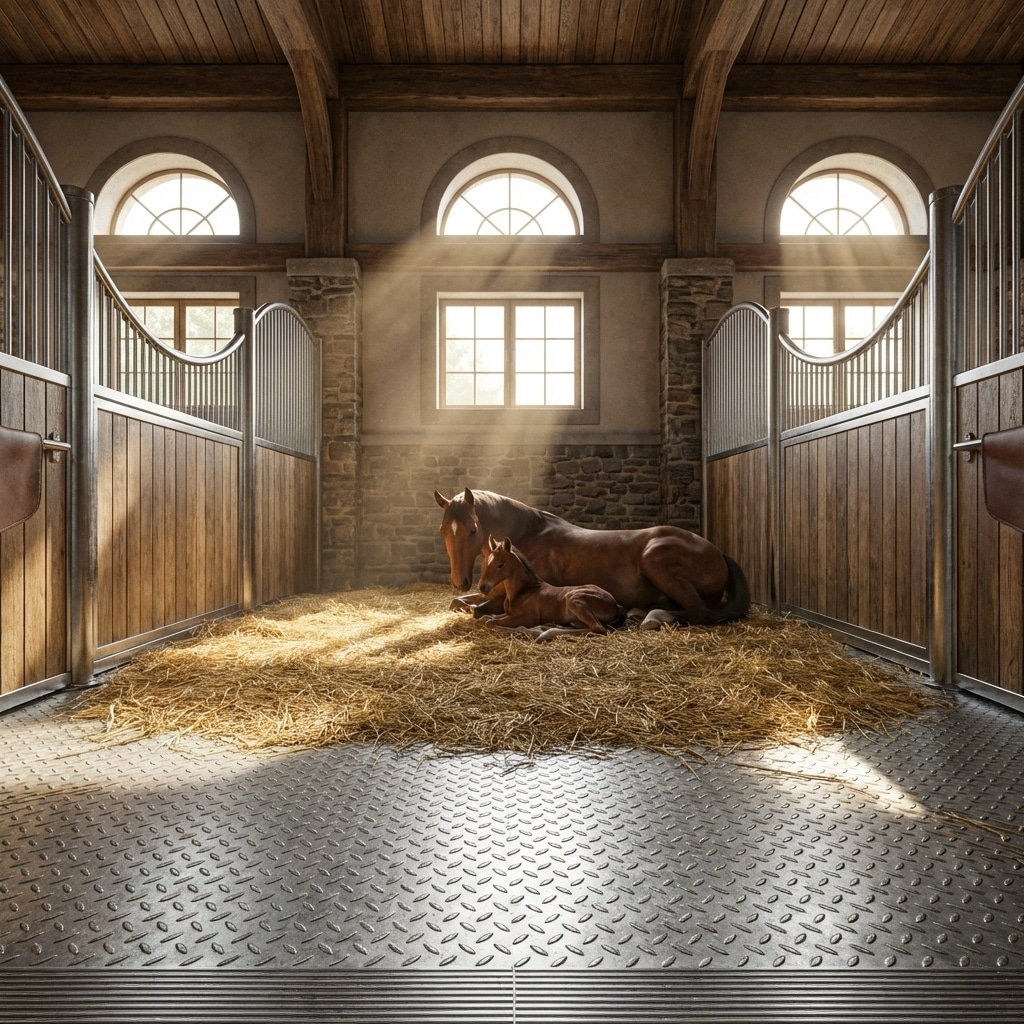
The Chemistry of Newborn Foal Urine (High Ammonia)
Newborn metabolic disruptions often spike urine ammonia levels, creating a corrosive microenvironment that demands vertical ventilation to protect respiratory health and infrastructure.
The Science of Hyperammonemia and Urea Cycle Disruption
In a healthy adult horse, the liver processes 80-90% of bodily ammonia through the urea cycle, converting it into harmless urea for excretion. Neonatal foals, however, operate under a different biological reality. Metabolic instability, sepsis, or liver dysfunction often disrupt this cycle, causing the liver to fail in converting ammonia efficiently. This leads to hyperammonemia, where the foal excretes urine with dangerously high ammonia concentrations.
This chemical imbalance creates a phenomenon we call “Foal Urine Rot.” Unlike standard manure management, this involves a concentrated toxic microenvironment at ground level. When this high-ammonia urine saturates bedding, it releases caustic vapors directly into the foal’s breathing zone. For a neonate already facing systemic metabolic stress, inhaling these concentrated fumes damages the respiratory epithelium and exacerbates clinical risks like hepatic encephalopathy.
Mitigating Vapor Toxicity with Stack Effect Ventilation
We engineer DB Stable systems specifically to counter this chemical threat. Standard solid walls trap heavy, humid ammonia vapors at the bedding level, forcing the foal to inhale them while sleeping. To break this cycle, we utilize “Stack Effect Ventilation” through our open top grill designs.
- Vertical Extraction: The open grill design allows body heat and thermal buoyancy to lift ammonia vapors upward, pulling them away from the floor.
- Breathing Zone Clearance: By facilitating continuous upward airflow, the system actively extracts fumes from the foal’s primary breathing zone (0-24 inches off the ground).
- Structural Defense: High ammonia is corrosive to standard steel. Our ISO 1461 hot-dip galvanizing protects the structure, but the ventilation ensures the chemical load does not accumulate to toxic levels in the first place.

Why Standard Painted Baseboards Rot in Weeks
Standard paint creates a surface film that cracks under ammonia exposure. Once penetrated, urine corrodes the steel from the inside out, specifically attacking unprotected welds found in competitor products.
How Ammonia Vapor Penetrates Paint Micro-Cracks
Most stable manufacturers treat paint as a cosmetic finish rather than a chemical barrier. This is a fatal engineering error when dealing with foaling boxes. Foal urine releases high concentrations of ammonia, which behaves more like a solvent than a simple liquid. While standard acrylic and enamel paints form a surface skin, they are not impermeable to ammonia vapor.
The failure mechanism is chemical. Ammonia causes “alkaline hydrolysis,” attacking the chemical bonds that hold the paint to the metal substrate. At the same time, microscopic cracks form in the paint due to the natural thermal expansion and contraction of the steel. Because ammonia vapor molecules are significantly smaller than liquid water droplets, they penetrate these micro-cracks effortlessly.
Once the vapor gets behind the paint, it interacts with moisture to create a corrosive pocket against the raw steel. This traps rust inside. You see this as “bubbling” paint—a blister filled with iron oxide and fluid. By the time the paint peels off, the steel underneath is already compromised.
The Vulnerability of Painted Pre-Galvanized Welds
The biggest “dirty secret” in the stable manufacturing industry is the widespread use of pre-galvanized tubing (often called “black tube” in cheap production runs). Manufacturers buy steel tubes that were galvanized at the steel mill, then cut and weld them to build your stable panels. This creates a critical flaw.
- The Welding Problem: Welding generates extreme heat that burns the zinc coating off the steel. The area around every joint becomes bare, unprotected iron.
- The Paint Mask: Manufacturers spray paint over these welds to hide the burn marks. The paint looks good on day one, but offers zero sacrificial protection.
- The Red Rust Result: Without zinc, the weld joints rust immediately upon contact with moisture or urine.
At DB Stable, we eliminate this risk by refusing to use pre-galvanized tubes for structural components. We use Hot-Dip Galvanization After Fabrication (ISO 1461). We build the entire Q235B or Q345B steel frame first, weld it black, and then dip the entire unit into molten zinc. This ensures that every weld, joint, and crevice is coated in over 70 microns of zinc, making the steel chemically impervious to urine rot.
Factory-Direct Stables Built for Lifetime Durability

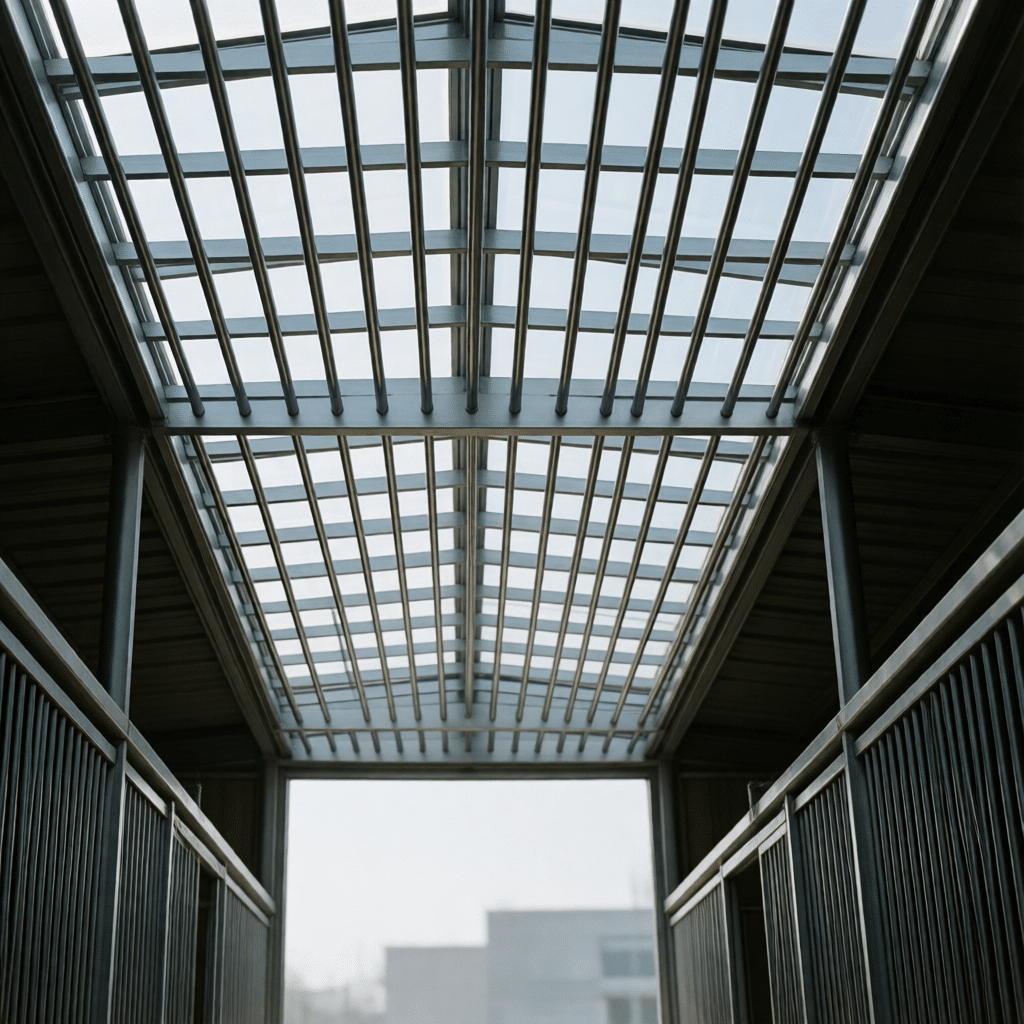
The Ultimate Foaling Box: Solid HDPE Infill
Executive Insight: For maternity stalls, hygiene is paramount. Solid 32mm HDPE infill creates a non-porous, medical-grade barrier that repels bacteria and prevents the “ammonia trap” common in wooden stalls.
Non-Porous Hygiene for Vulnerable Immunity
The biological reality of a foaling box is harsh. Newborn foals enter the world with low initial immunity, making the immediate environment a critical factor in their survival. Traditional softwood, widely used in standard stabling, acts as a sponge in this context. It absorbs urine, amniotic fluids, and afterbirth, creating a deep-seated breeding ground for pathogens that even aggressive pressure washing cannot fully eradicate.
We engineer our foaling boxes with High-Density Polyethylene (HDPE) to eliminate this risk. Unlike wood, HDPE is chemically inert and completely non-porous. It creates a sanitary barrier where fluids cannot penetrate, allowing for genuine sterilization between foaling events. This “Zero Maintenance” surface ensures that high-ammonia foal urine—which can damage respiratory tissue—is easily washed away rather than trapped in the wall structure.
32mm Impact-Absorbing Technical Specifications
Many manufacturers cut costs by using thin 10mm HDPE liners bolted onto plywood. This is insufficient for a mare in labor or a playful colt. At DB Stable, we utilize a heavy-duty, solid profile that functions as a structural element, not just a cosmetic cover.
- 28mm-32mm Profile Thickness: We strictly prohibit thinner boards. This mass ensures the wall withstands the full force of a mare’s kick without cracking.
- Impact Absorption (Kick-Proof Guarantee): Unlike rigid concrete or steel, thick HDPE has a slight flex under pressure. This shock absorption is critical for preventing leg fractures if a horse kicks out.
- Splinter-Free Safety: UV Stabilized to prevent brittleness, these boards will never rot, warp, or splinter, eliminating the risk of abrasion injuries common with aging wood.
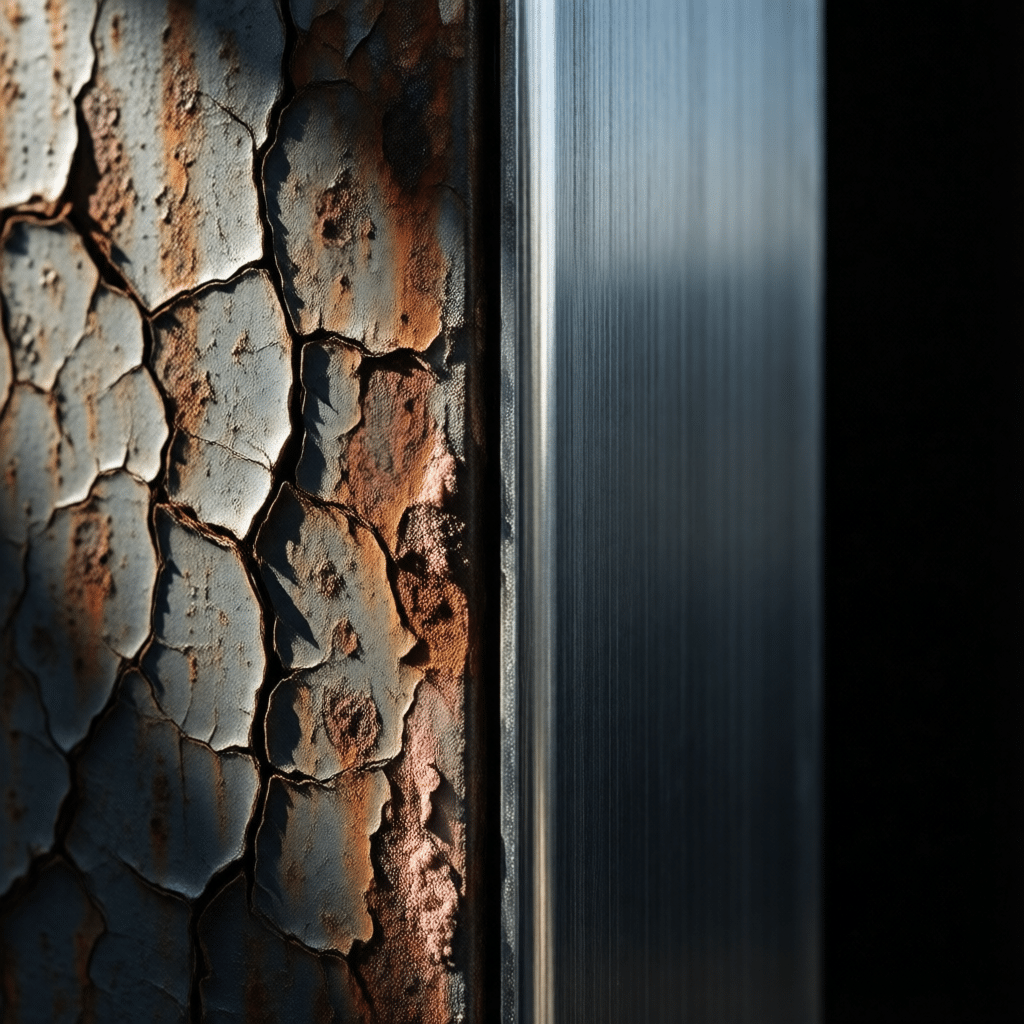
ISO 1461 Hot-Dip Galvanized Base Plates to Stop Acid
ISO 1461 creates a metallurgical bond that outlasts paint by decades. DB Stable exceeds this standard with an 85-micron coating to neutralize the corrosive threat of foal urine.
| Feature | Standard Pre-Galv / Paint | DB Stable ISO 1461 (Hot-Dip) |
|---|---|---|
| Process Timing | Coated before welding (Welds exposed) | Dipped after fabrication (Seals all joints) |
| Bond Type | Mechanical Adhesion (Surface only) | Metallurgical Bond (Alloy layers) |
| Coating Thickness | Typically 15 – 30 microns | > 85 microns (Structural Parts) |
| Acid Resistance | Low (Paint peels, rust spreads) | High (Sacrificial Anode action) |
How ISO 1461 Galvanizing Resists Stable Corrosives
Stable environments are chemical warfare zones for steel. Ammonia from foal urine and moisture from constant washing create an acidic microclimate that strips standard paint within months. ISO 1461 is not merely a surface coating; it creates a metallurgical bond between the zinc and the steel core. The zinc and iron react to form a series of alloy layers that are harder than the base steel itself, providing abrasion resistance against hooves and machinery.
The primary defense mechanism is the “Sacrificial Anode” effect. In a painted stable, a scratch leads to rust that creeps underneath the paint film, causing it to bubble and flake (“under-film corrosion”). With ISO 1461 galvanizing, the zinc sacrifices itself to protect the steel. Even if a horse kicks the frame and gouges the surface to the bare metal, the surrounding zinc corrodes preferentially, forming a protective patina that stops rust from taking hold of the structural core.
The 85 Micron “Hot-Dip After Fabrication” Specification
Many manufacturers cut costs by using pre-galvanized tubing. They buy tubes already coated with a thin layer of zinc, cut them, and weld them together. The heat from welding burns the zinc off at the joints, leaving the most critical structural points exposed to rust immediately. We reject this method. DB Stable utilizes a “Hot-Dip After Fabrication” process. We weld the entire Q235B or Q345B steel frame in its raw “black” state first, chemically clean it, and then submerge the entire completed unit into a bath of molten zinc at 450°C.
- Structural Thickness: Our specification requires a coating thickness exceeding 85 microns (μm) for structural parts thicker than 6mm, providing a heavy-duty shield against urine acidity.
- Tubing Thickness: Standard tubing (3-6mm steel) receives a coating exceeding 70 microns (μm), significantly higher than the 30-40 micron industry average for pre-galvanized products.
- Internal Protection: Because the frame is dipped after welding, molten zinc flows inside the tubes, coating the interior surfaces that paint guns can never reach.
- Sealed Welds: The process completely encapsulates the welds, eliminating the weak points where stable fronts typically fail first.
This specification ensures that the base plates and lower frame sections—the “high-corrosion zone” constantly exposed to wet bedding—remain structurally sound for decades, rather than requiring replacement every few years.
Final Thoughts
Selecting a foaling box is an exercise in asset protection, not just animal containment. While pre-galvanized tubing offers a lower initial entry price, it inevitably fails against the caustic reality of hyperammonemia, leading to costly structural replacements. Investing in DB Stable’s ISO 1461 Hot-Dip Galvanized frames ensures your infrastructure withstands this acidic environment for decades, safeguarding your long-term operational margins.
Do not leave your facility’s hygiene standards to chance or marketing claims. We invite you to request a technical sample section to measure our 85-micron zinc coating and test the impact resistance of our 32mm HDPE infill firsthand. Contact our engineering team today to configure a trial order that fits your specific breeding season requirements.



 English
  Spanish
  French
  Arabic
  German
0 Comments