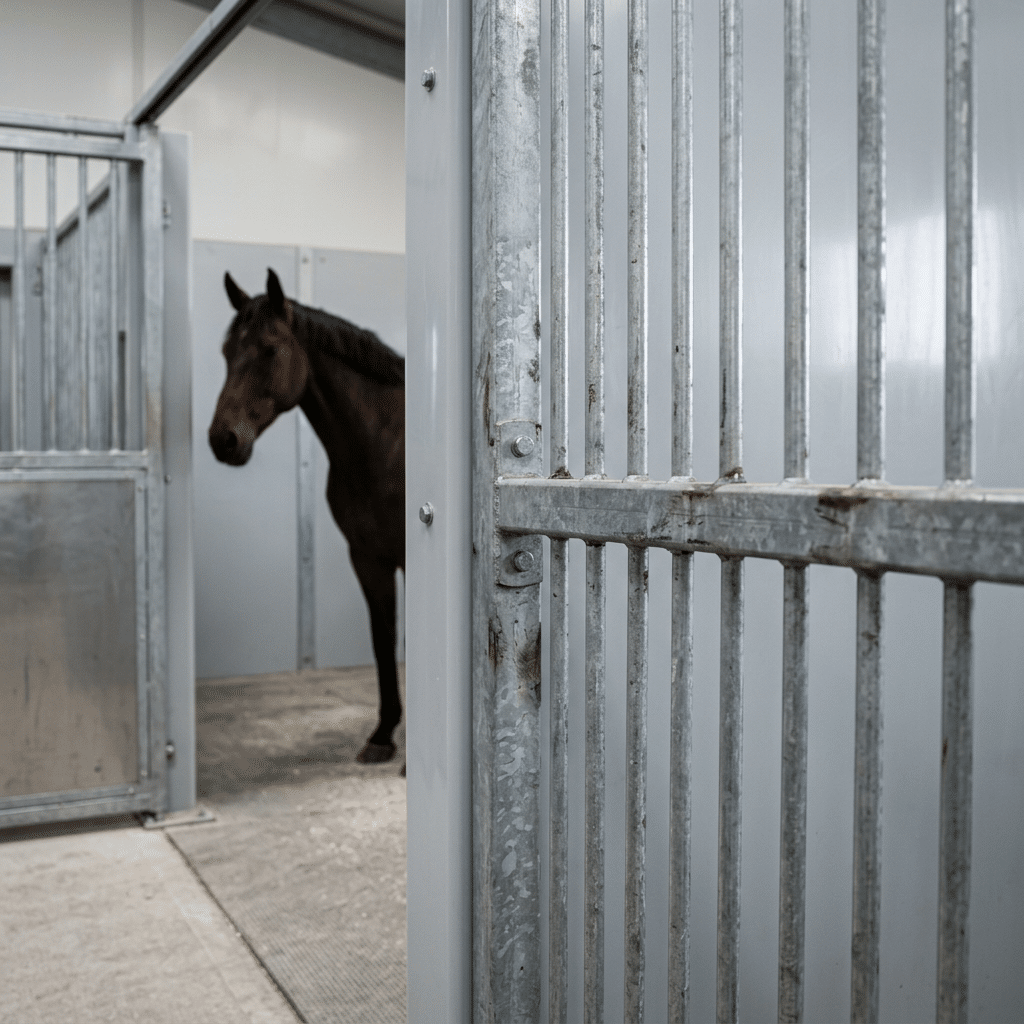
by Frank | May 25, 2026 | Product Knowledge
Maximizing a farm’s resale asset value hinges on distinguishing permanent improvements from future liabilities. A traditional wood stable often becomes a financial drain, subject to appraisal penalties from rot and deferred maintenance costs that erode a...
by Frank | May 23, 2026 | Product Knowledge
Evaluating toxicity & chewing risks is a primary liability for any equestrian facility sourcing new stalls. Unverified powder coatings and plastics can expose horses to lead, cadmium, or phthalates, creating significant financial risk from vet bills and premature...
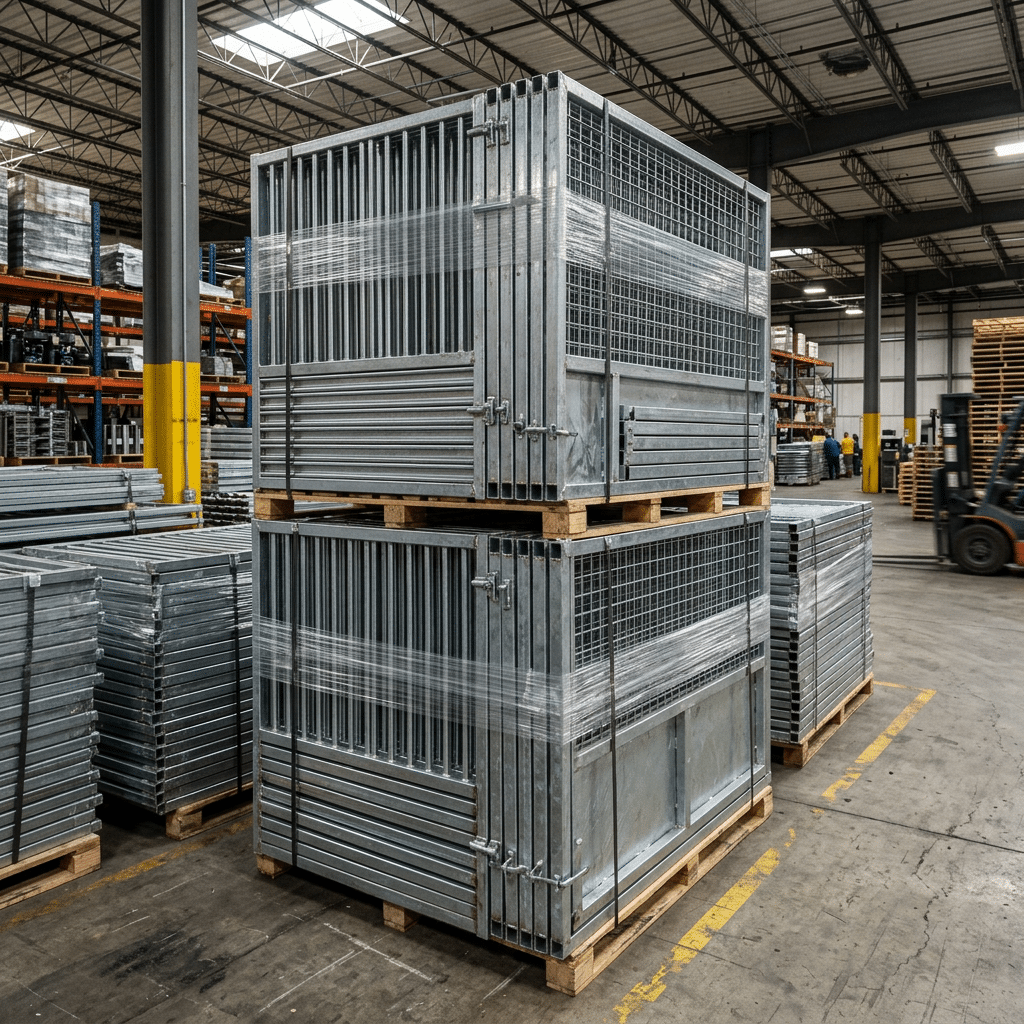
by Frank | May 22, 2026 | Product Knowledge
Non-compliant packaging remains a leading driver of expenses for steel product importers. When shippers rely on standard wood crates, they expose themselves to quarantine delays and fumigation fees alongside the significant risk of structural failure under weight....
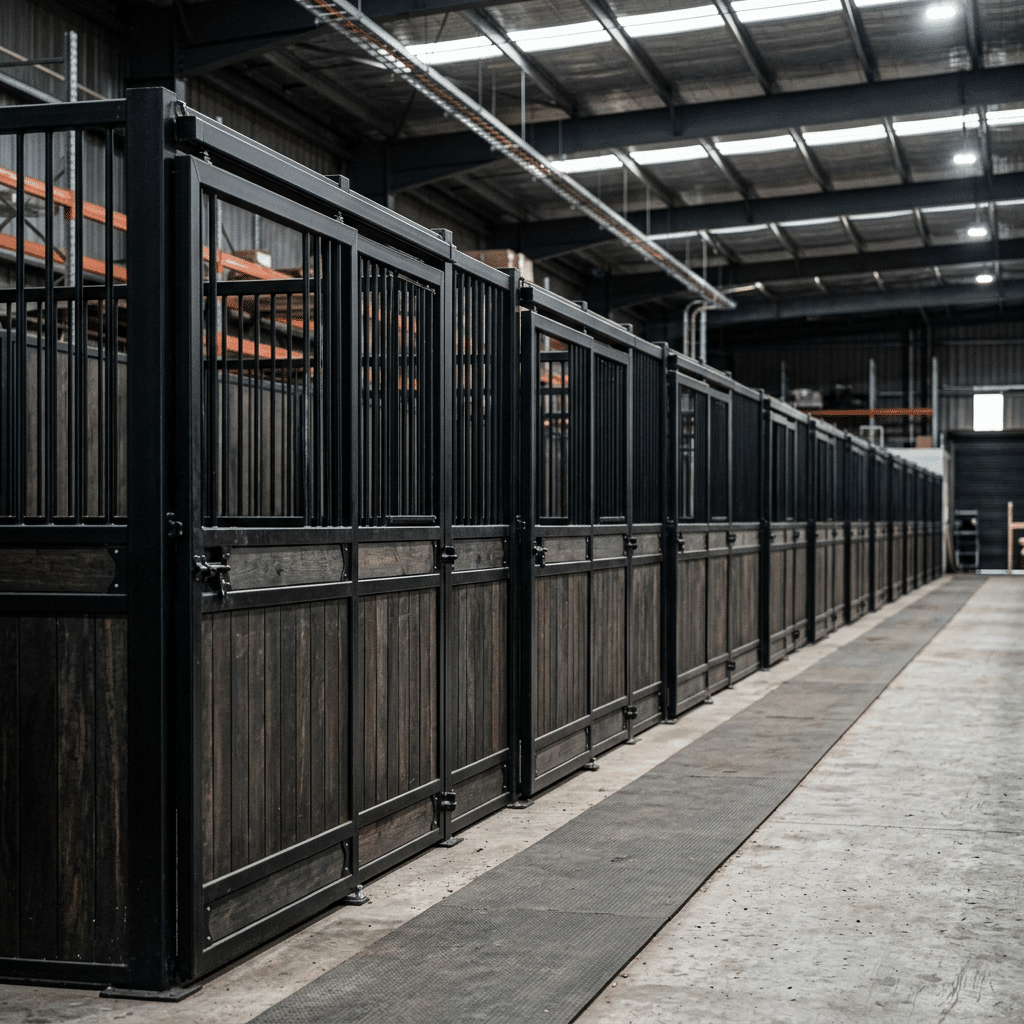
by Frank | May 21, 2026 | Product Knowledge
Commercial insurance premiums for equestrian facilities are driven by two primary risks: catastrophic fire spread and high-cost veterinary claims. A barn built with traditional combustible materials is automatically classified as a high-risk asset, leading to...
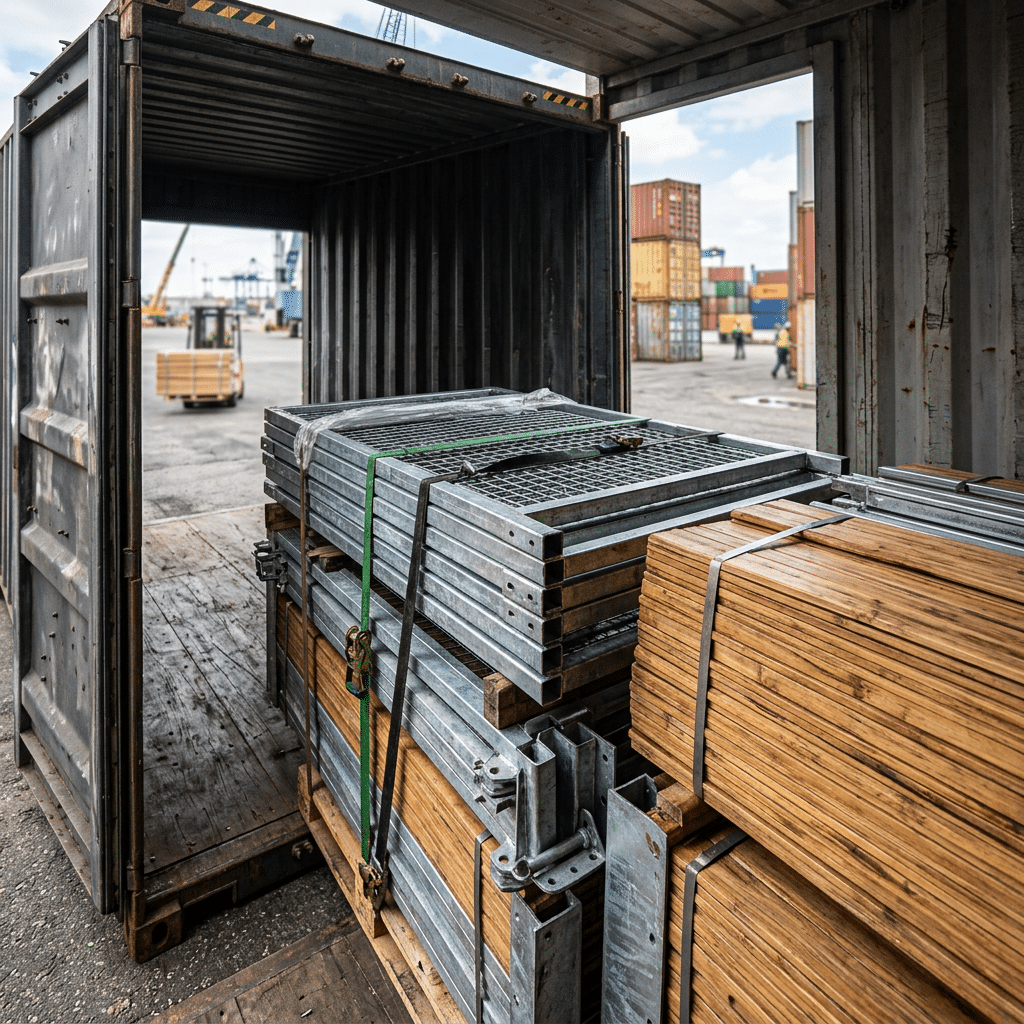
by Frank | May 19, 2026 | Product Knowledge
The annual pressure washing of stables shouldn’t trigger immediate rust, yet many operators see it bloom on welds. This defect isn’t a maintenance issue; it’s a manufacturing shortcut using pre-galvanized steel that directly leads to warranty claims...
by Frank | May 18, 2026 | Product Knowledge
A Cast Horse Emergency is a direct result of failed stable engineering, not random chance. Stalls built with bottom gaps larger than 50mm create a documented lethal trap, exposing facility owners and equipment distributors to significant liability. When a...
 English
 Spanish
 French
 Arabic
 German