
by Frank | Dec 8, 2025 | Blog, Compliance & Regulation Guides, Horse Stables
Misalignment between physical progress and financial reporting frequently derails stable construction projects. Under the ASC 606 standard, recognized revenue relies on the cost-to-cost approach, meaning 4-6 week shipping delays do not just affect the schedule—they...
by Frank | Dec 7, 2025 | Horse Stables
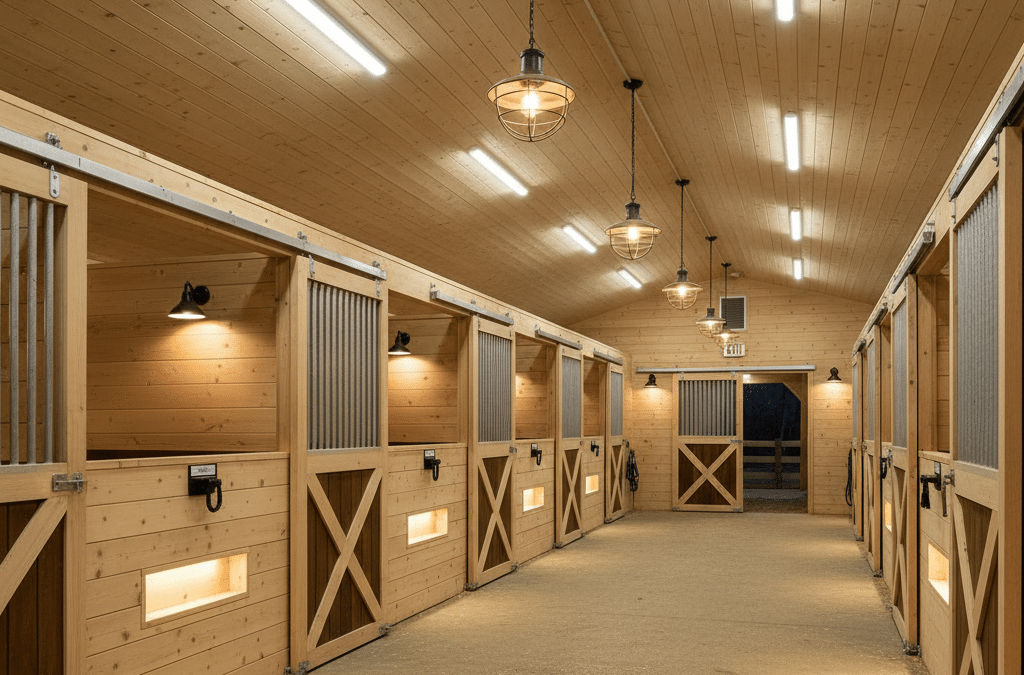
Custom manufacturing carries unique financial risks, as bespoke stable configurations possess zero resale value if orders are abandoned. Factories require upfront deposits to lock in volatile commodity prices, specifically for premium materials like 42-micron hot-dip...
by Frank | Dec 7, 2025 | Horse Stables
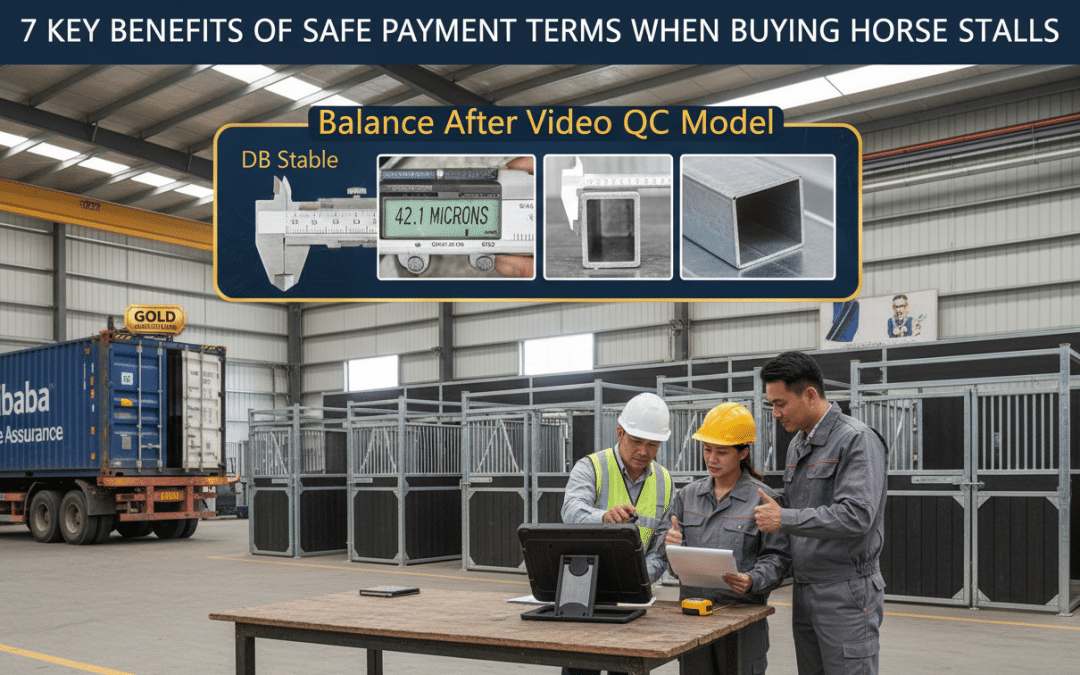
Calculating total landed cost requires looking beyond the base FOB price. Direct imports can reduce project expenses by 45% compared to turnkey local builds, but overlooking mandatory surcharges like the Merchandise Processing Fee creates significant budget variances....
by Frank | Dec 5, 2025 | Horse Stables
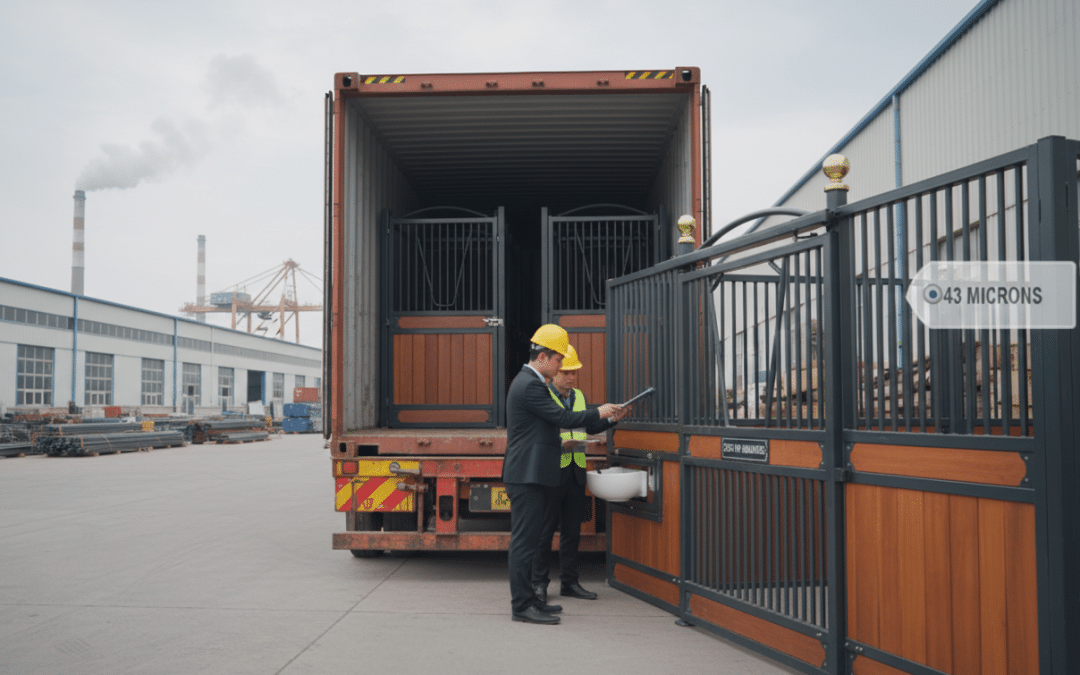
Structural integrity failures often stem from invisible defects like cold welds or insufficient zinc coating rather than obvious design flaws. Relying on visual estimates instead of data-backed instrumentation risks accepting units that corrode or warp within three...
by Frank | Dec 5, 2025 | Horse Stables
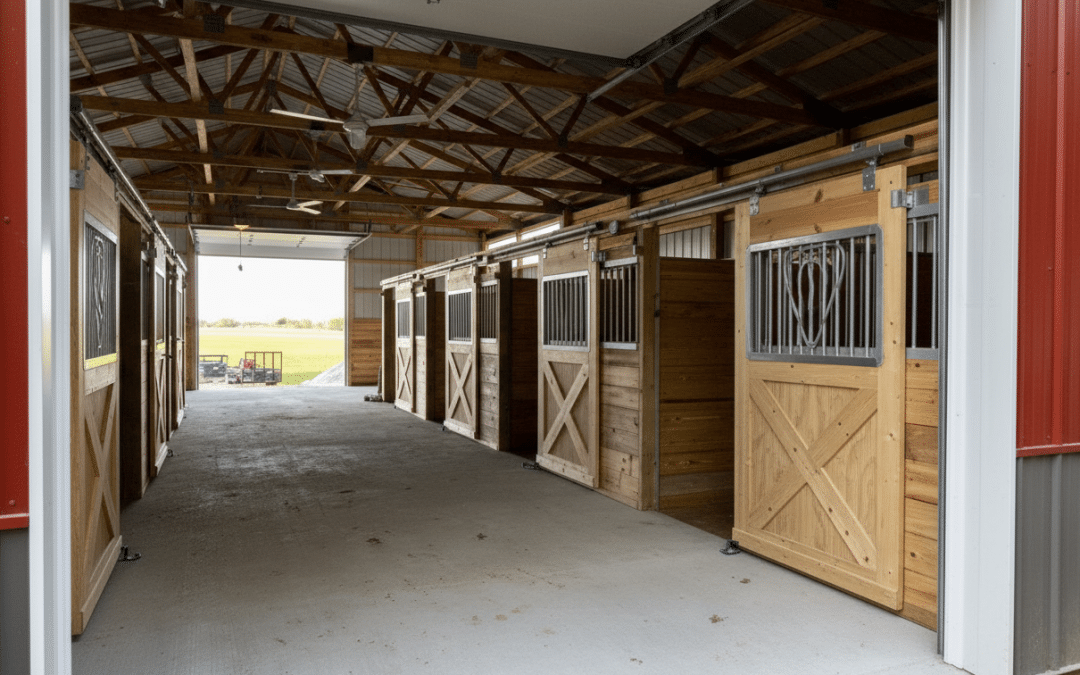
Sourcing equipment through intermediaries often inflates landed costs by hiding a 15-30% service margin behind opaque supply chains. For wholesalers, this erodes profitability while risking components that miss critical safety standards. This analysis contrasts Direct...
by Frank | Dec 5, 2025 | Horse Stables
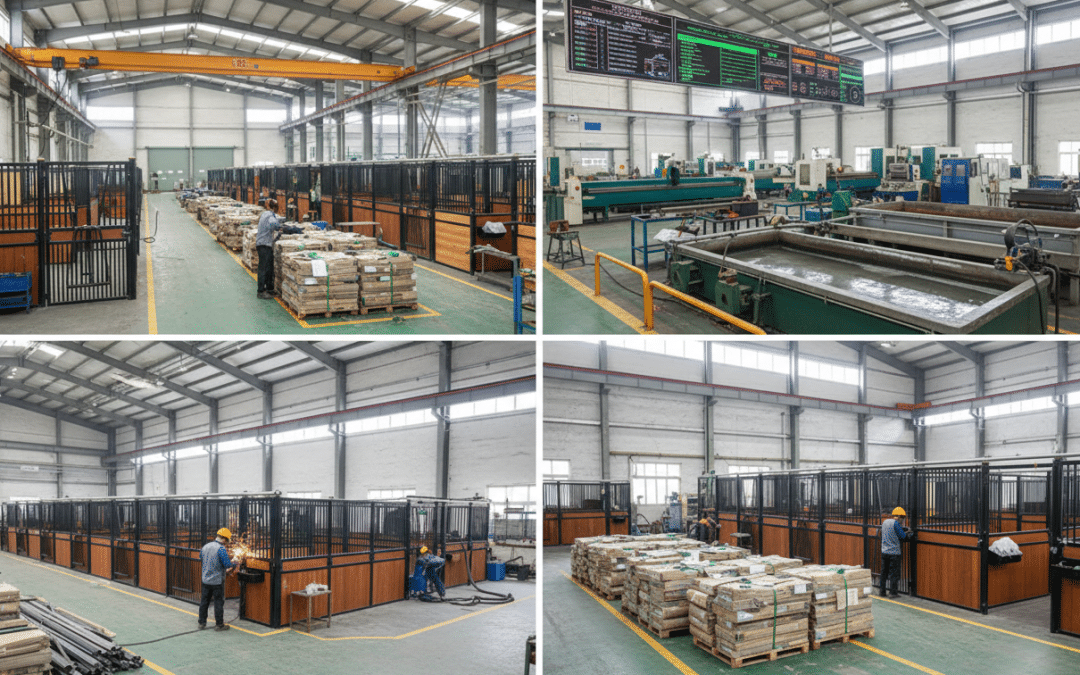
Selecting a manufacturer remotely carries significant risk; overlooking structural standards like 14-gauge steel framing often leads to rapid corrosion and safety hazards. Inadequate partition heights under 7.5 feet jeopardize animal safety, transforming a capital...


 English
  Spanish
  French
  Arabic
  German