by Frank | May 10, 2026 | Horse Stables
Sourcing the right feeders directly impacts operational costs and animal safety. While cheap plastic corner troughs offer a low initial expense, they often crack under impact, driving repeat purchases and creating ingestion hazards. This replacement cycle erodes...
by Frank | May 9, 2026 | Horse Stables
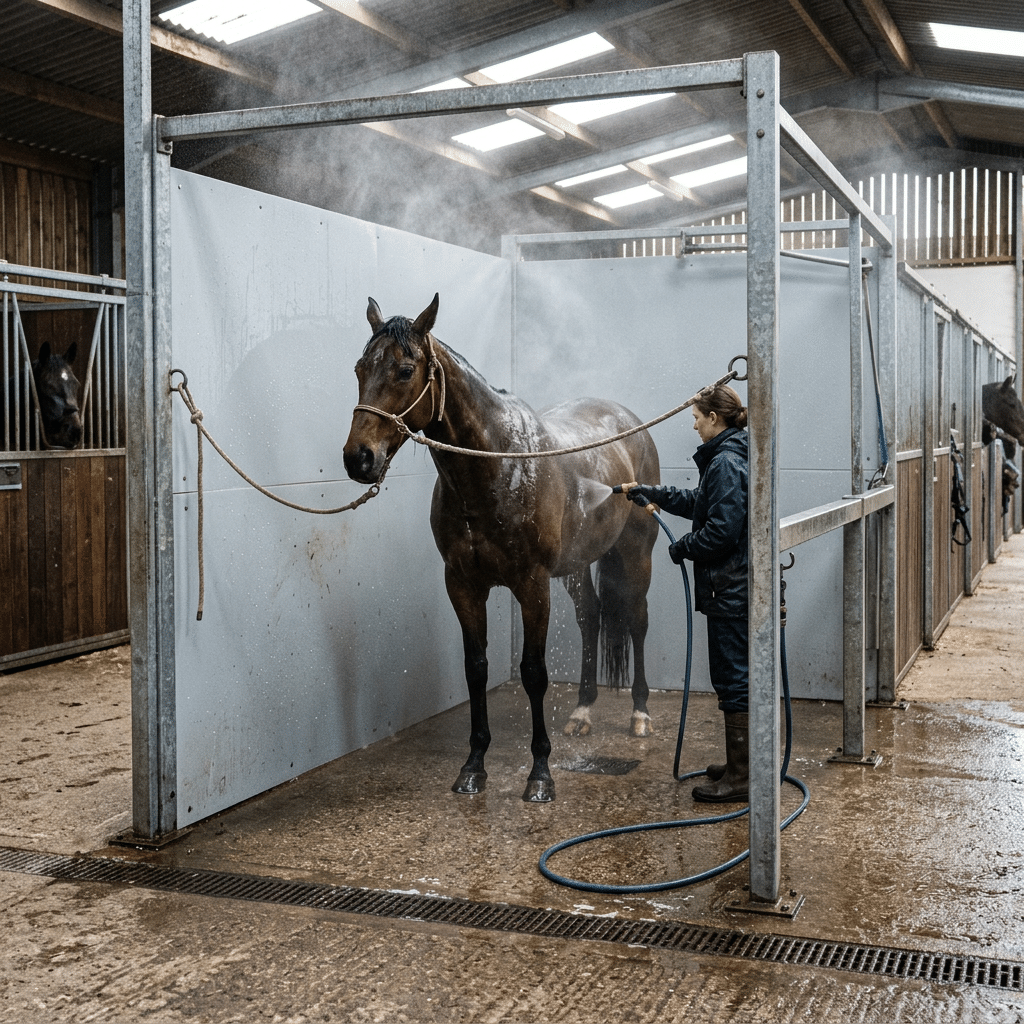
Wash Bay Walls constructed with common materials like rubber mats or concrete create a hidden liability. Trapped moisture behind these surfaces inevitably leads to structural rot and mold, turning a seemingly low-cost project into an expensive long-term failure that...
by Frank | May 8, 2026 | Horse Stables
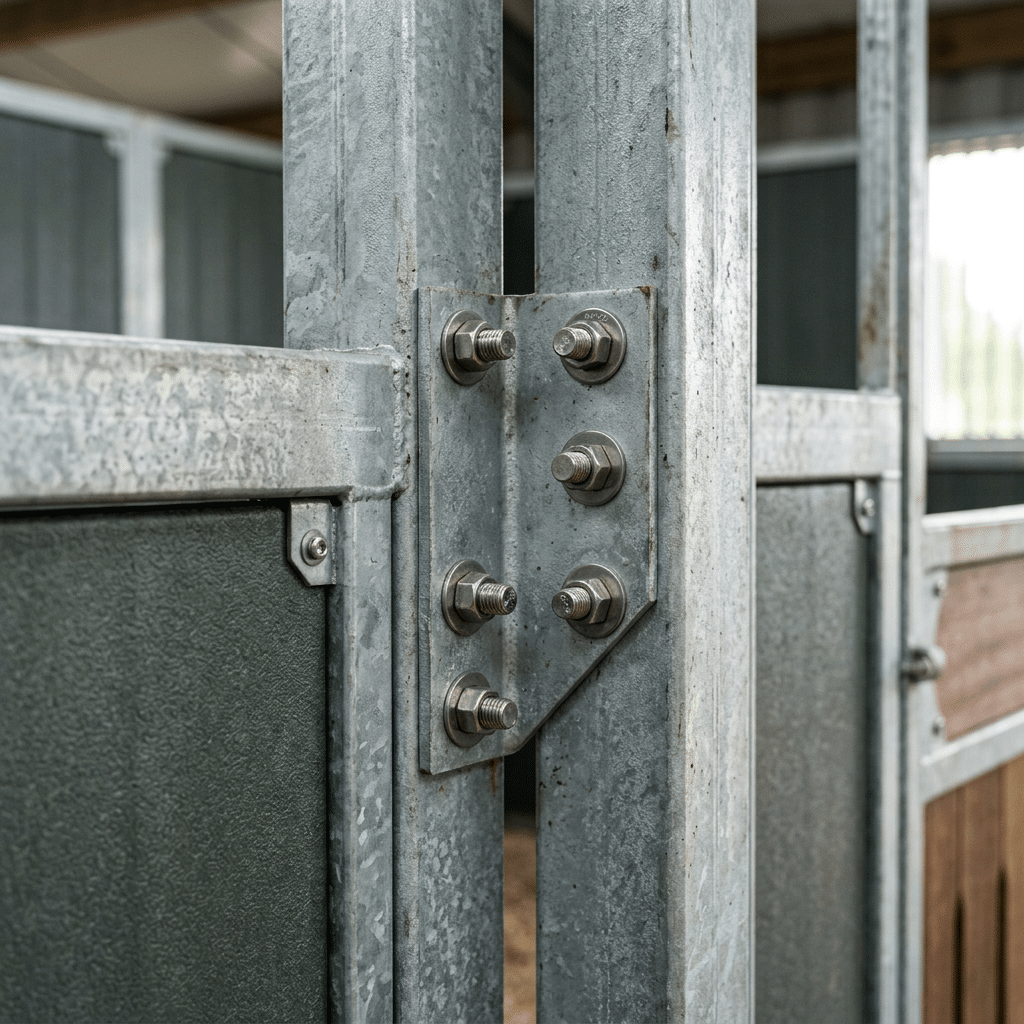
Correct Warmblood Dimensions are critical, but they are irrelevant if the materials fail, leading to expensive repairs and safety liabilities. Stables using pre-galvanized steel or porous wood infill cannot withstand the impact and moisture generated by...
by Frank | May 7, 2026 | Horse Stables
Foaling stalls built with incorrect clearances or porous materials directly threaten the viability of a newborn. A seemingly minor design flaw, like an improper bottom gap, can lead to a cast foal, resulting in catastrophic veterinary bills and the potential loss of a...
by Frank | May 7, 2026 | Horse Stables
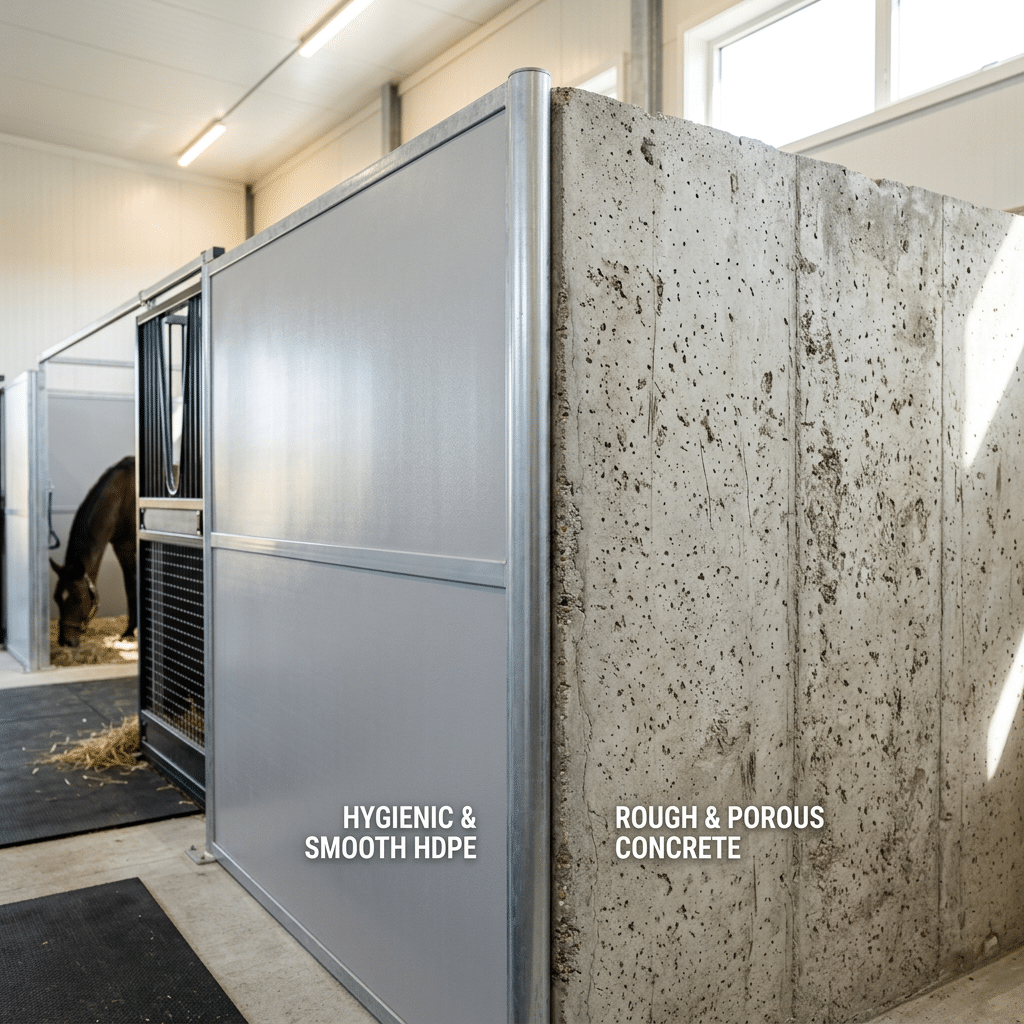
Specifying the right Stallion Stalls is a critical defense against kick-through failures and the structural rot that follows. Inferior materials like porous concrete or standard wood create significant maintenance costs and liability risks, directly impacting the...
by Frank | May 7, 2026 | Horse Stables
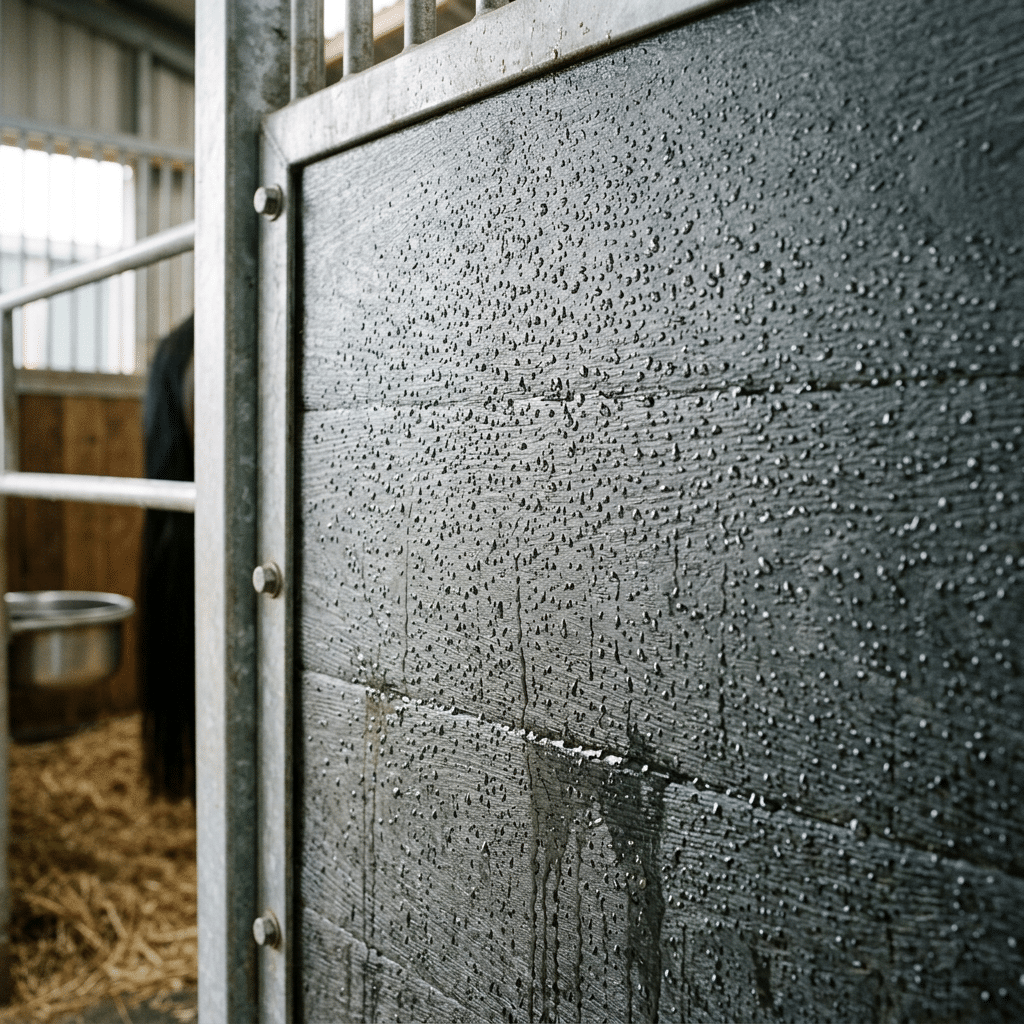
Housing Miniature Horses in standard 12×12 stalls is a common but costly mistake. Incorrect bar spacing and partition heights create significant entrapment risks, leading to vet bills that erode profit and damage a breeder’s reputation. This guide outlines the...


 English
  Spanish
  French
  Arabic
  German