by Frank | Jan 10, 2026 | Compliance & Regulation Guides
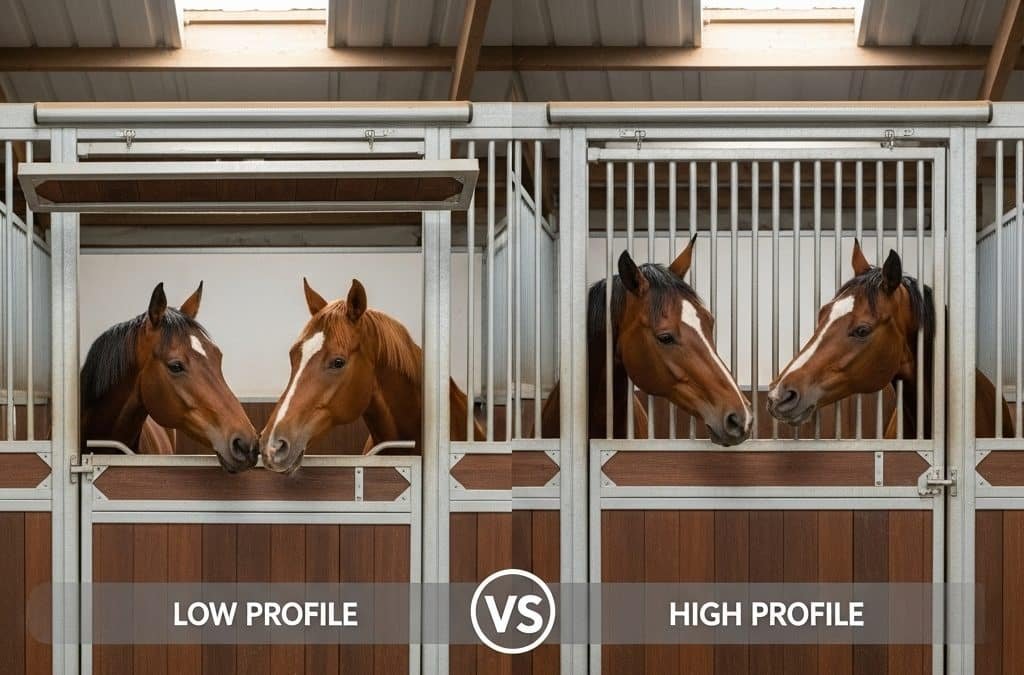
Deciding between low vs high profile stall fronts directly impacts herd socialization and operational risk. The wrong choice can foster stress-related vices or lead to preventable injuries, costing facilities thousands in veterinary bills and devaluing high-value...
by Frank | Jan 1, 2026 | Compliance & Regulation Guides
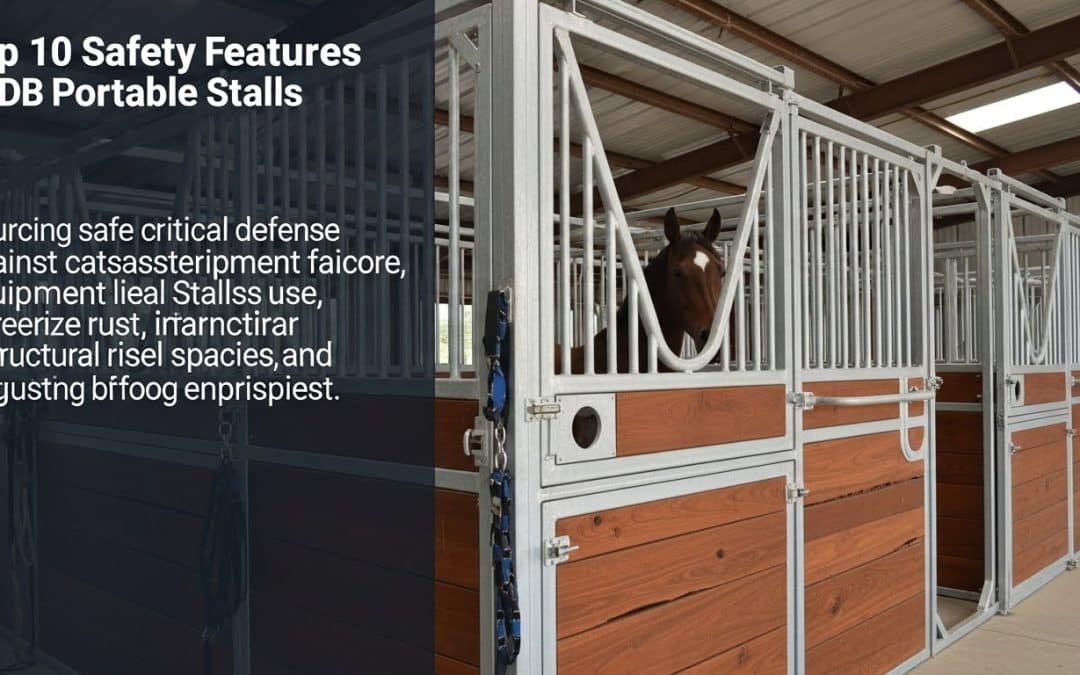
Sourcing safe horse stalls is a critical defense against catastrophic equipment failure and legal liability. Stalls that use pre-galvanized steel or have improper bar spacing often lead to rust, structural weakness, and hoof entrapment, creating significant financial...
by Frank | Dec 31, 2025 | Compliance & Regulation Guides
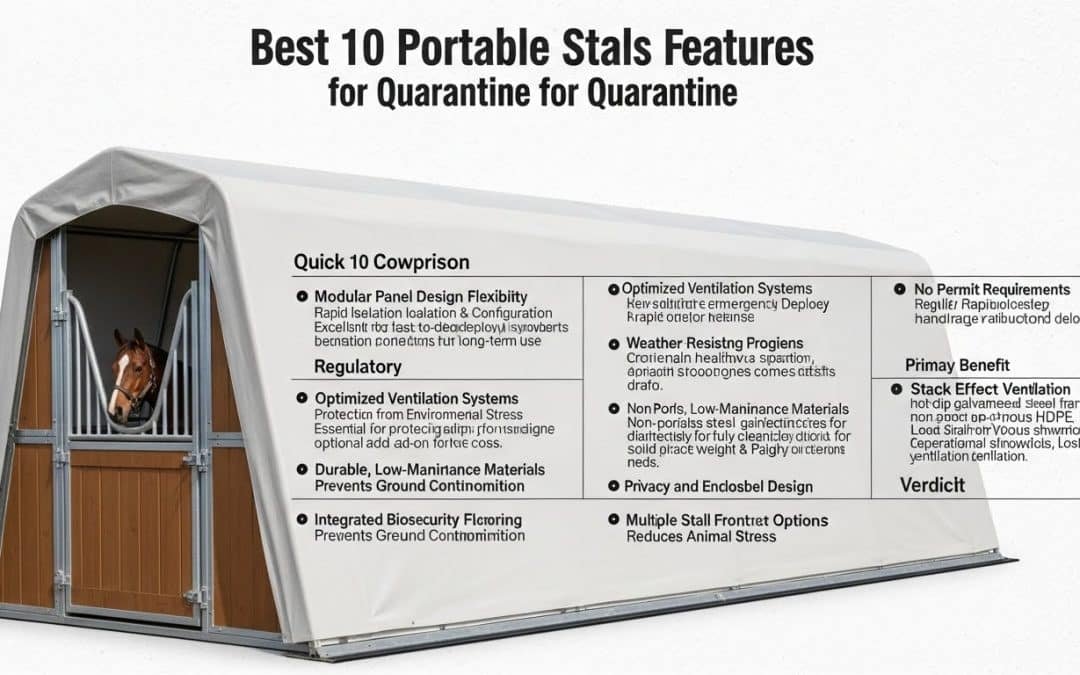
Effective quarantine horse stalls are non-negotiable, as a single biosecurity breach can trigger a facility-wide outbreak. Stalls built with porous materials or poor ventilation fail disinfection protocols, leading to operational shutdowns, loss of certification, and...
![The “Kick Test”: Why 14-Gauge Steel is the Minimum for [Safety]](https://dbhorsestable.com/wp-content/uploads/2025/12/14-Gauge-Steel-2-1080x675.jpeg)
by Frank | Dec 28, 2025 | Compliance & Regulation Guides
When you design or purchase horse stalls, the steel gauge you select directly impacts safety and durability. Overlooking this detail can lead to serious risks for horses and significant repair costs for your facility. What seems like a minor difference in material...
by Frank | Dec 20, 2025 | Compliance & Regulation Guides
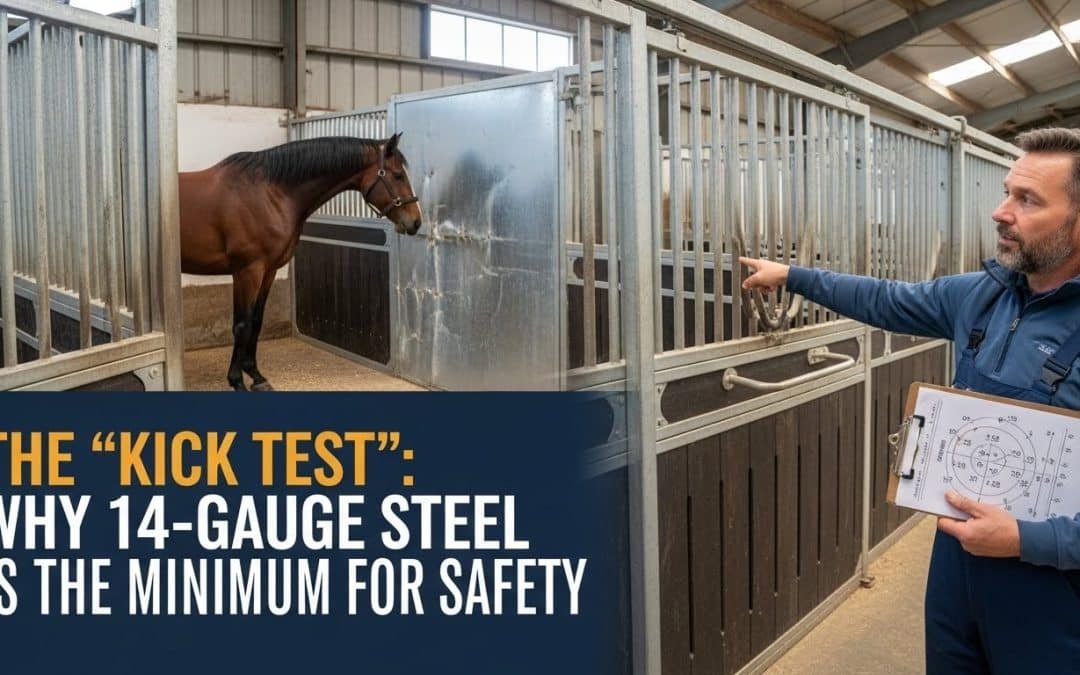
When building or upgrading horse stalls, the safety of your animals and staff is paramount. But what if the steel you choose isn’t strong enough to withstand a horse’s powerful kick? Many overlook the crucial detail of steel gauge, potentially risking...

by Frank | Dec 12, 2025 | Compliance & Regulation Guides, Horse Stables
For U.S. importers, deciding between West Coast and East Coast ports is a constant trade-off between speed and cost. Shipping to the West Coast is faster, but your cargo still has to get inland. Sending it directly to the East Coast takes longer but can avoid domestic...


 English
  Spanish
  French
  Arabic
  German