
by Frank | Dec 11, 2025 | Blog, Customization & Flexibility, Horse Stables, Wholesale Procurement Strategies
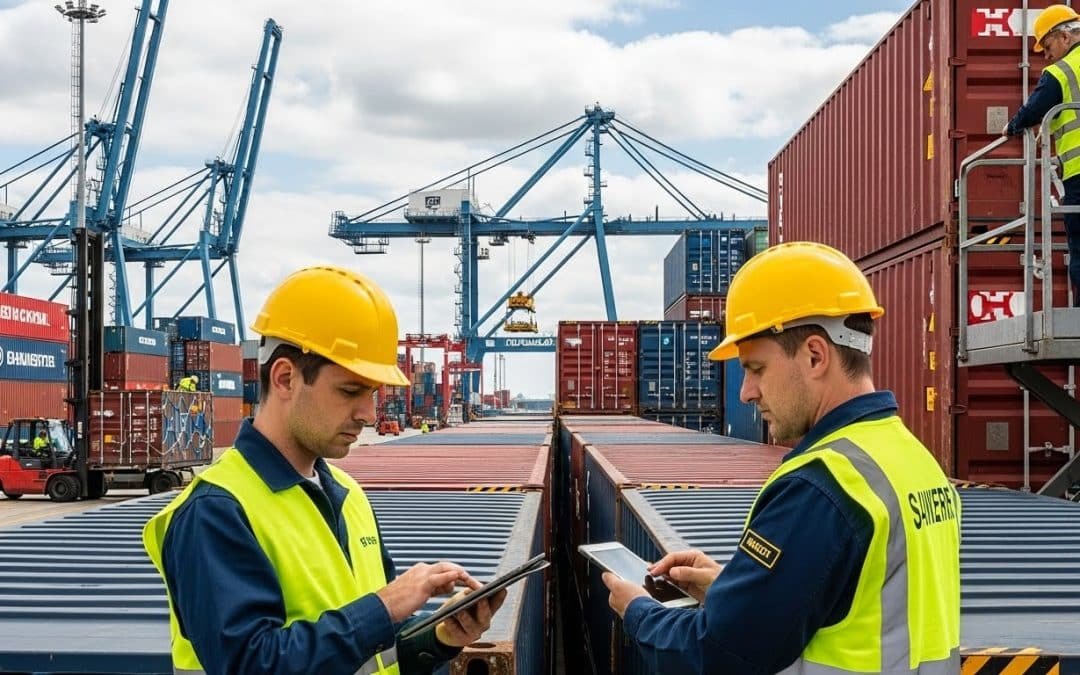
Shipping large, pre-assembled structures is inefficient. You pay for a container’s volume, not just its weight, which is why a single welded stall often occupies an entire 40-foot shipment. When you need to scale up an order, this approach multiplies your...
by Frank | Dec 11, 2025 | Blog, Horse Stables
Most importers fixate on the factory price of metal horse stables, only to see their margins evaporate upon arrival due to hidden logistics fees. Costs such as destination port charges—often ranging from $300 to $600 per container—and standard import duties of 5.7%...
by Frank | Dec 11, 2025 | Blog, Horse Stables
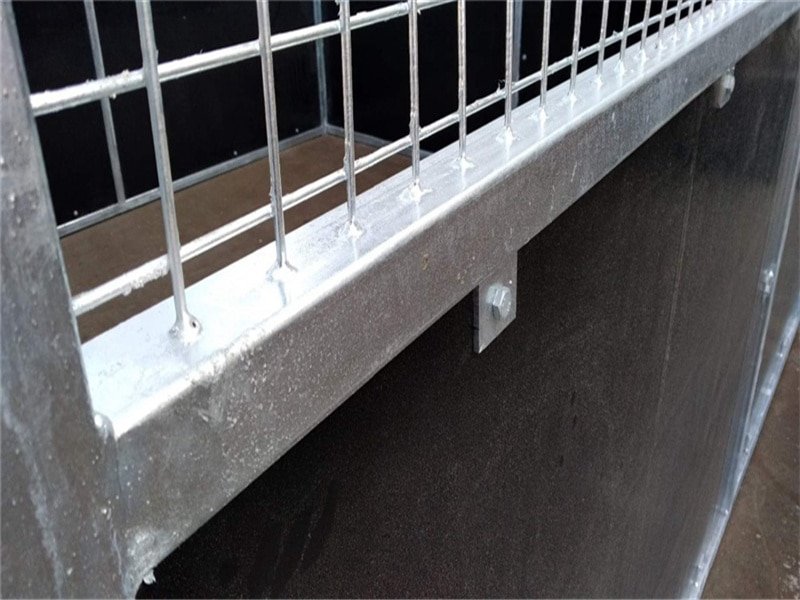
Many facility managers discover that imported equestrian structures suffer structural failure within just three years of installation. This rapid degradation primarily stems from fabricators substituting true hot-dip galvanization with cosmetic spray paints on...
by Frank | Dec 8, 2025 | Blog
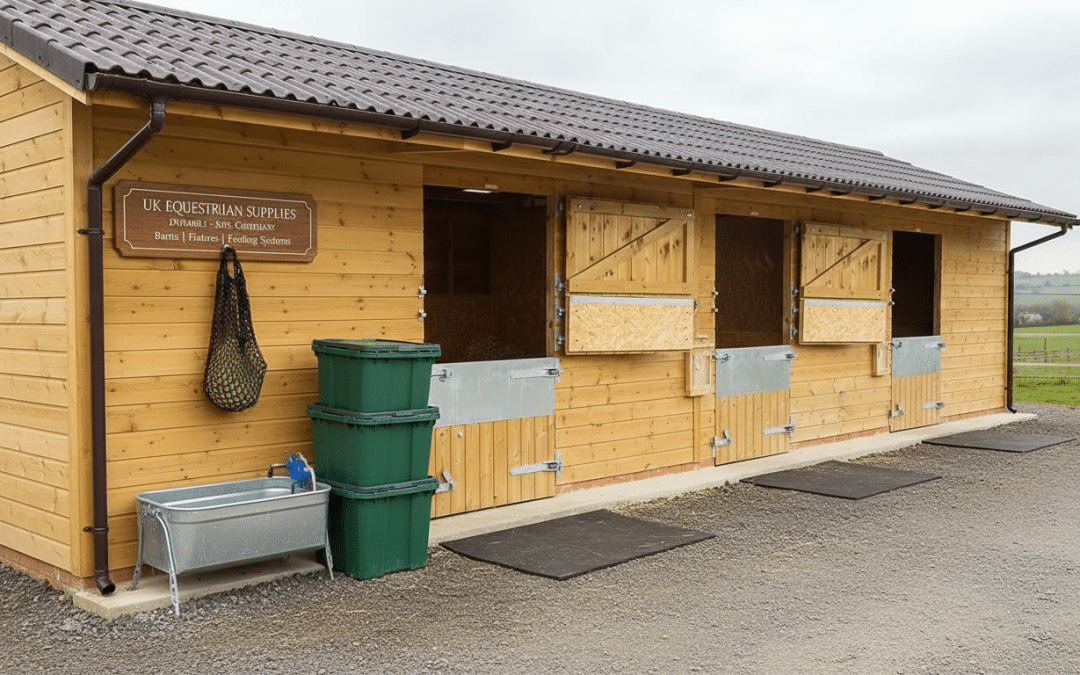
Generic layout templates often ignore local climate variables, leading to rapid material degradation and inefficient workflows. Properly engineered customization reduces daily labor requirements by 30-50% while preventing rust through climate-specific material...
by Frank | Dec 8, 2025 | Blog, Compliance & Regulation Guides, Horse Stables
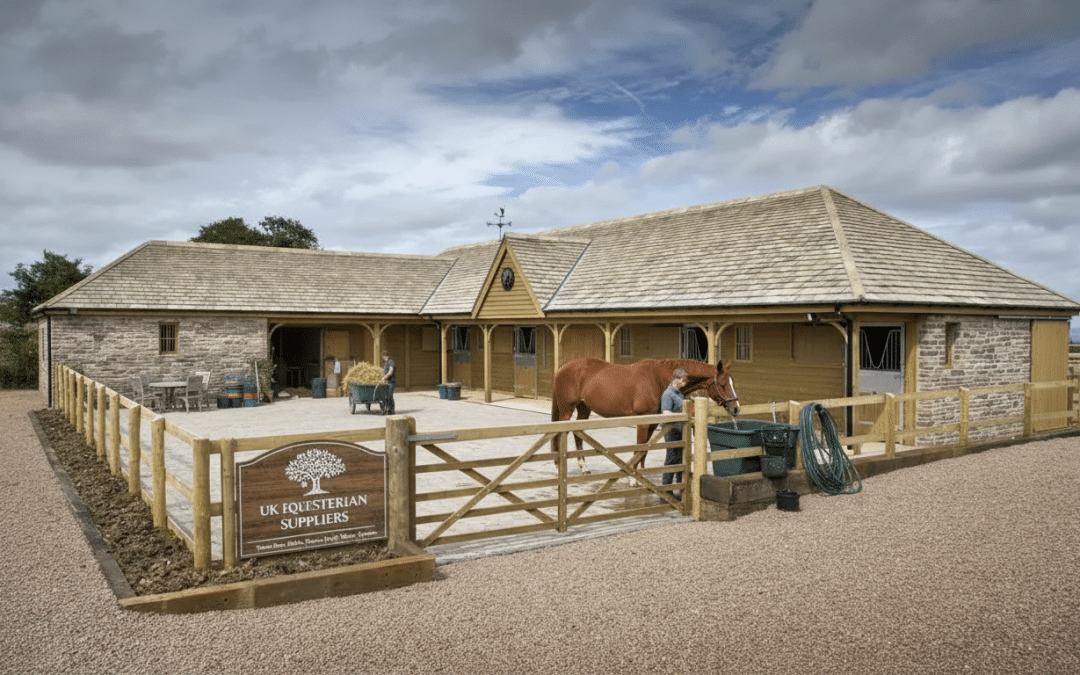
The horse stable manufacturing industry operates without universal engineering mandates like ISO structural standards, leaving buyers vulnerable to rapid material failure. Unscrupulous suppliers often bypass critical testing, delivering products that visually pass...

by Frank | Dec 8, 2025 | Blog, Compliance & Regulation Guides, Horse Stables
Misalignment between physical progress and financial reporting frequently derails stable construction projects. Under the ASC 606 standard, recognized revenue relies on the cost-to-cost approach, meaning 4-6 week shipping delays do not just affect the schedule—they...


 English
  Spanish
  French
  Arabic
  German