by Frank | Jan 1, 2026 | Blog
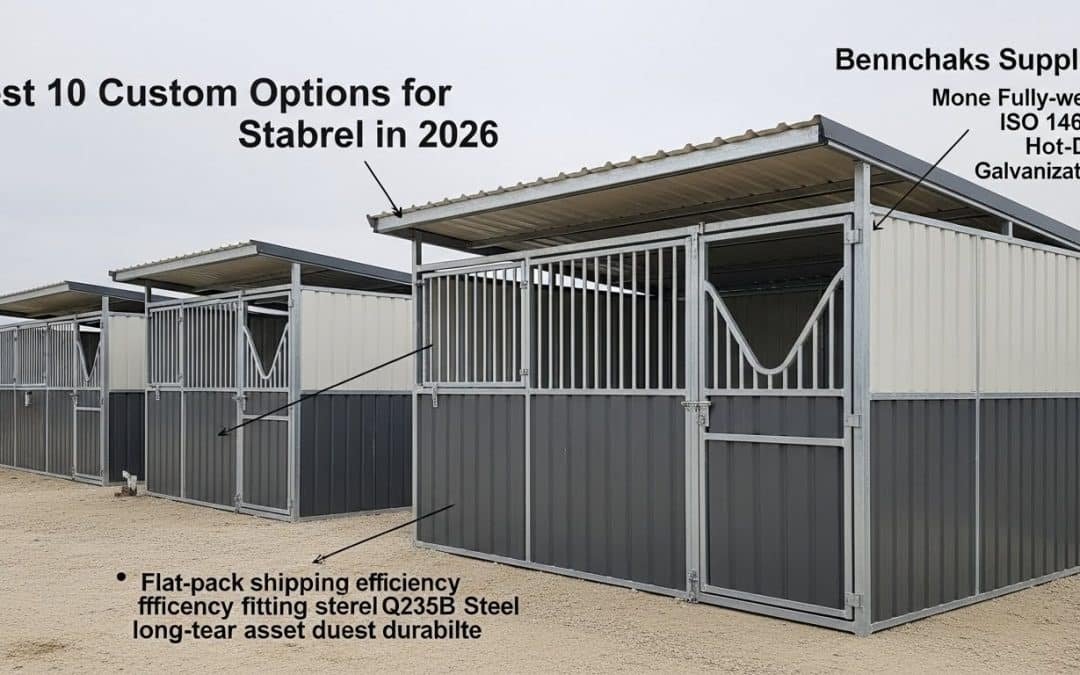
Sourcing custom portable stalls is a direct challenge to operational margins. Many suppliers ship fully-welded units that are logistically inefficient, fitting only 12-15 sets per container and eroding profitability before the equipment is even deployed. This analysis...
by Frank | Jan 1, 2026 | Blog
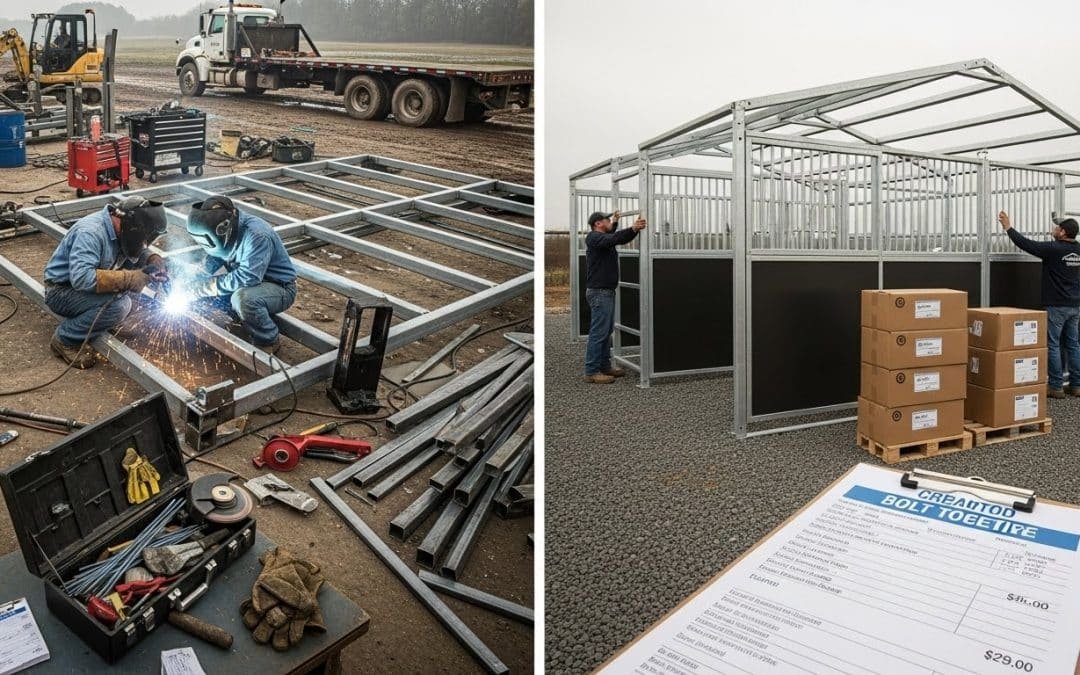
The labor savings from prefab horse stall kits are often overlooked when estimators see the lower initial price of a weld-it-yourself system. This miscalculation shifts unpredictable expenses, like certified welder rates and inefficient freight, directly to the job...
by Frank | Jan 1, 2026 | Blog
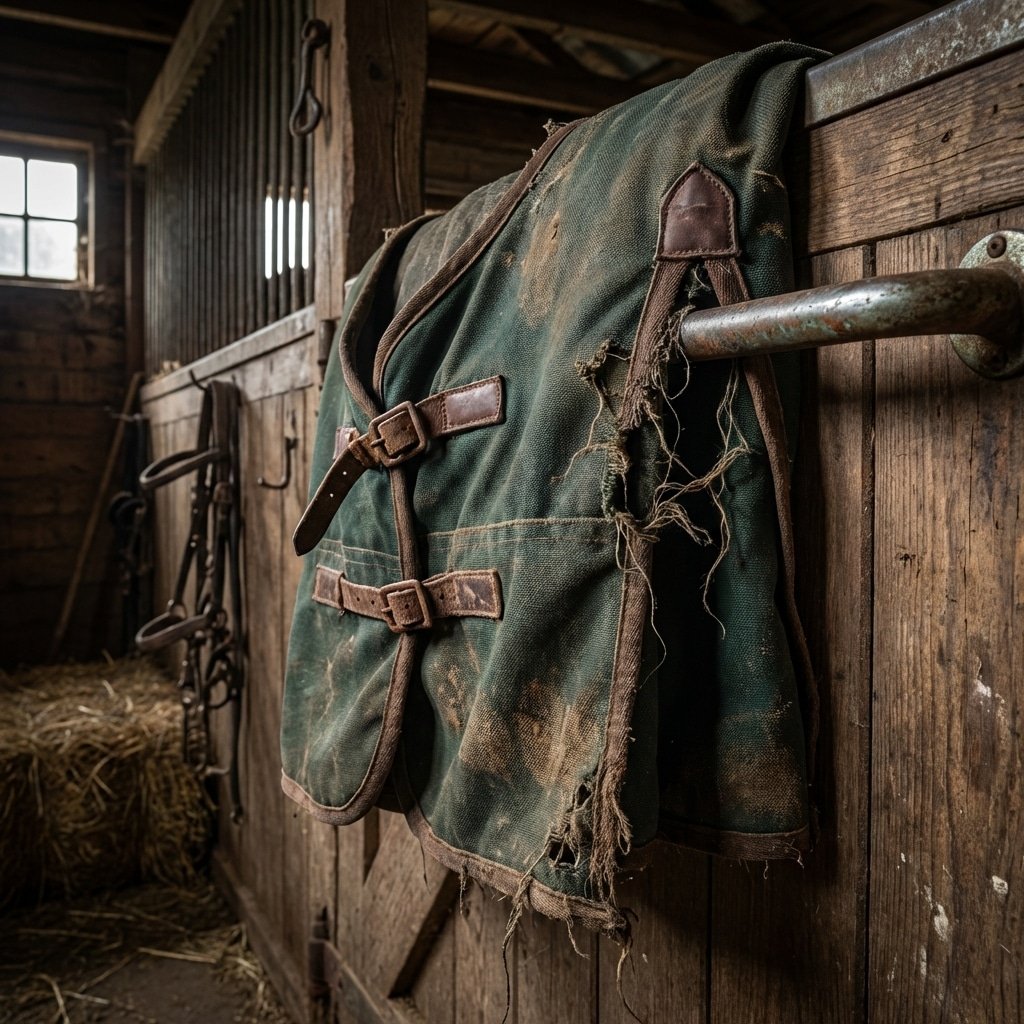
Sourcing effective Multi-Species Modular stabling demands a rigorous balance between equine containment strength and small-stock safety. Standard 3-inch bar spacing creates lethal entrapment risks for alpacas and foals, rapidly converting a versatile barn investment...
by Frank | Dec 31, 2025 | Blog
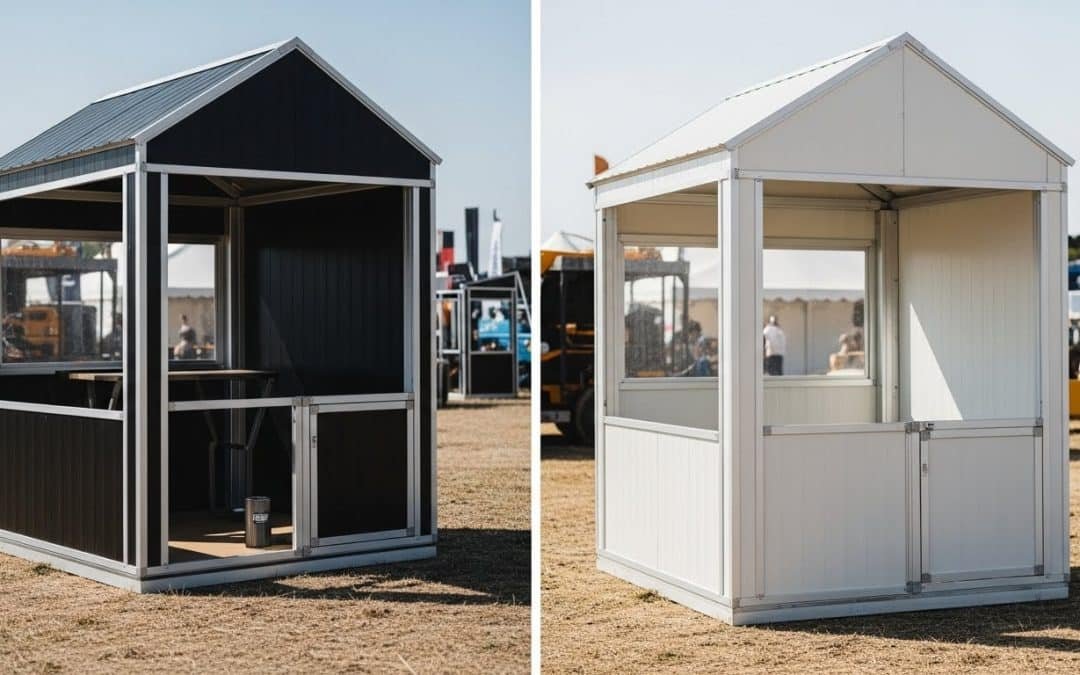
The steel vs aluminum portable horse stalls debate is a critical capital decision that directly impacts fleet ROI. Opting for aluminum means a high upfront cost, while choosing steel often raises concerns about rust and freight expenses, creating significant risk to...
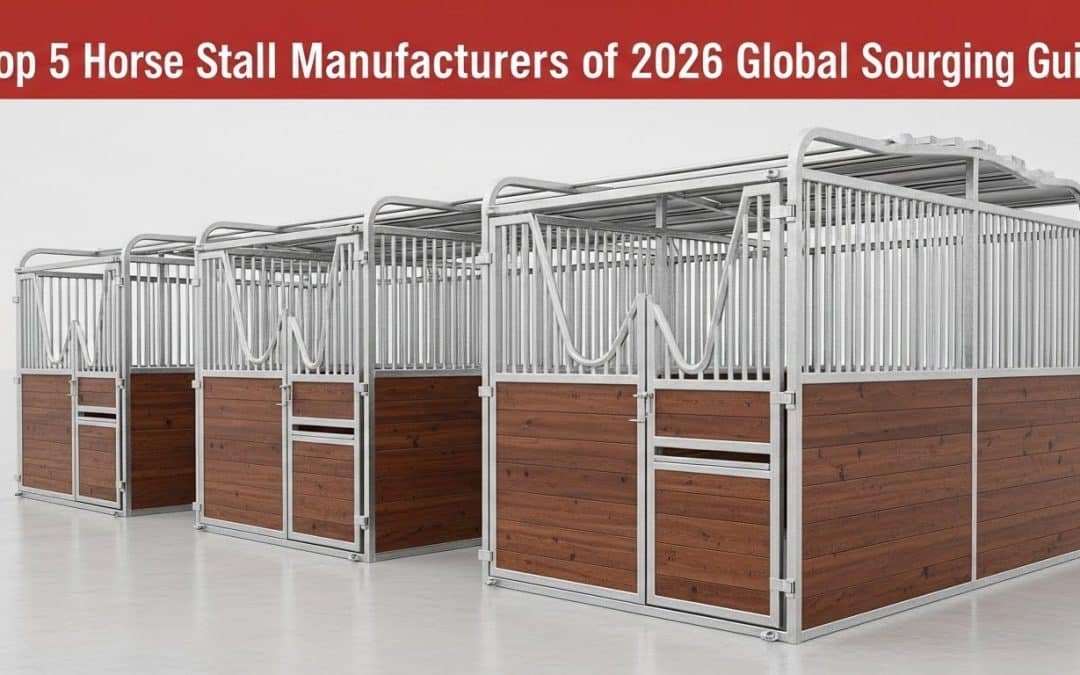
by Frank | Dec 31, 2025 | Blog
Sourcing horse stall panels from the wrong manufacturer is a direct threat to distributor margins. Bulky, fully-welded stalls are inefficient to ship, often loading only 12 sets per container and inflating per-unit freight costs. This logistical oversight can erase...
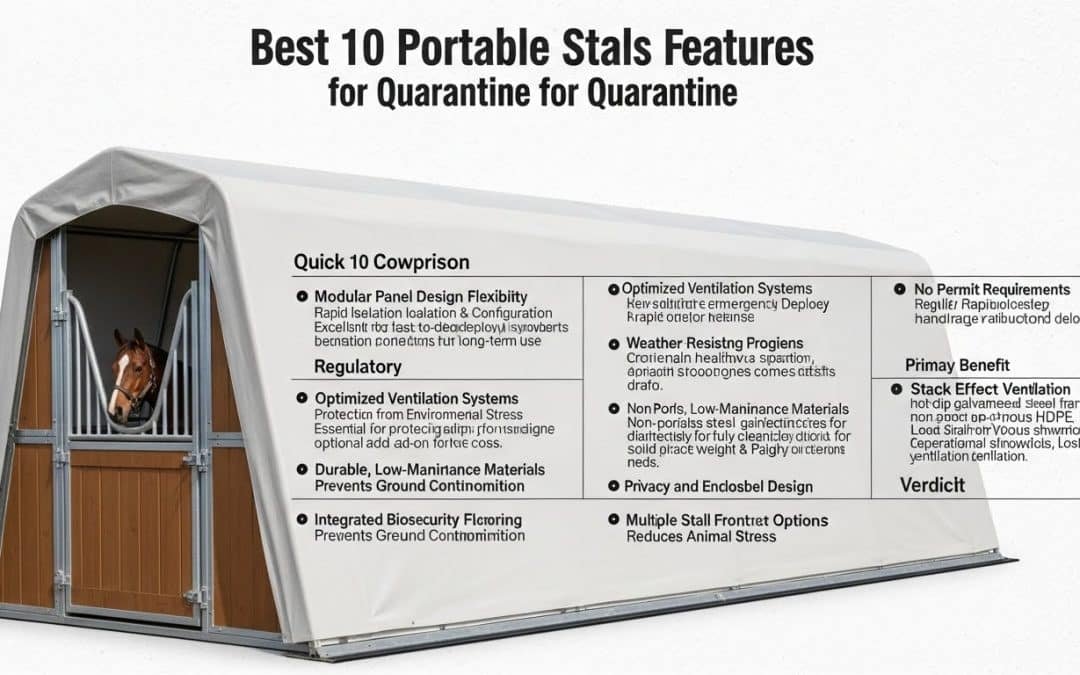
by Frank | Dec 31, 2025 | Blog
Effective quarantine horse stalls are non-negotiable, as a single biosecurity breach can trigger a facility-wide outbreak. Stalls built with porous materials or poor ventilation fail disinfection protocols, leading to operational shutdowns, loss of certification, and...


 English
  Spanish
  French
  Arabic
  German