by Frank | Jan 10, 2026 | Blog
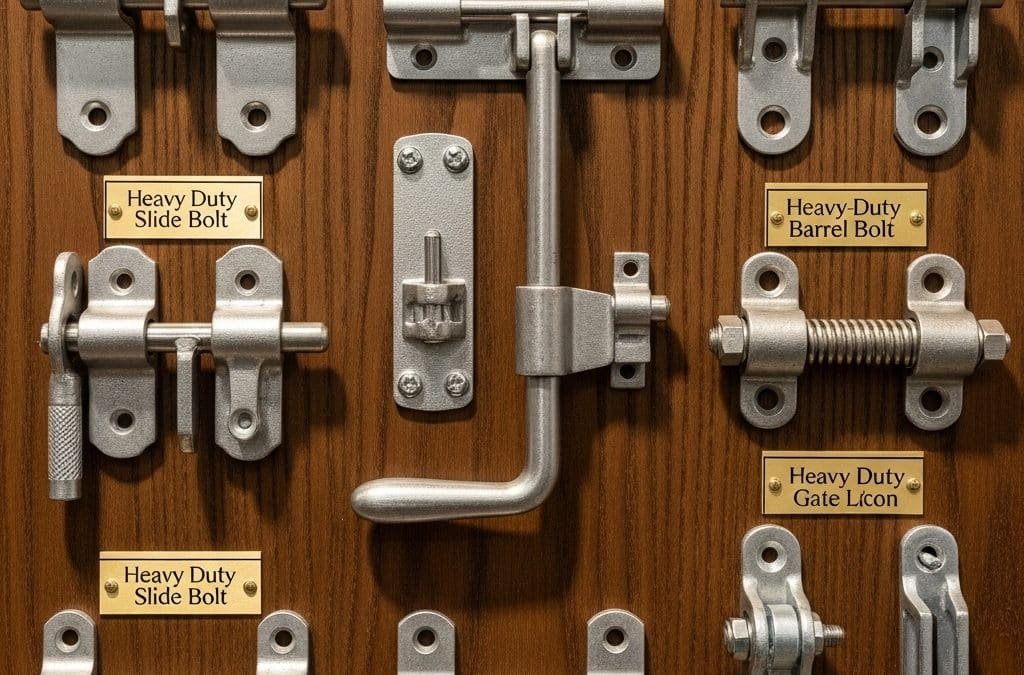
A hardware upgrade for horse stall latches is the primary defense against component failure that drives up maintenance costs. Using inferior zinc alloy hardware in a renovation project often leads to rapid corrosion and seizure, creating repeat work orders and...
by Frank | Jan 10, 2026 | Blog
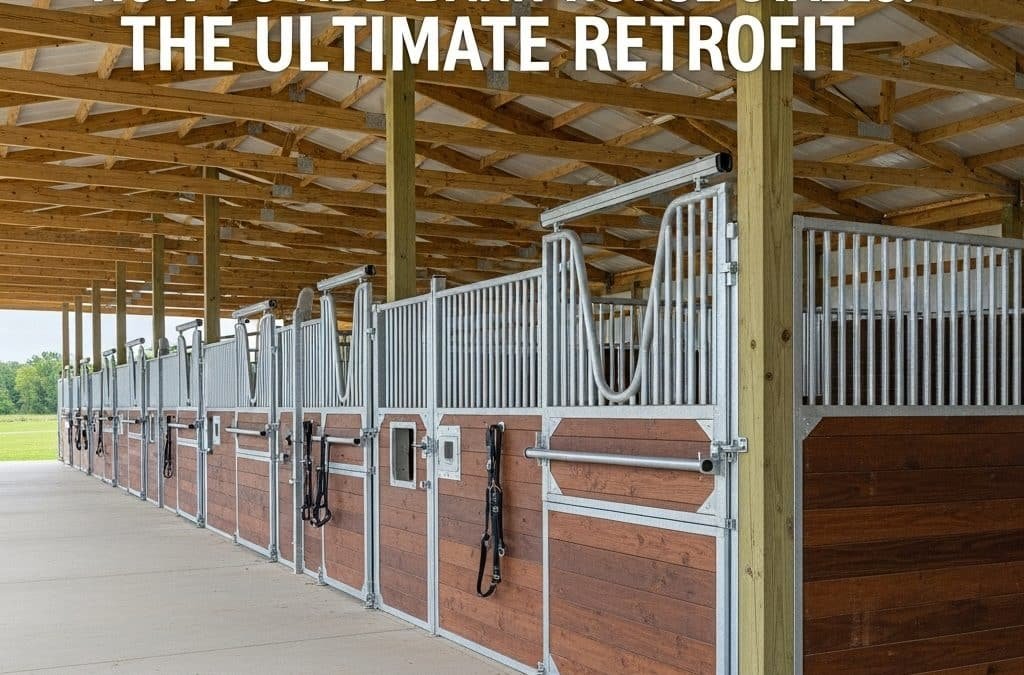
Adding pole barn horse stalls that fail prematurely creates expensive callbacks and damages a builder’s reputation. The primary failure point is often overlooked: stock hardware kits using zinc alloys that corrode and seize in high-humidity barn environments,...
by Frank | Jan 2, 2026 | Blog
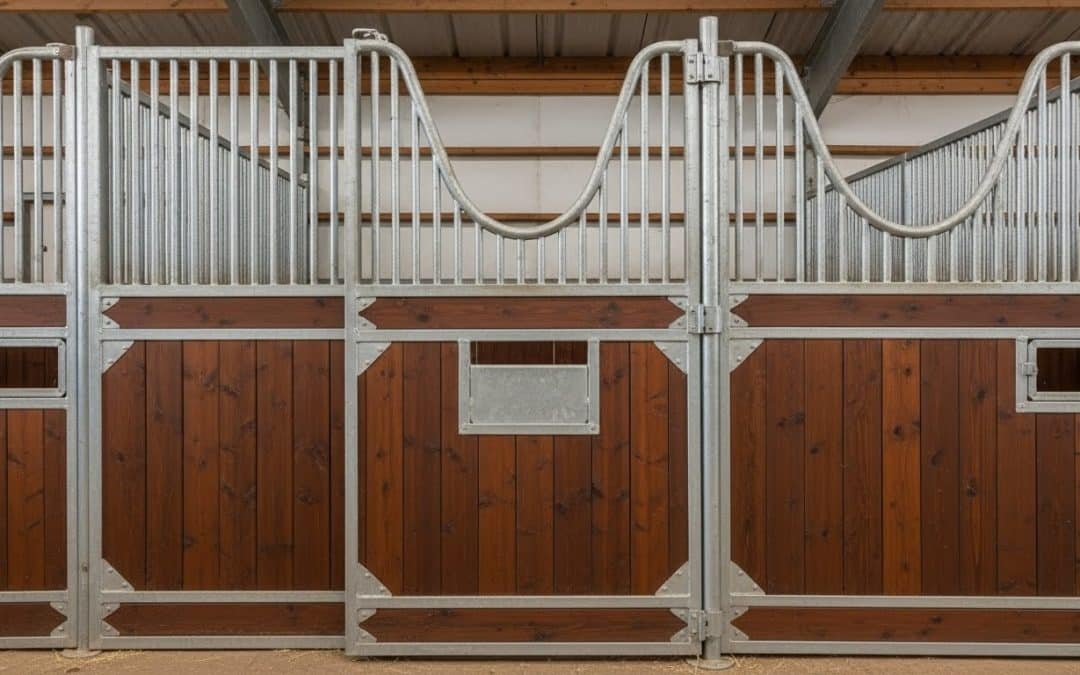
Choosing the correct renovationhorse stall fronts is a decision where initial material cost is misleading. A fronts-only approach seems cheaper, but ignores two critical profit drains: the high freight cost of inefficiently shipped welded units and the long-term risk...
by Frank | Jan 2, 2026 | Blog
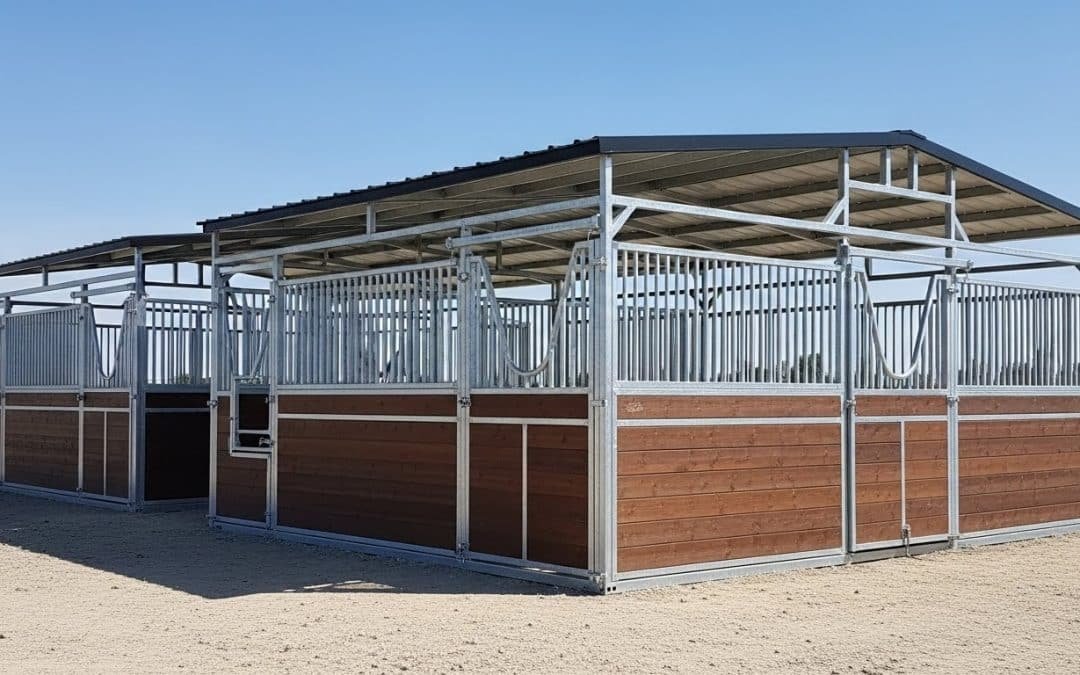
A rapid portable horse stall setup is determined by logistics, not just labor. Traditional fully-welded panels create an immediate bottleneck with slow, manual unloading that inflates on-site costs and risks project delays. Every hour spent handling awkward, heavy...
by Frank | Jan 2, 2026 | Blog
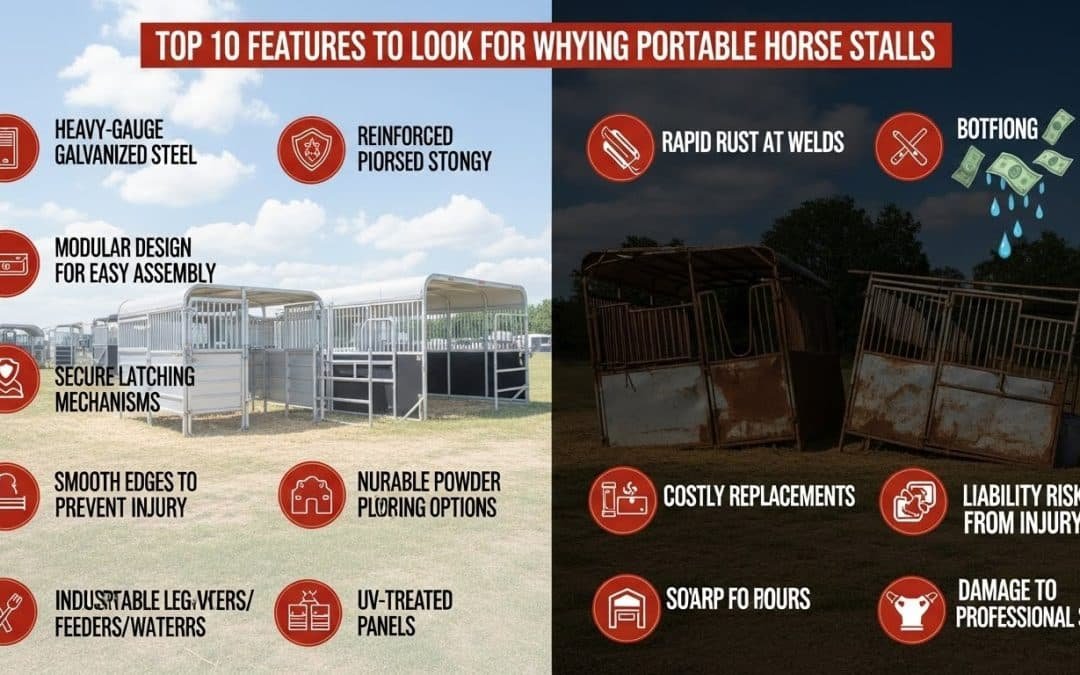
When you buy portable horse stalls, your procurement decision directly impacts long-term operational costs and liability risks. Opting for cheaper systems built with thin, pre-galvanized steel invites rapid rust at the welds, structural failure, and costly...
by Frank | Jan 1, 2026 | Blog
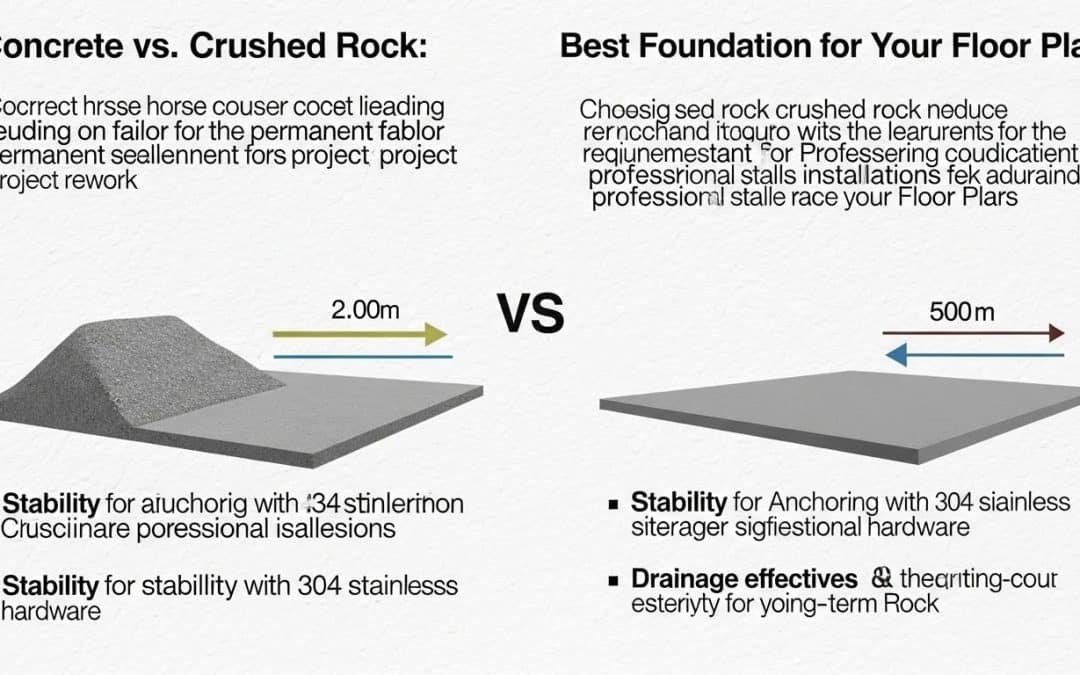
Incorrect horse stall flooring foundation is a leading cause of structural failure and project rework. Choosing crushed rock over concrete to reduce upfront costs for a permanent facility risks foundation settlement, which compromises the integrity of the entire stall...


 English
  Spanish
  French
  Arabic
  German