
by Frank | Feb 26, 2026 | Blog
Proper Mat Integration determines whether your facility lasts decades or requires expensive retrofitting within months. Placing heavy steel frames on compressible rubber creates a soft joint that inevitably loosens hardware and compromises structural safety. This...
by Frank | Feb 26, 2026 | Blog
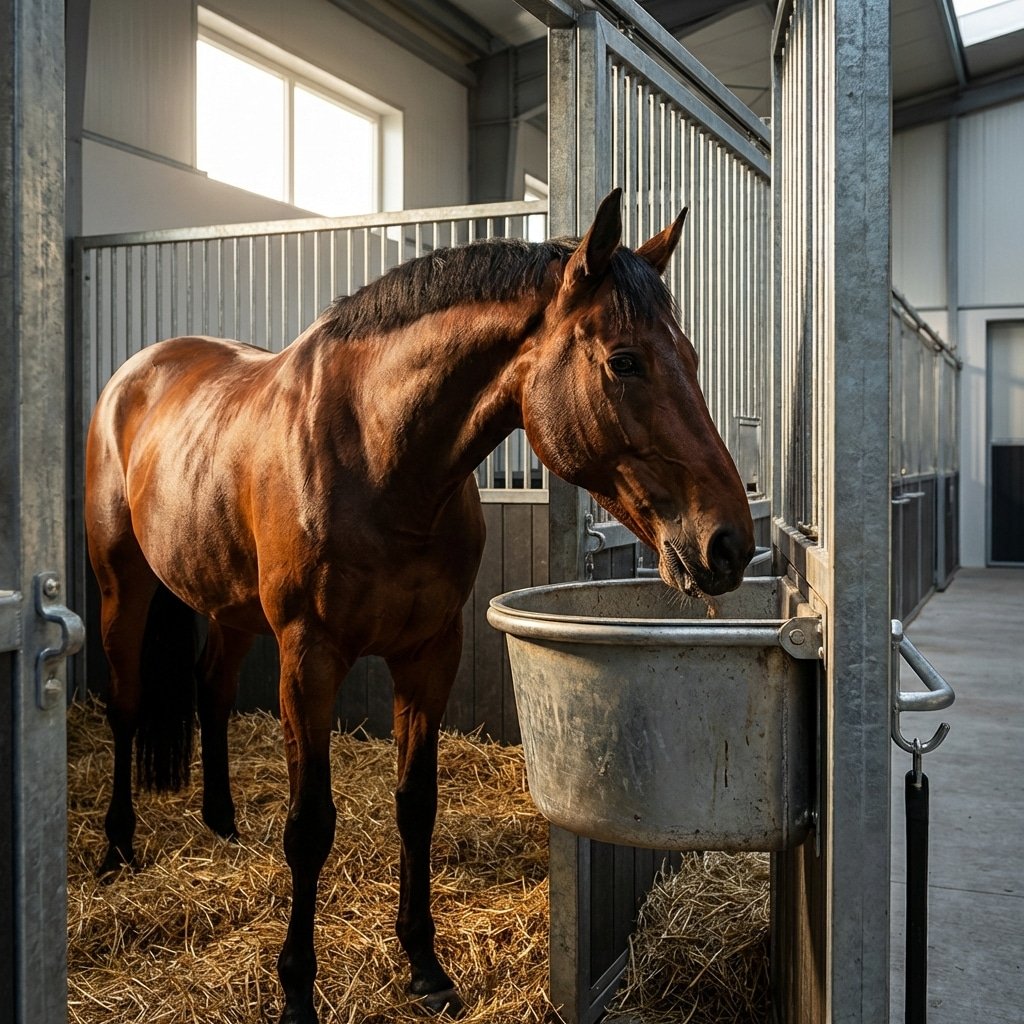
Feed Tub Cribbing rapidly degrades standard plastic infrastructure and transforms feeding equipment into a significant safety liability. When anxious horses bite down on generic polyethylene, the material frequently shatters, creating sharp shards that cause internal...

by Frank | Feb 26, 2026 | Blog
Border Quarantine facilities operate on thin margins where biosecurity failure leads to immediate operational shutdowns. Standard timber stabling acts as a biological sponge for pathogens, making it impossible to pass rigorous USDA or EU sanitary audits due to...
by Frank | Feb 25, 2026 | Blog
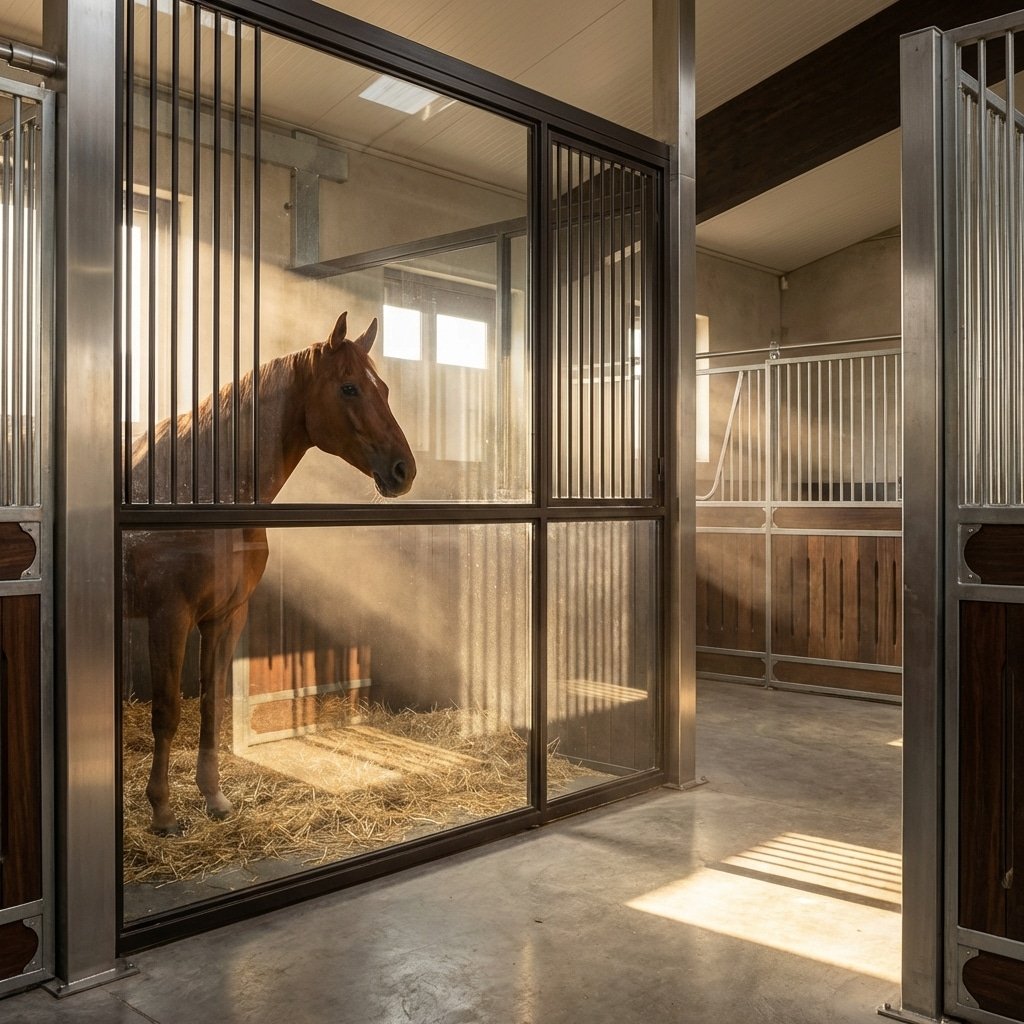
Adding Light to an indoor facility is a strategic operational investment, but it creates immediate liability if executed with standard glazing. While natural illumination reduces equine cortisol and stable vices, installing unshielded annealed glass introduces a...
by Frank | Feb 25, 2026 | Blog
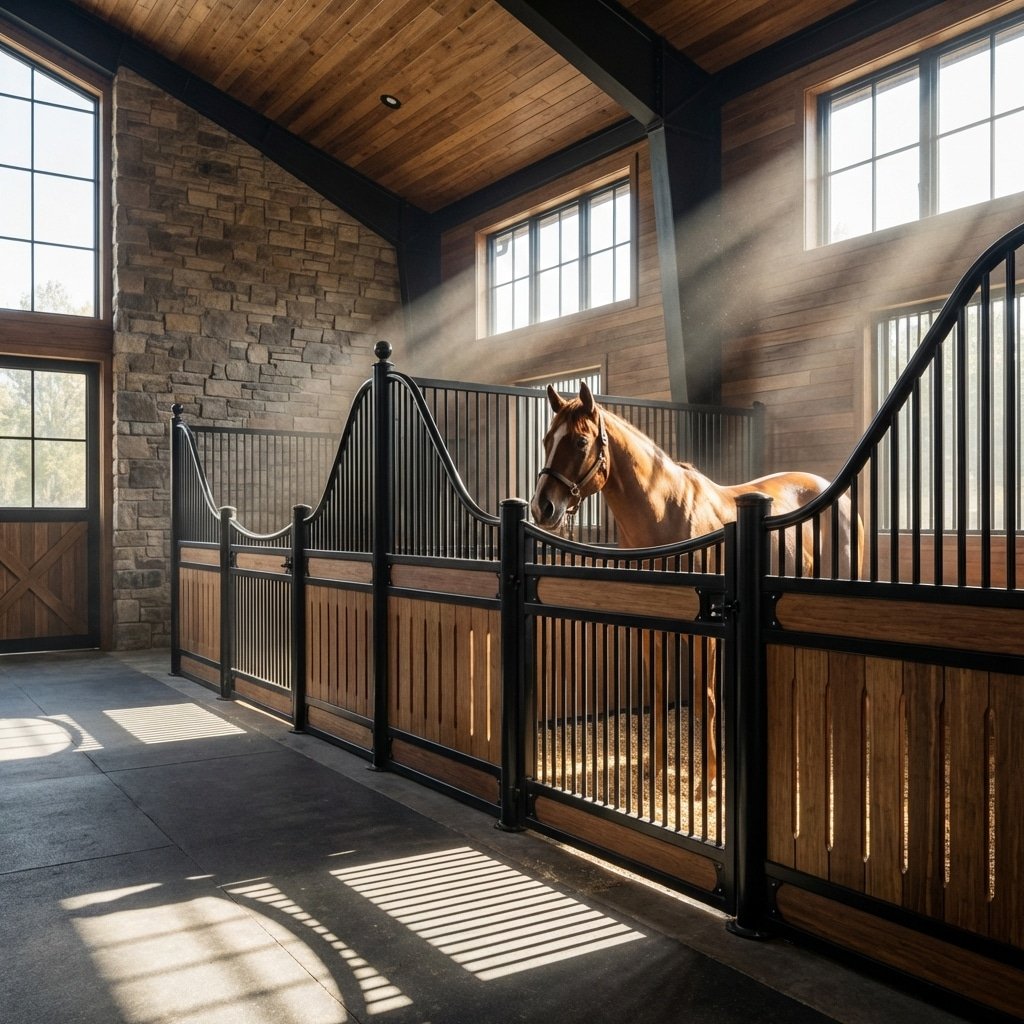
Calculating the safe Panel Weight Lift for a horse stall is a matter of physics rather than convenience. A 12ft front must exceed 200lbs to absorb the kinetic energy of a kick, yet many builders compromise safety for easier handling. Installing lightweight aluminum or...

by Frank | Feb 25, 2026 | Blog
Rodent damage accelerates structural decay and introduces severe injury liabilities in timber-lined equine facilities. While softwoods offer initial cost savings, they fail to resist the gnawing mechanics of common pests, leading to compromised containment walls and...
 English
  Spanish
  French
  Arabic
  German