
by Frank | May 2, 2026 | Blog
Protecting B2B Distributor Margins requires solving the hidden logistics trap of importing equestrian equipment. Shipping fully welded stalls wastes container space, forcing local contractors to absorb massive per-unit freight costs. This empty volume drives up landed...
by Frank | May 2, 2026 | Blog
Winning Gov Tenders for equestrian facilities hinges on exceeding material durability specs. Bids that overlook the corrosive micro-climate of a wash bay risk costly rejections when standard materials fail inspection, voiding contracts and destroying project...
by Frank | May 2, 2026 | Blog
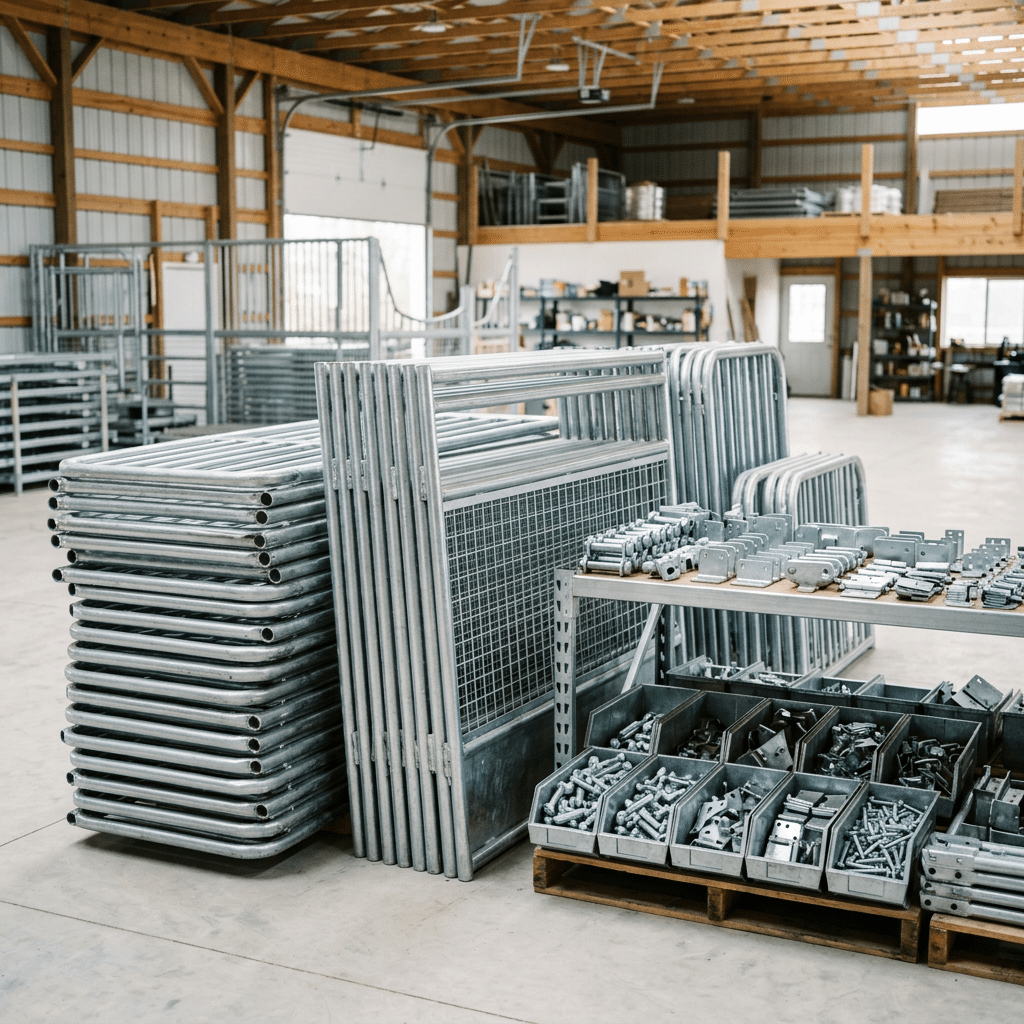
Therapeutic Riding equipment sourcing is a critical defense against ADA compliance failures and facility liability risks. Relying on standard swing doors or raised floor tracks creates immediate tripping hazards for wheelchair users, ultimately costing centers their...
by Frank | May 1, 2026 | Blog
Choosing the right Shipping Incoterms is the most critical decision for protecting the profitability of a bulk stable order. Agreeing to a CIF quote without understanding the risks creates a trap of hidden port fees that can add thousands to your final landed cost,...
by Frank | May 1, 2026 | Blog
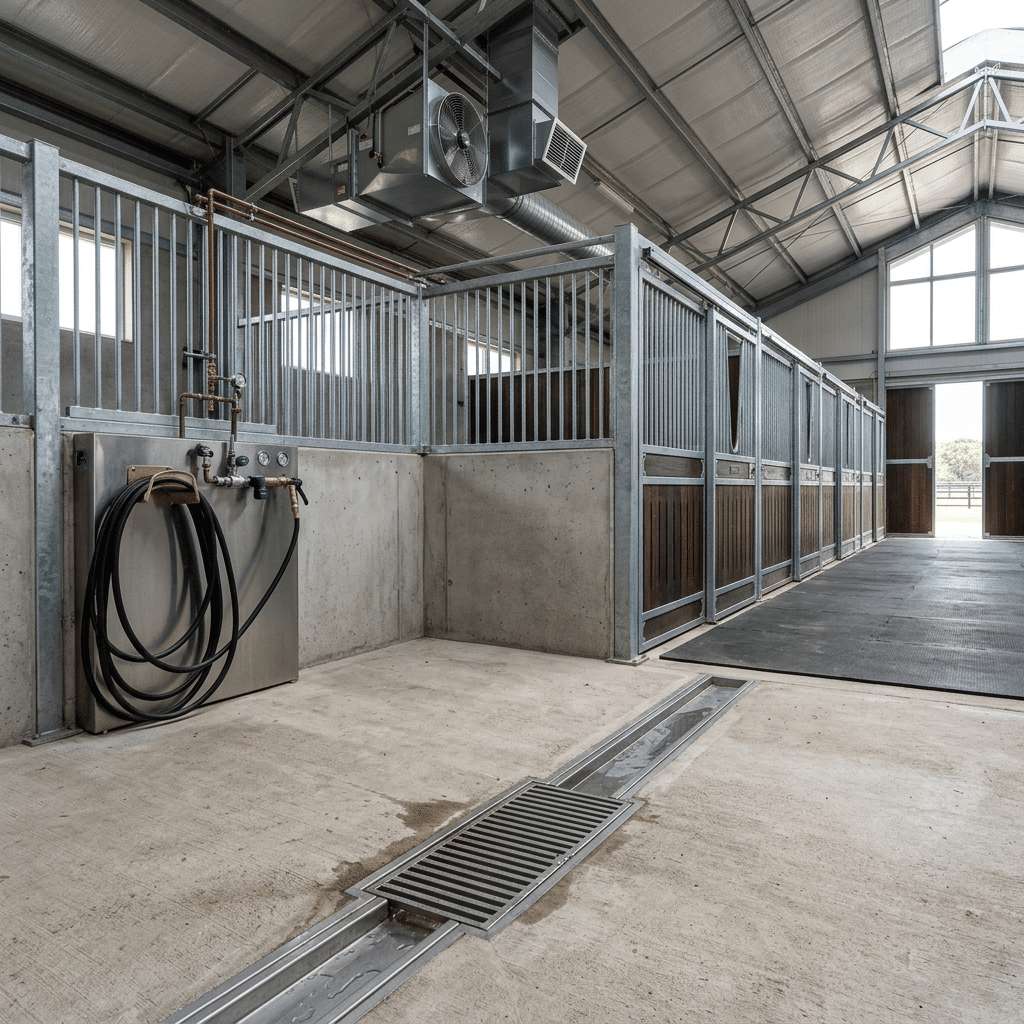
Securing barn financing hinges directly on the lender’s perceived asset risk. Traditional pole barns can raise red flags due to fire liability, rapid depreciation from rot, and construction delays, often leading to loan denial or a demand for a larger down...
by Frank | May 1, 2026 | Blog
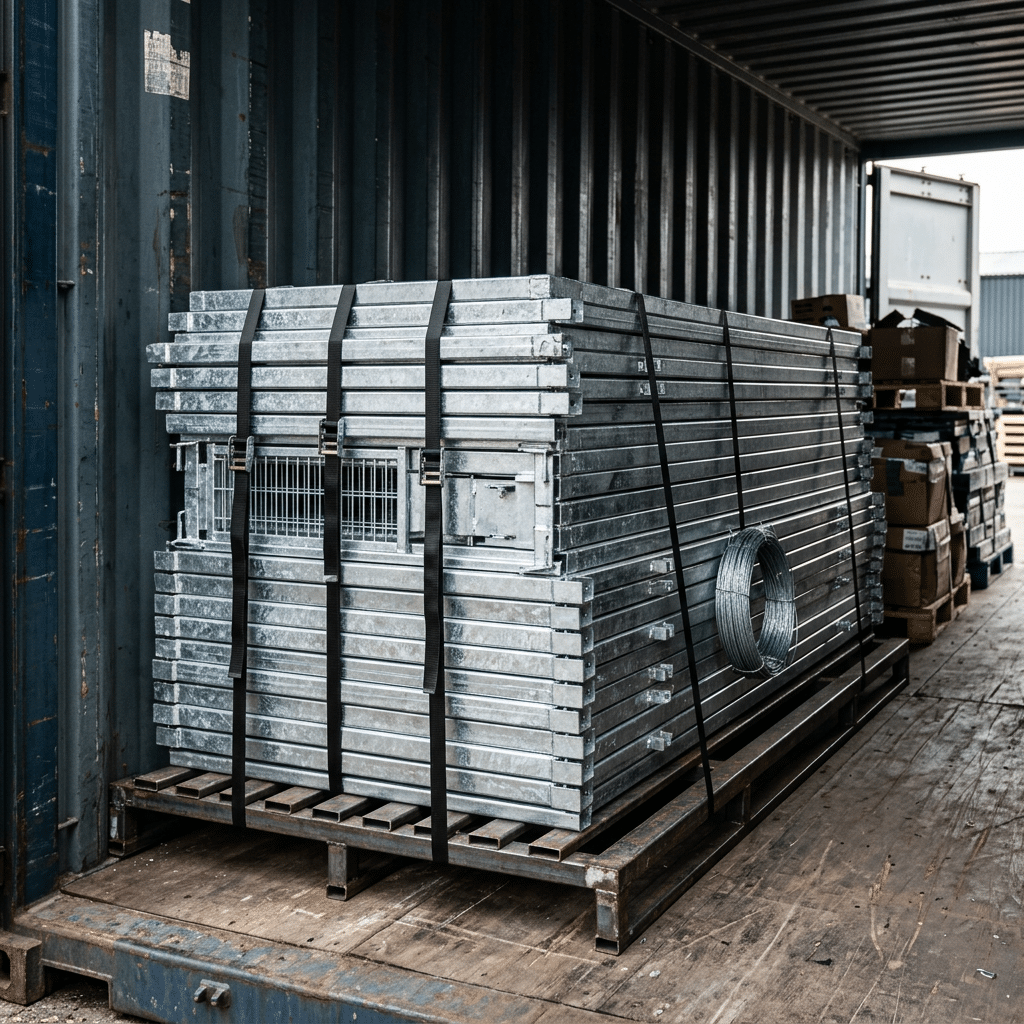
Private Labeling (OEM) sourcing for temporary horse stables dictates whether your new equestrian brand secures long-term equity or bleeds capital on structural failures. Relying on cheap, pre-galvanized frames exposes ambitious startups to immediate rust complaints...


 English
  Spanish
  French
  Arabic
  German