

Blog
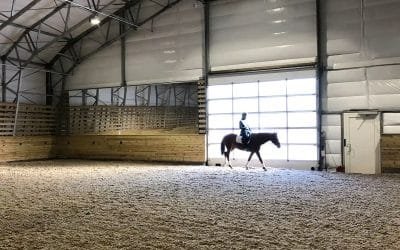
Best Arena Dust Control Solutions in Spain for Safety & Air Quality
Introduction Dust in equestrian arenas isn't just an annoyance—it's a serious health hazard for riders and horses while compromising visibility and footing stability. In Spain's varied climates, from arid regions to humid coastal...
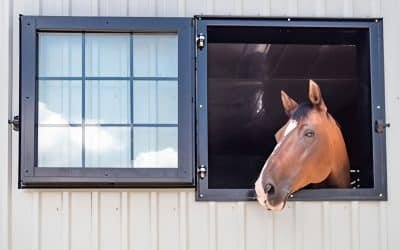
Best Barn Window Ventilation Solutions for Improved Air Quality
Introduction Stale air and poor ventilation in barns don't just create discomfort—they directly impact equine respiratory health. Studies show horses in poorly ventilated stables face 60% higher risks of respiratory issues,...
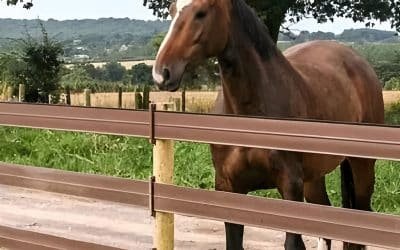
Optimal Fence Height for Horses: Customization Guide by Breed & Need
Introduction A too-short fence isn't just an inconvenience—it's a safety hazard that can lead to escaped horses, costly injuries, and even legal liabilities. With different breeds exhibiting unique jumping abilities and temperaments, one-size-fits-all fencing simply...
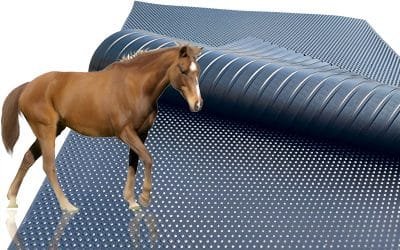
Rubber Mat Lifecycle: Cost Comparison of Replacement vs. Maintenance
Introduction Every dollar wasted on premature rubber mat replacement directly impacts your bottom line. For procurement planners, understanding the true cost of maintenance versus replacement isn't just about budgets—it's about operational efficiency and...
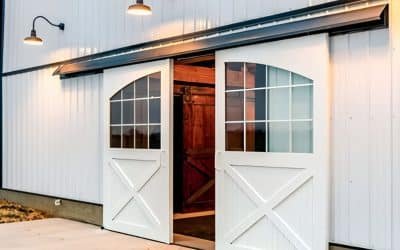
Barn Door Safety Inspection: Weekly Checklist to Prevent Hazards
Introduction A broken hinge or misaligned barn door isn't just an inconvenience—it's an accident waiting to happen. Every year, preventable barn door failures cause injuries to both livestock and handlers, often stemming from overlooked wear and tear that could've...
Wind-Resistant Riding Arenas in NZ: Durable Designs for Coastal Conditions
Introduction New Zealand's coastal winds don't just ruffle manes—they test the very foundations of riding arenas. With salt-laden gusts reaching up to 120 km/h in exposed areas, standard arena designs often crumble within years, leaving equestrians facing costly...
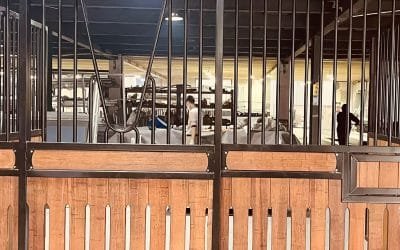
Bulk Equestrian Buying: Streamline Horse Facility Procurement & Save Costs
Introduction Managing a horse facility means juggling endless expenses - from feed to fencing - where every dollar saved directly impacts your bottom line. Yet most procurement teams still waste time and money with fragmented purchasing, missing out on the...
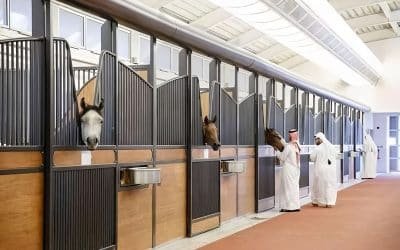
UK Horse Stable Compliance: Meeting BHS Standards & Regulations
Introduction Failing to meet UK horse stable compliance standards isn't just about paperwork—it risks equine welfare, legal penalties, and facility shutdowns. The British Horse Society (BHS) sets rigorous benchmarks for stable design, safety, and management that many...
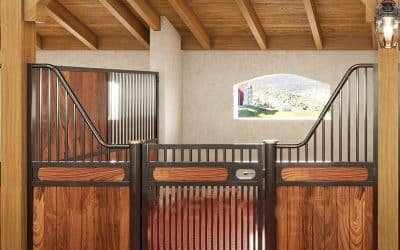
UK Arena Safety Railings: Compliant Solutions for Accident Prevention
Introduction One misstep in a crowded arena can lead to devastating consequences—both for spectators and facility managers facing legal repercussions. In the UK, where safety regulations for public venues are stringent, **compliant arena safety railings** aren't just...
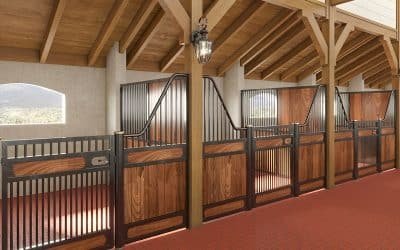
Denmark Stable Construction Laws: Key Regulations for Horse Welfare
Introduction Building a non-compliant stable in Denmark isn't just risky—it can lead to fines, operational shutdowns, and compromised horse welfare. The country's strict Act on the Keeping of Horses mandates precise stable dimensions, ventilation systems, and...
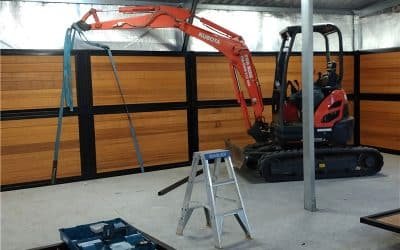
Polish Winter Stable Codes: Design & Compliance Guide for Cold Climates
Introduction Winter in Poland isn't just tough on people—it's brutal for horses too. With temperatures plunging below freezing, non-compliant stables risk frozen water pipes, sick animals, and steep fines from local authorities....
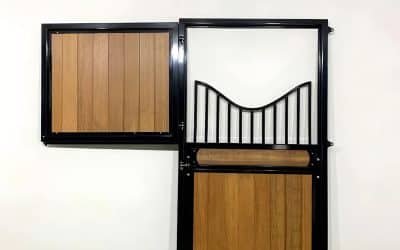
Stable Procurement Strategy: How Multi-Year Contracts Cut Costs & Ensure Supply Stability
Introduction For stable owners and equestrian businesses, unpredictable supply chains and fluctuating costs can throw operations into chaos. One delayed shipment or price hike on essential materials like fencing or rubber mats...
 English
  Spanish
  French
  Arabic
  German