

Blog

Hanging Sliding Horse Stall Doors on a Sloped Barn Aisle
Building Sloped Aisles ensures proper drainage yet introduces a critical mechanical failure in sliding stall door systems. Aligning tracks to this necessary gradient forces heavy steel doors to roll open via gravity, creating immediate safety liabilities that result...

Maintaining Galvanized Horse Stalls: The Cold-Spray Touch-Up Protocol
Immediate Touch-Up & Care during installation determines whether your steel infrastructure survives the ammonia-rich stable environment. While hot-dip galvanization offers self-healing properties, ignoring deep gouges caused by forklift offloading creates critical...

Top Sustainable Stable Factories for Corporate ESG Compliance
Sourcing from validated ESG / Green Factories is the only safeguard against disqualification from high-value government tenders. While traditional timber sourcing exposes developers to deforestation liabilities and carbon taxes, aligning with circular steel...
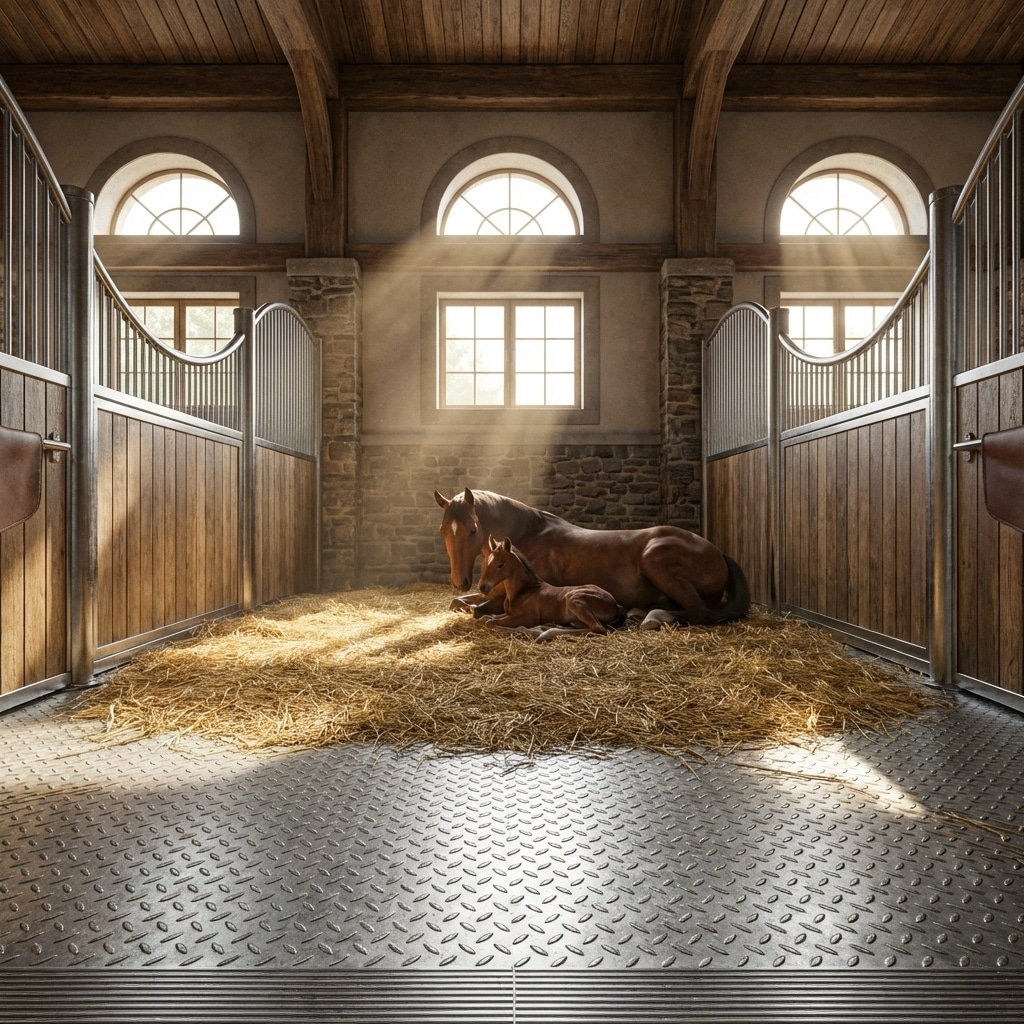
Foaling Stalls: Protecting Base Plates from Highly Acidic Foal Urine
Foal Urine Rot destroys standard painted steel foaling boxes in less than three breeding seasons. Neonatal foals excrete high-ammonia urine that acts as a solvent, penetrating micro-cracks in paint and corroding base plates from the inside out. For stud managers, this...

Heavy-Duty Track Systems for Massive Draft Horse Stall Doors
Specifying industrial-grade Draft Door Tracks is the only defense against the structural failure of standard tubular hardware. When a 100kg warmblood door hangs on a typical 1.6mm open C-profile, the steel flares and the rollers eventually derail. This mechanical...
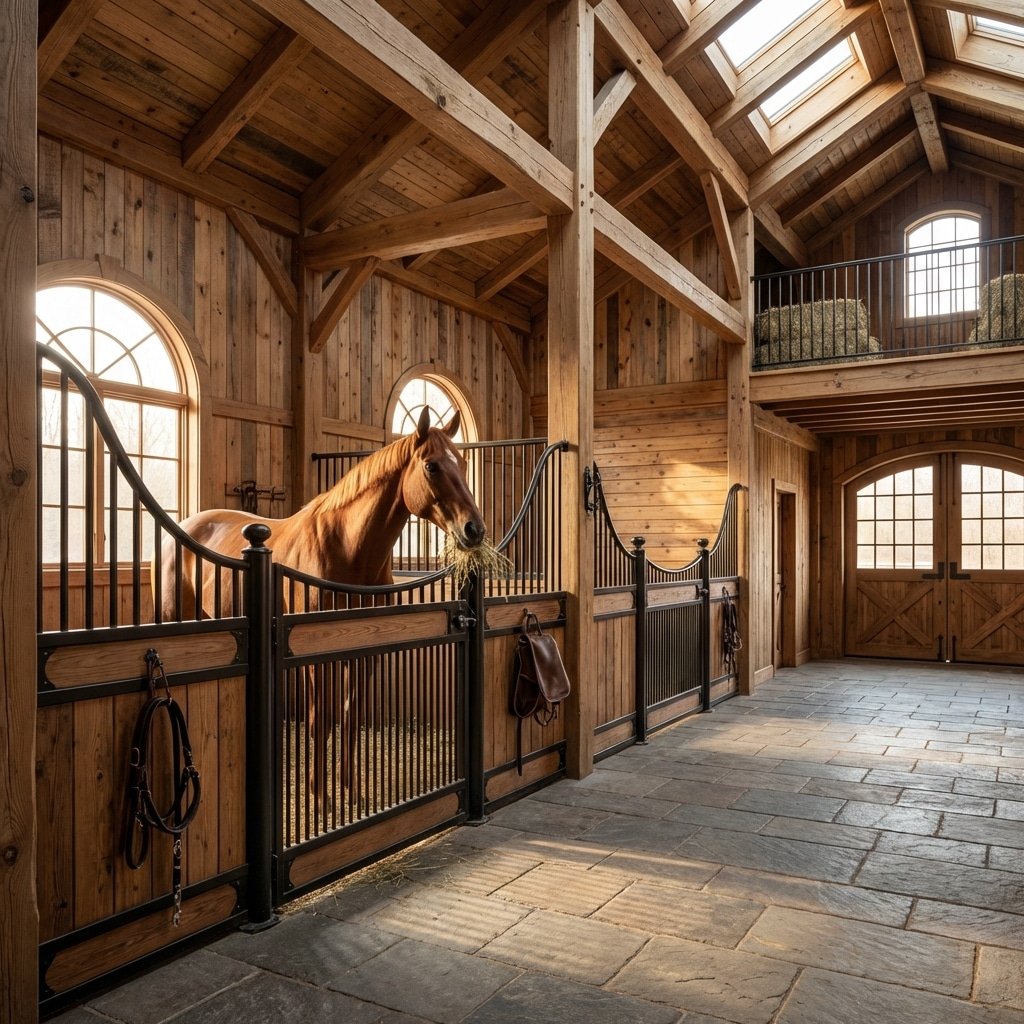
Why Pine Boards “Cup” in Horse Stalls and How to Prevent It
Precision-Engineered Stables With 20-Year Durability Equip your facility with hot-dipped galvanized steel stables designed to resist rust for 20 years in extreme climates. Our modular bolt-on system reduces installation time by 30%, delivering faster project...

Modifying Horse Stall Fronts for Ponies and Miniature Breeds
Implementing precise Miniature Adjustments to standard stall fronts is the only defense against the "bunker effect" and fatal entrapment liabilities. Placing a 34-inch animal in a facility designed for warmbloods creates immediate visual isolation and severe injury...
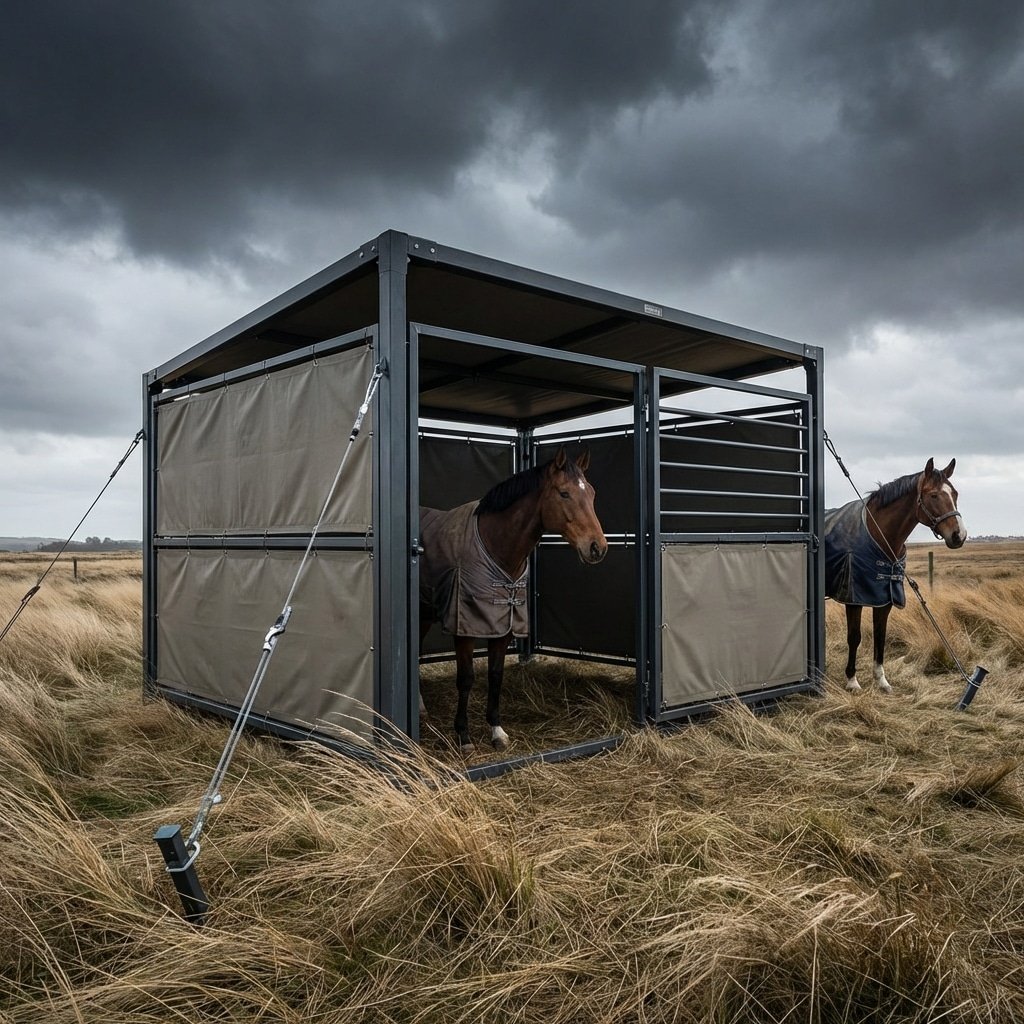
Anchoring Portable Horse Stable Kits in High-Wind Paddocks
Deploying portable shelters in a High Wind Paddock demands rigorous engineering to prevent costly structural failures. Relying on lightweight friction-based mounts often turns assets into projectiles, exposing operators to significant insurance claims and negligence...

Using HDPE Horse Stall Panels to Build a Rot-Proof Wash Rack
Premium Stables With 20-Year Rust Protection Maximize facility ROI with hot-dipped galvanized steel frames built to withstand 120km/h winds. Our modular designs cut installation time by 30% while meeting global safety standards. View Global Stable Solutions...

Foal-Safe Horse Stall Dividers: Preventing Hoof Entrapment
Improperly specified Foaling Dividers turn standard stalls into liability traps for high-value breeding operations. While standard vertical bars suffice for adults, their spacing creates immediate fracture risks for uncoordinated newborns, leading to catastrophic...
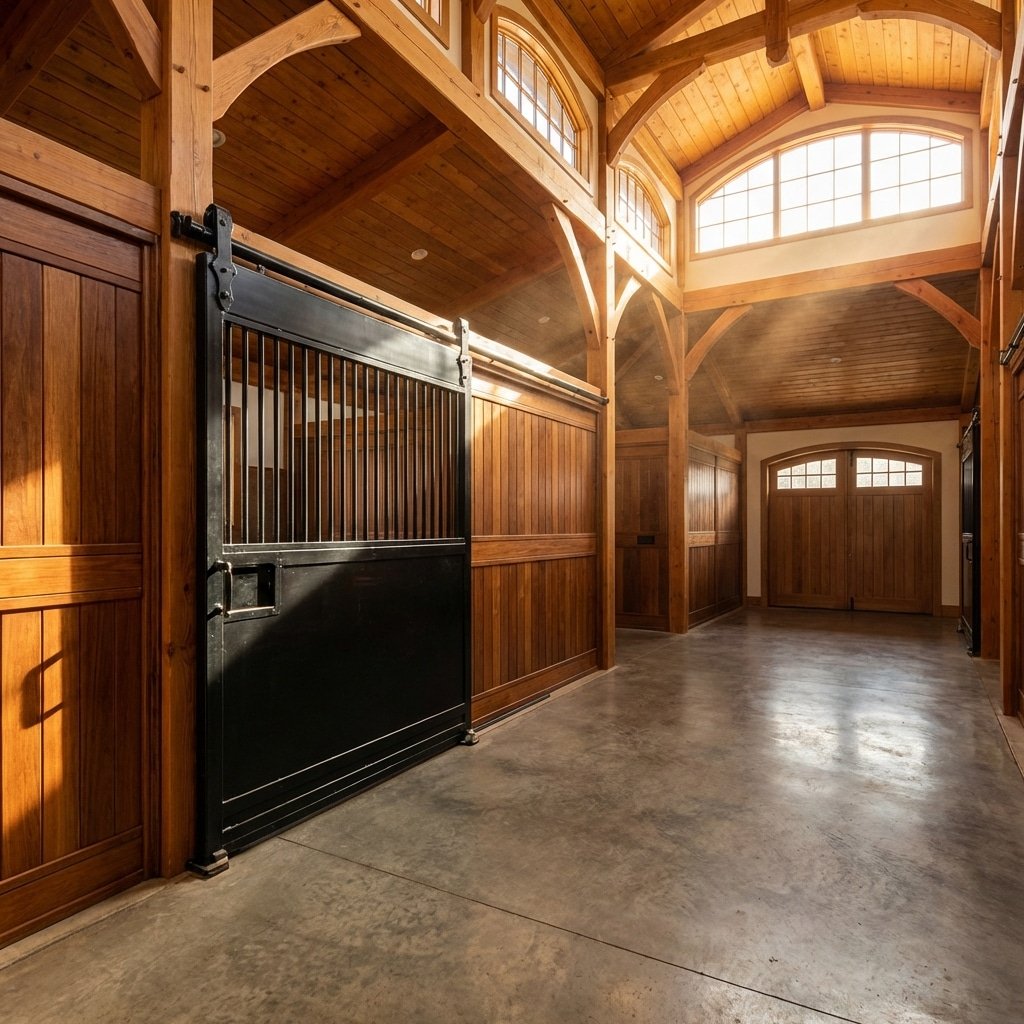
Fixing the Bottom Guide on Your Sliding Horse Stall Door
Failure to secure Bottom Door Guides turns a functional stable into a structural liability. A loose door creates a pendulum effect, transforming the bottom edge into a guillotine trap that leads to catastrophic limb injuries and significant veterinary costs.We analyze...

Are Chew Guards Enough? Upgrading to U-Channel Horse Stall Panels
Reactive Chew Guard Upgrades are a financial black hole for facility managers dealing with wood-chewing horses. Screwing metal strips over compromised timber creates a vapor barrier that accelerates internal rot while offering determined cribbers a leverage point to...

Top 5 Horse Stable Suppliers on Alibaba in 2026 (And Who to Avoid)
Strategic Alibaba Sourcing for horse stables requires distinguishing genuine OEM factories from brokers selling pre-galvanized inventory. While low-cost listings attract initial attention, hidden defects like thin zinc coatings often result in structural failure...

Preventing Roof Condensation in Outdoor Horse Stable Kits
Roof condensation represents the primary cause of premature corrosion in outdoor horse stable kits. Neglecting thermal breaks allows trapped moisture to aggressively attack steel frames, turning low-cost shelters into expensive warranty liabilities within just a few...
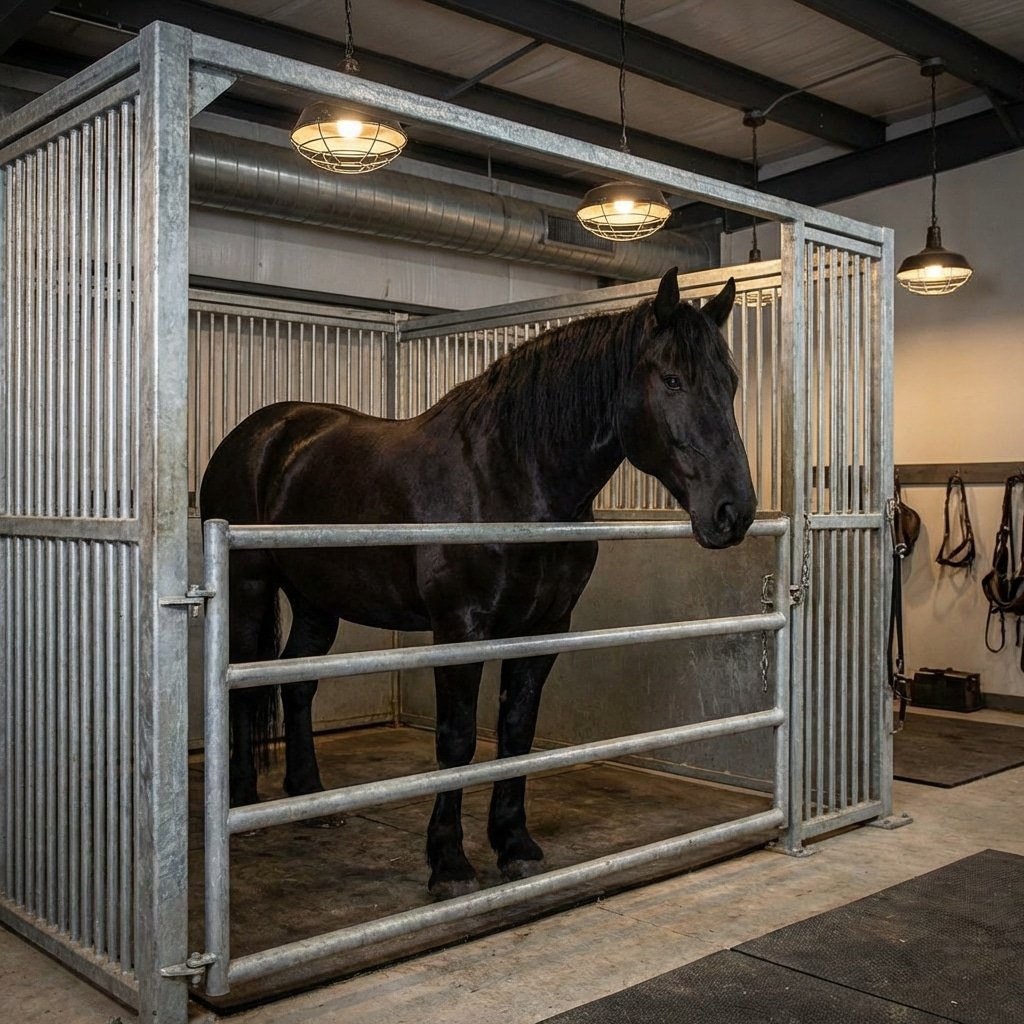
Top 5 Heavy-Duty Stable Manufacturers for Mounted Police Units
Sourcing infrastructure for Mounted Police Units is a direct exercise in risk mitigation and liability reduction. Standard agricultural stalls often fail under the dynamic loads of 1,800lb draft crosses, leading to catastrophic injuries and costly public...

How to Align Rubber Aisle Mats with Sliding Horse Stall Doors
Installing heavy-duty Barn Aisle Mats often creates an immediate mechanical conflict with standard sliding doors. Generic systems typically provide minimal ground clearance, causing the door frame to jam against the rubber surface and grind away the protective zinc...
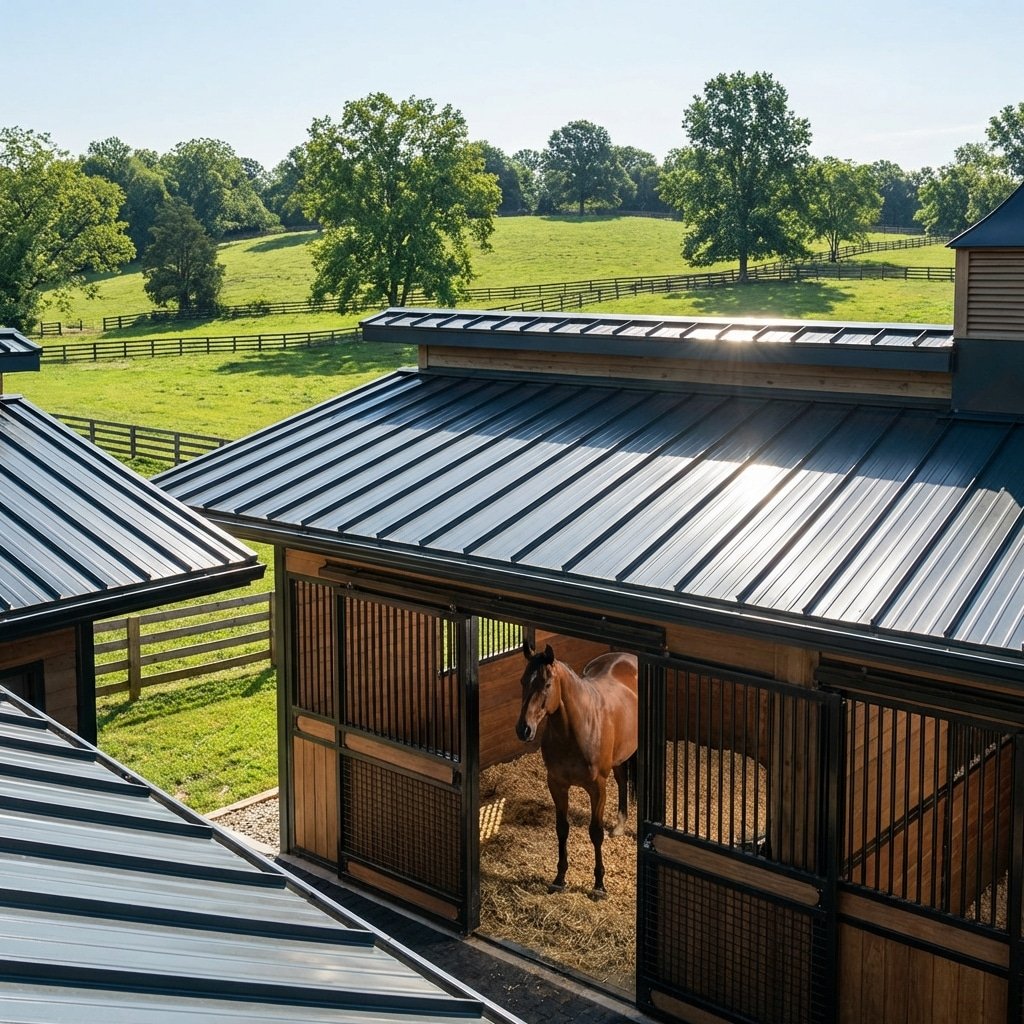
Colorbond vs. Standard Tin for Outdoor Horse Stable Roofs
Colorbond Roofing stands as the primary defense against the thermal inefficiency of standard galvanized tin in high-UV agricultural zones. While generic zinc sheets offer lower upfront costs, they generate a stifling heat-sink effect that endangers livestock health...

Best Barn Suppliers for Therapeutic Riding & ADA Compliant Centers
Therapeutic riding facility design requires strict adherence to ADA protocols where standard agricultural specifications fail. Installing inadequate aisle widths or high-threshold doors creates immediate liability risks and operational bottlenecks for wheelchair...
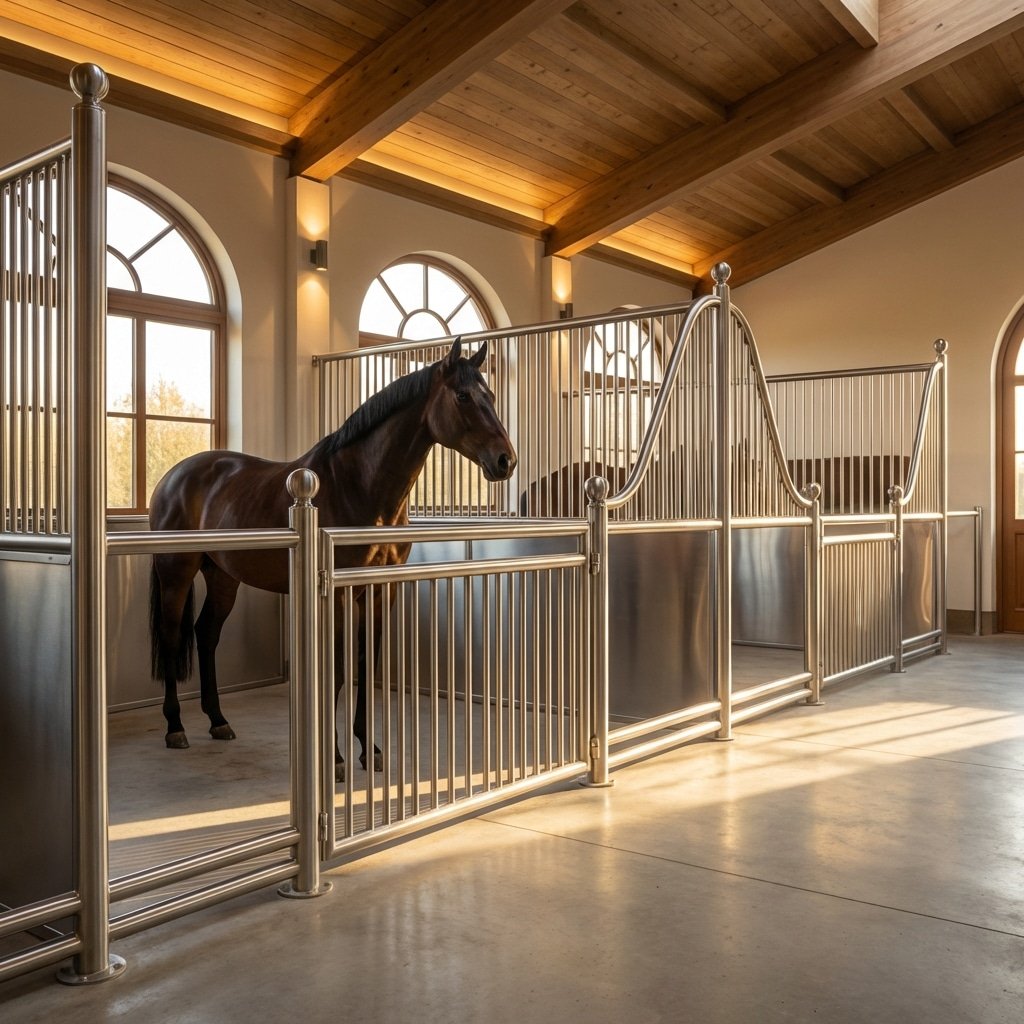
Round vs Square Steel Tubes: Which Horse Stall Grills Are Easier to Clean?
Cleaning grills effectively is the single biggest time-sink in daily stable maintenance. Square tube profiles create horizontal shelves that trap heavy dust layers and cobwebs, requiring constant manual labor to maintain hygiene. This architectural flaw converts a...
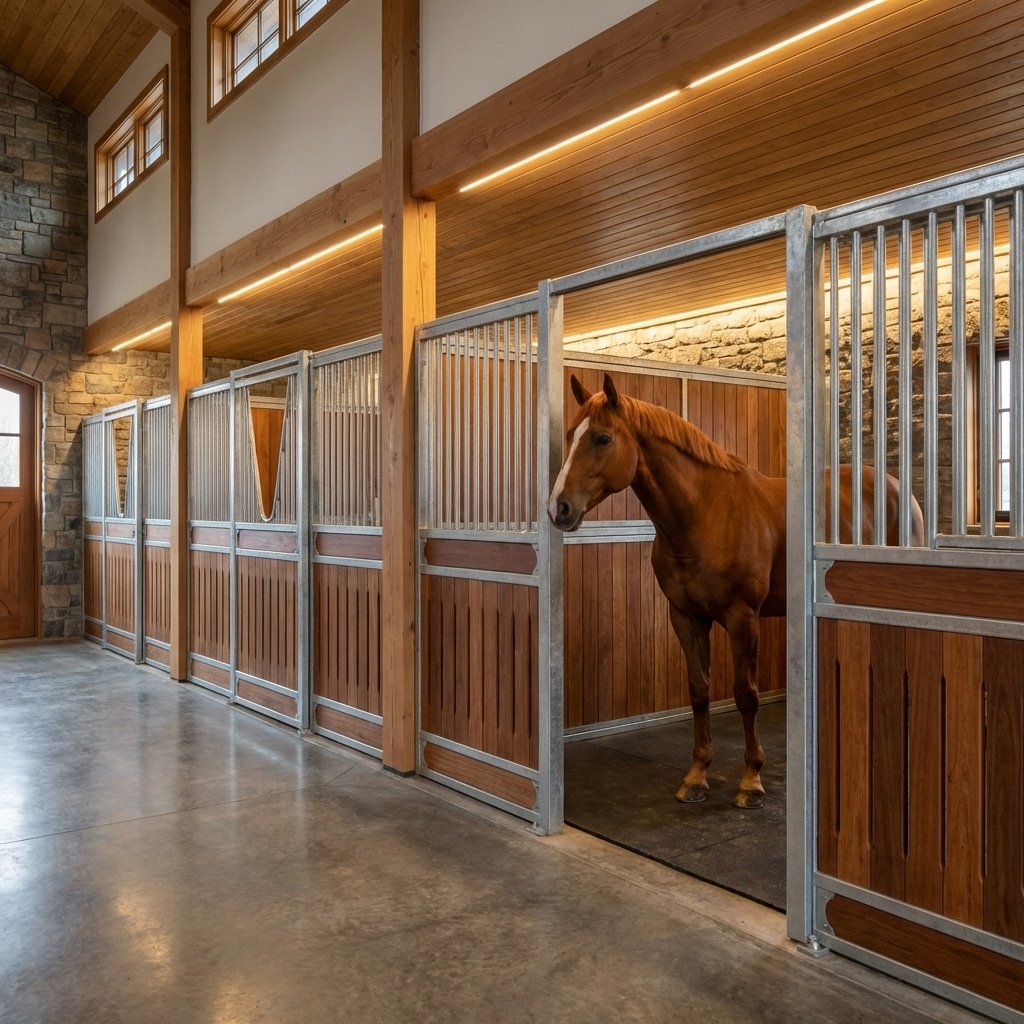
Spoga Horse vs. Canton Fair: Sourcing Stables at Global Trade Shows
Strategic Trade Show Sourcing is the primary lever for slashing landed costs in the commercial stable market. Navigating the choice between Spoga Horse and the Canton Fair determines whether you access direct OEM pricing or get trapped by re-sellers protecting their...

Broodmare Safety: Extra-Wide Horse Stall Doors to Prevent Hip Injuries
Standard 48-inch stall doors are a liability for Pregnant Mares approaching their final trimester. As abdominal distension increases spatial requirements, narrow openings create a mechanical hazard that risks placental detachment and costly foal loss during routine...

Top Bulk Stabling Manufacturers for State Fairs and Expo Centers
State Fairgrounds jeopardize their bottom line by relying on rental stabling that drains operating budgets without building equity. Relying on temporary leases creates sunk costs, while owning hot-dip galvanized infrastructure converts that expense into a capital...
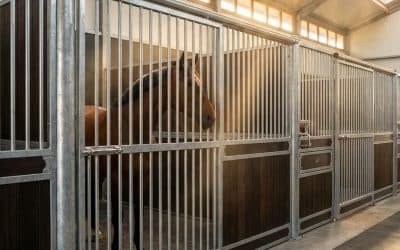
Tooth Damage: Why Galvanized Horse Stalls Beat Powder Coat for Cribbers
Eliminating the Teeth Chipping Coating hazard is the primary safety challenge when housing aggressive cribbers. Standard powder coats rely on weak mechanical adhesion that shatters under bite force, turning cosmetic finishes into ingestion risks while exposing the...
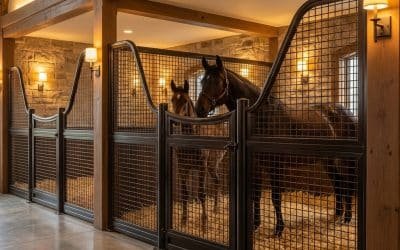
Weaning Foals: Using Mesh Horse Stall Dividers for Safe Separation
Weaning foals triggers a doubling of cortisol levels and frantic escape behaviors that expose facilities to catastrophic limb injuries. Standard containment often fails during this volatile transition, turning a routine process into a significant liability for...

Top Biosecure Stable Manufacturers for Equine Import Centers
Effective Border Quarantine infrastructure serves as the only firewall against devastating economic and biological losses. Relying on standard timber or pre-galvanized steel invites containment breaches, as these porous materials harbor pathogens like EHV-1 and fail...

Wash Bay Partitions: Using Solid HDPE Horse Stall Panels to Block Water
Defective Wash Bay Partitions generate immediate operational losses through bedding spoilage and rapid infrastructure corrosion. Standard open grills or wood infills fail to contain high-pressure overspray, turning adjacent aisles into slipping hazards while trapping...
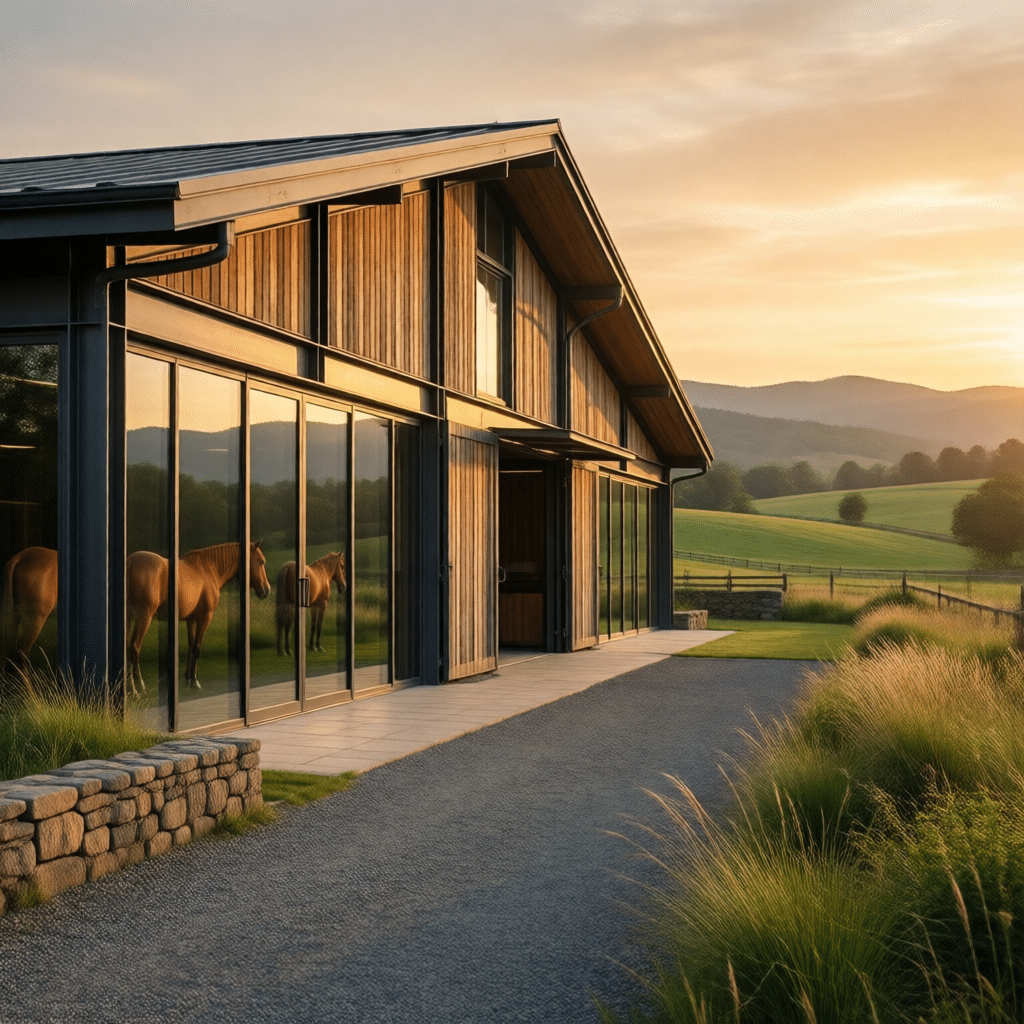
Top Luxury Stable Builders for 5-Star Equestrian Resorts & Spas
Sourcing Luxury Resort Stables requires balancing architectural elegance with industrial-grade liability management. While bespoke local welding offers design flexibility, it frequently lacks the ISO 1461 galvanization necessary to prevent rapid corrosion in humid spa...

Hay Racks vs Grain Swivel Feeders: Choosing the Right Horse Stall Accessories
Precision-Engineered Stables Built For Extreme Climates Maximize ROI with hot-dipped galvanized steel frames guaranteed to resist rust for 20 years. Our modular designs cut installation time by 30%, ensuring rapid deployment for your facility. View Global Stable...

Drop-Down Feed Doors vs V-Drop Windows on Horse Stall Fronts
Specifying Drop-Down Feed Doors drives operational efficiency by separating feeding workflows from direct animal handling. While standard stall fronts reduce initial manufacturing costs, they force staff to open main doors for every feeding cycle, significantly...

Standardization vs Customization: Horse Stall Heights for Different Breeds
Engineered For Extremes: 20-Year Rust-Proof Durability Minimize maintenance costs with hot-dipped galvanized steel frames designed to withstand 120km/h winds. Our modular systems reduce installation time by 30%, maximizing your facility's operational efficiency. View...
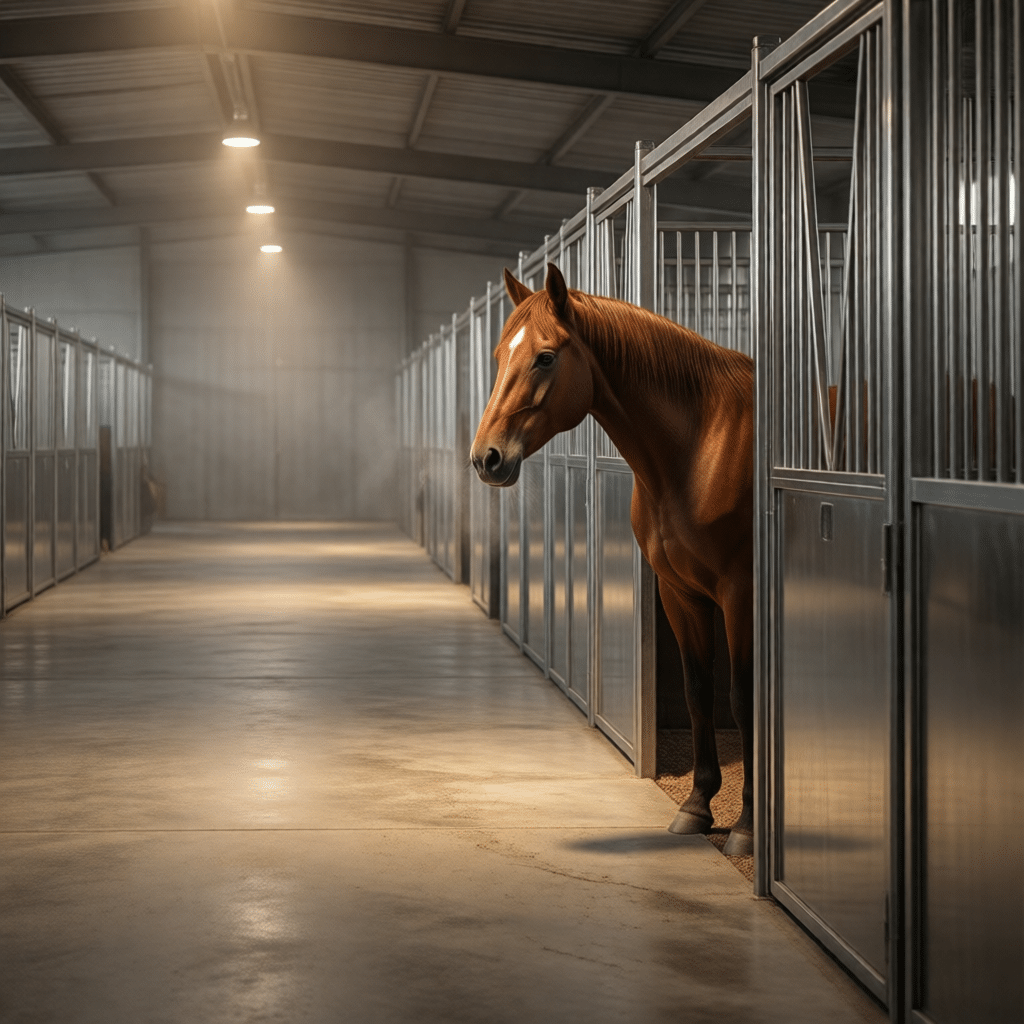
Best Modular Stall Suppliers for Multi-Species Farms (Horses to Alpacas)
Sourcing effective Multi-Species Modular stabling is the critical defense against injury liability in mixed-livestock operations. While standard fixed horse stalls appear cost-effective, their wide 3-inch bar spacing creates lethal entrapment risks for alpacas and...
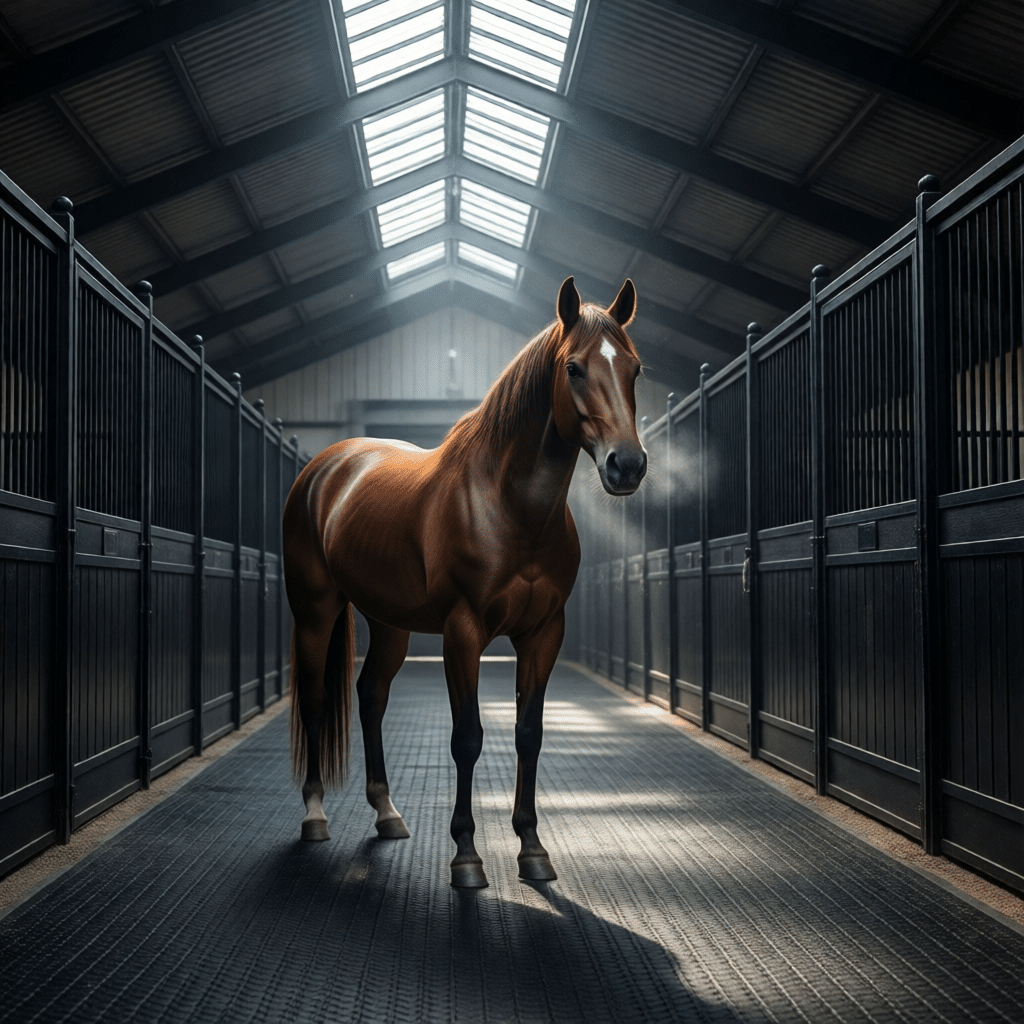
Installing Horse Stall Mats: Should They Sit Flush with the U-Channel?
Proper Stall Mats Alignment dictates the safety of your entire stable facility. Ignoring the specific thickness of your rubber flooring before drilling anchor bolts destroys the critical Cast-Proof safety zone, creating dangerous pinch points that trap hooves and...

Top Global Manufacturers of Horse Walkers and Lunging Pens
Selecting reliable Horse Walker Suppliers distinguishes a profitable facility from a liability nightmare. While budget options exist, sourcing under-specified equipment often leads to structural failure and costly equine injuries that destroy professional...

Do Free-Standing Horse Stalls Need to be Anchored to Concrete?
Anchoring Portables is the critical variable that prevents a temporary equine asset from becoming a significant liability. Relying on gravity alone leaves livestock vulnerable to shifting structures, where a single wind event or animal impact can result in...
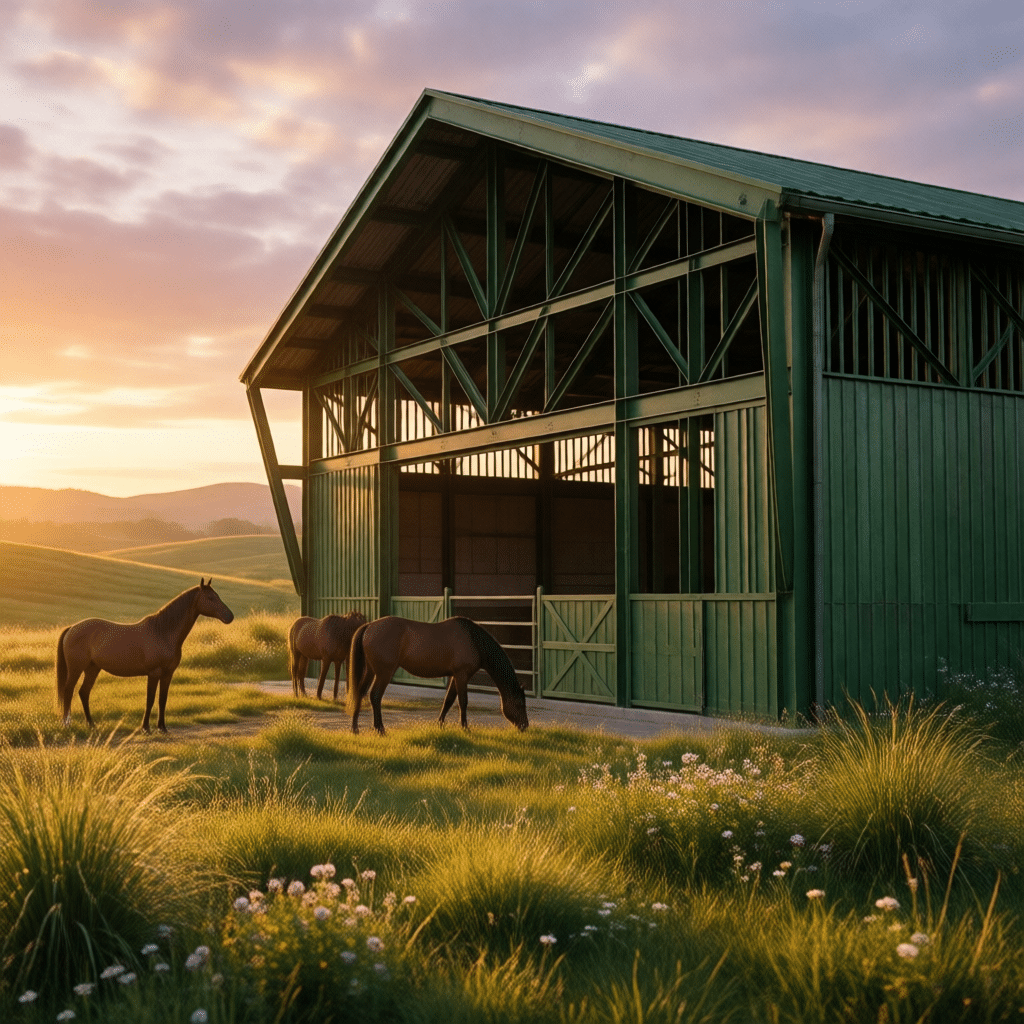
Top Sustainable Stable Factories for Corporate ESG Compliance
Securing ESG / Green Factories for equestrian developments is no longer optional; it is a strict regulatory safeguard against embodied carbon penalties. Developers utilizing traditional treated timber or inefficient welded logistics risk inflated freight costs and...
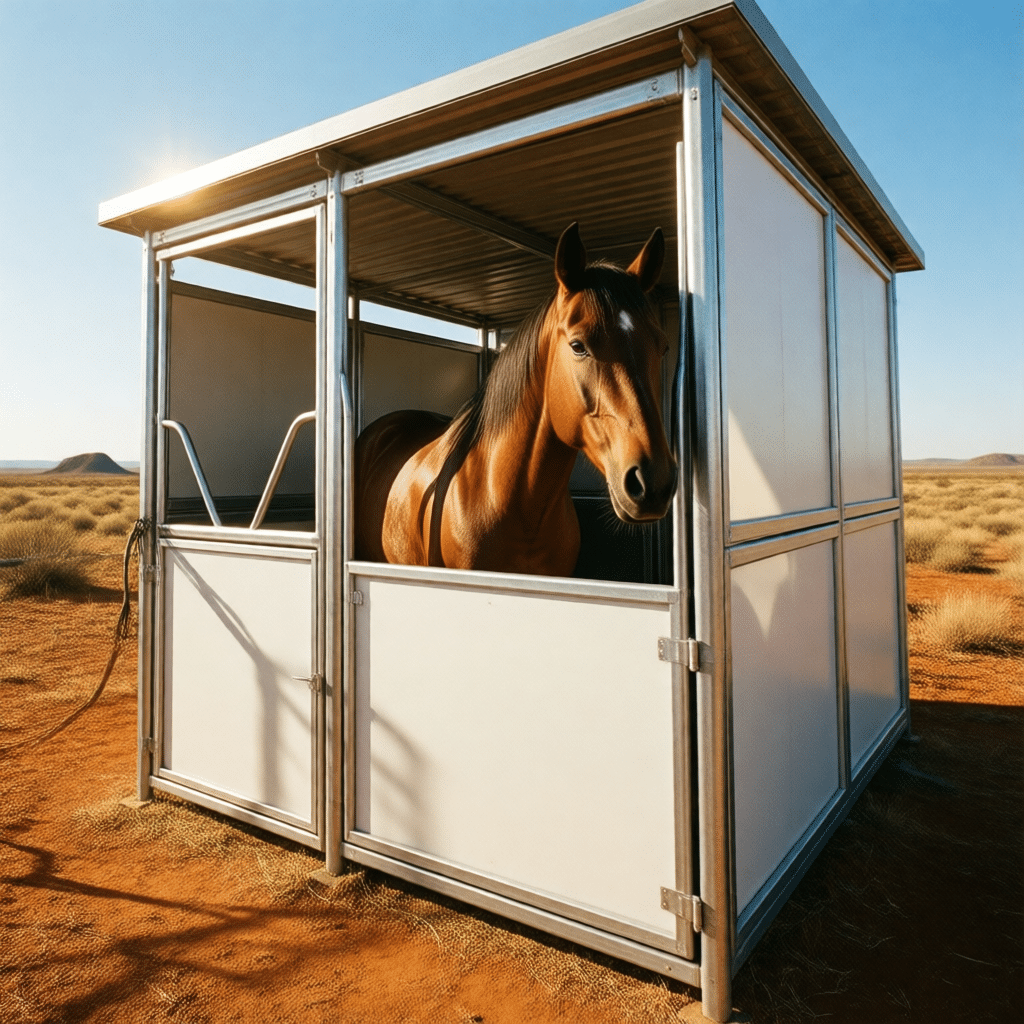
Portable Horse Stables in Australia: Why HDPE Panels Beat Wood in 40°C Heat
Deploying portable horse stables across Australia demands materials that survive 40°C heat spikes and aggressive termite populations. Standard timber often fails within two seasons due to thermal shock splitting, forcing distributors into a cycle of warranty claims...
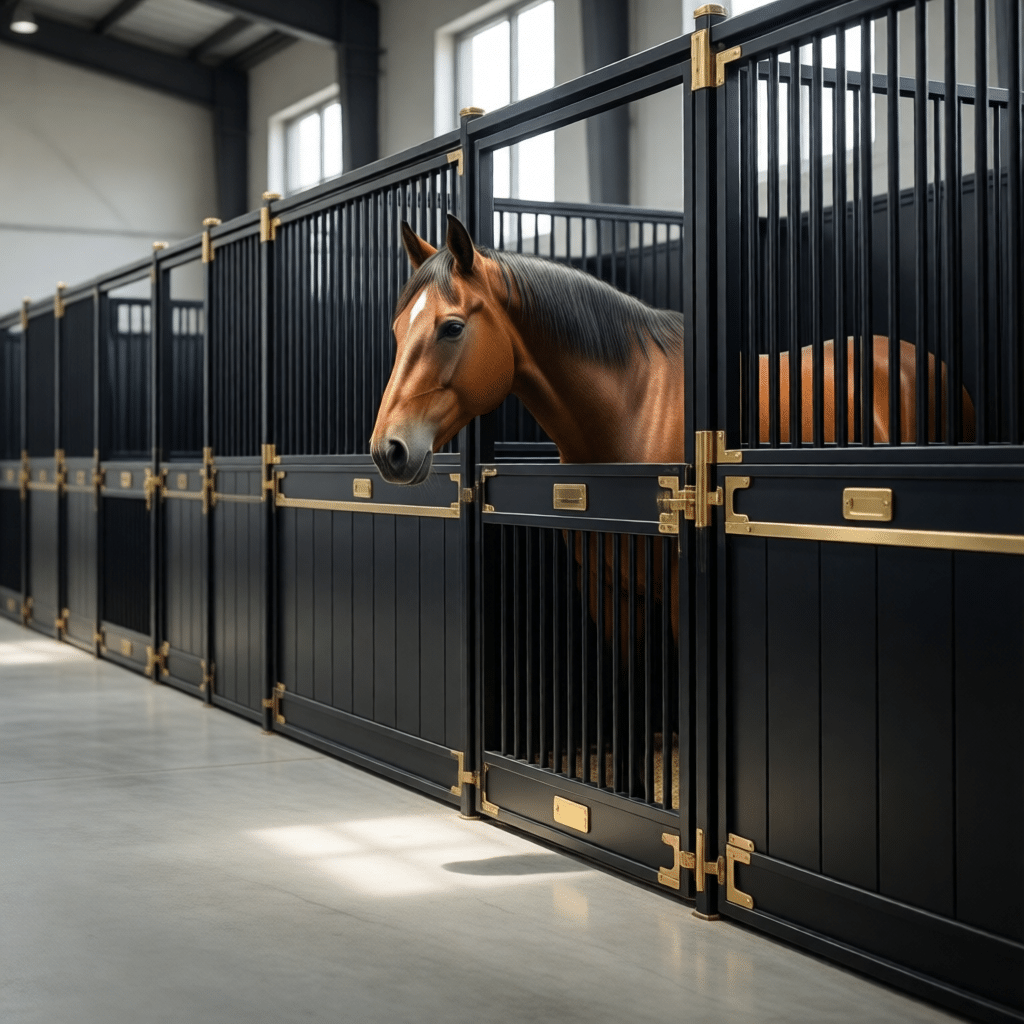
Connecting Modular Horse Stall Panels: 4-Way vs 2-Way Connectors
Sourcing high-grade Multi-Way Connectors is the primary safeguard against structural instability in expanding equestrian facilities. While generic drop-pin systems suffice for temporary events, they fail to provide the rigidity needed for permanent barns, often...
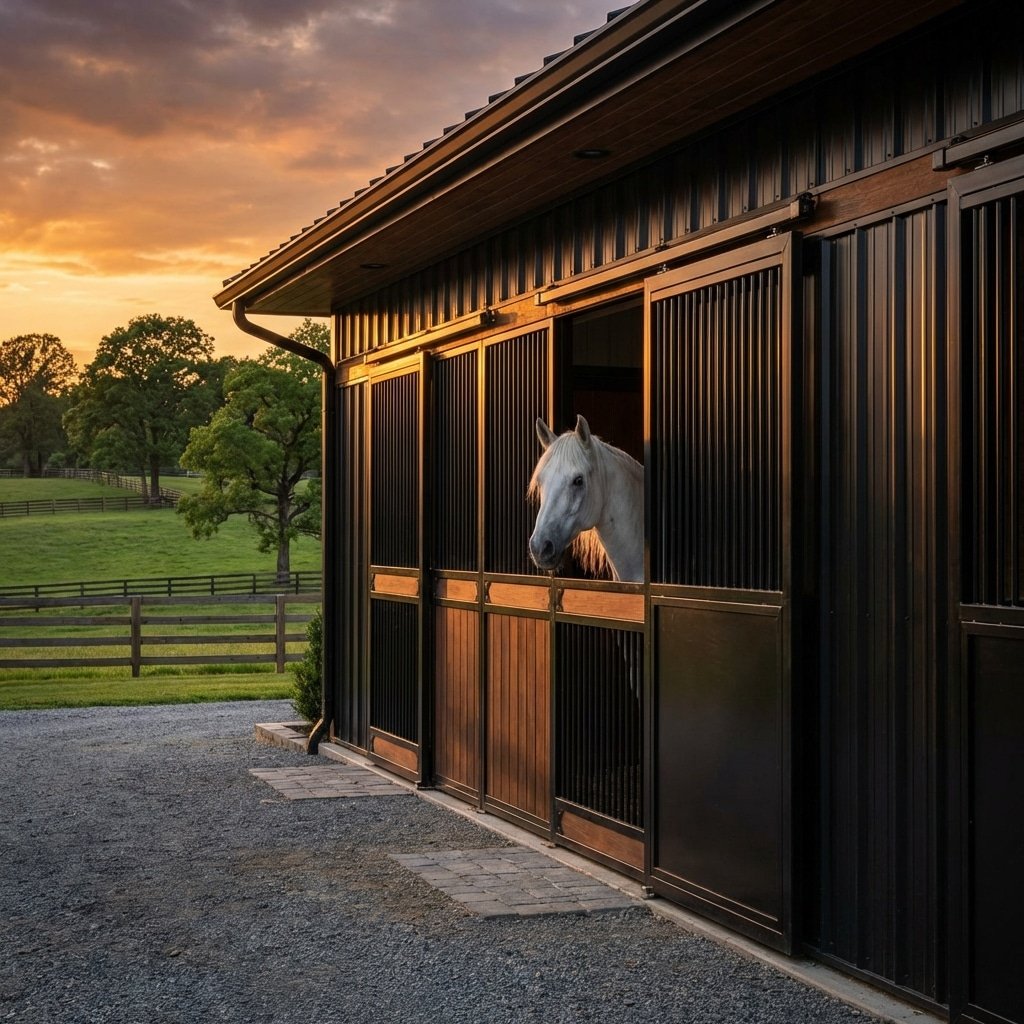
Top 5 Horse Stable Suppliers on Alibaba in 2026 (And Who to Avoid)
Strategic Alibaba Sourcing for horse stables determines whether you secure a lasting asset or inherit a rusting liability. Purchasing "pre-galvanized" units often leads to immediate weld corrosion, forcing distributors to absorb expensive warranty claims that destroy...
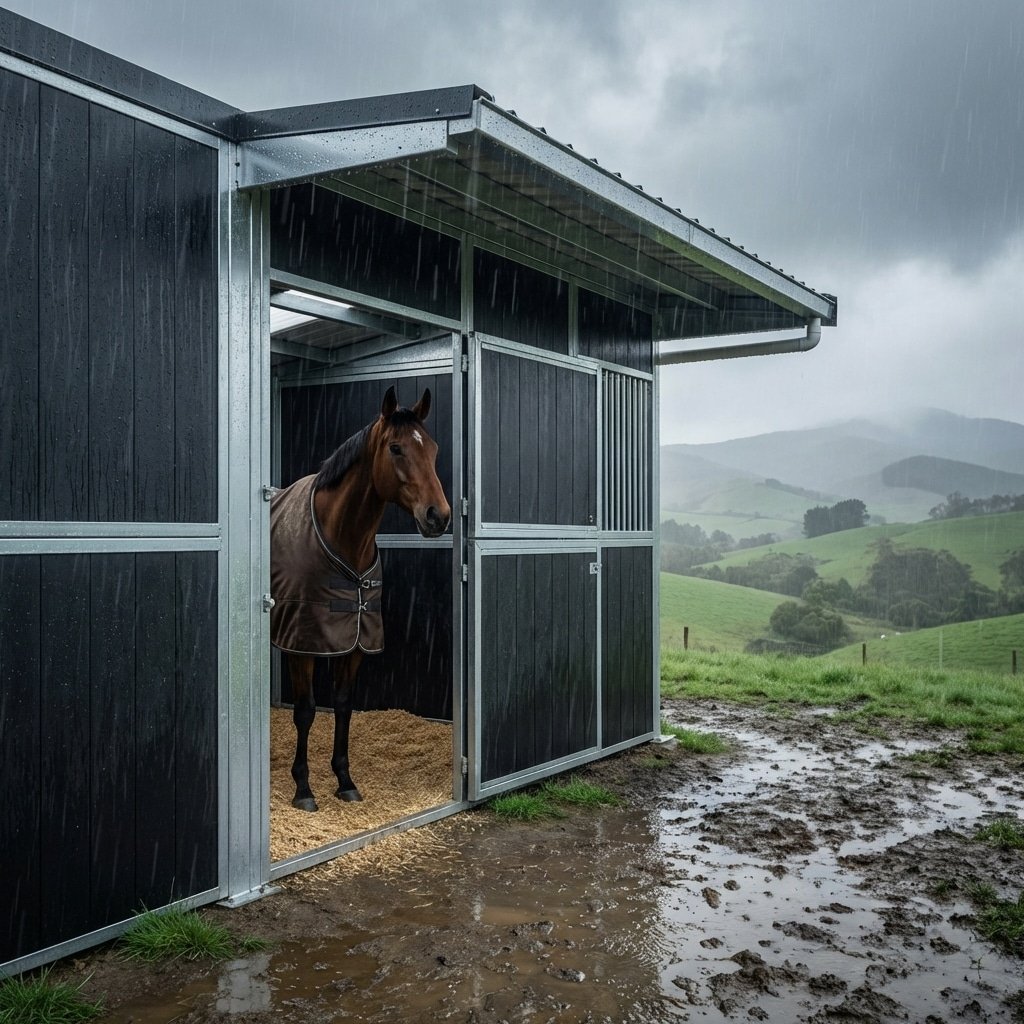
Waterproof Horse Stall Panels: Surviving New Zealand’s High Rainfall
Securing equestrian infrastructure in New Zealand requires navigating aggressive rainfall patterns that destroy standard timber rapidly. Relying on traditional pine or pre-galvanized steel invites structural failure within five years, turning initial savings into a...
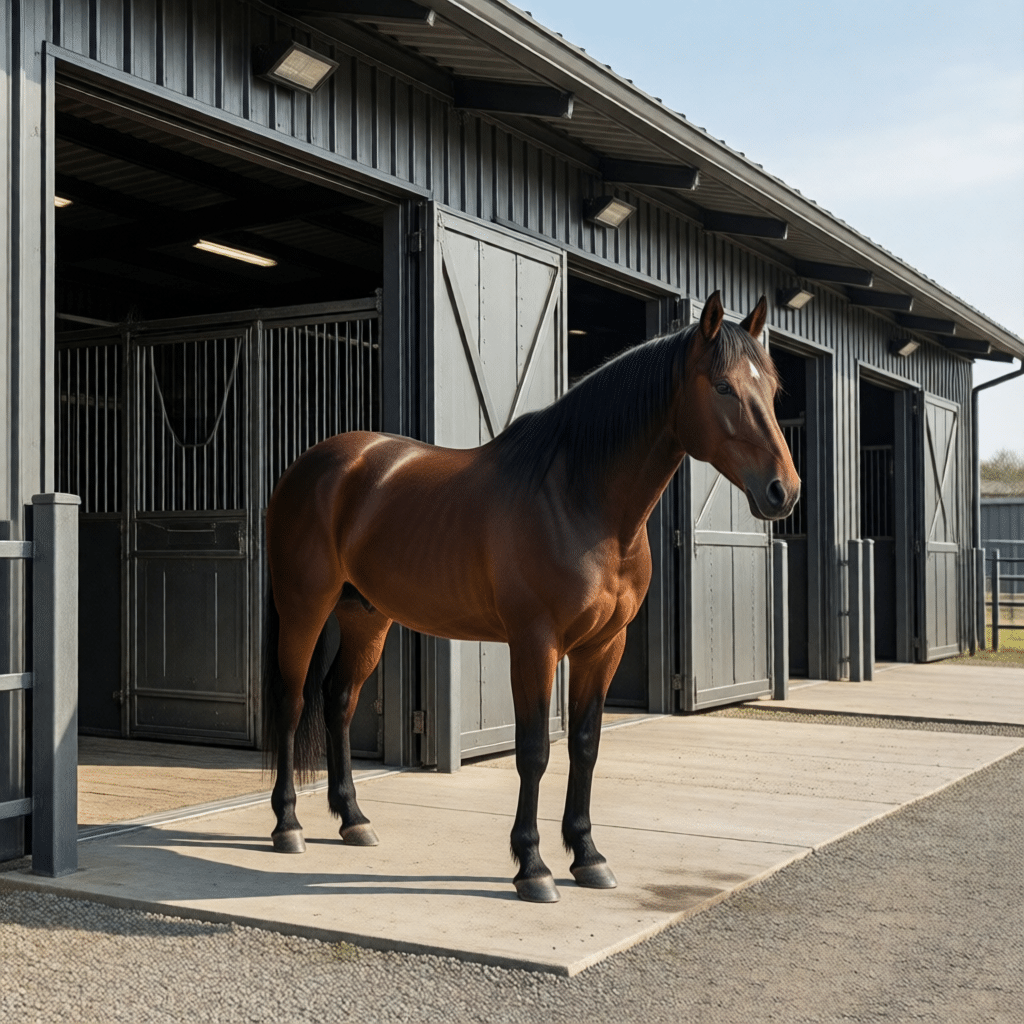
Top 5 Heavy-Duty Stable Manufacturers for Mounted Police Units
Procuring infrastructure for Mounted Police Units is a critical exercise in risk mitigation and public liability reduction. Standard agricultural stables often buckle under the dynamic impact of large draft crosses, leading to catastrophic injuries and expensive...

UK Horse Stables: Choosing Sliding Stall Fronts for BHS Compliance
Sourcing compliant stabling for UK projects demands strict adherence to British Horse Society welfare mandates, particularly in narrow heritage barns. Installing standard hinged doors in these restricted spaces creates immediate liability risks and operational...
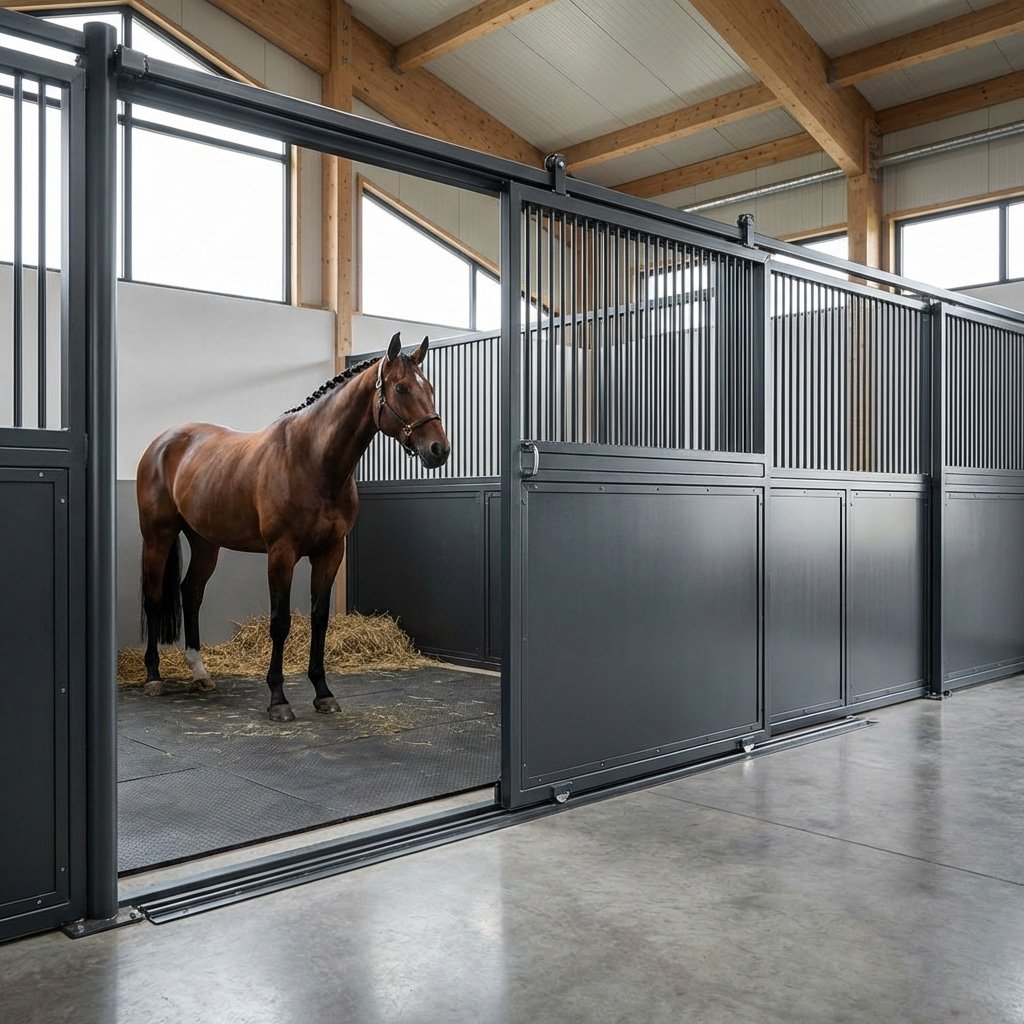
Installing Stay Rollers on Concrete Floors for Sliding Horse Stables
Bottom Stay Rollers are the critical mechanical constraint preventing the dangerous pendulum effect in sliding stall systems. Failing to secure the door at floor level transforms a heavy Q235B steel frame into a swinging lever that twists overhead tracks and creates...

Modular Horse Stall Kits in the USA: Why 14-Gauge Steel is the Standard
Sourcing modular horse stall kits in the USA often exposes builders to the hidden risks of under-spec 16-gauge tubing. Installing these lighter frames invites catastrophic kick-through failures within the first two years, turning a profitable contract into a...
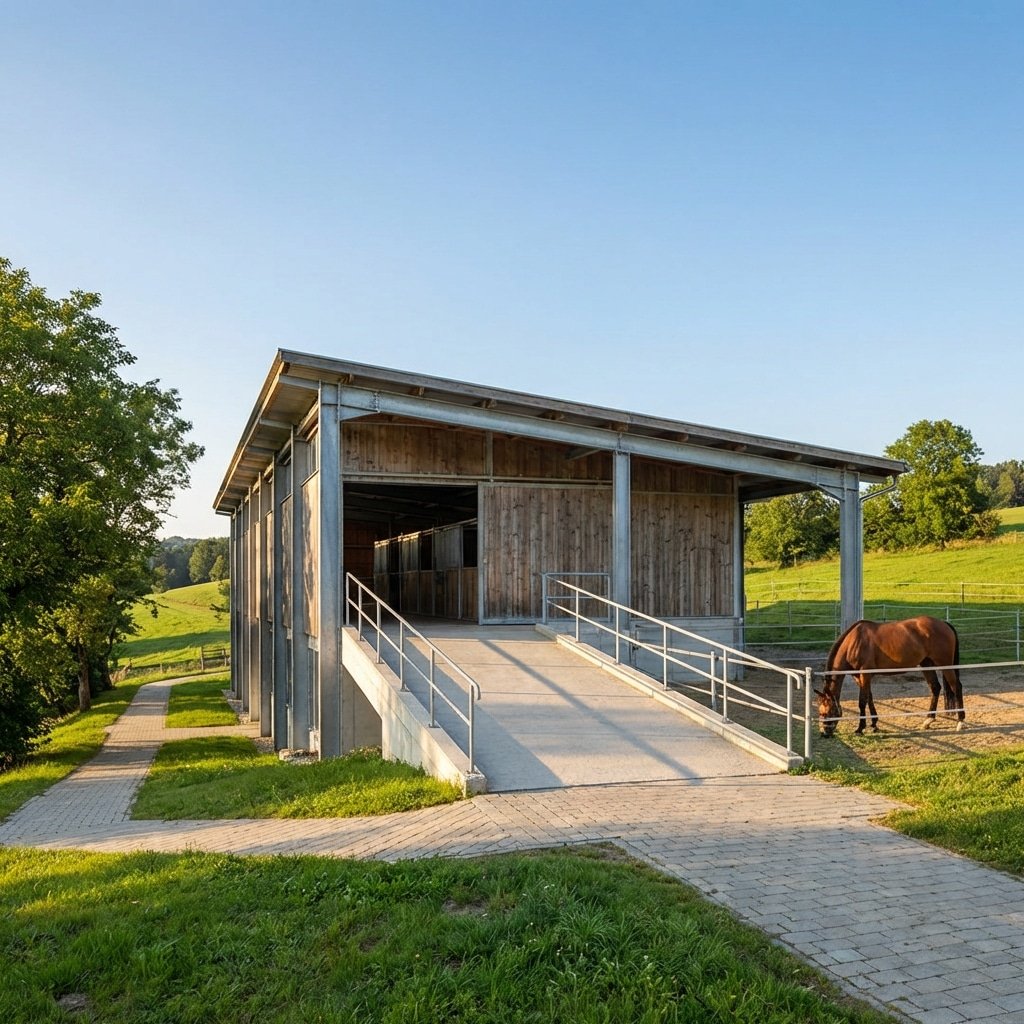
Best Barn Suppliers for Therapeutic Riding & ADA Compliant Centers
Constructing a Therapeutic Riding facility requires exceeding standard safety codes to prevent catastrophic liability claims. While basic agricultural stables save upfront capital, they often lack the zero-threshold clearance and impact resistance necessary for...

Top 10 Hardware Components That Fail First (And Why We Use 304 Stainless)
Sourcing reliable stall kit hardware is a critical defense against warranty claims and reputational damage. Low-grade plated steel fasteners are a primary failure point, corroding quickly in high-moisture stable environments and leading to costly call-backs that...

Standard 12×12 vs. Custom Stall Sizes: Which Fits Your Barn?
Specifying custom sizing for horse stall size is a critical decision that directly impacts project budgets, particularly in barn renovations. Forcing a standard 12x12 welded panel into an older structure creates costly installation delays and on-site modification...
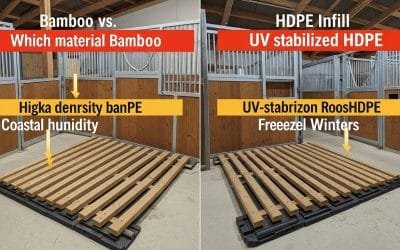
Bamboo vs. HDPE Infill: Which Material is Best for Your Climate?
Choosing the right horse stall panels is a decision that directly impacts operational costs and safety. Specifying an infill material unsuited to your climate can lead to premature failure—from UV degradation in hot regions to rot in damp ones—creating replacement...
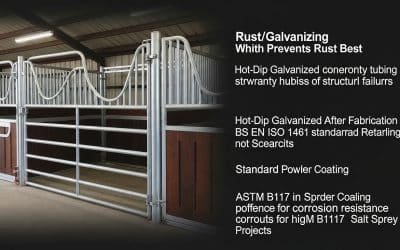
Hot-Dip Galvanized vs. Powder Coated: Which Prevents Rust Best?
Understanding Rust/Galvanizinghorse stall gates is critical to preventing costly warranty claims and structural failures. Stalls made from pre-galvanized tubing commonly rust at the welds, a frequent point of failure in coastal or high-humidity environments. This...
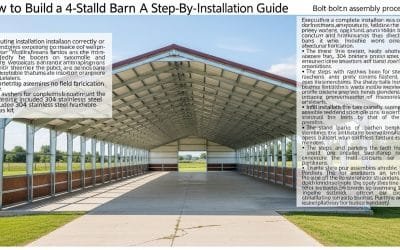
How to Build a 4-Stall Barn: A Step-by-Step Installation Guide
Executing installation 4 stall horse barn plans correctly separates a profitable project from one bogged down by on-site welding and hardware failures. Systems built with cheap, zinc-plated fasteners invite corrosion from ammonia and moisture, leading to structural...
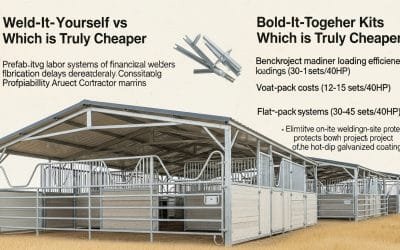
Weld-It-Yourself vs. Bolt-Together Kits: Which is Truly Cheaper?
Evaluating the true labor savings prefab horse stall kits provide requires looking past the material quote to the total installed cost. Weld-it-yourself systems shift the financial risk of specialized welders and fabrication delays directly onto the installer,...
 English
  Spanish
  French
  Arabic
  German