


Border Quarantine facilities operate on thin margins where biosecurity failure leads to immediate operational shutdowns. Standard timber stabling acts as a biological sponge for pathogens, making it impossible to pass rigorous USDA or EU sanitary audits due to persistent viral retention.
This analysis benchmarks manufacturers against the BS EN ISO 1461 hot-dip galvanization standard required for absolute containment. We evaluate suppliers on their ability to deliver Q235B structural steel and non-porous HDPE infills, ensuring isolation wards withstand aggressive daily virucidal washdowns without corroding.
The High Stakes of International Equine Border Quarantine
Quick Comparison
| Protocol / Model | Best For | Key Feature | Verdict |
|---|---|---|---|
| Risk-Stratified Regulatory Framework | International Trade | Biosecurity, Disease Prevention | Efficiently balances trade flow by tailoring detention periods (3–60 days) to actual regional threat levels. |
| Diagnostic and Testing Protocols | Veterinary Compliance | Pathogen Screening, Coggins Testing | The essential operational backbone ensuring herd safety through rigorous testing and strict vaccination standards. |
| Dual-Quarantine Model | Logistics & Transport | Early Detection, Pre-Export Detention | A proactive approach that minimizes costly border rejections by shifting isolation responsibilities upstream to exporting nations. |
Risk-Stratified Regulatory Framework
This system delivers **tailored detention periods** that optimize trade flow from safe regions while strictly containing threats from high-risk zones.
The Risk-Stratified Regulatory Framework replaces rigid, one-size-fits-all protocols with a dynamic tiered system. Quarantine durations fluctuate between 3 and 60 days, determined specifically by the disease profile of the country of origin.
This approach mandates extended isolation for imports from regions flagged for Venezuelan Equine Encephalitis (VEE) or African Horse Sickness. By adjusting scrutiny levels based on data, it maintains rigorous biosecurity without imposing unnecessary delays on low-risk animals.
📊 At a Glance:
- 📍 Location: Global Regulatory Landscape
- 🏭 Core Strength: Biosecurity, Disease Prevention
- 🌍 Key Markets: International Trade
Why We Picked Them:
| ✅ The Wins | ⚠️ Trade-offs |
|---|---|
|
|
Diagnostic and Testing Protocols
This system acts as the **operational backbone** of border control, mandating strict negative results for critical pathogens like infectious anemia and glanders.
These protocols function as the primary defense mechanism at international entry points. Authorities enforce rigorous screening requirements, demanding proof of negative results for high-risk diseases before any animal clears customs.
The process integrates standard Coggins testing with mandatory vaccination verification. Veterinary officials focus on identifying infectious anemia and glanders immediately upon arrival to prevent potential outbreaks in local herds.
📊 At a Glance:
- 📍 Location: Border Control Points
- 🏭 Core Strength: Pathogen Screening, Coggins Testing
- 🌍 Key Markets: Veterinary Compliance
Why We Picked Them:
| ✅ The Wins | ⚠️ Trade-offs |
|---|---|
|
|
Dual-Quarantine Model
This proactive strategy **shifts compliance upstream**, ensuring animals are cleared before travel to minimize costly border rejections.
The Dual-Quarantine Model represents a strategic shift in international biosecurity, moving regulatory responsibility to the point of origin. It requires strict pre-export detention and targeted parasite treatments in exporting nations to identify health risks before transit begins.
By focusing on early detection, this framework significantly reduces the pressure on destination ports. It serves as a critical filter for global logistics, preventing the transport of infected animals and ensuring smoother entry processes upon arrival.
📊 At a Glance:
- 📍 Context: Export/Import Ports
- 🏭 Core Focus: Early Detection, Pre-Export Detention
- 🌍 Key Sector: Logistics & Transport
Why We Picked It:
| ✅ The Wins | ⚠️ Trade-offs |
|---|---|
|
|
Precision-Engineered Stables With 20-Year Warranty
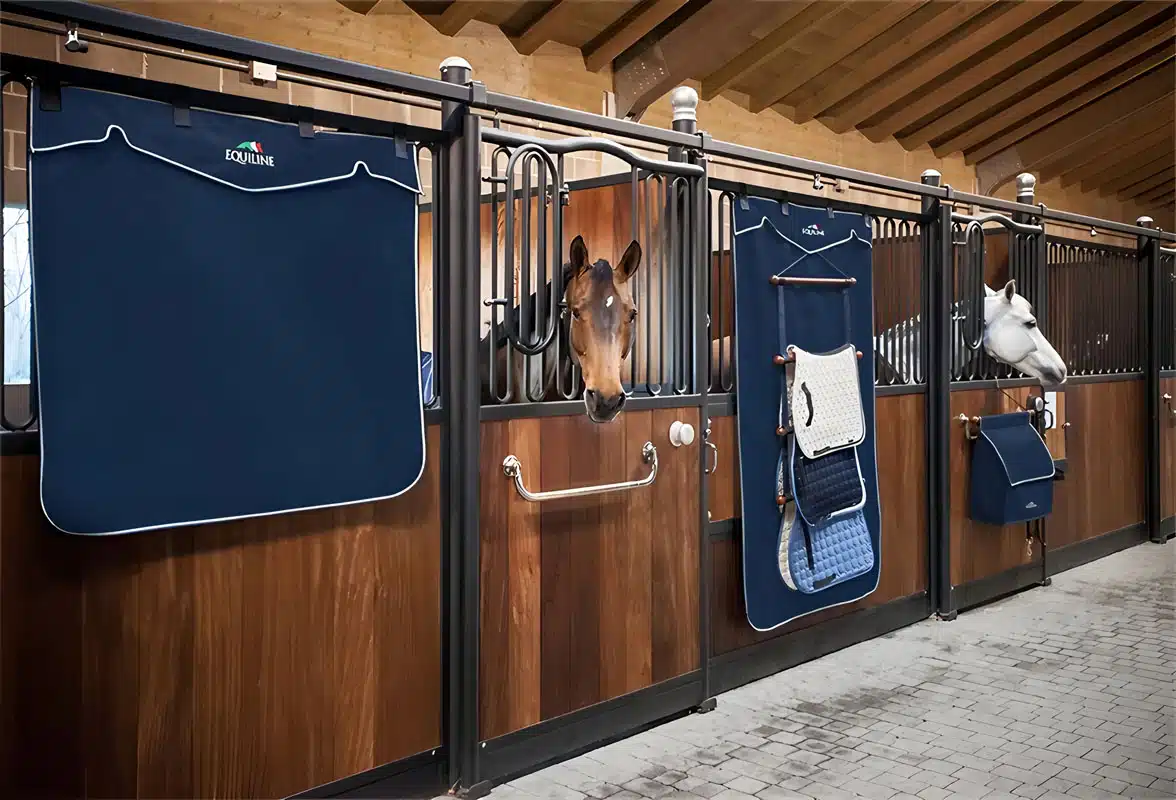

The High Stakes of International Equine Border Quarantine
International equine trade balances on a razor’s edge between commerce and biosecurity. With quarantine mandates ranging from a few days to two months, the durability of the holding facility directly impacts the profitability of the import. We engineer our stable systems to withstand the rigorous disinfection protocols required by USDA and EU border authorities, ensuring operational continuity during high-stakes isolation periods.
Variable Detention Periods Based on Epidemiological Threat
Global trade relies on a risk-stratified approach where quarantine duration correlates directly with regional disease profiles. While standard imports from low-risk zones often clear customs within three days, specific epidemiological events drastically alter these timelines. Regions with recent Venezuelan Equine Encephalomyelitis (VEE) activity trigger mandatory 7-day detentions, halting logistics flow immediately.
The financial stakes reach their peak involving African Horse Sickness zones, where regulations mandate a strict 60-day quarantine. This extended timeline imposes significant pressure on the facility’s infrastructure. Emerging dual-quarantine models now shift responsibility upstream, requiring 28-day pre-export isolation in mosquito-proof facilities. These extended holding periods demand stabling solutions that prioritize safety and containment over aesthetic luxury.
Infrastructure Demands for Disease Containment
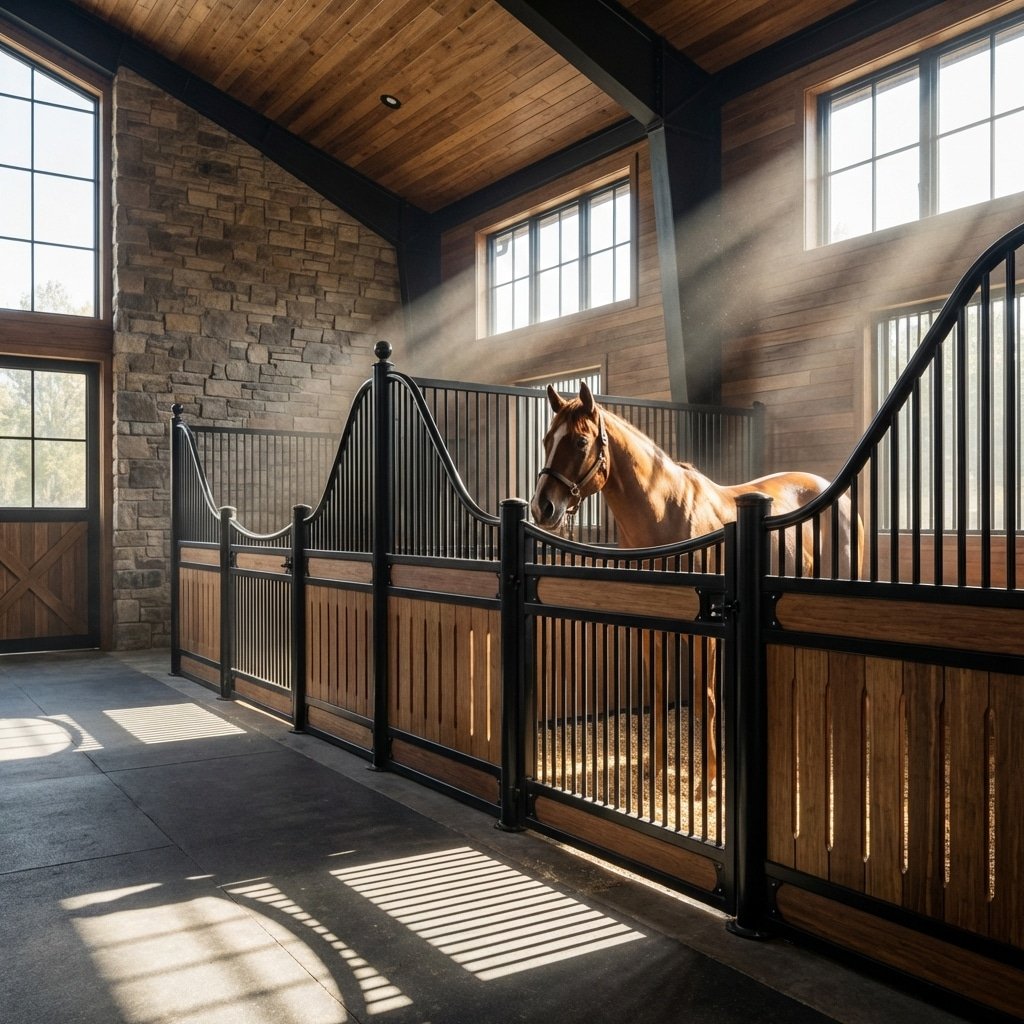
Strict testing protocols for pathogens like Equine Infectious Anemia (Coggins test) and Contagious Equine Metritis (CEM) require facilities designed for absolute biological isolation. To meet these biosecurity standards, our **Economy Series** is specifically engineered for high-volume quarantine and isolation units. We utilize **Hot-Dip Galvanization After Fabrication** (conforming to BS EN ISO 1461), ensuring the steel frames withstand aggressive daily virucidal washdowns without corroding.
Traditional wood infills often fail in these environments as they can harbor bacteria and absorb moisture. We solve this by integrating non-porous **HDPE infills** (28mm-32mm), which are impervious to fluids and disinfectants. This “Zero Maintenance” approach ensures surfaces remain pathogen-free, protecting the facility’s operational status during rigorous USDA or EU inspections. By combining corrosion-resistant steel with sanitized HDPE, we provide “Profit Protection” for distributors and project managers facing tight margins.
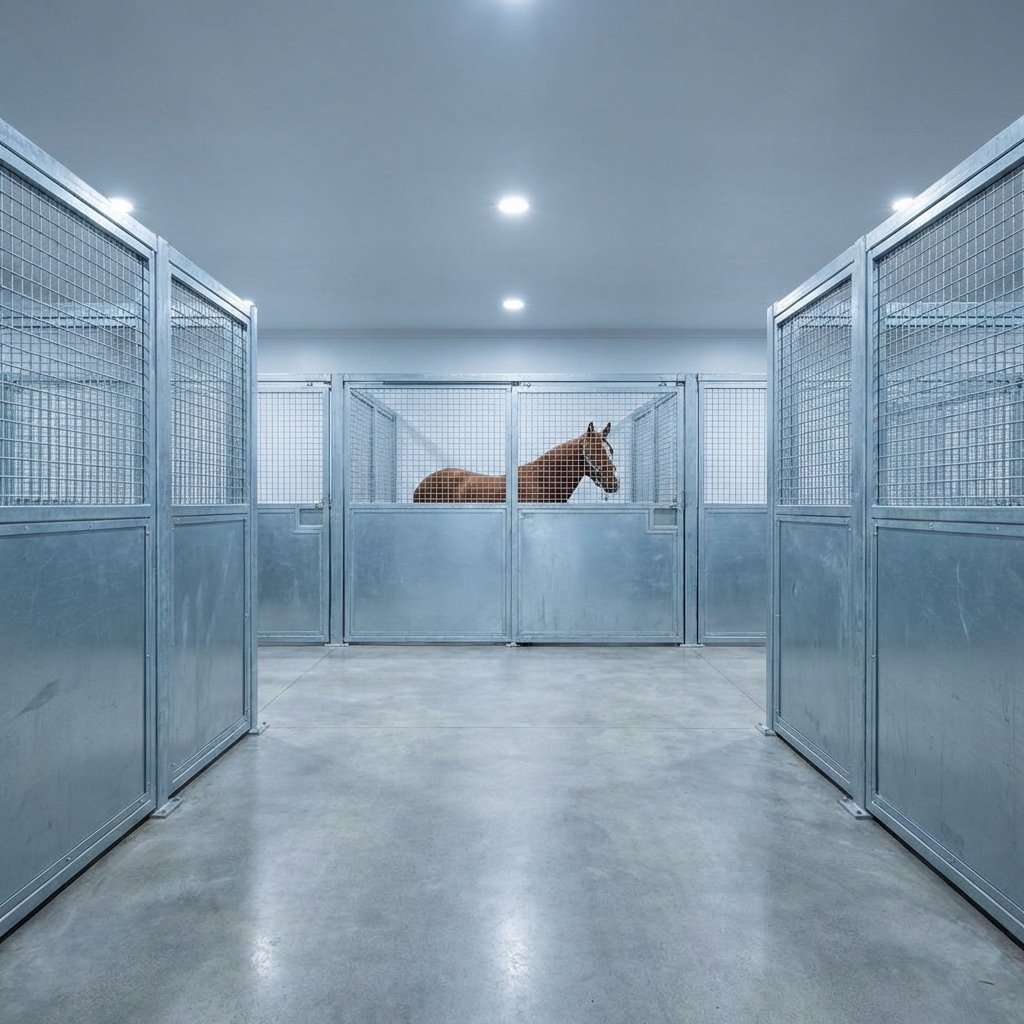
Why USDA/EU Inspectors Reject Wood and Porous Materials
Regulatory bodies increasingly classify porous materials like untreated timber as active biosecurity risks due to their capacity to absorb fluids and harbor pests deep within the grain. Unlike our specialized HDPE and hot-dip galvanized steel systems, wood often fails to withstand rigorous clinical sanitation, leading to costly consignment rejections even when phytosanitary stamps are present.
The Biological Hazard of Hidden Pests and Pathogens
Wood essentially functions as a biological sponge in a stable environment. It naturally absorbs organic fluids such as urine, saliva, and blood, which creates a reservoir for pathogens. Viruses like EHV-1 can survive deep within the grain of timber where surface disinfectants cannot reach, undermining the isolation protocols essential for border control facilities. This structural vulnerability makes porous materials a liability for any project aiming for long-term biosecurity compliance.
Reliance on certification stamps alone has proven insufficient for safety. Border control data indicates that 97.5% of rejected wood consignments actually bore compliant ISPM-15 marks, proving that a stamp does not guarantee the absence of burrowing pests or microscopic contaminants. Inspectors classify these porous materials as active risks because they allow harmful organisms to persist between occupants, which is why we advise our commercial clients to opt for impermeable materials in quarantine zones.
Incompatibility with Clinical Sanitation Standards
Quarantine facilities require rigorous daily saturation with harsh virucidal agents to maintain safety standards. Wood simply cannot withstand this level of chemical exposure; it will warp, rot, and retain toxic residues that jeopardize animal health. In contrast, our hot-dip galvanized steel frameworks are engineered to endure aggressive cleaning protocols without degrading, ensuring the structural integrity of the facility remains intact over decades of use.
Modern inspectors demand surfaces that support ‘wipe-clean’ sterilization comparable to hospital operating theaters, a standard that hygroscopic materials like pine or oak cannot meet. To pass inspection and ensure smooth operations, modern isolation wards substitute wood with solid HDPE infills. Our HDPE options completely repel fluids and withstand the high-pressure washdowns necessary to eliminate contagions, aligning your facility with the highest international sanitary standards.
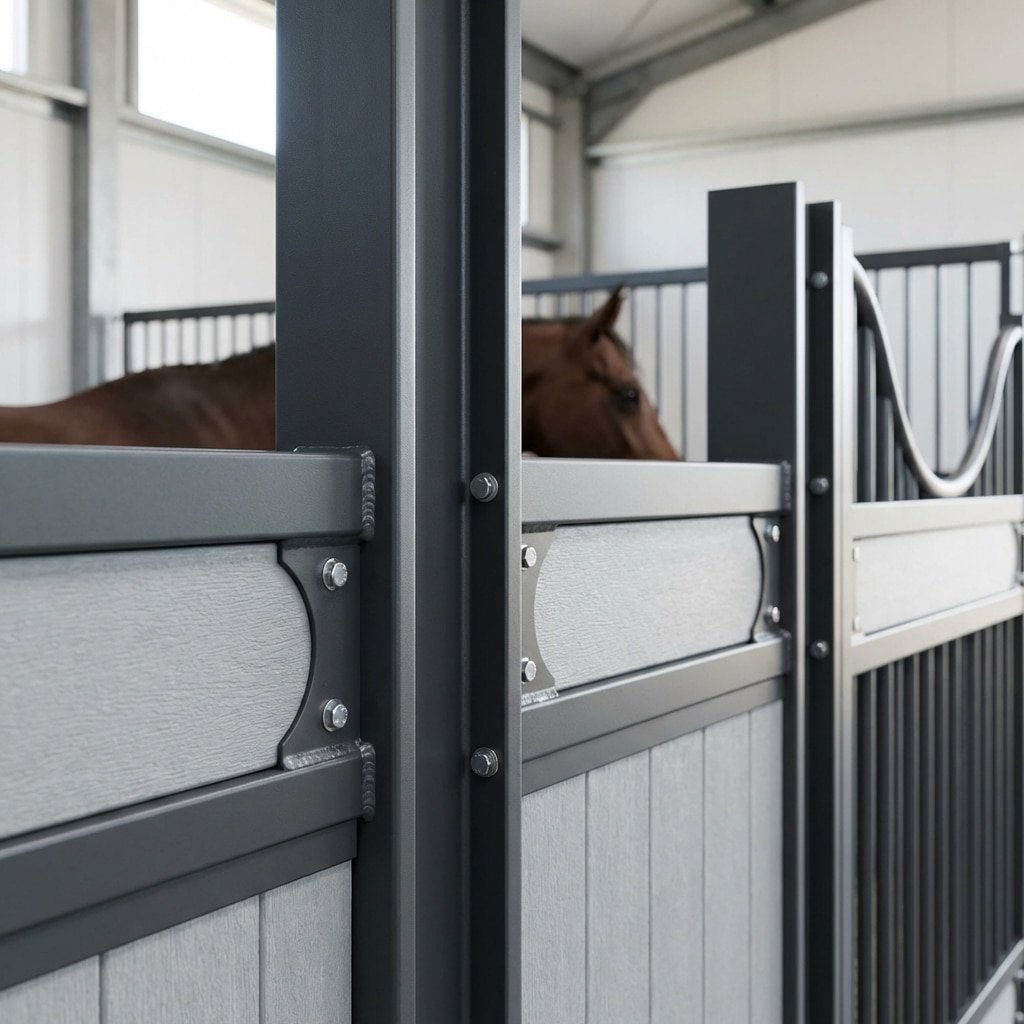
The 100% HDPE Requirement for Federal Isolation Wards
Federal and international veterinary authorities, including USDA APHIS, enforce strict “impervious surface” mandates for equine import centers to prevent pathogen retention. While regulations define the function rather than the specific brand, High-Density Polyethylene (HDPE) has become the industry standard for compliance. It provides a sealed, non-porous barrier that rejects moisture and organic waste, eliminating the cross-contamination risks inherent to traditional wood construction.
The Zero-Porosity Mandate: Why Wood Fails Biosecurity Audits
Veterinary control bodies prioritize biosecurity above all else in quarantine design. The primary objective is preventing pathogen retention between intake cycles. Traditional wood, regardless of surface treatment or painting, retains a porous structure. These microscopic gaps can harbor persistent viruses like EHV-1 or bacteria such as Streptococcus equi (Strangles) deep within the grain, making complete disinfection nearly impossible.
We utilize 28mm-32mm high-density polyethylene (HDPE) infill to strictly adhere to these hygiene protocols. This material creates a sealed, non-absorbent barrier that actively rejects urine, moisture, and organic waste. By implementing a 100% HDPE solution, facilities effectively eliminate the risk of cross-contamination, ensuring they pass the rigorous sanitary audits required for official government isolation operations.
Chemical Resistance Under Daily Virucidal Washdowns
Isolation wards undergo aggressive daily cleaning regimes that far exceed standard stable maintenance. These protocols involve high-pressure spraying and the application of harsh chemical disinfectants like bleach, phenolics, or Virkon S. Our UV-stabilized HDPE boards are chemically inert, meaning they do not degrade, bleach, or warp when exposed to these necessary virucidal agents. This stands in stark contrast to bamboo or plywood composites, which often swell or delaminate under frequent chemical exposure.
We pair this chemical resistance with our Hot-Dip Galvanized steel frames, processed to BS EN ISO 1461 standards. This ensures the structural skeleton withstands the moisture-heavy environment of a wash-down bay without corroding. This specific combination—HDPE infill with fully galvanized steel—defines our Economy Series for quarantine applications, offering the “Zero Maintenance” durability needed to minimize facility downtime.
HDG Steel: Surviving Daily Virucidal Washdowns
Quarantine facilities demand rigorous biosecurity protocols involving aggressive chemical agents and high-pressure cleaning. We engineer our stables using Hot-Dip Galvanization After Fabrication to BS EN ISO 1461 standards, creating a metallurgical bond that resists virucidal corrosion and mechanical abrasion far better than painted or pre-galvanized alternatives.
The Zinc Barrier: How ISO 1461 Standards Resist Chemical Attack
Quarantine environments rely on potent chemical agents, such as quaternary ammonium compounds, to neutralize pathogens. Standard steel or paint finishes degrade rapidly under this chemical stress, leading to rust traps that harbor bacteria. Our process strictly follows BS EN ISO 1461, delivering an average zinc coating greater than 85 microns on structural parts. This thick barrier isolates the Q235B or Q345B steel core from corrosive disinfectants.
We utilize a “Hot-Dip After Fabrication” technique where the entire welded steel frame is submerged in molten zinc. This ensures that absolutely no black steel remains exposed at the welding joints—a common failure point in cheaper “pre-galv” products. The resulting zinc layer provides cathodic protection, acting as a sacrificial anode that actively “heals” minor scratches caused by daily operations, maintaining the biosecurity envelope.
Mechanical Durability: Withstanding Abrasion from High-Pressure Cleaning
Daily washdown protocols involve significant physical stress from high-pressure water jets and abrasive stiff-bristle brushes. Paint and powder coatings often peel or chip under this mechanical assault, exposing the steel beneath. The metallurgical bond formed during our galvanization process creates an intermetallic layer that is harder than the base steel itself, providing exceptional resistance to impact and abrasion.
Internal corrosion poses a hidden threat in hollow tube structures. Our immersion process ensures complete coating coverage inside the 50mm x 50mm RHS tubes, preventing rust from forming where washdown water accumulates. We validate this durability through ASTM B117 testing, confirming our stables withstand over 96 hours of intense salt spray exposure without red rust, simulating years of wet environment stress.
Final Thoughts
Generic wood stables inevitably fail biological audits, risking consignment rejection and facility closure. Our Economy Series, featuring ISO 1461 hot-dip galvanized steel and non-porous HDPE, guarantees the sterility required by USDA and EU border authorities. Choosing impervious infrastructure is the only operational strategy that secures revenue against the high stakes of international disease control.
Eliminate the risk of pathogen retention by sourcing materials engineered for clinical isolation. We recommend requesting a material sample kit to test our HDPE and galvanized finish against your facility’s specific virucidal protocols. Contact our engineering team to configure a high-volume, flat-pack solution that streamlines your import center’s construction.
Frequently Asked Questions
What are the requirements for an equine quarantine facility?
High biosecurity demands non-porous, cleanable surfaces. We engineer our stables using Q235B or Q345B structural steel, hot-dip galvanized after fabrication to resist rust from daily disinfecting. Paired with our 28mm-32mm HDPE infills, this setup prevents pathogen retention and facilitates the strict isolation standards required for border control operations.
USDA approved materials for horse stalls?
Inspectors prioritize materials that cannot harbor bacteria. We recommend replacing traditional wood with our UV-stabilized HDPE plastic planks, which are completely impervious to moisture and organic waste. Combined with our heavy-duty galvanized frames (>85μm zinc coating on structural parts), these materials pass rigorous sanitary inspections where porous wood often fails.
Best stall material to prevent EHV-1 spread?
Non-porous surfaces are critical. Our HDPE infill allows for complete sterilization using industrial virucides, eliminating virus retention. Furthermore, our stall fronts feature open grill tops that encourage vertical stack effect ventilation, reducing stagnant air and mitigating airborne transmission risks compared to fully enclosed solid walls.
Are HDPE stable boards chemical resistant?
Yes. Our HDPE boards are designed for “Zero Maintenance” in harsh environments. They effectively resist corrosion from urine, manure, and strong chemical disinfectants used in quarantine zones. Unlike wood, they will not rot, warp, or splinter after repeated exposure to high-pressure washdowns and cleaning agents.
Building an airport equine holding center?
Airport projects demand speed and reliability. We support these builds with our flat-pack logistics system, fitting 30-45 sets in a single 40HQ container to streamline on-site assembly. Our “Kick-Proof” steel framework ensures safety for diverse horse breeds passing through high-stress transit environments.


 English
  Spanish
  French
  Arabic
  German
0 Comments