


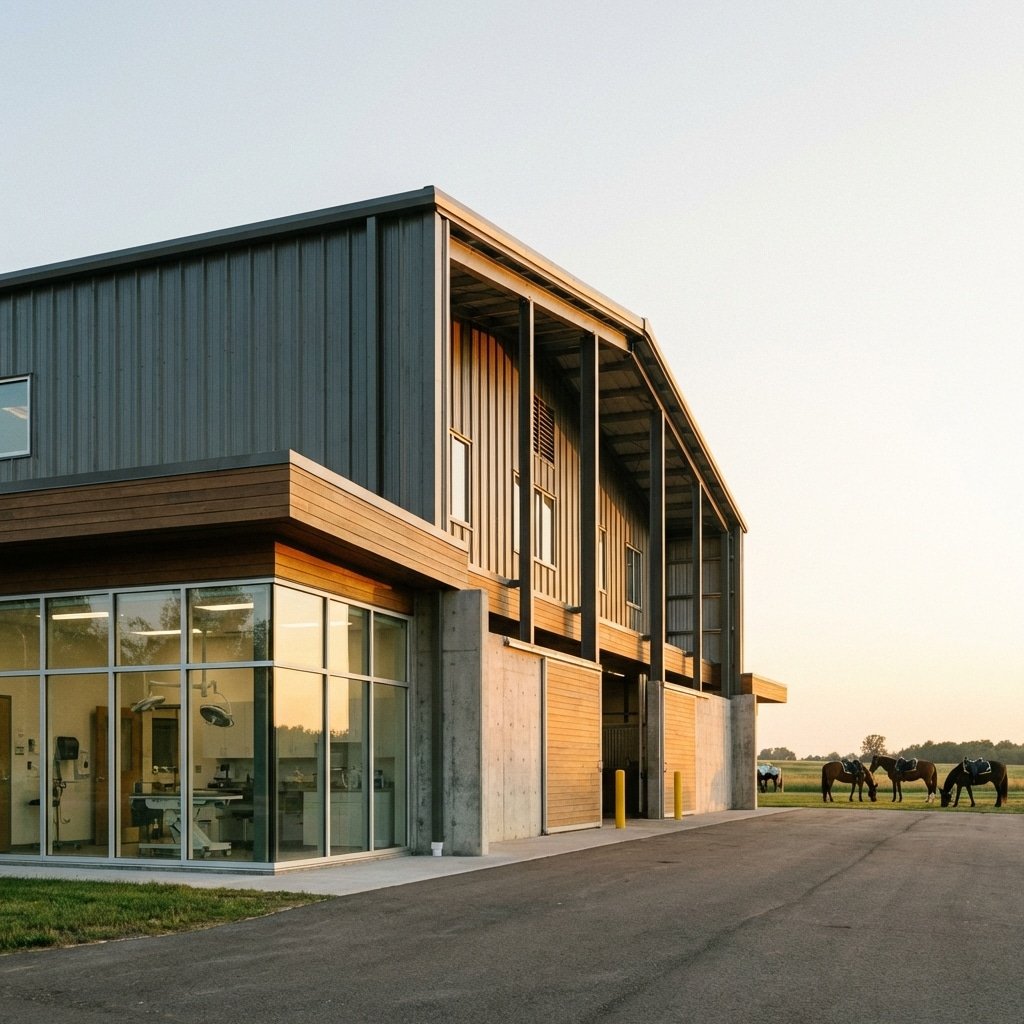
Procuring infrastructure for Mounted Police Units demands engineering that withstands the sheer force of 1,900 lb draft crosses. Standard equestrian stables frequently fail under this stress, exposing departments to costly facility downtime and career-ending injuries for high-value assets.
This review benchmarks heavy-duty manufacturers against the Q345B Low Alloy High Strength Steel standard essential for institutional safety. We analyze suppliers based on ISO 1461 galvanization compliance and Kick-Proof engineering to help contractors secure compliant, scalable partnerships for public tenders.
The Unique Demands of Institutional Mounted Units
Quick Comparison
| Strategic Demand | Department | Core Output | Verdict |
|---|---|---|---|
Personnel Selection and Training Demands | HR & Training | Specialized Officer Training | Requires officers with 2-3 years patrol experience to undergo 14 weeks to 6 months of intensive training. |
Horse Selection and Training Demands | Asset Acquisition | Heavy Draft Crosses | Strict physical standards (1,000-1,900 lbs) and 12 weeks of specialized training ensure uniformity and temperament. |
Operational and Support Infrastructure | Facilities Management | Stables & Maintenance | Specialized facilities with ventilation and emergency procedures are essential for ongoing maintenance and animal welfare. |
Crowd Control Effectiveness as a Core Demand | Tactical Operations | Force Multiplication | Height and size provide tactical advantages; one mounted officer equals approximately 10 foot officers in crowds. |
Personnel Selection and Training Demands
Rigorous selection ensures **high operational capability** by combining prior patrol experience with intensive specialized training.
Mounted units require officers with prior patrol experience (2-3 years) to undergo intensive training programs ranging from 14 weeks to 6 months. This prerequisite ensures that candidates possess foundational police skills before adapting to the specialized mounted environment.
The training curriculum is physically and mentally demanding, covering equitation, horsemanship, and advanced crowd control techniques. Officers must master these skills to manage the specific risks and tactical advantages of mounted patrol work.
📊 At a Glance:
- 📍 Location: HR & Training
- 🏭 Core Strength: Specialized Officer Training
- 🌍 Key Markets: Police Departments
Why We Picked Them:
| ✅ The Wins | ⚠️ Trade-offs |
|---|---|
|
|
Horse Selection and Training Demands
Strict physical standards and mandatory 12-week training cycles ensure **uniformity and operational readiness** for patrol work.
Departments select horses based on rigorous physical criteria, typically requiring animals between 1,000 to 1,900 pounds. This focus ensures necessary size, strength, and temperament uniformity across the unit.
Post-acquisition, each mount enters a specialized training phase lasting at least 12 weeks. This extensive preparation ensures the animal meets specific performance standards before active deployment.
📊 At a Glance:
- 📍 Location: Asset Acquisition
- 🏭 Core Strength: Heavy Draft Crosses
- 🌍 Key Markets: Institutional Units
Why We Picked Them:
| ✅ The Wins | ⚠️ Trade-offs |
|---|---|
|
|
Operational and Support Infrastructure
Critical for unit longevity, providing **specialized environments** that ensure safety and operational readiness.
Institutional mounted units demand specialized facilities featuring proper ventilation, durable flooring, and rigid emergency protocols. These structures form the physical backbone of the unit’s daily operations.
Beyond construction, success relies on continuous maintenance and ongoing training regimes. These elements are vital to sustain both officer skills and animal welfare standards over time.
📊 At a Glance:
- 📍 Category: Facilities Management
- 🏭 Core Focus: Stables & Maintenance
- 🌍 Primary User: Government Agencies
Why We Picked It:
| ✅ The Wins | ⚠️ Trade-offs |
|---|---|
|
|
Crowd Control Effectiveness as a Core Demand
Mounted units deliver **unrivaled force multiplication**, with a single mounted officer providing the crowd management coverage of approximately ten foot officers.
The sheer height and mass of a horse provide immediate psychological and tactical advantages in volatile situations. This physical presence acts as a powerful natural deterrent while granting officers a superior vantage point to monitor crowd dynamics effectively.
Beyond visibility, these units significantly reduce manpower requirements for large-scale public safety events. While highly effective, operational success depends heavily on the animal’s ability to maintain composure amidst noise and chaos.
📊 At a Glance:
- 📍 Location: Tactical Operations
- 🏭 Core Strength: Force Multiplication
- 🌍 Key Markets: Public Safety
Why We Picked Them:
| ✅ The Wins | ⚠️ Trade-offs |
|---|---|
|
|
Premium Stables Engineered For Extreme Climates

The Unique Demands of Institutional Mounted Units
Institutional mounted units require infrastructure that goes beyond standard recreational specifications. With patrol horses often weighing nearly a ton and facing rigorous daily operational demands, we engineer our stables to withstand extreme impact forces while ensuring the safety of these high-value assets through specialized materials and design.
Accommodating the Size and Strength of Patrol Mounts
Institutional units typically deploy draft cross breeds weighing 1,600 to 1,900 pounds. These animals exert impact forces that far exceed the capabilities of average recreational horses. Standard stall systems frequently fail under this stress, leading to costly repairs and potential injuries. To address this, we specify Q345B Low Alloy High Strength Steel for government projects. This material upgrade ensures the structural resilience necessary to contain powerful animals safely.
We enforce a strict 14-gauge (2.0mm to 2.5mm) wall thickness on all tubular profiles. This standard maintains our “Kick-Proof Guarantee” against even the most powerful strikes. Furthermore, this heavy-duty framework specifically addresses the cold-weather brittleness risks common in northern patrol regions, preventing dangerous fractures in the steel during winter operations.
Infrastructure Standards for Safety and Longevity
Protecting a department’s investment in horses—which require over 12 weeks of specialized training—demands facility designs that actively prevent injury. We implement a “Cast-Proof Design” by restricting bottom gaps to approximately 50mm. This engineering choice effectively stops horses from trapping their legs when rolling, a common cause of career-ending injuries in poorly designed stables.
To reduce facility downtime and maintenance costs, we utilize Hot-Dip Galvanization After Fabrication (ISO 1461). With zinc coatings exceeding 85 microns on structural parts, this process provides superior corrosion resistance compared to pre-galvanized alternatives. Additionally, our “Stack Effect Ventilation” design supports animal health by promoting vertical airflow, which is essential for housing high-density active units.
Steel Yield Strength: Q235B vs. Q345B for Draft Crosses
For facilities housing draft crosses and heavy police mounts, structural integrity determines the lifespan of the investment. We strongly recommend upgrading to Q345B Low Alloy High Strength Steel for these specific applications. With a minimum yield strength of 345 MPa—offering 47% higher load capacity than standard steel—it provides the necessary resilience to withstand the immense physical force and impact of 1,800+ lb animals.
Understanding the Yield Strength Gap: 235 MPa vs. 345 MPa
Standard equestrian manufacturing typically relies on Q235B Structural Steel, which aligns with ASTM A36 carbon steel. While this material offers a yield strength of 235 MPa and serves standard riding schools well, it often reaches its limit against the sheer mass of heavy draft breeds. Q345B, classified as Low Alloy High Strength steel (equivalent to ASTM Grade 50), delivers a minimum yield strength of 345 MPa.
This upgrade provides approximately 47% more load-bearing capacity within the same tube profile. This is critical for preventing structural bowing. A draft horse leaning its full weight against a stall front exerts force that can permanently deform standard carbon steel. The higher tensile strength range of 470-630 MPa found in Q345B allows our framework to resist this bending and deformation, ensuring the stable row maintains its alignment and function despite the daily pressures of powerful animals.
Impact Resilience for Heavy Breeds and Cold Climates
Strength is not just about holding weight; it is about absorbing sudden impact without failure. This becomes vital in regions with harsh winters. Standard steel can lose ductility in freezing temperatures, becoming susceptible to brittle fractures if impacted suddenly. Q345B features specific microalloying elements that significantly improve its ability to absorb kinetic energy and maintain toughness in low temperatures.
We utilize this high-strength alloy as the backbone of our “Kick-Proof Guarantee.” Mounted units often shoe their horses with heavy traction devices or caulks, which turn a kick into a concentrated, destructive force. If a powerful draft cross kicks a metal post during a freeze, Q345B absorbs that shock rather than snapping. This material choice directly protects your infrastructure from catastrophic hardware failure and ensures the safety of volatile or powerful draft cross breeds.
Tamper-Proof Hardware and Flush-Mounted Latches
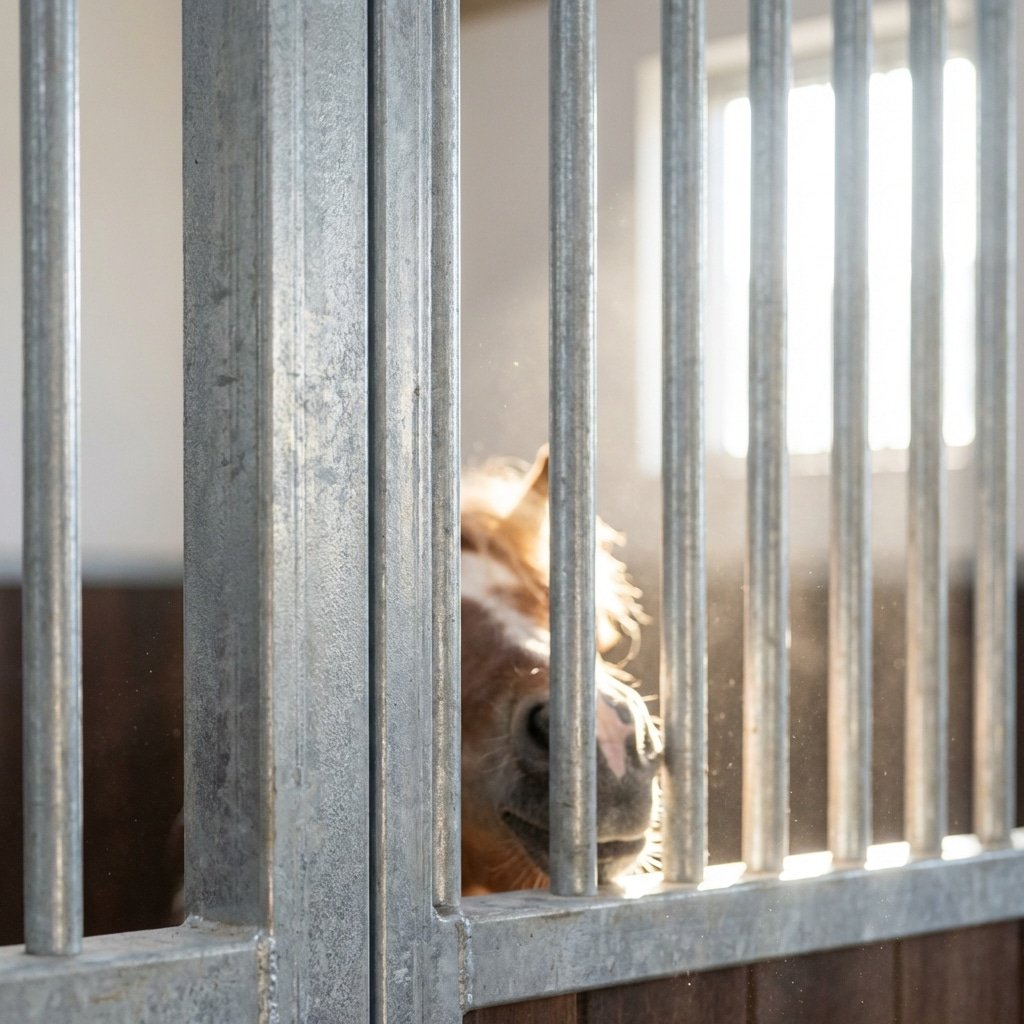
Institutional facilities require hardware that eliminates injury risks while securing valuable assets against tampering. We utilize flush-welded components and recessed systems to create a snag-free environment for tacked horses, paired with high-tensile 304 Stainless Steel fasteners that resist both corrosion and unauthorized removal.
Preventing Equine Injury Through Flush-Mount Engineering
Mounted police units often outfit horses in specialized riot gear and bulky tack, which significantly increases the risk of snagging on traditional protruding door fittings. To mitigate this, we integrate a **Hidden Track System** within our Professional Series fronts. This design recesses the sliding mechanism and handles directly into the steel frame, ensuring a completely smooth profile that allows horses to pass safely without gear catching on the doorway.
Beyond gear protection, flush surfaces are critical for animal welfare if a horse becomes cast or rolls against the stall front. Our **Cast-Proof Design** eliminates sharp edges and protruding bolts that could lacerate skin during a panic situation. Furthermore, our **Hot-Dip Galvanization After Fabrication** process ensures that every welded joint and latch housing is coated in a thick, smooth layer of zinc, removing abrasive burrs that are common in pre-galvanized alternatives.
For facilities with narrow aisleways, we replace heavy, protruding barrel bolts with flush-mounted finger latches. This maximizes the usable width of the corridor, allowing officers to mobilize quickly during drills without navigating around hazardous hardware obstructions.
Heavy-Duty Locking Mechanisms for High-Security Facilities
Security in government and institutional stables extends beyond keeping the horse inside; the structure itself must resist tampering and environmental degradation. We manufacture all anchor bolts, connectors, and locking mechanisms from **304 Stainless Steel**. This material choice prevents the structural weakening often caused by long-term exposure to ammonia, ensuring that latches remain functional and secure even after years of heavy use.
Standard latches can fail or vibrate loose under the repetitive impact of heavy draft crosses kicking the door. We counter this by mounting our hardware onto **Q345B High Strength Steel** frames, which offer superior yield strength compared to standard Q235B. This combination underpins our **Kick-Proof Guarantee**, ensuring the locking mechanism holds firm without deforming under blunt force trauma.
For contracts requiring strict access control, such as quarantine units or detention-adjacent facilities, we offer tamper-resistant screw configurations. These specialized fasteners prevent partitions and fronts from being dismantled with standard tools, securing the facility against vandalism and ensuring that stall configurations remain permanent unless altered by authorized maintenance personnel.
DB’s ISO 9001 Traceability for Gov Contracts
We align our production logs with ISO 9001 standards to validate the origin of every stable front we ship, maintaining detailed records of raw material batches and welding shifts. This documentation supports law enforcement agencies during internal audits and verifies our adherence to BS EN ISO 1461 galvanization standards, ensuring full transparency and protecting long-term municipal budgets.
Mandatory Audit Trails for Government Compliance
Government tenders require strict accountability beyond simple product delivery. We align our production logs with ISO 9001 standards to validate the origin of every stable front shipped. By maintaining detailed records of raw material batches and welding shifts, we ensure that every component can be traced back to its source.
This documentation supports law enforcement agencies during internal audits and safety reviews. It provides the necessary evidence to validate manufacturing quality, ensuring full transparency in public spending and mitigating liability risks associated with undocumented equipment.
Verifying Material Specs: Steel Grade and Zinc Coating
Traceability extends to verifying the exact technical performance of the steel framework. Our system certifies the use of Q345B Low Alloy High Strength Steel, which is critical for cold climate contracts requiring superior impact resistance against brittle fractures.
Galvanization reports confirm adherence to BS EN ISO 1461 standards, documenting average zinc coatings exceeding 85 microns on structural parts. These records prove the durability of our “Lifetime” rust protection, protecting long-term municipal budgets from premature maintenance costs.
Final Thoughts
Public sector procurement demands verifiable safety for high-value assets, not just the lowest bid. Specifying Q345B High Strength Steel and Hot-Dip Galvanization After Fabrication safeguards your department against structural failure and expensive liability claims. Investing in certified, heavy-duty infrastructure now prevents catastrophic injuries and eliminates repetitive maintenance cycles.
Secure your tender with a manufacturing partner that guarantees ISO 9001 traceability and transparent supply chain documentation. Contact our engineering team today to review your facility blueprints or request a comprehensive technical submittal package for your bid. We stand ready to validate our “Kick-Proof” standards against your project’s most rigorous requirements.
Frequently Asked Questions
How to build stables for police horses?
For institutional mounted units, durability is the primary engineering constraint. Police mounts are often heavy draft crosses that exert significant force on stall fronts. We recommend our heavy-duty Professional Series, which utilizes Q345B structural steel frames rather than standard Q235B. This provides higher yield strength to withstand repetitive impacts.
To reduce maintenance in busy departments, we suggest pairing these frames with 28mm-32mm HDPE infill. This material is impact-absorbing and requires no refinishing, unlike wood. The entire steel assembly undergoes Hot-Dip Galvanization After Fabrication (ISO 1461), ensuring the facility resists rust even in humid wash bays or harsh weather conditions.
What is Q345B high strength steel?
Q345B is a low-alloy high-strength structural steel, technically equivalent to ASTM Grade 50. We specify this material for cold-climate projects and high-traffic professional facilities because of its superior low-temperature impact toughness.
Standard carbon steel can become brittle and prone to fracturing when subjected to heavy kicks in freezing temperatures. Q345B maintains its ductility in these conditions, providing a Kick-Proof Guarantee that protects both the infrastructure and the animal from injury caused by shattered tubing.
Are flush mount latches safer?
Yes. Flush-mounted latches significantly reduce operational risks by eliminating protruding hardware from the aisle and stall interior. For mounted police units, this design is critical. Officers often move quickly while wearing utility belts, holsters, and heavy tack, all of which can snag on traditional bolt latches.
Our recessed design ensures a smooth profile, preventing gear entanglement and protecting the horse’s flanks during rapid exits. This attention to detail aligns with the strict safety protocols required in government-operated facilities.
How to win government equestrian contracts?
Winning government tenders relies on strict adherence to technical standards and verifiable supply chain data. Procurement officers require proof of longevity and safety. We support our partners by providing comprehensive documentation, including ISO 9001 quality management certifications and independent ISO 1461 galvanizing thickness reports.
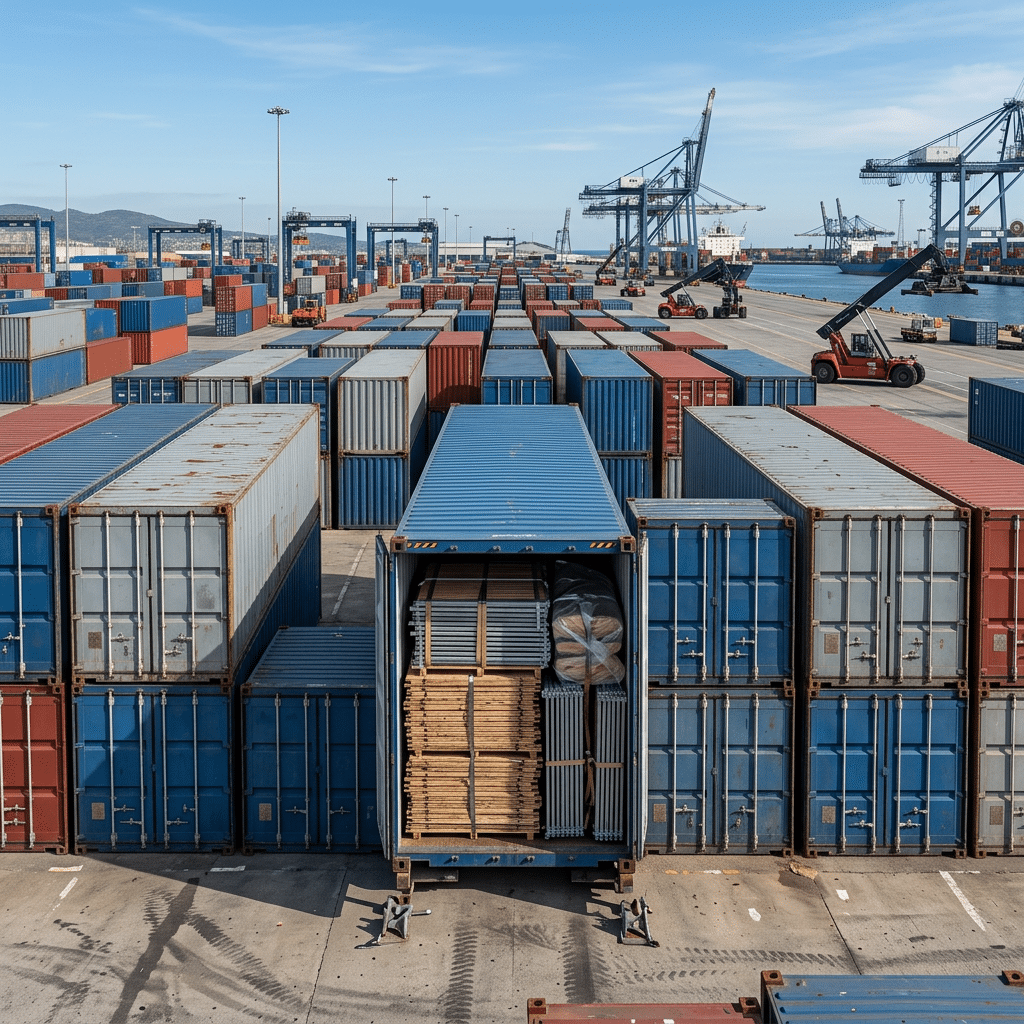
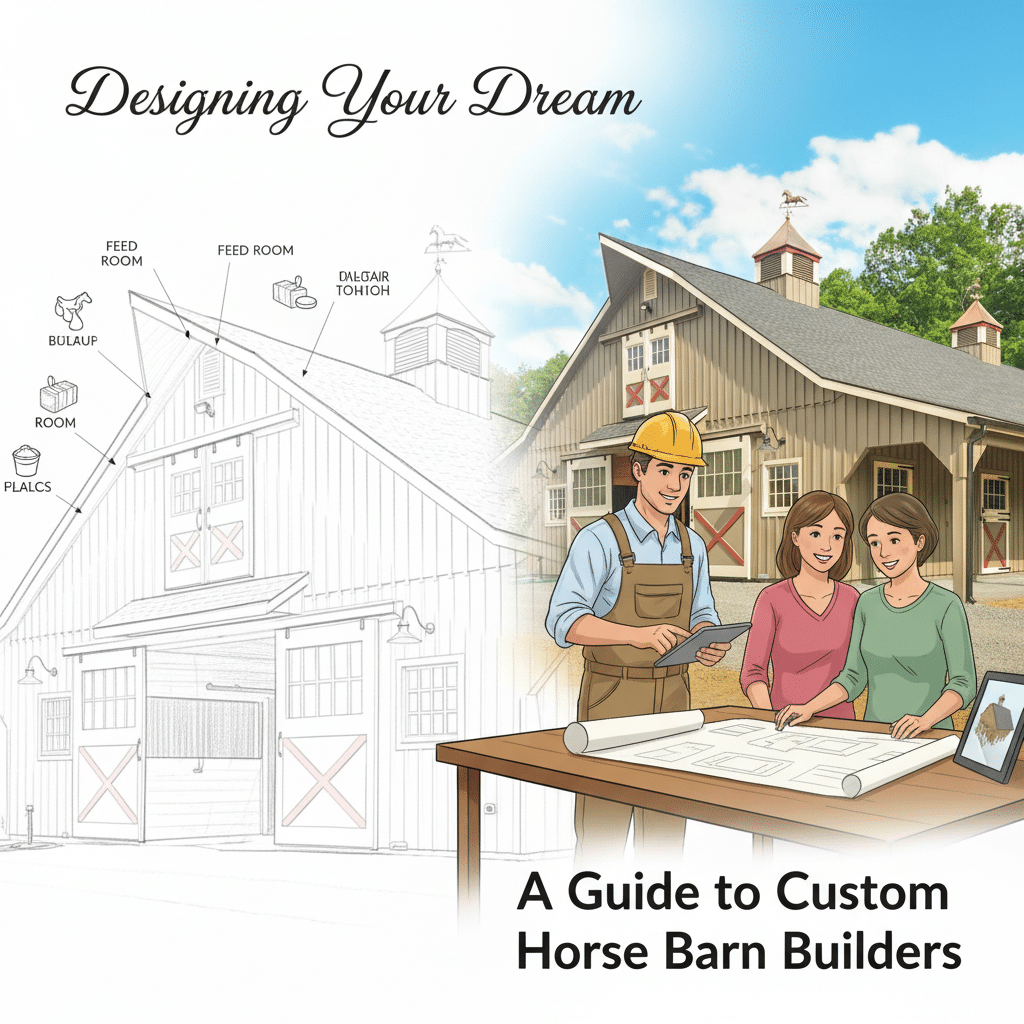
Furthermore, our flat-pack logistics system simplifies the bid. By fitting 30-45 sets in a single 40HQ container, we drastically reduce freight costs compared to fully welded alternatives. This allows contractors to offer competitive pricing while maintaining high profit margins and meeting the rigorous delivery timelines of public sector projects.
Stall size for draft cross police horses?
Standard 3.0m (10ft) or 3.5m (12ft) stalls are often too restrictive for the large draft crosses used in patrol work. To ensure animal welfare and allow these larger horses to turn and lie down comfortably, we recommend stall front lengths between 3.5m and 4.0m (approx. 12ft to 14ft).
Our manufacturing process allows us to customize these dimensions easily. Because we utilize a modular flat-pack design, we can scale the panel width to fit specific government architectural plans without incurring the exorbitant custom shipping fees usually associated with oversized welded frames.

 English
  Spanish
  French
  Arabic
  German
0 Comments