


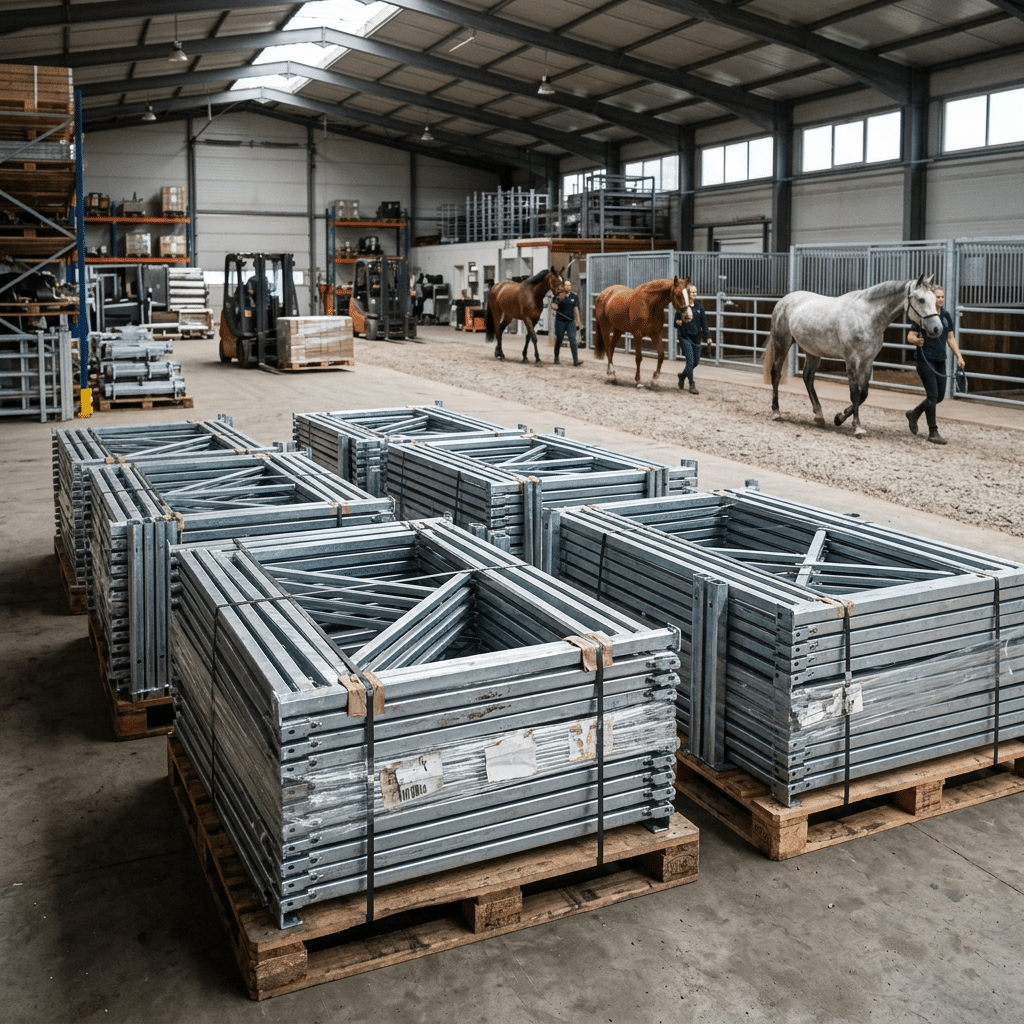
Building in wildfire areas makes material choice a critical safety decision, not a design preference. Chemically treated timber, a common choice, still presents a significant risk of ignition under extreme heat. This can lead to total structural failure and complicate insurance claims when they are needed most.
This analysis compares the performance of treated timber against Q235B steel frameworks. We evaluate materials based on non-combustibility and the structural longevity defined by ISO 1461 hot-dip galvanization. The data provides a clear guide for rebuilding with durable, fire-resistant assets.
The Rise of ESG (Environmental, Social, Governance) in Construction
ESG is now a mandatory compliance framework in construction. Investors demand transparent reporting on environmental impact, making durable, long-lasting materials a critical part of modern projects.
The Shift to Mandatory ESG Reporting
In 2026, ESG is no longer a ‘nice-to-have’ initiative based on voluntary reporting. It’s a hard requirement. Regulators and investors now expect mandatory disclosures with third-party verified data. Saying you’re sustainable isn’t enough; you have to prove it with numbers.
Institutional investors are driving this change. They require ESG data aligned with standardized frameworks like TCFD and SASB. Companies that can’t provide this data face real financial penalties, including higher costs for capital. Compliance isn’t just about regulation—it directly impacts project financing and profitability.
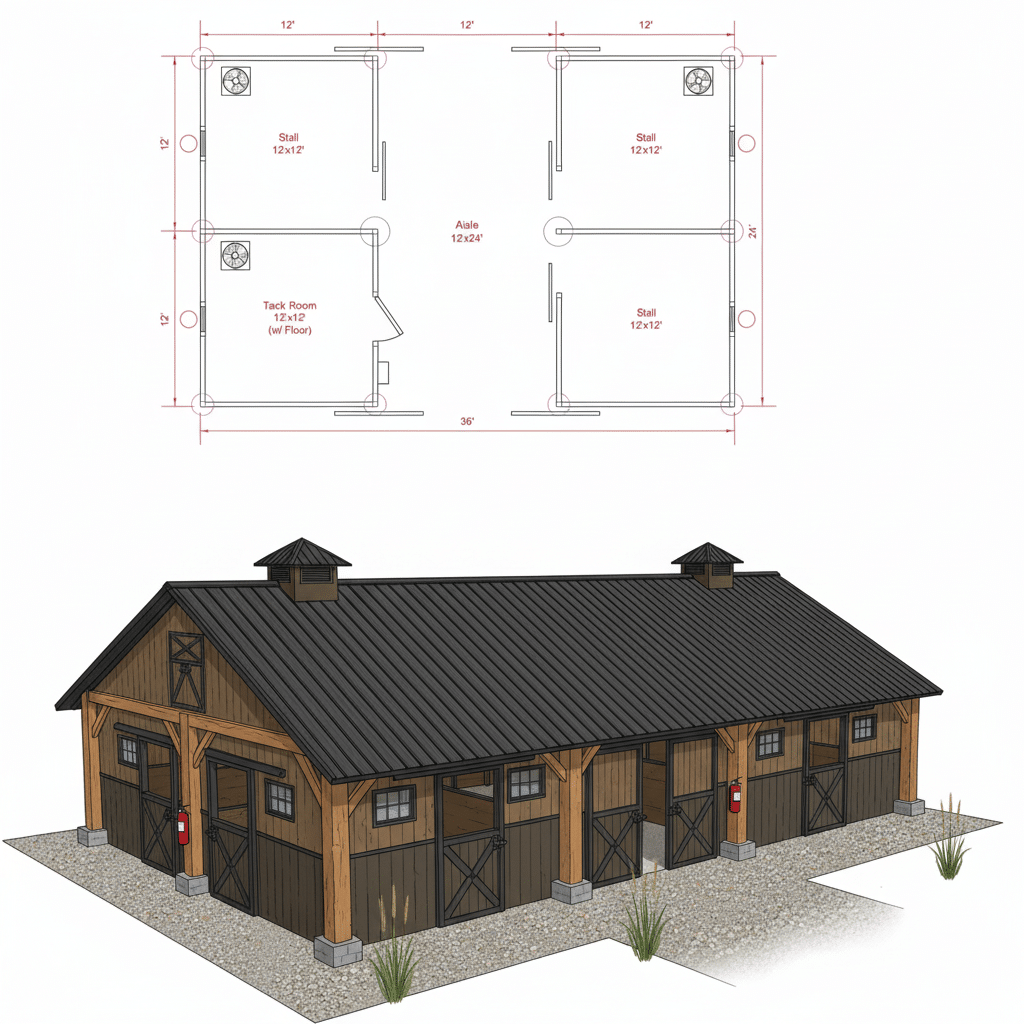
Building for Longevity: How ISO 1461 Galvanization Supports ESG Goals
Connecting abstract ESG goals to physical materials is where compliance gets practical. The choice of rust protection, for example, has a direct impact on a project’s environmental footprint. Using a ‘Hot-Dip After Fabrication’ process that conforms to BS EN ISO 1461 creates a durable, long-life protective coating on steel components.
This isn’t just about preventing rust. A product that lasts decades instead of years significantly reduces the need for frequent replacement. This extended lifespan minimizes landfill waste and lowers the embodied carbon associated with manufacturing new materials. By building for longevity, you reduce long-term operational costs and generate verifiable data for ESG reporting.
Moving Away from Old-Growth Timber (Oak/Pine)
Stables are moving from oak and pine due to rot, moisture damage, and high maintenance. Modern alternatives like HDPE and strand-woven bamboo offer superior durability and resistance.
The Practical Failings of Traditional Wood
Traditional woods li
ke oak and pine simply can’t handle the constant exposure to moisture and animal waste inside a stable. They are highly prone to rot, mold, and insect damage without consistent, aggressive upkeep.
This means you are always sealing, painting, or repairing boards to prevent warping, splintering, and cracking. Wood also absorbs urine and odors, which creates serious hygiene problems and makes thorough cleaning nearly impossible.
High-Performance Infill: Bamboo and HDPE Solutions
The industry is shifting to materials engineered specifically for the stable environment. High-Density Polyethylene (HDPE) and strand-woven bamboo directly address the weaknesses of traditional timber.
- High-density strand-woven bamboo features a Janka hardness over 3000 lbf, making it three times harder than oak. It is naturally resistant to mold and environmental decay.
- UV-stabilized HDPE provides a zero-maintenance, impact-absorbing surface that will not splinter, crack, or rot.
- Both materials are non-porous. They don’t absorb moisture or waste, which makes cleaning easy and promotes a healthier environment for the horses.
Globally Compliant Stables Built to Last
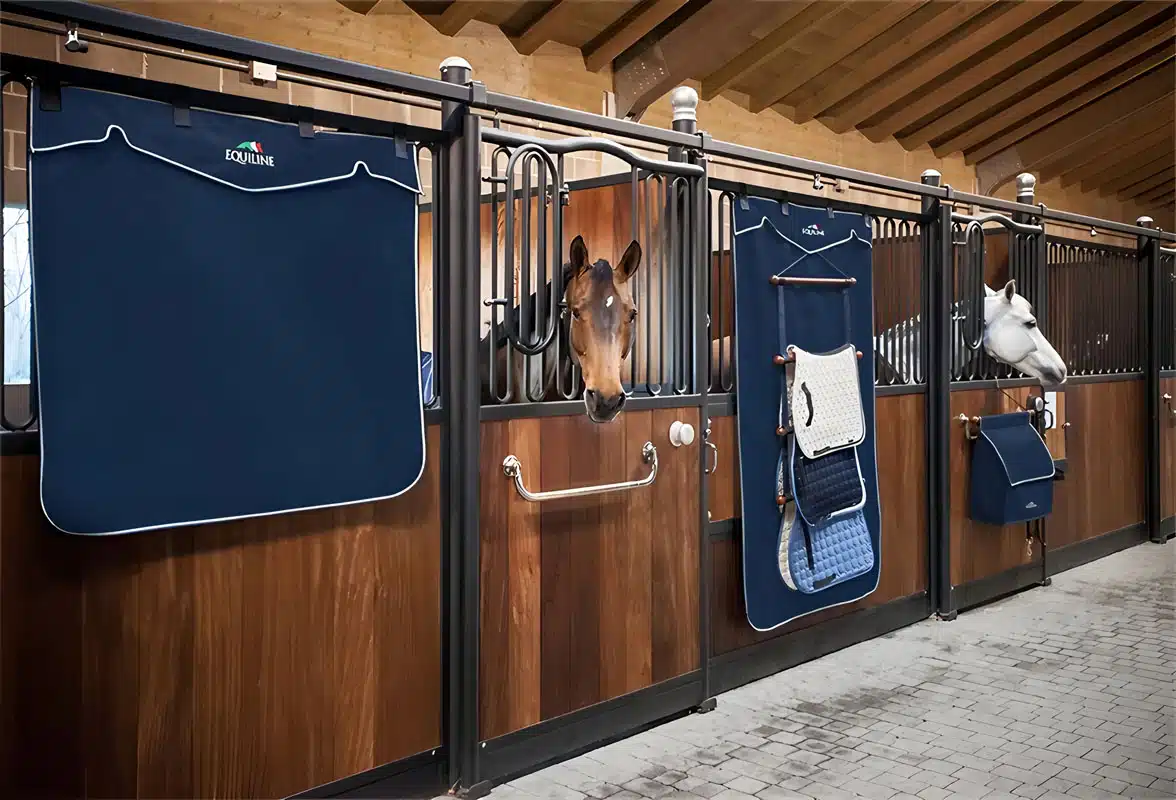
Top Factories Embracing Sustainable Materials
Leading factories now integrate renewable energy, digital monitoring, and zero-waste systems, making sustainability a core operational standard, not just a voluntary initiative.
The factories setting the standard are moving beyond basic compliance. They are investing heavily in technologies and systems that prove environmental responsibility is a competitive advantage. Here are some of the operations leading the way.
| Rank | Factory | Location | Key Sustainability Features |
|---|---|---|---|
| 1 | Siemens Electronics Works Chengdu (SEWC) | China | WEF Sustainability Lighthouse; 24% energy reduction per unit, 48% waste reduction, and digital twins for AI-driven carbon tracking. |
| 2 | Nestlé Surčin | Serbia | Achieved zero waste to landfill, with all waste either recycled or recovered for energy. |
| 3 | Unilever Facilities | India, UK | Flagship facilities that showcase environmental responsibility and innovation in manufacturing. |
| 4 | Procter & Gamble Taicang | China | Runs on 100% renewable electricity, uses advanced water management, and sends zero manufacturing waste to landfill. |
| 5 | Lego Factory | Vietnam | Scheduled for 100% clean energy operation by early 2026, powered by extensive rooftop solar and battery storage. |
| 6 | Schneider Electric Network | US, China, Spain | Barcelona facility achieved zero CO₂ status with an integrated microgrid including solar, battery storage, and EV charging. |
| 7 | IKEA Zbąszynek | Poland | Part of a network where all factories and direct suppliers switched to 100% renewable electricity by 2023. |
| 8 | Ferrari E-Building | Not Specified | Features advanced sustainability design in its construction and operation. |
| 9 | Tesla Gigafactory | China | Utilizes advanced manufacturing processes to minimize waste and enhance energy efficiency in EV production. |
| 10 | Google Facilities | Not Specified | Consistently included in rankings of top sustainable factories for their operational standards. |
The common thread is a move toward integrating renewable energy, circular economy practices, digital monitoring, and zero-waste goals. These facilities aren’t just making small changes; they represent massive investments to build resilience and operate with maximum resource efficiency.
Strand-Woven Bamboo: A High-Yield Carbon Sink
Strand-woven bamboo is engineered by compressing fibers into a plank over 3000 lbf Janka hardness, making it three times harder than oak for superior stable durability.
How Strand-Woven Bamboo Achieves Extreme Density
This material is not simply a cut plank of bamboo. The manufacturing process completely reconstructs the raw material to achieve its unique properties. First, mature bamboo is harvested and shredded into fine, fibrous strands. This breaks down the natural cellular structure of the plant.
These strands are then mixed with a resin and compressed under intense heat and pressure. The process forces the fibers and resin together, creating an engineered composite block. The resulting material is significantly denser and more durable than the original bamboo stalk, producing a board with the consistency of stone.
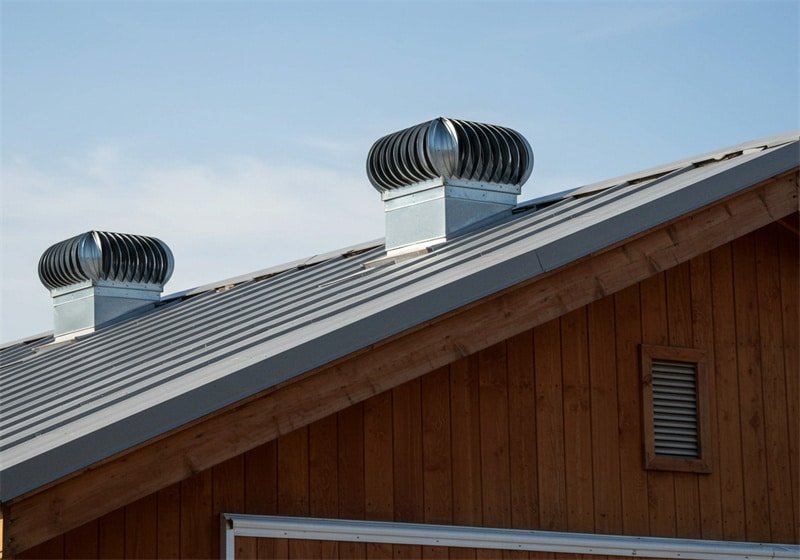
Superior Hardness and Rot Resistance for Equine Safety
The primary benefit of this density in a stable is its hardness. Strand-woven bamboo offers a Janka Hardness rating of over 3000 lbf, making it about three tim
es harder than oak. This provides exceptional resistance to damage from powerful horse kicks and destructive habits like chewing or cribbing, which can quickly destroy softer woods.
The dense, resin-infused structure is also naturally resistant to moisture, mold, and rot. In a high-humidity stable environment, this quality is critical for both longevity and animal health. The board won’t absorb urine or water, preventing the decay that compromises the structural integrity of traditional timber and creates an unhealthy stall.
Q235B Steel: The 100% Recyclable Framework
Q235B is a structural carbon steel used for the stable framework. Its key benefit is being 100% recyclable, allowing it to be melted down and reused indefinitely without losing quality.
The Circular Lifecycle of Steel
Steel has a major environmental advantage: it can be re-smelted and reused over and over again without any loss of its material properties. This creates a true circular, zero-waste lifecycle. Using recycled steel to create new products drastically reduces greenhouse gas emissions compared to manufacturing from raw iron ore. When a structure reaches the end of its service life, the entire steel framework can be fully recovered and repurposed, keeping it out of a landfill.
Q235B Steel as the Standard Framework Material
Our standard stable frames are built with Q235B structural steel, the international equivalent to the ASTM A36 standard. This grade gives us the ideal plasticity and weldability needed to fabricate strong, durable stable components. For facilities in colder regions, we offer an optional upgrade to Q345B steel. This provides superior low-temperature toughness, preventing the steel from becoming brittle from horse kicks in freezing weather.
Frequently Asked Questions
What are the key components for an ESG-compliant equestrian center?
An ESG-compliant equestrian center requires frameworks across three areas: Environmental (renewable energy, water conservation, waste reduction), Social (employee wellbeing, safety protocols, fair labor standards), and Governance (ethical codes of conduct, policy compliance, stakeholder accountability). The process begins with a sustainability audit to set measurable goals.
Is bamboo a sustainable building material for horse stables?
Yes, bamboo is an excellent sustainable material. It is the fastest-growing plant on earth, reaching maturity far quicker than timber. It also has a negative carbon footprint, absorbing 35% more CO₂ than trees, and features a tensile strength greater than wood, making it both durable and eco-friendly.
Which is better for the environment: steel or wood barns?
Wood has a lower initial carbon footprint because it absorbs and stores carbon as it grows. Steel production is more energy-intensive. But, steel offers greater longevity and is 100% recyclable without losing structural strength, which can offset its initial environmental cost over the building’s extended lifespan.
Are there specific ‘green’ certifications for horse stables?
There are no mainstream green certifications specifically for horse stables. Instead, sustainable practices are adopted from broader environmental and agricultural guidelines, such as using fire-resistant materials, implementing sustainable land management, conserving water, and sourcing renewable materials like high-density bamboo.
Final Thoughts
The choice is between short-term cost and long-term asset security. While basic timber or pre-galvanized frames may seem cheaper, our ISO 1461 hot-dip galvanized steel and strand-woven bamboo system is engineered for ESG compliance and structural longevity. This isn’t just about building a stable; it’s about protecting your investment and reputation against fire, rot, and regulatory risk.
Don’t base a long-term decision on claims alone—verify the engineering firsthand. We recommend requesting our Factory Audit Pack, which includes material certifications and sample cross-sections. Contact our team to configure a trial order that meets your specific project or dealership requirements.

 English
  Spanish
  French
  Arabic
  German
0 Comments