



Choosing the right Shipping Incoterms is the most critical decision for protecting the profitability of a bulk stable order. Agreeing to a CIF quote without understanding the risks creates a trap of hidden port fees that can add thousands to your final landed cost, completely erasing the freight savings from a well-packed container.
This analysis directly compares FOB, CIF, and DDP for a standard 40HQ container of 30-45 flat-pack stable systems. We break down the real costs and responsibilities to help you calculate an accurate landed cost per unit and maintain full control over your heavy cargo logistics.
Why FOB (Free On Board) Gives You Maximum Control
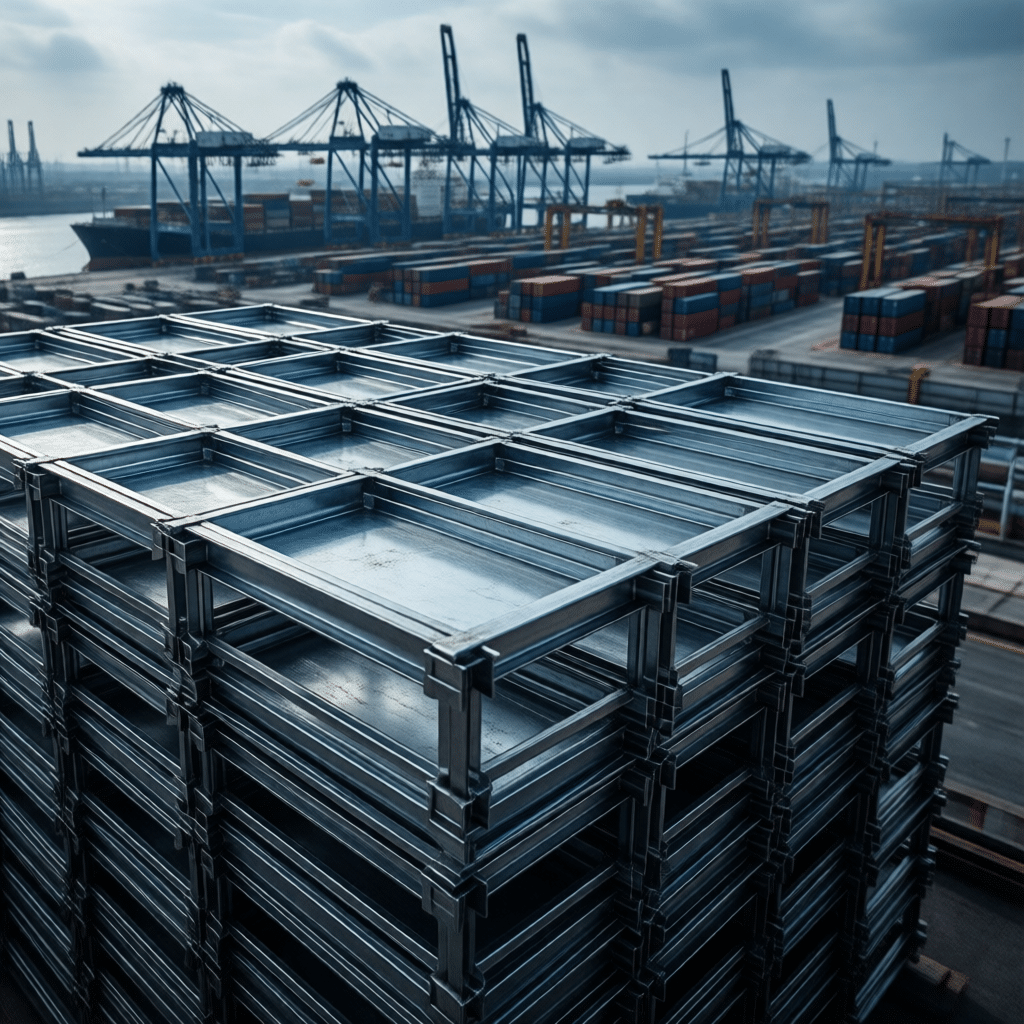
For distributors and project managers importing heavy-duty steel products, FOB (Free On Board) shipping terms provide the best balance of cost control, transparency, and logistical management. You choose your own freight carrier, directly negotiate shipping rates, and manage your own insurance, giving you full command over your supply chain from the port of loading to the final destination.
Direct Control Over Freight Forwarders and Costs
When managing heavy cargo like steel horse stables, you need a logistics partner who understands your project’s specific needs. FOB terms let you choose your own freight forwarder and shipping line. This control allows you to select a carrier experienced with handling large, heavy-duty equipment and align shipping schedules with your project timelines. By managing the main freight yourself, you can directly negotiate rates and fully capitalize on cost-saving designs. For example, our flat-pack system is engineered to fit 30-45 stable sets into a single 40HQ container. FOB allows you to work with your chosen carrier to maximize these freight savings and protect your profit margins. This approach also provides complete cost transparency; you pay for ocean freight, insurance, and destination charges separately, avoiding the bundled and often-inflated costs common in other shipping arrangements like CIF.
Clear Management of Risk and Documentation
Under FOB terms, the risk transfers to you once your goods are loaded onto the vessel at the port of origin. This clear transfer point gives you the power to select your own marine cargo insurance provider, ensuring your high-value stable systems are adequately protected against loss or damage during transit. The division of labor is also straightforward: we handle all the necessary export documentation and customs clearance at the port of loading, while your chosen agent manages the import process at your destination. This gives you better visibility into your shipment’s status through direct and timely updates from your freight forwarder, allowing you to proactively manage logistics and plan for the cargo’s arrival.
The table below shows a clear breakdown of responsibilities, highlighting why FOB is the preferred choice for buyers who want control.
| Responsibility | FOB (Free On Board) | CIF (Cost, Insurance, Freight) |
|---|---|---|
| Main Freight Costs | Buyer Pays & Controls | Seller Pays & Controls |
| Insurance Costs | Buyer Arranges & Pays | Seller Arranges & Pays |
| Point of Risk Transfer | When goods are on the vessel | When goods are on the vessel |
| Choice of Carrier | Buyer’s Choice | Seller’s Choice |
| Destination Port Fees | Transparent & Paid by Buyer | Paid by Buyer (Often with hidden fees) |
Globally Compliant Stables Built to Last.
Decoding Shipping Jargon for Large-Scale Importers

For large-scale importers of horse stable systems, selecting the right Incoterm is critical for protecting profit margins and project timelines. Terms like FOB (Free On Board) and CIF (Cost, Insurance, and Freight) determine who controls the main sea voyage, who bears the risk of hidden fees, and ultimately, your final landed cost per stable. Making an informed choice prevents budget overruns and ensures you maintain control over shipping for heavy cargo.
Why Incoterm Selection Is Crucial for Project Timelines
Choosing the right shipping term dictates who controls scheduling and risk for your container. When a single 40HQ container holds 30-45 complete stable sets thanks to our flat-pack system, losing visibility during transit can create significant delays and budget overruns. The Incoterm defines the point where responsibility for the goods transfers from us to you, directly impacting your control over the supply chain.
These terms become legally binding once included in a sales contract. Accepting a supplier’s default term without negotiation can mean losing control over your assets from the moment they leave the factory floor. This lack of control can disrupt your ability to manage final installation schedules and coordinate with local construction teams, turning a smooth project into a logistical challenge.
Key Terms That Directly Impact Your Landed Cost
Common terms like FOB (Free On Board) and CIF (Cost, Insurance, and Freight) determine who pays for the main sea voyage. This single decision directly affects your final cost per stable and establishes who is responsible for insuring the goods while at sea. Understanding the difference helps you avoid the “CIF trap,” where undisclosed destination fees can inflate your costs after the shipment has already arrived.
For heavy cargo like our steel pallet-packed stable systems, which weigh between 250-450kg per set, controlling the freight arrangement is a major advantage. An Incoterm like FOB gives you the power to select a carrier specializing in industrial goods. This often leads to better handling, more reliable service, and better rates than a supplier’s pre-selected shipper, directly protecting your bottom line.
The CIF Trap: Hidden Destination Terminal Handling Charges (DTHC)
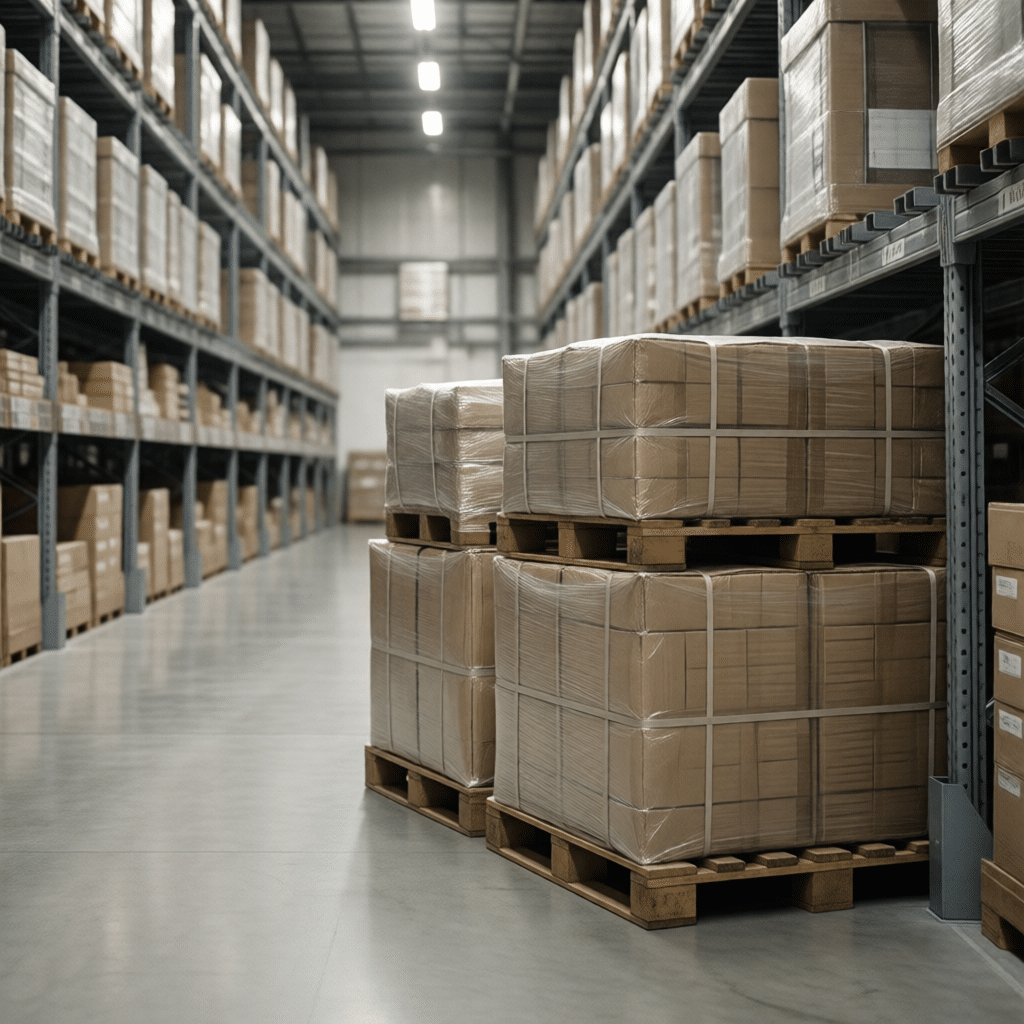
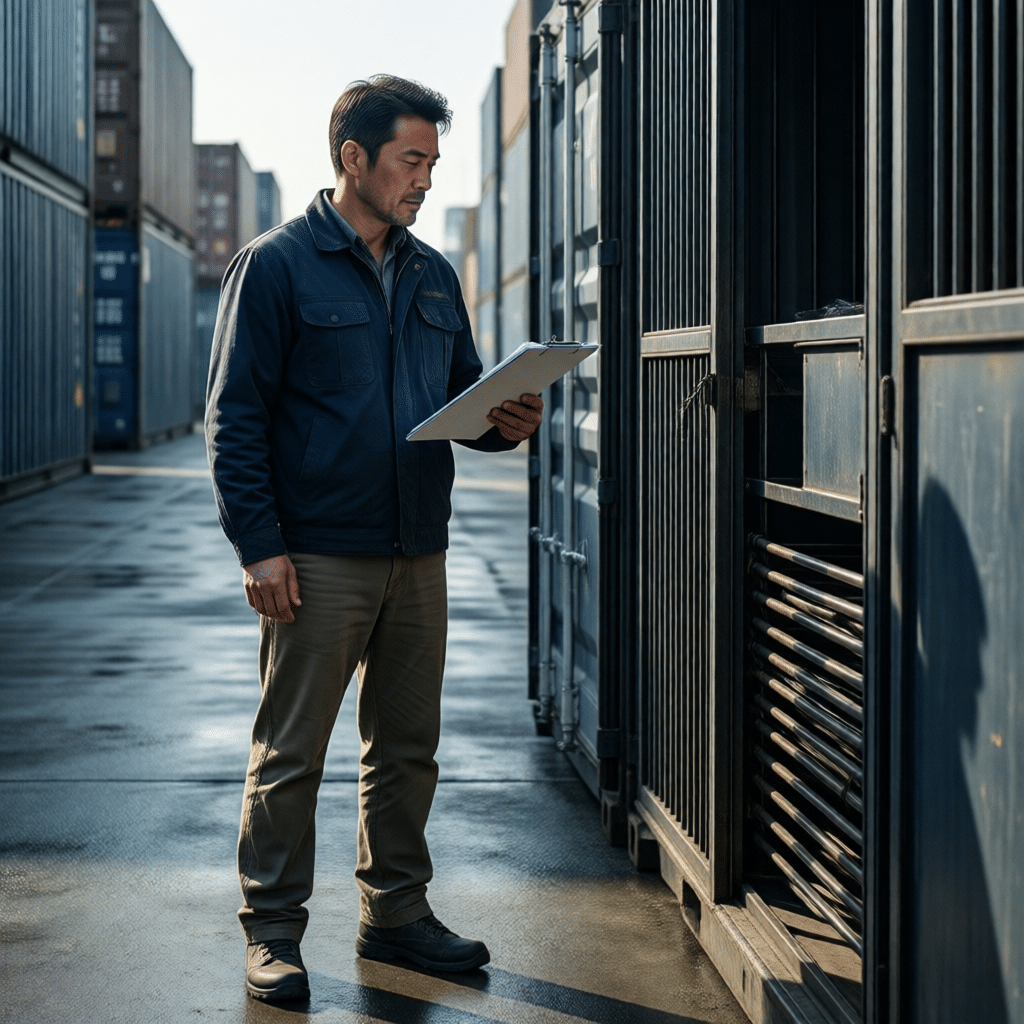
When you receive a CIF (Cost, Insurance, Freight) quote, it excludes the mandatory port fees at your end, known as DTHC. This creates a trap where you are forced to pay hundreds or thousands in surprise charges to release your container of horse stables, damaging the profit margins you planned for.
What DTHC Covers and Why It’s Missing From Your Quote
Destination Terminal Handling Charges (DTHC) are not optional. They are standard fees your local port charges for essential services like unloading cargo from the ship, moving containers within the terminal, and handling the required administrative processing. With a CIF agreement, the seller’s financial responsibility ends the moment the vessel arrives at your destination port. All costs incurred from that point forward—including DTHC—are billed directly to you.
This becomes a major financial risk for heavy B2B shipments, such as a 40HQ container filled with our steel horse stable systems. The handling fees for such large, heavy cargo are substantial, but they will never appear on the initial CIF price you were quoted.
The ‘Captive Customer’ Problem: How Costs Escalate at the Port
Once your container lands, you become a “captive customer.” You have no leverage to negotiate the DTHC amount invoiced by the destination agent, who was chosen by your supplier’s forwarder. If you refuse to pay, you cannot collect your cargo. This immediately triggers escalating daily storage fees and can cause major project delays. The final bill often includes a stack of other surprise costs, like an Import Service Fee (CISF), a Delivery Order fee, and various security surcharges.
For a distributor importing a full container of 30-45 stable sets, our flat-pack system creates significant freight savings. But unexpected DTHC and other port fees can easily add hundreds or even thousands of dollars to the final cost, completely eroding the savings and profitability you relied on.
DDP (Delivered Duty Paid): The “Hands-Off” Premium Option
DDP (Delivered Duty Paid) is a shipping agreement where we manage the entire logistics process for you. We cover all costs, risks, and customs formalities to deliver your horse stables directly to your final destination, providing complete cost transparency.
Seller’s Comprehensive Responsibility
Under DDP terms, we manage the entire logistics chain from our factory to your specified address. This comprehensive service includes handling all export and import customs clearance, paying all required duties and taxes, and covering all transportation costs. You face minimal logistical complexity because we handle every step of the international shipping process.
Strategic Value for Stable Importers
DDP offers maximum convenience for our B2B partners, providing a single, all-inclusive price for a project. For a distributor ordering a 40HQ container with 30-45 of our flat-pack stable sets, a DDP agreement means the quoted price is the final cost to your door. This simplifies your budgeting and completely removes the financial risks associated with shipping delays or unexpected customs fees.
Cargo Insurance: Protecting $50k of Steel at Sea
For a standard 40HQ container of our steel horse stables, valued at around $50,000, cargo insurance premiums typically fall between $600 and $1,000. This cost protects your investment against loss or damage during sea transit and is influenced by the level of coverage, the shipping route, and the cargo’s specific classification (HS Code 7308.90).
Estimated Premiums for a Container of Stables
When budgeting for a full 40HQ container of our stable systems, which typically has a value of around $50,000, setting aside $600 to $1,000 for cargo insurance is a realistic estimate. This premium safeguards your capital investment from our factory door to your destination port. The cost is directly tied to the shipment’s value. Because our stables are classified as steel structures under HS Code 7308.90, the insurance rates are specific to this commodity, not general merchandise.
Key Factors That Influence Your Insurance Cost
The specific premium you pay is mainly driven by the level of coverage you choose. A comprehensive ‘All-Risk’ policy offers the broadest protection and costs more than a basic ‘Total Loss’ policy, which only covers catastrophic events like the vessel sinking. Your final cost also depends on the shipping route, the type of vessel used, and the conditions at the destination port. The insurance provider assesses all these risks to determine the final premium.
Final Thoughts
While a CIF quote often appears cheaper, choosing FOB is the only way to safeguard your profit margins against hidden port fees. Full control over the freight forwarder directly protects the 60%+ shipping savings our flat-pack system provides. This is how successful distributors defend their final landed cost per stable.
Stop guessing on your final costs. Request a formal FOB quote for your next project to see a transparent cost breakdown for yourself. Our team can also prepare a DDP comparison if you require a fully-managed, door-to-door solution.
Frequently Asked Questions
What is the difference between FOB and CIF?
With FOB (Free On Board), your responsibility as the buyer begins once we load the goods onto the shipping vessel. This gives you full control over the freight forwarder and insurance. Under CIF (Cost, Insurance, and Freight), we manage and pay for shipping and insurance to your destination port, but this can limit your control over final costs and the specific carrier used.
Are DDP shipments safe for large orders?
While DDP (Delivered Duty Paid) offers convenience, it can hide the true logistics costs for large B2B orders like our stable systems. For full container loads, we find that FOB provides our partners with greater transparency and control over customs clearance, which is critical for project budgeting and protecting your profit margins.
Are there hidden fees in CIF shipping?
Yes, CIF shipments can often lead to unexpected costs when your order arrives. These typically include high Destination Terminal Handling Charges (DTHC) and other local fees set by the carrier we are required to use. Choosing FOB allows you to work with your own forwarder, which ensures there are no surprises with local charges and protects your budget.
Who pays for marine cargo insurance?
This depends on the incoterm you choose. Under a CIF agreement, we arrange and pay for a basic insurance policy. If you select FOB, you are responsible for securing your own marine insurance. We generally recommend the FOB route, as it allows you to get more comprehensive coverage to protect your investment in the stable systems.
What is the best incoterm for importing heavy steel stables?
For heavy cargo like our hot-dip galvanized steel stable systems, we strongly recommend FOB. It gives you full control over the freight forwarder, which is essential for managing the logistics of heavy materials. This control ensures you get competitive shipping rates and reliable handling from the factory to your final destination.


 English
  Spanish
  French
  Arabic
  German
0 Comments