


Sourcing from the right Rubber Mat Providers is critical to avoid freight costs that destroy distributor margins. Shipping dense mats as a standalone product is a major financial risk, with volatile maritime rates and hidden surcharges often adding over 60% to the total landed cost and making predictable budgeting impossible.
This analysis evaluates suppliers on a logistics-first basis: their ability to co-load with flat-pack stable systems. We benchmark providers against the 17mm thickness industry standard and their capacity to fill container voids, a strategy that protects your profit by eliminating the mat’s freight cost entirely.
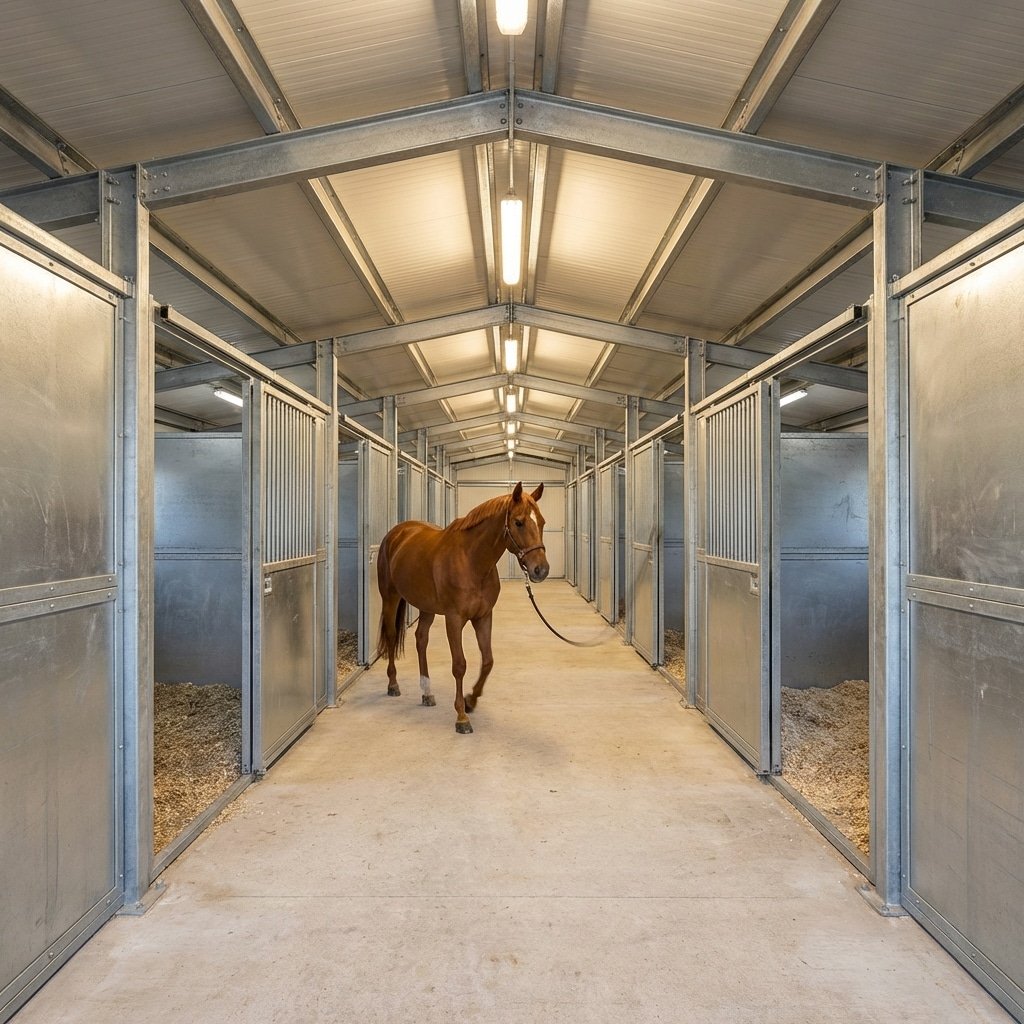
Globally Compliant Stables Built to Last

The Critical Role of Flooring in Equine Joint Health
Proper stable flooring is fundamental to a horse’s long-term health. It provides critical shock absorption to protect joints from the cumulative stress of standing on hard surfaces and offers a slip-resistant footing that allows horses to move and rest naturally without muscle strain.
How Flooring Cushions Joints from Repetitive Stress
Quality flooring provides essential shock absorption, reducing the impact that transfers throu
gh hooves and legs into the joints with every step. For horses spending significant time in stalls, cushioned surfaces minimize the cumulative wear on cartilage and connective tissues. This supports long-term musculoskeletal health and helps aid recovery after training or work.
The Importance of Stability and Slip Resistance
Anti-slip surfaces allow horses to stand, lie down, and move with confidence. This prevents the small, subconscious compensatory movements that strain joints and muscles over time. A stable footing helps horses maintain a natural posture, reducing the constant tension that can lead to soreness and more serious joint complications.
The Shipping Reality: Why Rubber Freight Kills Budgets
Sourcing rubber mats for equestrian facilities now involves significant financial risk. Maritime freight rates have climbed over 40% above historical averages, and hidden surcharges for port congestion and inventory can add another 26-33% to the total cost. This volatility makes it extremely difficult for distributors to protect their margins when sourcing mats as a standalone product.
Beyond the Price Tag: Container Rates and Hidden Surcharges
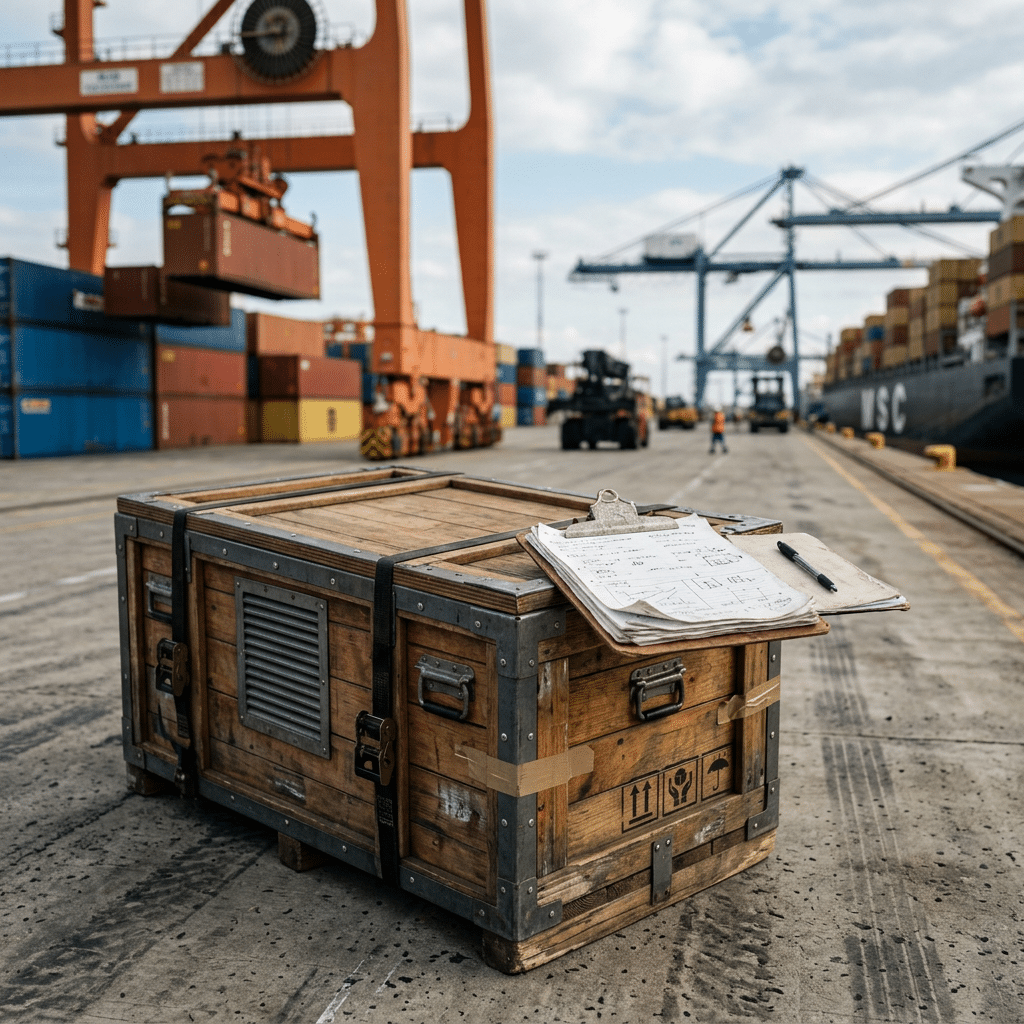
Maritime freight rates from key rubber-producing regions in Southeast Asia are stubbornly high, creating a difficult baseline for any project budget. The listed price is just the beginning. The total acquisition cost for rubber mats is often underestimated, with hidden expenses like expedited freight premiums and inventory carrying costs adding a significant percentage on top. Worsening port congestion and a global imbalance of shipping containers also force exporters to pay premium spot rates, making predictable budgeting nearly impossible.
The Market Squeeze: How Global Demand and Labor Shortages Inflate Costs
The supply-demand gap for rubber continues to widen. A structural shift in demand, led by the electric vehicle industry consuming 30% more rubber per unit, has absorbed massive supply and driven up prices for all rubber-based products. At the same time, global production is falling while demand increases, ensuring price pressures remain high. To make matters worse, key processing hubs face significant labor shortages, creating production bottlenecks that restrict the flow of finished goods even when raw materials are available.
A Logistics Solution That Protects Profit
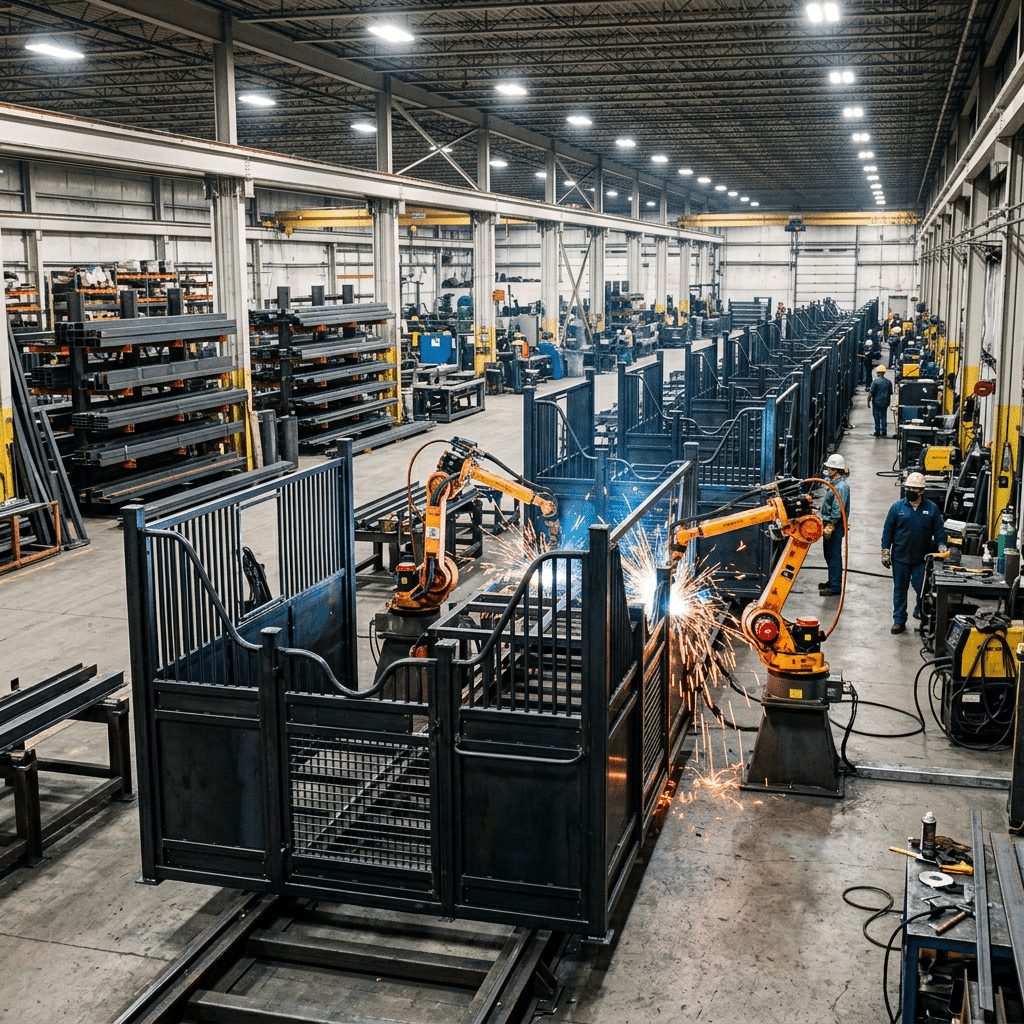
Relying on third-party rubber suppliers exposes your business to these uncontrollable market forces. As an OEM/ODM source factory, we developed a logistics solution to protect our distributors’ profits. Our stable systems ship using a **Steel Pallet Flat-Pack** method. This efficient design allows us to load 30-45 stable sets into a single 40HQ container, a 60%+ freight saving compared to fully-welded alternatives. This efficiency creates valuable, already-paid-for space in the container. Our partners can use this space to co-load high-margin accessories like rubber mats, effectively eliminating their freight cost and insulating their budget from shipping volatility.
DB’s “Profit Protection”: Co-Loading Mats with Steel Flat-Packs
Our “Profit Protection” strategy is designed to maximize the value of every container you import. By engineering our stable systems into high-density steel flat-packs, we create significant empty space in the container—space you can use to co-load other heavy products like rubber stall mats. This turns a logistics challenge into a financial advantage, allowing you to source and ship essential flooring with minimal added freight cost.
Maximizing Freight Value with the Flat-Pack System
Traditional, fully-welded horse stables are bulky and inefficient to ship, fitting only 12 to 15 sets in a 40HQ container. Our steel flat-pack system changes that completely. We designed our stables to pack securely onto steel pallets, enabling distributors to load 30 to 45 sets into the same container. This high-density packing method cuts the per-unit shipping cost by over 60%, directly protecting your profit margins from volatile freight rates. It’s a core part of the value we engineer into our partnership with B2B clients.
The Co-Loading Opportunity: Filling Voids with Flooring
The space saved by our flat-pack stables creates a valuable opportunity. Rubber horse stall mats are essential for animal welfare but are notoriously heavy, dense, and expensive to ship on their own. By co-loading rubber mats into the empty container space alongside our stable panels, you consolidate two separate, costly shipments into one. This approach effectively eliminates the standalone freight expense for your flooring, turning what would be empty, paid-for space into another profitable product line in the same logistics budget.
Minimum Thickness Standards: Never Go Below 17mm
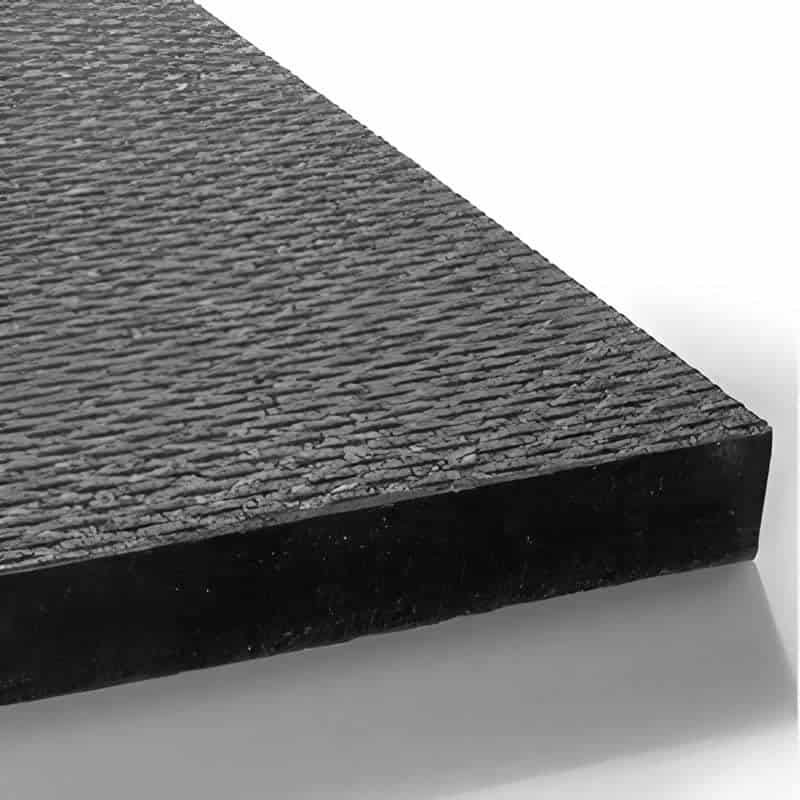
For equine facilities, a rubber stall mat thickness of at least 17mm (approximately 3/4 inch) is the established standard for ensuring animal safety and long-term durability. This thickness provides the necessary shock absorption to protect joints from hard concrete floors and prevents the mat from compressing or ‘bottoming out’ under a horse’s concentrated weight.
Why the 17mm Rule Applies to Equine Environments
A horse concentrates over 1,000 lbs of weight onto the small surface area of its hooves. This immense pressure requires a mat that will not compress completely or “bottom out” under load. Thinner mats, often between 10-12mm, are suitable for human gyms but lack the structural integrity to support an animal of this size, leading to premature wear and a loss of joint support. The 17mm thickness provides the essential shock absorption needed to shield a horse’s joints—from fetlocks to hocks and knees—from the relentless hardness of a concrete subfloor.
Beyond Thickness: Why Mat Density Is Just as Important
While thickness is a critical metric, mat density determines its long-term performance and durability. High-density rubber resists permanent compression, ensuring the mat maintains its supportive structure for years without developing low spots. Low-density or overly so
ft mats can create an unstable surface, forcing a horse’s muscles and tendons to work harder to maintain balance and increasing the risk of soft tissue strain. A dense 17mm mat offers superior resilience against damage from pawing, shod hooves, and the daily scrape of cleaning tools, preventing tears and degradation.
Final Thoughts
Sourcing rubber mats as a standalone product guarantees your profit is lost to freight volatility. Our co-loading system turns that liability into an asset by shipping 17mm commercial-grade mats in space you already paid for. This logistics strategy protects your margin on every container.
Stop absorbing shipping costs and start controlling them. Request a confidential loading plan to see how our flat-pack system and co-loaded mats directly impact your budget. Our team is ready to model your order and define a sourcing strategy for your market.
Frequently Asked Questions
What are the best horse stall mats?
The ‘best’ mat depends on the specific use. Lightweight EVA mats provide excellent cushioning, but heavy-duty, non-porous rubber offers the best durability for most professional stable environments. We recommend high-density rubber for its longevity, ease of cleaning, and superior support for equine joint health. Always select a mat with proven slip-resistance to ensure animal safety.
How can we ship rubber horse mats cheaply?
Shipping dense rubber products by themselves is very expensive. Our “Profit Protection” strategy is designed to solve this for our distributors. We co-load heavy rubber mats into the same container as our flat-pack stable systems. This efficient use of container space helps our partners save over 60% on freight, making it the most cost-effective way to source both stables and flooring.
Do you offer co-loading for containers from your factory?
Yes, we specialize in co-loading supplementary products from our factory in China. Because our steel stables are flat-packed, a 40HQ container has significant unused space and weight capacity. We use this capacity to add heavy items like rubber mats, which protects our B2B clients’ logistics margins and simplifies their procurement by consolidating suppliers.
What’s the difference between interlocking rubber pavers and mats?
Interlocking pavers are ideal for high-traffic areas requiring drainage, such as walkways and wash bays, where their grip is a key safety feature. Solid rubber mats are better suited for the inside of a stall. They provide a seamless, cushioned surface that is simpler to clean and offers uniform support. In short, pavers manage water and traffic, while mats provide stall comfort.
What is the minimum thickness for a horse stall mat?
For a professional and durable installation, the minimum thickness for a horse stall mat should be 17mm (or 3/4 inch). Anything thinner is susceptible to curling, shifting, or tearing under a horse’s weight and movement. This thickness ensures adequate joint support, prevents premature breakdown, and delivers better long-term value for the facility.

 English
  Spanish
  French
  Arabic
  German
0 Comments