


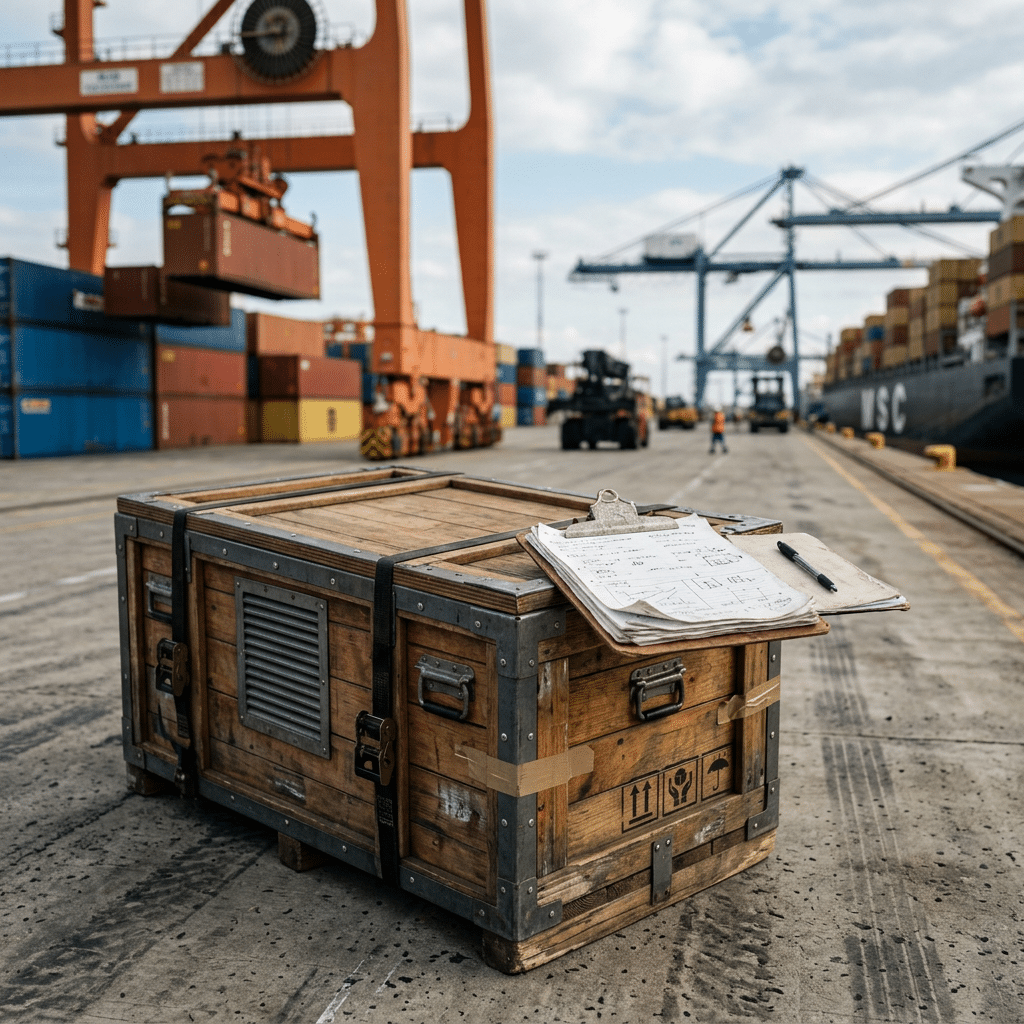
An effective Stallion Barn Design must prevent structural failure, not just contain the animal. Using standard Q235B steel in cold climates exposes a critical weakness: brittle fracture. A powerful kick on a frozen winter morning can shatter a steel tube, leading to catastrophic injury, expensive vet bills, and facility downtime.
This analysis benchmarks safety components against mandatory engineering standards. We evaluate the performance of Q345B low-alloy steel, solid HDPE partitions, and redundant two-step latch systems to define the specifications required for a high-value breeding operation.
The Stallion Factor: Managing Aggression and Strength
Managing stallions requires two things: a controlled social environment to curb aggression and engineered materials strong enough to contain their power safely.
Behavioral Needs vs. Physical Containment
Simply building a stronger box is not an effective stallion management strategy. Research confirms that isolating stallions in single stalls often backfires, increasing aggressive behavior. A more effective approach involves controlled group housing, which can significantly reduce aggression.
A successful management plan combines predictable routines and a calm handler presence with a secure physical environment. The goal is to address the horse’s behavioral needs first, which reduces the physical stress put on the stable equipment itself.
Engineered Resilience: Q345B Steel and Impact-Absorbing Infill
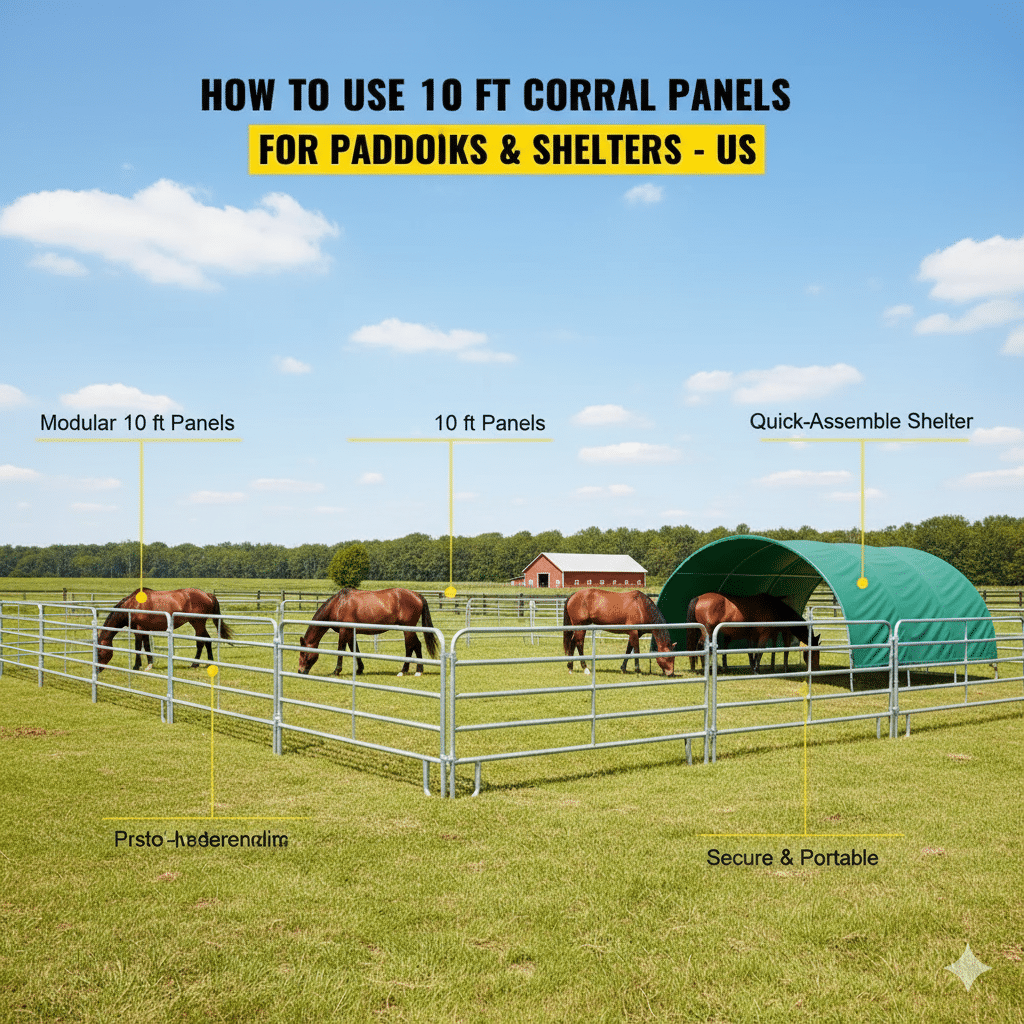
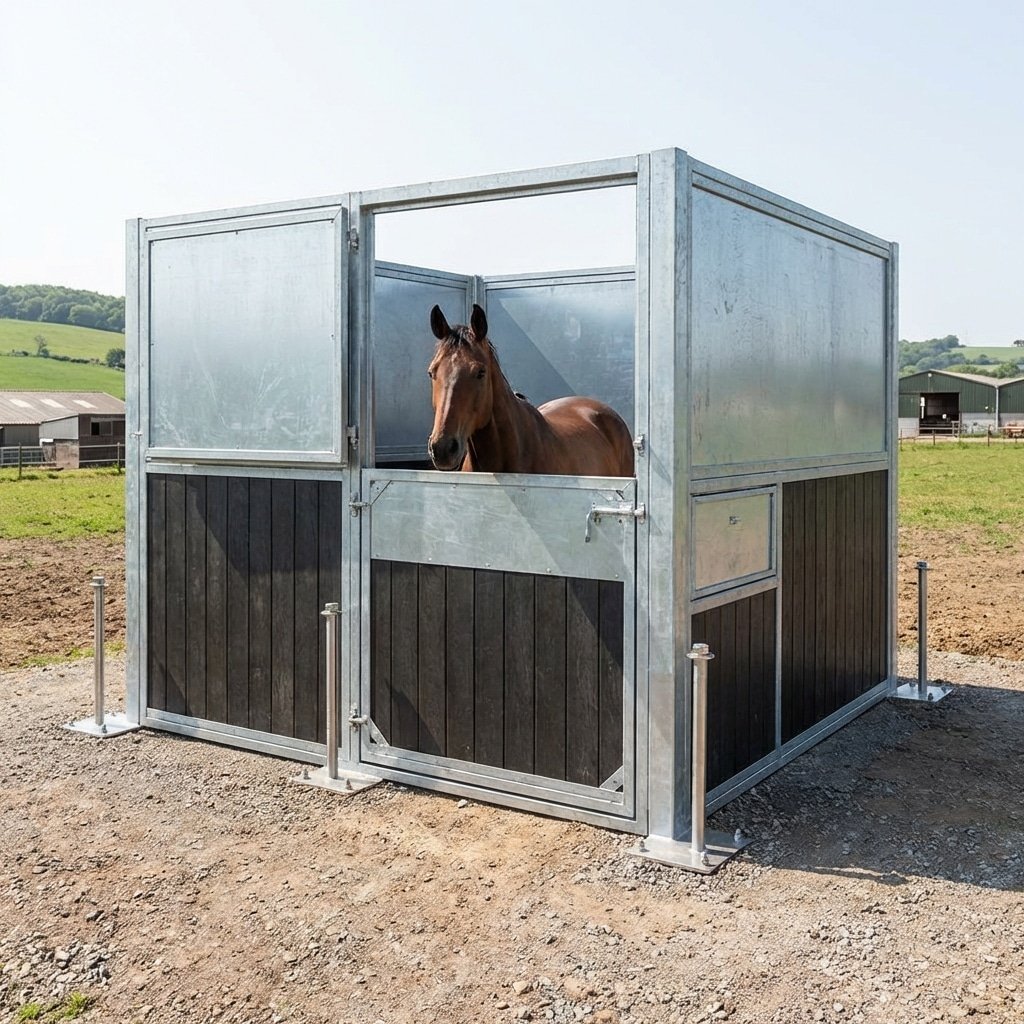
When physical strength is a factor, material choice is critical. For stables in cold climates or for housing particularly powerful animals, we utilize Q345B low-alloy high-strength steel. This material offers superior low-temperature impact toughness, which prevents brittle fractures from powerful kicks during winter.
The steel frame is paired with impact-absorbing HDPE infill planks. This combination of a resilient frame and a forgiving infill is the core of our ‘Kick-Proof Guarantee,’ designed to withstand and dissipate force without failing.
Steel Grades: Why Q235B Fails and Q345B Wins
Q345B steel’s superior strength and low-temperature toughness prevent brittle fractures from horse kicks. It’s the necessary specification for safety and durability in demanding equestrian facilities.
A Comparison of Mechanical Properties
The difference between these two steel grades isn’t minor; it’s fundamental to structural integrity, especially when dealing with powerful animals and harsh weather. One is a basic commodity steel, while the other is engineered for high stress and low temperatures.
| Eigentum | Q235B (Standard Carbon Steel) | Q345B (Low-Alloy High-Strength Steel) |
|---|---|---|
| Minimum Yield Strength | 235 MPa | 345 MPa (47% stronger) |
| Materialzusammensetzung | Basic carbon steel (ASTM A36 Equivalent) | Low-alloy steel with strengthening elements (ASTM Grade 50 Equivalent) |
| Low-Temperature Toughness | Can become brittle and fracture on impact in sub-zero conditions. | Maintains its impact resistance, preventing brittle failure in the cold. |
Our Standard for Cold Climates and Powerful Horses
Standard Q235B steel can perform adequately in temperate regions. But when temperatures drop below freezing, its properties change. A powerful kick that would only dent a panel in the summer can cause a brittle fracture in the winter, creating sharp, dangerous edges. This is an unacceptable risk to the animal and the handler.
For this reason, we specify Q345B as our mandatory ‘Cold Climate Option’ for any project in a region with freezing winters. It’s not an upsell; it’s an engineering requirement. This superior steel is a core component of our ‘Kick-Proof Guarantee’, ensuring the stable frame is engineered to withstand the full force of strong, active horses, regardless of the season.
Langlebige, wetterfeste Ställe – weltweiter Versand

Visual Barriers: The Case for Solid Partitions
Solid partitions create a complete visual barrier, which is critical for managing stallions. This separation reduces stress, prevents aggression, and lets horses eat without distraction, creating a safer barn.
Managing Behavior and Reducing Stallion Stress
The main job of a solid partition is to limit visual contact between horses. For stallions, this isn’t about isolation; it’s about control. Removing the line of sight immediately cuts down on posturing, aggressive displays, and the constant low-level stress that comes from being near a potential rival.
Without visual confrontations, you see a sharp drop in territorial disputes. The kicking, pacing, and charging at walls that damage both the horse and the stable simply stop. This barrier prevents horses from instigating fights, which is fundamental to preventing injuries in a high-value breeding operation.
This separation also allows stallions to eat in peace. Feeding time can be a major source of competition and anxiety. A solid wall ensures a horse can focus on its feed without reacting to competitive signals or intimidation from the next stall over. This leads to better digestion, health, and an overall calmer temperament.
Material Choices for Safety: HDPE and Bamboo
Solid partitions need to be more than just a visual block; they have to withstand serious force. The infill material choice is critical for both safety and longevity.
- HDPE (Polyethylen hoher Dichte): This infill is UV-stabilized to prevent breakdown from sunlight and is engineered to absorb impact. When a stallion kicks it, the material flexes and dampens the force, protecting the horse’s joints. It requires zero maintenance—it doesn’t rot, warp, or need painting.
- Hochdichter, stranggewebter Bambus: This is not standard wood. It has a Janka hardness rating over 3000 lbf, which is three times harder than oak. It’s incredibly dense and resistant to rot, moisture, and insects, making it an ideal choice for facilities that demand extreme durability without compromising on a traditional look.
Defeating the “Escape Artist”: Two-Step Heavy Duty Latches
A two-step latch system uses two independent locking points to contain strong or intelligent horses. This redundancy is essential, as it prevents them from manipulating a single latch and escaping.
Layered Security: The Principle of Redundant Locking
A single sliding bolt is not enough for a clever or determined horse. Many learn to jiggle, lift, or slide a simple latch with their lips or teeth. A two-step system adds a s
econd, independent lock that requires a different action to open. This might be a spring-loaded pin that must be pulled while the main bolt is slid.
This layered approach creates redundant security. The horse cannot defeat both mechanisms at once. For professional equestrian facilities, especially those housing valuable stallions, this isn’t a luxury; it’s a fundamental safety requirement to prevent escapes and injuries.
Material Integrity: Using 304 Stainless Steel for Latch Hardware
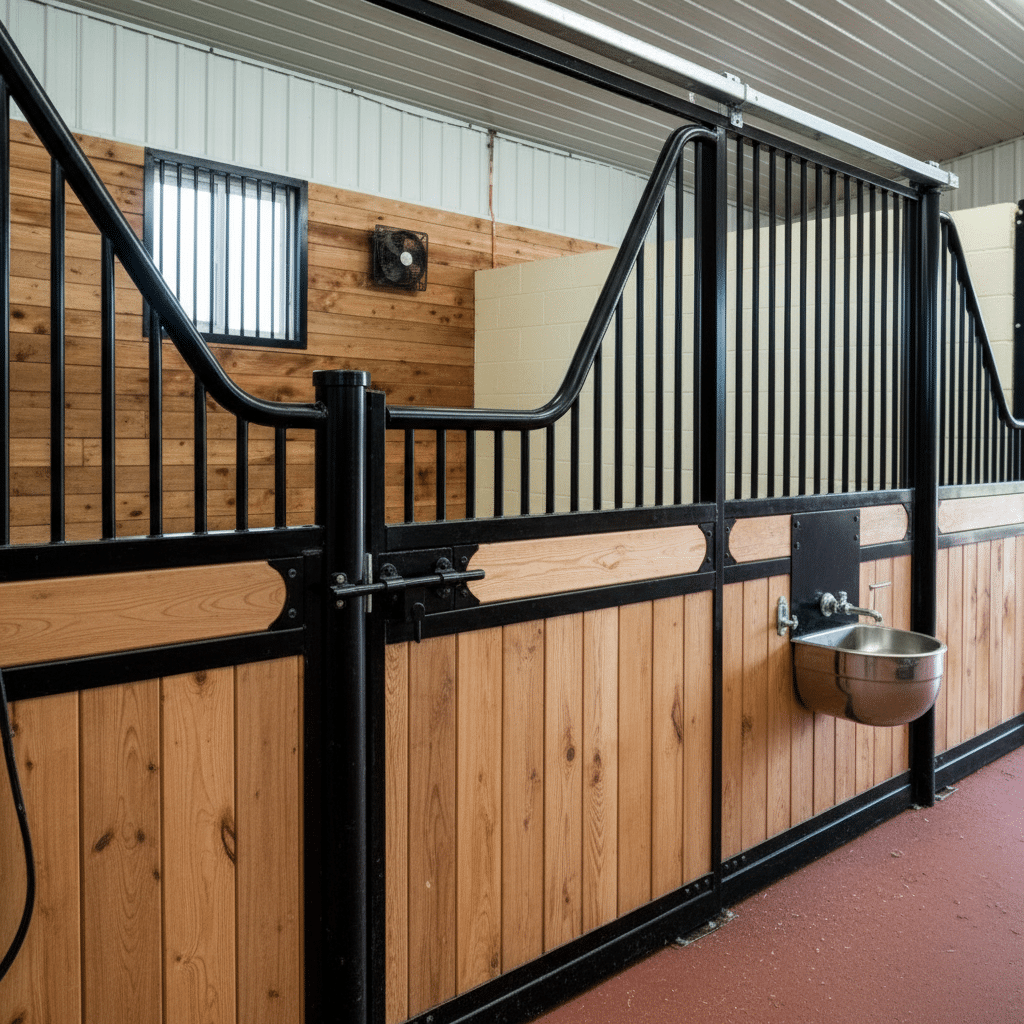
A well-designed latch is useless if its materials fail. Barn environments are harsh, with constant exposure to moisture and ammonia from urine, which aggressively corrodes standard steel. This is why our hardware kits use 304 Stainless Steel components for all connectors, bolts, and screws.
This specific grade of steel provides excellent resistance to rust and corrosion. It ensures the latch operates smoothly year after year without seizing up or weakening. A latch that doesn’t bind is a latch that gets used correctly every time, maintaining the security of the stall.
Feeding Safety: External Swivel Feeders
External swivel feeders are rotating systems built into the stall front. They let staff fill feed pans from the aisle, eliminating stall entry and dramatically improving handler safety.
Minimizing Risk by Feeding from the Aisle
The fundamental safety benefit of an external feeder is simple: it separates the handler from the horse. Staff can deliver grain and supplements from the barn aisle without ever having to unlatch the door or step inside. This design prevents a common point of conflict where a horse m
ight crowd, push, or interfere with the person feeding. The stall door remains securely latched throughout the process, a critical feature when managing high-energy animals, stallions, or horses with behavioral issues.
Secure Latches and Corrosion-Resistant Materials
A feeder’s design details determine its long-term safety and reliability. These systems feature a spring-loaded latch that is difficult for a horse to manipulate from inside the stall, preventing them from opening the feeder themselves. The feeder pan is constructed from rust-proof materials like cast aluminum or stainless steel to ensure hygiene and longevity in a demanding barn environment. The entire unit integrates directly into the stall’s hot-dip galvanized steel frame, providing the same structural integrity and corrosion resistance found in the rest of the stable system.
Häufig gestellte Fragen
What is the recommended steel thickness for stallion stalls?
The minimum standard for stallion stalls is 14-gauge steel. Our systems use 14-gauge (2.0mm – 2.5mm) Q235B or Q345B structural steel, which provides the necessary strength to withstand kicks and impacts. We never use tubing thinner than 2.0mm to ensure safety and long-term durability.
How high should stallion stall walls be?
Stallion stall partitions should be at least 8 feet high. This height is critical because horses can kick as high as 7 feet, and an 8-foot wall prevents them from getting a leg over the partition, which could cause serious injury.
Are solid partitions better for stallions?
Yes, solid partitions are highly recommended for stallions as they provide a visual barrier that reduces stress, aggression, and fighting between horses. Our HDPE and high-density bamboo infill options create a full privacy wall, though we also offer grilled tops to balance privacy with ventilation.
How does stable design help in feeding aggressive horses safely?
Proper stable design creates a safe barrier between you and the horse during feeding. Our Professional Series stables feature external swivel feeders, allowing you to place feed and water from the aisle without entering the stall. This completely eliminates the risk of being kicked or crowded by a food-aggressive horse.
What is Hot-Dip Galvanization and why is it important?
Hot-dip galvanization is a rust-protection process where the fully welded steel frame is dipped into molten zinc. This creates a thick, durable coating (over 70-85 microns) that protects against rust for decades. Unlike cheaper pre-galvanized tubes that have exposed welds, our ‘Hot-Dip After Fabrication’ method ensures every surface, corner, and weld is sealed.
Abschließende Überlegungen
While basic stalls seem cheaper, a single brittle fracture from standard steel in winter can destroy a dealer’s reputation. Our mandatory Q345B specification and Hot-Dip Galvanization are not features; they are liability insurance for your business. This engineering focus is what separates a professional supplier from a commodity trader.
Verify our engineering claims for yourself. Request our technical catalog or a sample hardware kit to review the finish and 304 stainless steel components firsthand. Our team is ready to prepare a quote for your next project or discuss OEM branding requirements.

 German
  English
  Spanish
  French
  Arabic
0 Kommentare