


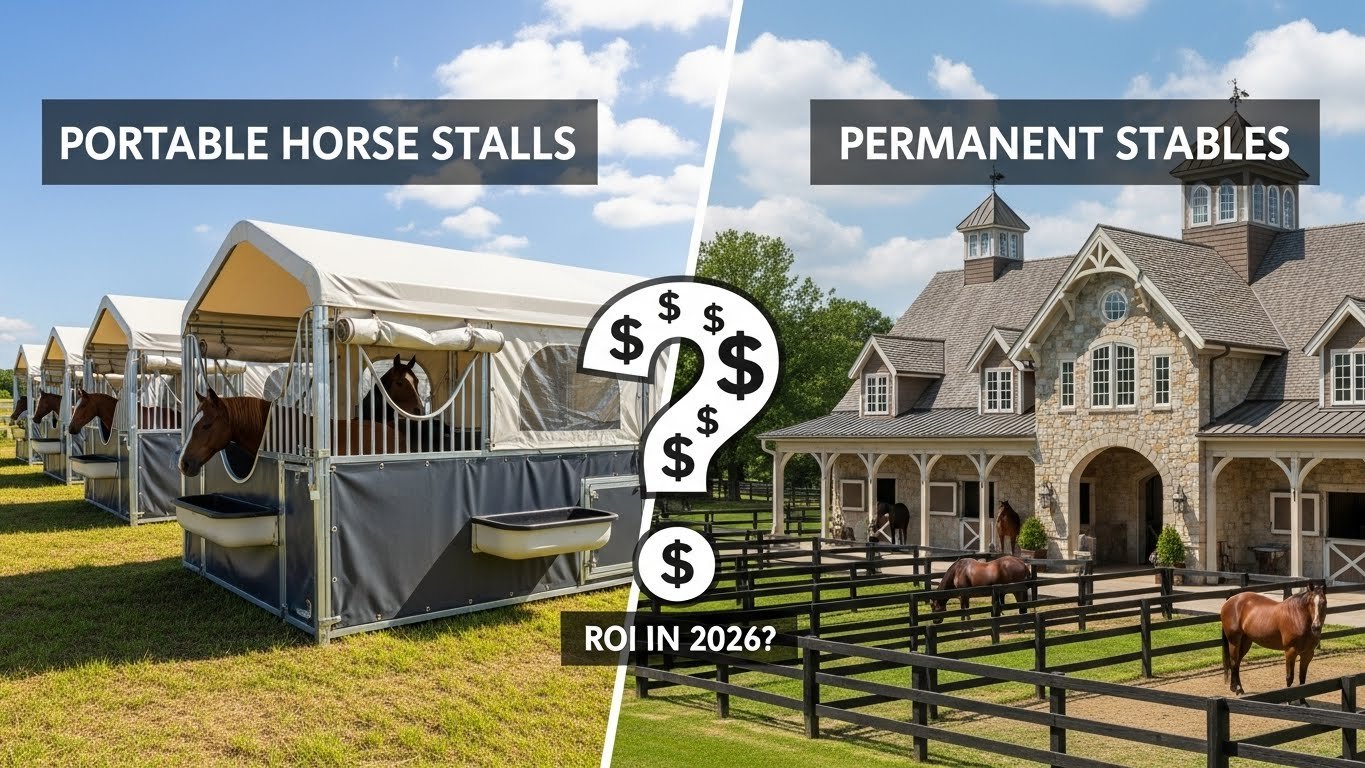
Investing in portable horse stalls creates a liquid asset rather than a sunk cost, fundamentally shifting the ROI calculation for rental operators. While traditional masonry traps capital in groundworks and permitting delays, modular steel systems reduce upfront CapEx by 80% and allow immediate revenue generation.
This analysis benchmarks ROI potential against the ISO 1461 Hot-Dip Galvanization standard and Q345B structural steel metrics. We examine how shifting from volume-based to weight-based flat-pack logistics impacts your margin buffer, helping you determine if a modular fleet offers the scalability your business model requires.
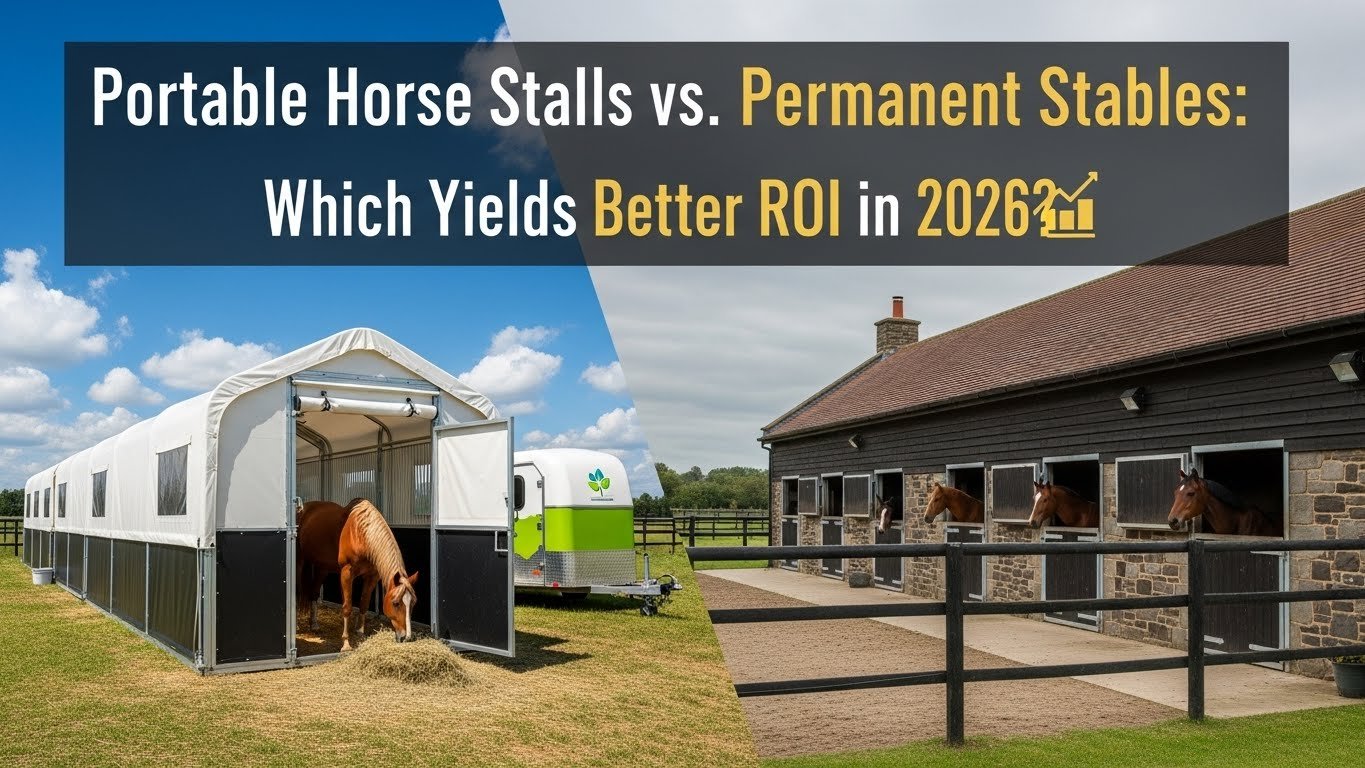
How Do Portable and Permanent Stables Compare Side-by-Side?
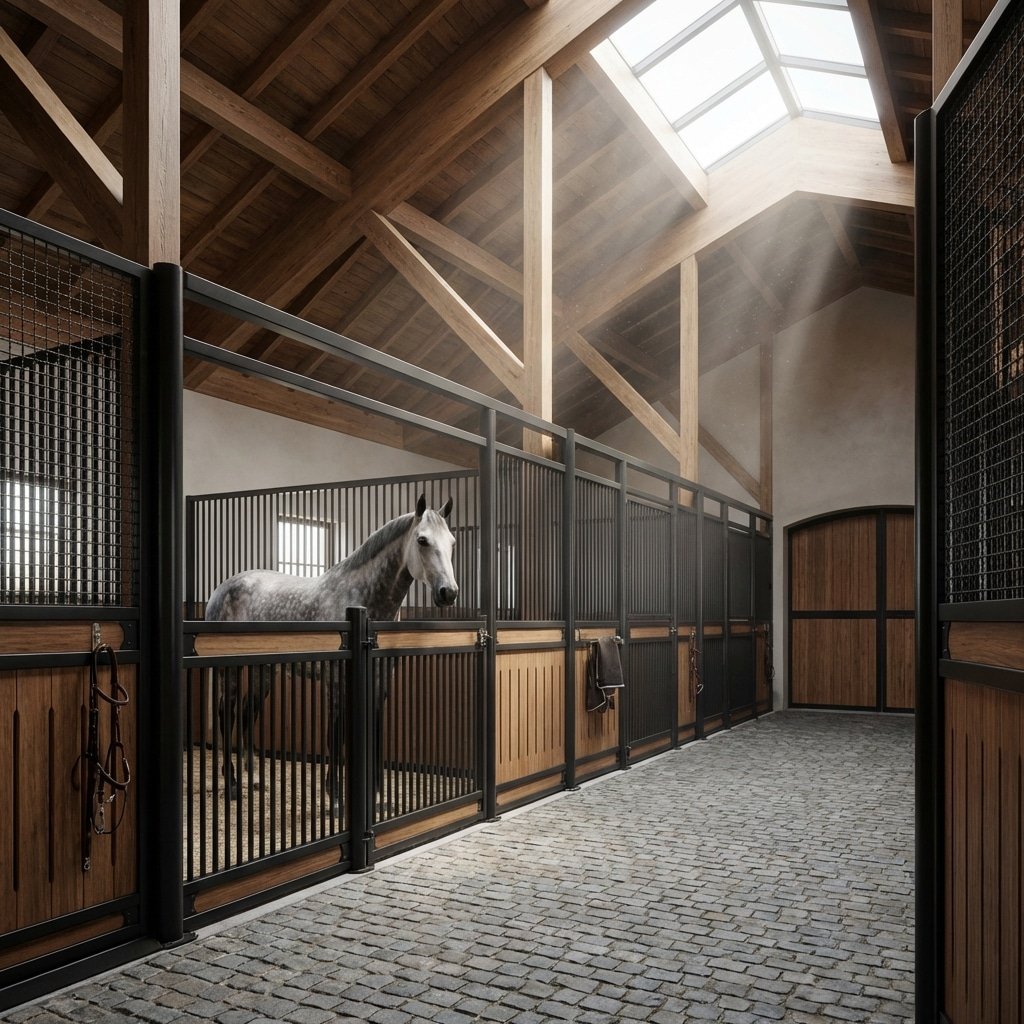
Portable systems match the structural integrity of permanent builds through galvanized steel while bypassing the heavy costs of concrete foundations and planning permits.
Installation Complexity and Regulatory Compliance
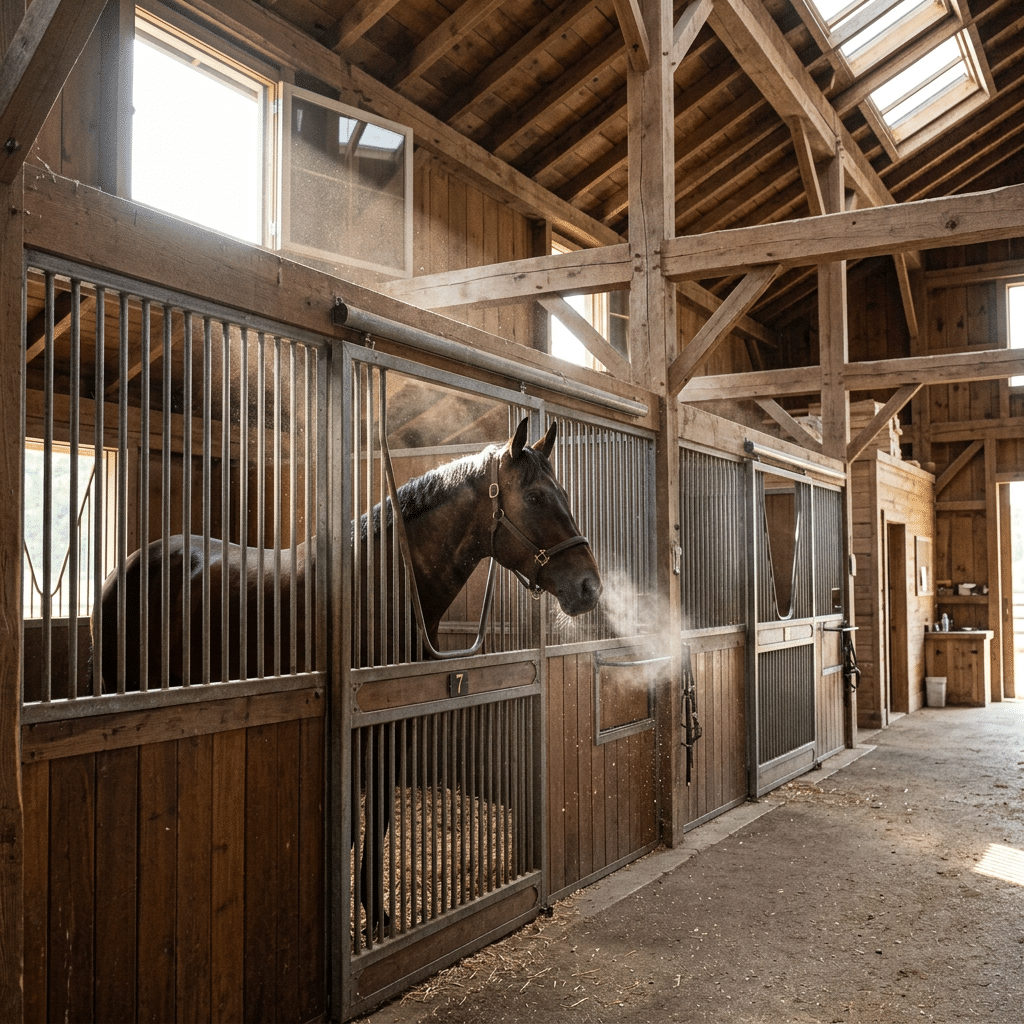
Traditional permanent barns are construction projects, not product purchases. They trap capital in groundworks, architectural fees, and compliance hurdles. You need council permits, stamped engineering drawings, and poured concrete footings before the first brick is laid. This process eats months of operational time and creates a fixed asset you cannot move if your business model changes.
Portable systems operate under a completely different logic. Most jurisdictions classify them as “agricultural equipment” rather than permanent structures, often bypassing strict Bauvorschriften. Assembly happens rapidly on compacted gravel, pavers, or existing concrete pads. This speed reduces labor costs significantly and allows for immediate asset utilization.
Material Performance: Hot-Dip Galvanized Steel vs. Conventional Builds
Wood rots, block cracks, and painted steel rusts. Conventional masonry or timber builds require constant maintenance to combat moisture and physical abuse. Horses chew soft wood, and unsealed masonry absorbs urine and bacteria. Our approach replaces these vulnerable materials with industrial-grade steel designed for abuse.
- Rust Protection: We use Hot-Dip Galvanization After Fabrication (BS EN ISO 1461). Unlike pre-galvanized competitors, we weld the black steel first, then dip the entire frame to seal every joint against corrosion.
- Structural Integrity: Frames are built from Q235B or Q345B Structural Steel with a strict minimum wall thickness of 14-Gauge (2.0mm). This provides a “Kick-Proof Guarantee” that standard masonry blocks cannot offer.
- Maintenance Profile: HDPE infill ensures zero maintenance. It resists impact, does not splinter, and cleans with a pressure washer.
Why Does Flat-Pack Shipping Save You 60% on Freight?
Freight costs are driven by volume. Traditional welded Stände ship “air,” limiting containers to 12 sets. Our flat-pack system fits 45 sets, reducing per-unit Versand costs by over 60%.
| Logistics Metric | Traditional Welded Stalls | DB Steel Pallet Flat-Pack |
|---|---|---|
| Container Capacity (40HQ) | 12 – 15 Sets | 30 – 45 Sets |
| Freight Efficiency | Low (Pays for “Air”) | High (Pays for Steel) |
| Unloading Method | Loose / Manual Handling | Forklift (Steel Pallet) |
| Cost Impact | Base Rate | 60% Savings Per Unit |

The Hidden Cost of Shipping “Air” (Volumetric Weight)
Logistics is often the silent profit killer in the heavy steel trade. Shipping lines calculate costs based on volume (CBM) just as much as dead weight. When you import fully welded stalls, you essentially pay to ship 2,000 cubic feet of empty air across the ocean. The rigid structure of a pre-welded stall creates massive “dead space” inside the container that cannot be utilized for other cargo. A standard 40HQ container hits its volume limit with only 12 to 15 welded sets, which dramatically spikes the landed cost per stable.
Maximizing Capacity with the DB Steel Pallet System
We engineered the Steel Pallet Flat-Pack system specifically to eliminate this inefficiency. By breaking the stable down into modular components—frames, infills, and hardware—we stack them into high-density units. This method moves the logistics calculation from volume-based to weight-based, ensuring you get maximum utility from every container.
- High-Density Loading: We fit 30-45 sets per 40HQ container, compared to the industry average of 15.
- Zero Loose Loading: Components are strapped to steel pallets, preventing transit damage and enabling safe forklift unloading.
- Profit Protection: Lower freight costs per unit directly increase your margin buffer against market fluctuations.
This approach ensures distributors pay for product transport, not empty space. The savings generated here often exceed the profit margin on the steel itself, making logistics optimization a critical component of your procurement strategy.
Can Portable Stalls Really Withstand Heavy Use? (Q235B vs Q345B)
Standard Q235B steel suits general use, but professional facilities require Q345B low-alloy steel to ensure structural integrity and prevent brittle fractures under heavy impact.
The Engineering Difference: Q235B vs. Q345B Structural Steel
Many buyers wrongly assume “portable” implies “temporary” or “weak.” Structural failure usually stems from the steel grade and wall thickness, not the portability of the design. We strictly prohibit tubing thinner than 2.0mm (14-Gauge), but the chemical composition of the steel defines its yield strength.
- Q235B (Standard): The industry baseline, equivalent to ASTM A36. Ideally suited for general stable applications, quarantine units, and standard rental operations.
- Q345B (Heavy Duty): A Low Alloy High Strength Steel equivalent to ASTM Grade 50. This material offers higher yield strength and is the standard for our Professional Series.
- Wall Thickness: Regardless of grade, we maintain a strict 14-Gauge (2.0mm – 2.5mm) standard. Thinner profiles used by budget competitors compromise the weld integrity.
The “Kick-Proof” Standard: Impact Resistance in Cold Climates
Steel behavior changes drastically in freezing conditions. Standard carbon steel can become brittle and prone to “snapping” under sudden impact when temperatures drop. This presents a safety risk if a horse kicks the frame during winter.
Our Professional Series utilizes Q345B specifically to mitigate this risk. The alloy composition provides superior low-temperature impact toughness. This ensures the frame absorbs the kinetic energy of a kick rather than buckling or fracturing. For riding schools and training centers where safety liabilities are a primary concern, this material upgrade is non-negotiable.
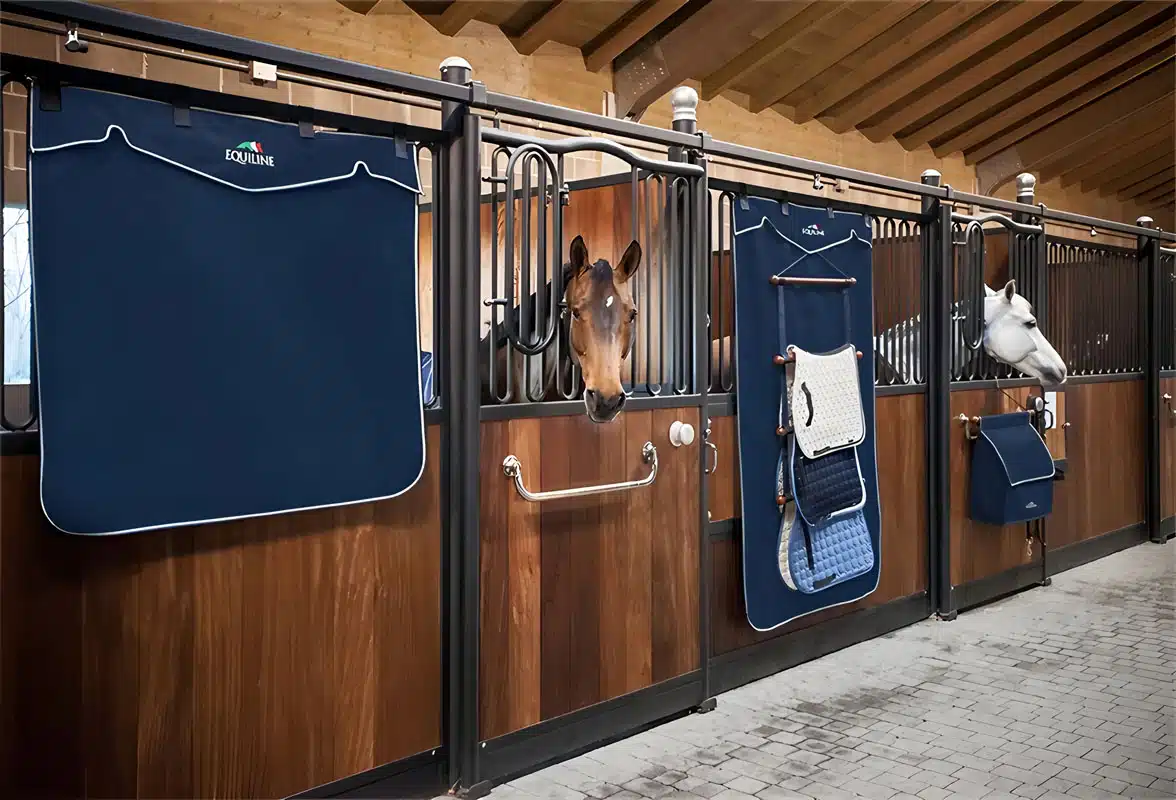
Engineered for Safety and 20-Year Durability
Which Option Yields the Highest ROI for Rentals?
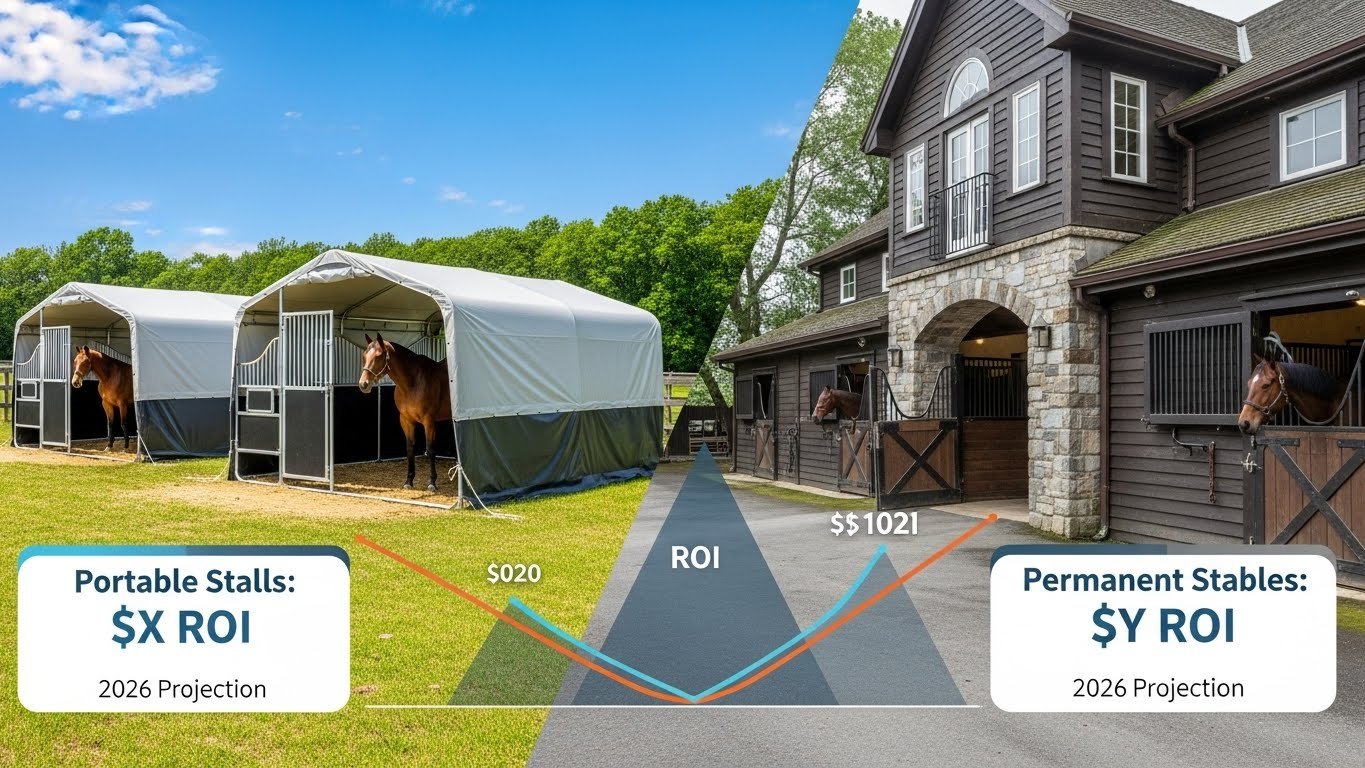
Portable stables maximize ROI by cutting CapEx 80% and utilizing zero-maintenance HDPE infill, allowing rental operators to break even months faster than permanent builds.
Capital Efficiency and Asset Mobility
For rental businesses and event organizers, the financial math overwhelmingly favors portable systems. Traditional permanent barns operate as sunk costs; you pour concrete, build the structure, and the asset value remains trapped in that specific location. Portable units function as liquid assets. You can relocate them to chase demand—from summer equestrian festivals to winter quarantine stations—or sell them to recover 60-80% of your initial investment.
| ROI Metric | Portable Economy Series | Permanent Construction |
|---|---|---|
| Entry Cost (CapEx) | Low ($500 – $1,500 per unit) | High ($5,000 – $10,000 per unit) |
| Maintenance (OpEx) | Zero (HDPE Infill, No Paint) | High (Wood treatment, Painting) |
| Asset Liquidity | High (Sellable, Relocatable) | None (Fixed to real estate) |
| Depreciation | Equipment (Faster write-off) | Structure (Long-term schedule) |
This 80% reduction in upfront capital expenditure (CapEx) accelerates the break-even timeline significantly. A rental operator investing in 20 portable stalls ties up approximately $20,000 to $30,000, compared to the $100,000+ required for a permanent facility. The lower barrier to entry frees up cash flow for marketing and operations, rather than burying it in foundations and permits.

The Economy Series: Minimizing OpEx with HDPE
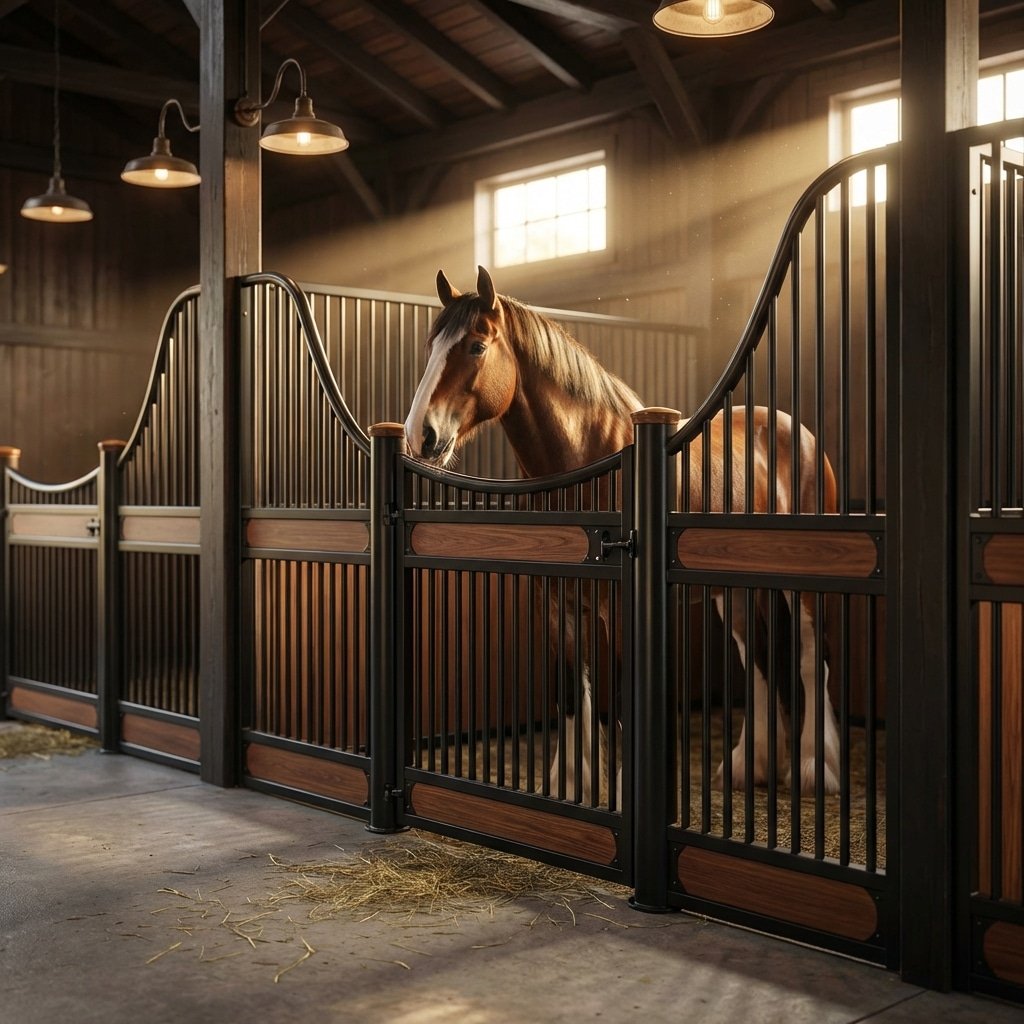
We engineered the DB Stable Economy Series specifically for high-turnover rental environments where durability meets cost-control. Unlike private barns where aesthetics might prioritize wood, rental units require materials that withstand abuse without constant repair labor. We utilize Q235B structural Stahl und HDPE to ensure the asset survives frequent transport and aggressive animal behavior.
- Zero Maintenance Infill: 28mm-32mm UV-stabilized HDPE requires no painting, resists rot, and withstands impact without splintering.
- Rust Defense: Frames undergo Hot-Dip Galvanization After Fabrication (ISO 1461), achieving >70 micron zinc coating to prevent corrosion during outdoor storage.
- Structural Integrity: We strictly use 14-Gauge (2.0mm – 2.5mm) wall thickness for all tubing, rejecting the industry-standard 1.5mm that fails under kick stress.
- Logistics Margin: The flat-pack design allows 30-45 sets to fit in a single 40HQ container, reducing freight costs by over 60% compared to fully welded alternatives.
Abschließende Überlegungen
Permanent builds trap capital in the ground, whereas our portable Q345B systems function as liquid assets that retain 60-80% of their value. Relying on Hot-Dip Galvanization After Fabrication (ISO 1461) guarantees your inventory survives aggressive rental use without the profit-draining maintenance of timber or masonry. This strategic shift from fixed real estate to mobile equipment maximizes operational flexibility and drastically accelerates your break-even timeline.
Stop paying to ship empty air; leverage our Steel Pallet Flat-Pack system to load up to 45 sets per container and slash your landed costs by over 60%. We invite you to request a detailed landed cost analysis or a trial kit to verify our heavy-duty weld integrity firsthand. Contact our engineering team today to configure a high-margin fleet tailored to your specific logistics requirements.
Häufig gestellte Fragen
Can portable stalls really withstand heavy kicks from aggressive horses?
Yes, but only if the steel grade matches the application. Unlike lightweight pipe panels that buckle under impact, our Professional Series uses Q345B Low Alloy High Strength Steel (equivalent to ASTM Grade 50) with a strict 14-gauge (2.5mm) wall thickness. This specific metallurgy provides superior impact toughness, preventing brittle fractures even when a large warmblood kicks out in freezing temperatures.
How many portable stalls can fit in a 40HQ container?
This is a massive logistical advantage for distributors. Using our proprietary Steel Pallet Flat-Pack system, we load between 30 to 45 complete stall sets into a single 40HQ container. Traditional fully welded frames cap out at 12-15 sets, meaning our flat-pack system effectively reduces your per-unit shipping cost by over 60%.
Do I need a building permit for portable stables?
In many jurisdictions, portable stables without permanent concrete foundations fall under “agricultural equipment” or “temporary structures” rather than permanent buildings. We utilize HS Code 7308.90 to support this classification, which often exempts the structures from complex permitting. You should always check your local council’s specific zoning regulations, but the process is generally far simpler than building a permanent barn.
Can these portable units be used as permanent loose boxes?
Absolutely. While they offer portability, we engineer these stables for permanent use. The defining factor is our “Hot-Dip Galvanization After Fabrication” process (ISO 1461 standard). We weld the black steel first, then dip the entire frame to coat it inside and out with >85 microns of zinc. This protection prevents rust for decades, far outlasting the pre-galvanized tubing used by cheaper temporary panel manufacturers.
Do galvanized steel stables hold their resale value?
Yes, they typically retain 60-80% of their value. Unlike timber structures that rot and become “sunk costs,” a modular galvanized stabiles System is a movable asset. The durability provided by the ISO 1461 zinc coating and rot-proof HDPE/Bamboo infills ensures the equipment remains visually and structurally sound for resale, even after years of active use.

 German
  English
  Spanish
  French
  Arabic
0 Kommentare