


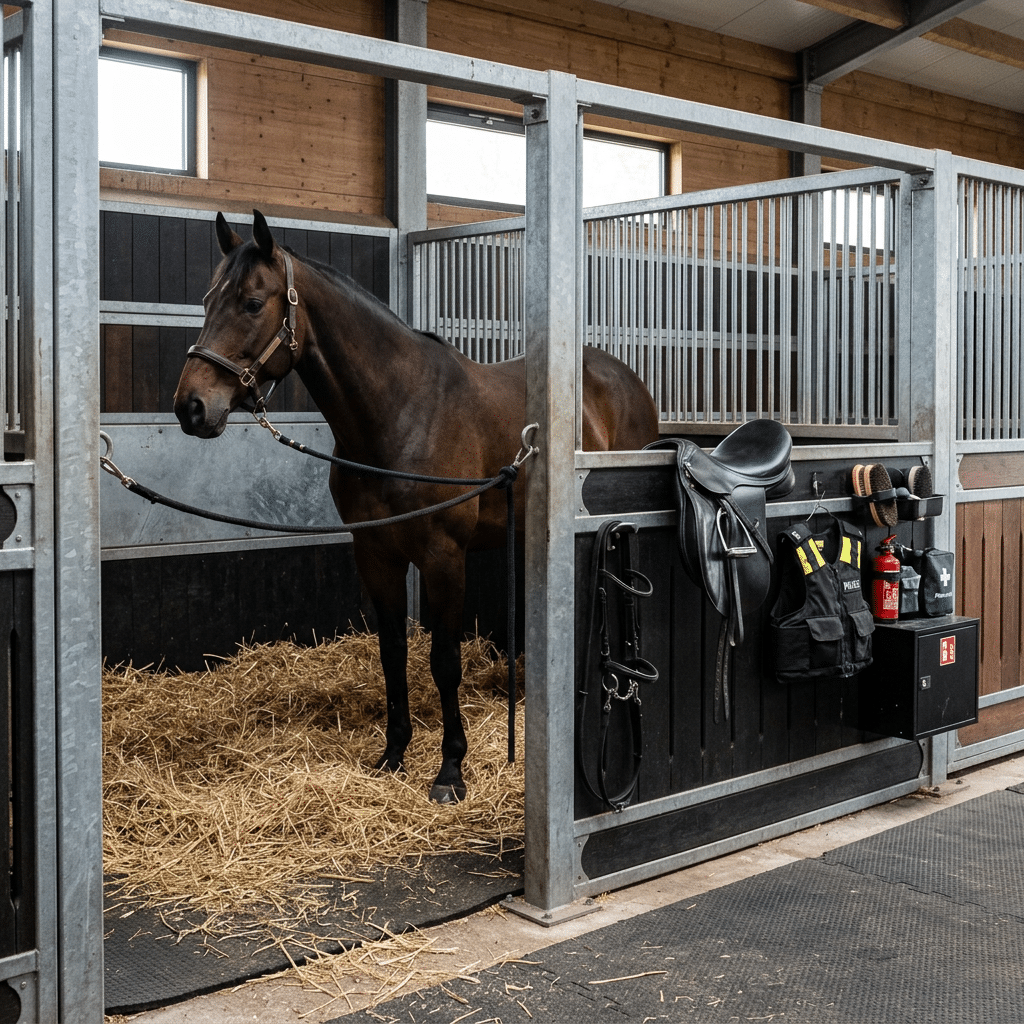
Fire Safety (NFPA) compliance for animal housing is defined by material specification, not just alarms. Specifying a combustible wood frame is a critical engineering oversight that dramatically increases a building’s fuel load. This choice elevates the risk of total loss and exposes architects and insurers to significant liability.
This engineering analysis benchmarks materials against NFPA 150’s core goal of fuel load reduction. We evaluate how non-combustible Q235B steel frames and reliable 304 stainless steel egress hardware provide a direct path to compliance and risk mitigation.
Understanding NFPA 150: Fire and Life Safety in Animal Housing
NFPA 150 sets fire protection standards for animal housing, mandating sprinklers and non-combustible materials because animals cannot evacuate themselves during a fire.
| Safety Requirement | NFPA 150 Specification | Contribution of Steel Construction |
|---|---|---|
| Active Fire Suppression | Mandates quick-response sprinklers and 2-A:10-B:C rated fire extinguishers at entrances and within a 50-foot travel distance. | Supports active systems by not contributing fuel, allowing suppression efforts to be more effective. |
| Fuel Load Reduction | Aims to minimize fire spread by controlling combustible materials, which is the core principle of the code. | Steel is non-combustible. Replacing a wood frame with steel dramatically reduces the building’s total fuel load. |
| Strukturelle Integrität | Requires a safe environment for animal occupants, human handlers, and emergency responders, which relies on structural stability. | Steel maintains its structural integrity longer at high temperatures, providing critical time for evacuation where wood structures would fail. |
Core Goals and Requirements of the Code
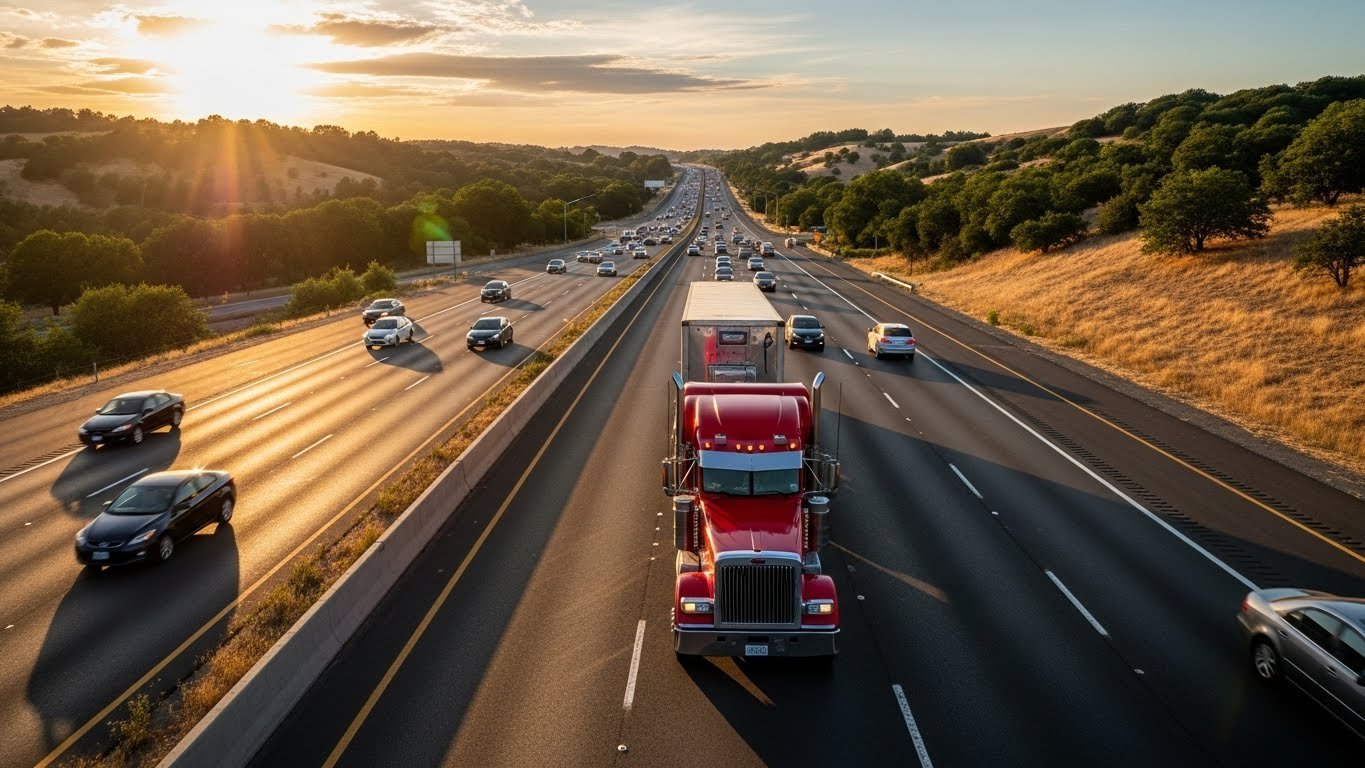
The main goal of NFPA 150 is to create a safe environment for animals, their handlers, and any emergency responders on site. It recognizes that animals can’t self-evacuate and sets specific fire protection rules for facilities like barns and stables. The code applies to all new construction projects and any major modifications to existing structures.
For most horse facilities, the code specifies mandatory fire protection equipment:
- Fire Sprinklers: Quick-response fire sprinklers must be installed throughout the structure.
- Fire Extinguishers: A minimum 2-A:10-B:C-rated fire extinguisher is required at every entrance and must be accessible within a 50-foot travel distance anywhere inside.
The Role of Non-Combustible Steel Construction
Using steel for the structural framework directly addresses NFPA 150’s goal of minimizing fire risk. A building’s “fuel load” is the total amount of combustible material available to burn. In a traditional barn, the wood frame itself is a massive source of fuel. Switching to steel eliminates this primary fuel source.
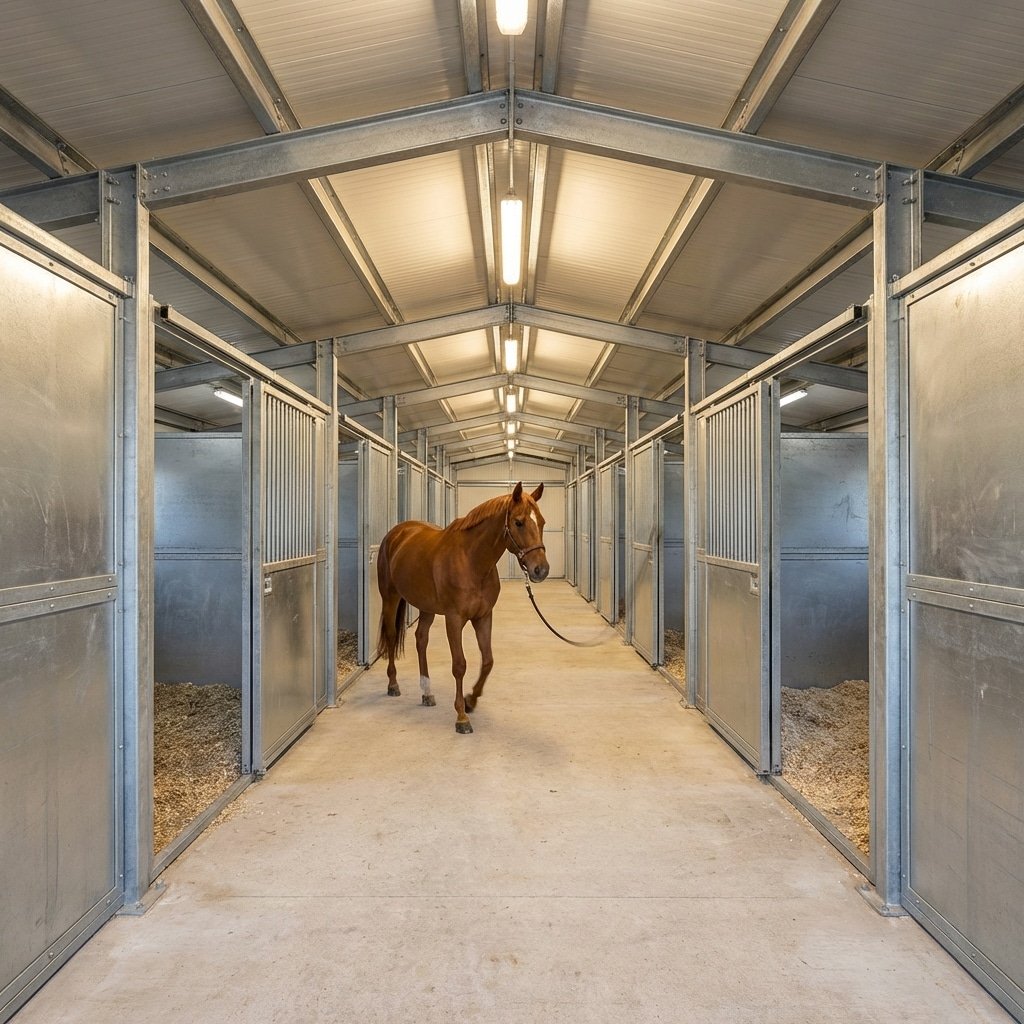
Our DB Stable systems use non-combustible Q235B and Q345B structural steel frames. This design choice fundamentally limits a fire’s ability to spread. Steel also maintains its structural integrity at high temperatures far longer than wood, which can fail quickly. This added stability provides more time for a safe evacuation for both people and animals.
The Fuel Load: Eliminating Wood Framing
Wood framing acts
as a massive fuel source in a barn fire. Replacing it with a noncombustible steel framework removes the primary accelerant, making the structure fundamentally safer.
Understanding Fuel Load in Barn Construction
Fuel load is the total amount of combustible material inside a building. In a horse barn, traditional wood construction—the studs, joists, and partitions—represents a significant fuel source that can rapidly escalate a fire. Research shows that burning wooden joists quickly spreads flames to other parts of the structure. This is a critical risk that noncombustible materials simply don’t present.
The Noncombustible Steel Framework Advantage
DB Stable systems are built with Q235B and Q345B structural steel frames. This material is inherently noncombustible. This design choice isn’t an upgrade or a special feature; it’s a core principle that eliminates the primary fuel source found in wood-framed stables. Using a steel structure directly addresses a critical fire safety variable by minimizing combustible materials, which helps contain a fire and improve overall safety.
Invest in Stables Built to Last Decades
Smoke Toxicity: Testing HDPE vs. Treated Timber
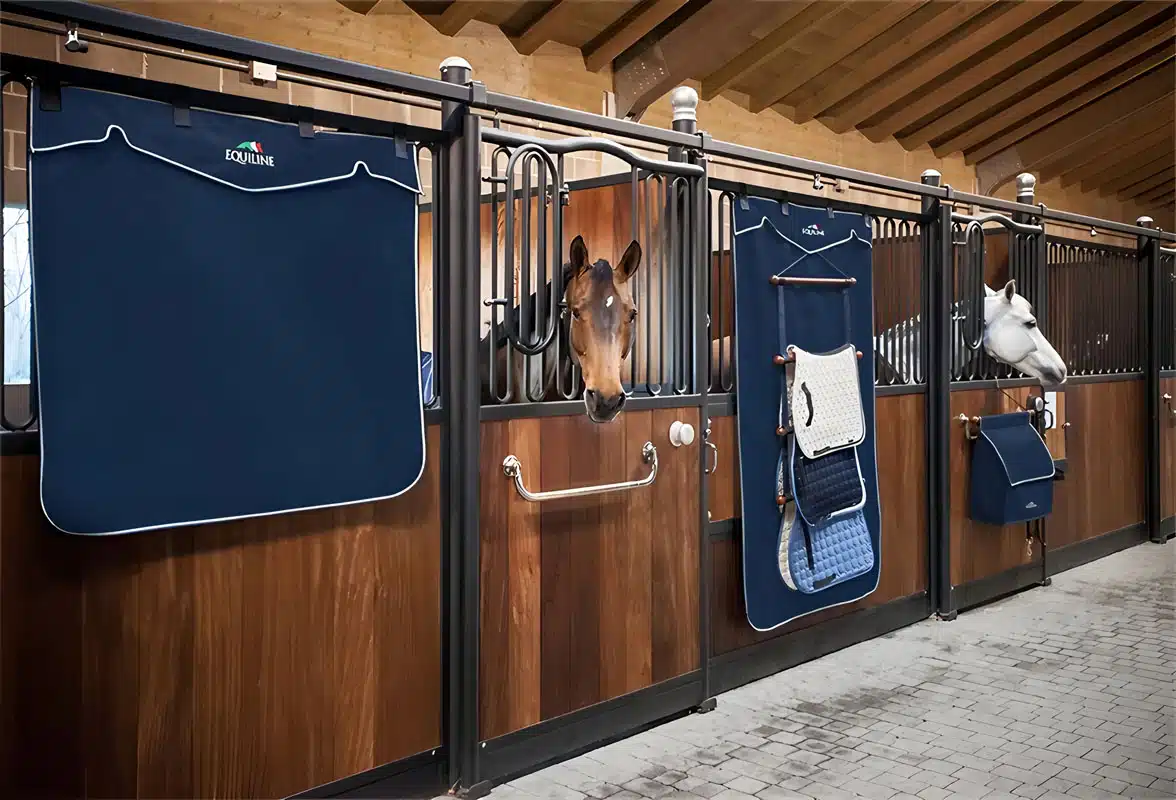
Smoke from treated timber can release highly toxic chemicals from its preservatives. High-Density Polyethylene (HDPE) produces irritating smoke but avoids these specific chemical hazards, making it a more stable material.
The Chemical Hazard of Burning Treated Timber
Burning pressure-treated wood is a completely different risk than burning natural lumber. Older wood, often treated with chromated copper arsenate (CCA), releases highly toxic chemicals like arsenic directly into the smoke and ash during a fire. This chemical release creates an immediate life-safety risk for both animals and first responders, far exceeding the hazards of smoke from untreated materials.
HDPE: A Stable Material Without Added Chemical Risks
For stable infill, DB Stable specifies 28mm UV-stabilized HDPE, a material that contains no chemical preservatives. While any burning plastic produces smoke, HDPE’s combustion profile is predictable. It avoids the specific, acute toxicity hazards associated with burning chemically-treated lumber. This provides a more stable and known safety baseline in a barn fire scenario.
Rapid Evacuation: Why Sliding Doors Can Fail in Fires
Sliding doors are a liability in fires. Tracks get blocked, heat warps the mechanism, and power loss disables sensors. Simpler, manual hinged doors are a safer choice.
Track and Sens
or Vulnerabilities in a Fire
Sliding doors depend on a clean track and a reliable power source to function. In a barn fire, both are immediately compromised. This isn’t theoretical; it’s a predictable point of failure that can trap animals when seconds matter. Debris, warped metal, and dead electronics turn a convenient feature into a fatal barrier.
- Obstructed Tracks: Fallen timber, hay, or other debris can instantly jam the door’s rollers, making it impossible to open manually or automatically.
- Heat Warping: Intense heat from a fire will warp the metal tracks and rollers. Even slight deformation is enough to seize the entire mechanism.
- Power Loss: Fires often cause immediate power failure. This disables the automatic sensors and motors, rendering the door inoperable unless it has a purely mechanical override that hasn’t also been compromised.
The Advantage of Simple Hinged Door Systems
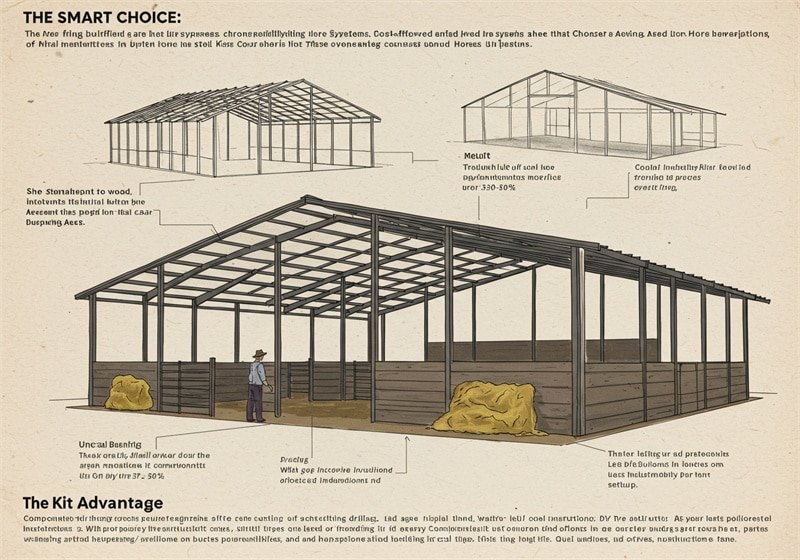
In an emergency, complexity is the enemy. A hinged door offers a reliable, low-tech solution that bypasses the critical failure points of sliding systems. Its design prioritizes function over form, which is exactly what’s needed for a dependable emergency exit.
- Robust Mechanism: Hinged doors operate on a simple pivot. They are far less susceptible to jamming from debris on the ground.
- No Electrical Dependence: They require no power, ensuring they can always be operated manually by staff or first responders.
- Durable Hardware: When paired with high-quality hardware, like the 304 Edelstahl components included in our kits, they provide a consistently reliable exit path under extreme conditions.
The Lifesaver: 304 Stainless Plunger Latches
A seized latch traps animals during a fire. 304 stainless steel plunger latches resist corrosion, ensuring doors open quickly for safe evacuation. It’s a non-negotiable safety feature.
Latch Reliability for Emergency Egress
During a fire, the ability to get animals out quickly is everything. A latch that sticks, bends, or fails to open becomes a fatal bottleneck. Hardware on any egress point, especially in facilities with fire-rated components, must comply with operational standards like NFPA-80. A properly engineered latch provides security day-to-day and absolute reliability when an emergency hits. It has to work every single time.
Our Standard: 304 Stainless Steel Hardware
Every DB Stable hardware kit includes anchor bolts, connectors, and screws made from 304 stainless steel. We specified this material for a reason. Its high strength and superior corrosion resistance prevent the mechanism from seizing due to rust or the harsh, humid conditions common in barns. This isn’t an upgrade; it’s our baseline. This material choice ensures the latch withstands heavy use and remains fully operational, providing a safe and reliable exit path when it matters most.
Häufig gestellte Fragen
What is NFPA 150 and how does it apply to horse barns?
NFPA 150 is the official code for Fire and Life Safety in Animal Housing Facilities. It sets minimum safety requirements for barns and stables. Chapter 12 specifically covers horse facilities, classifying them by size (Class A, B, C) and mandating fire protection systems like automatic sprinklers and extinguishers for larger operations to ensure both human and animal safety.
Are steel horse barns completely fireproof?
No structure is completely fireproof, but steel offers superior fire resistance compared to traditional wood construction. Steel frames do not retain embers and can maintain structural integrity longer during a fire. To comply with NFPA 150, steel barns still require active fire protection systems like alarms, sprinklers, and extinguishers.
Does the HDPE infill used in stables burn?
Yes, standard high-density polyethylene (HDPE) is a thermoplastic and will burn if exposed to a significant flame, typically igniting around 380°C (716°F). When burning, it melts and can drip. Because of this, HDPE used as an interior building material must pass rigorous fire tests, such as NFPA 286, to ensure it meets safety standards for room fire growth.
What is the best type of stall latch for emergency release?
The best latch for an emergency is one that can be operated quickly with minimal effort. NFPA guidelines for emergency exits require a release force of 15 pounds or less. For this reason, simple and durable mechanisms made from materials like 304 stainless steel are preferred, as they ensure reliable function and resist corrosion.
How can I reduce the overall fire risk in my facility?
Reducing fire risk involves a combination of strategies guided by NFPA 150. Key steps include installing active systems like automatic sprinklers and correctly rated fire extinguishers, using fire-resistant construction materials, maintaining clear and unobstructed exit routes, and implementing a formal emergency plan with regular staff training.
Abschließende Überlegungen
While lower-cost barns use standard hardware, specifying 304 Stainless Steel plunger latches is critical for meeting life-safety standards. This isn’t an upgrade; it protects your clients and your reputation from catastrophic failure during an emergency. Investing in compliant, non-combustible materials secures long-term market trust.
Don’t just read the specs—verify the engineering. We recommend requesting a hardware sample kit to assess our 304 stainless components and galvanizing finish directly. Contact our team to discuss your project requirements or OEM specifications.

 German
  English
  Spanish
  French
  Arabic
0 Kommentare