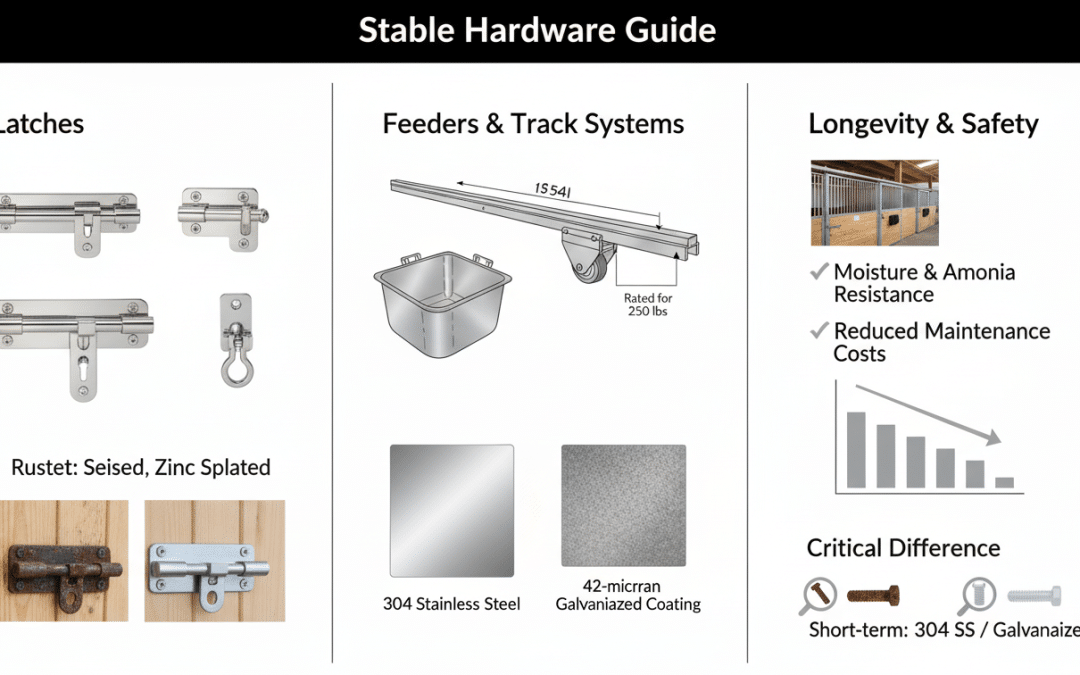
Hardware failure is not just an inconvenience; it’s a recurring cost that compromises safety. Standard zinc-plated fittings quickly degrade from moisture and ammonia, leading to seized latches and rusted tracks. The wrong choice turns a capital expense into a...
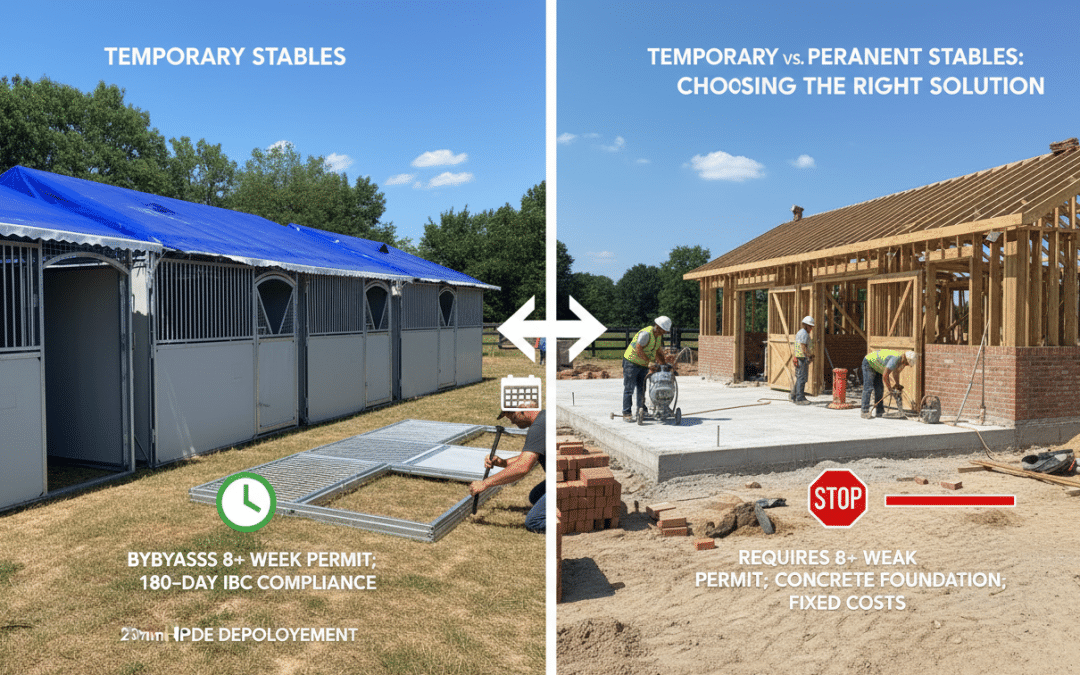
Permanent stables require an 8+ week permit process and a concrete foundation, a costly delay for event organizers and property investors. Temporary structures bypass these hurdles by aligning with codes that define short-term use, such as the IBC’s 180-day...
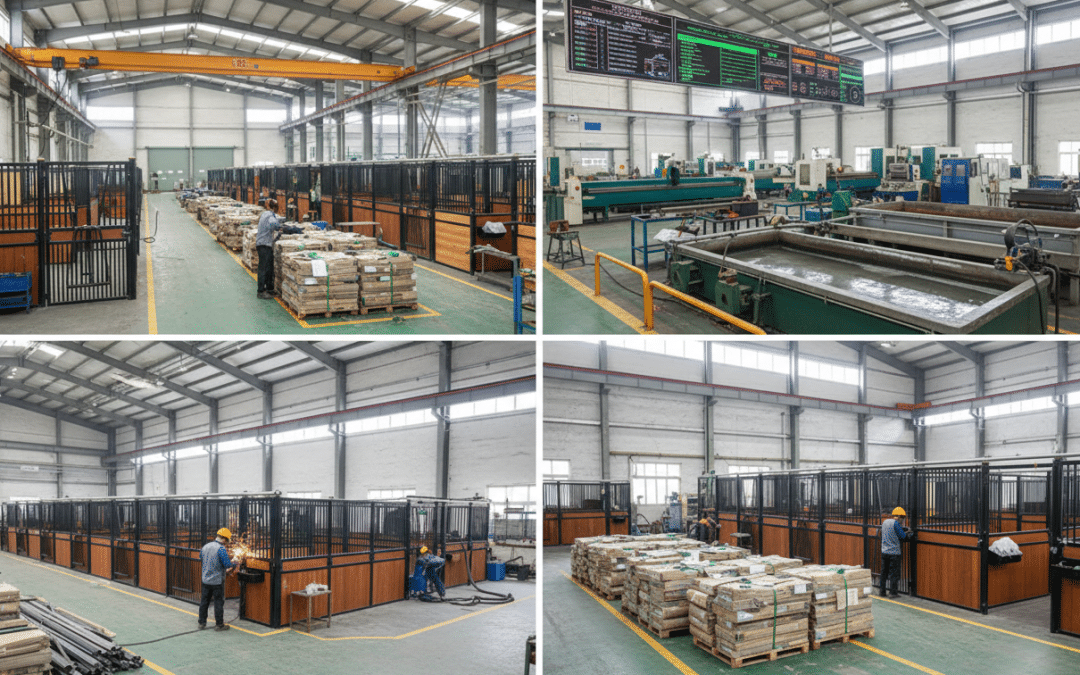
Sourcing directly lowers procurement costs by 30-40% by removing distributor markups, yet success hinges on verifying technical capabilities over superficial certifications. Failing to validate production realities often leads to receiving steel below the 42-micron...
Accurately forecasting construction costs for equine facilities requires navigating volatile material prices and labor variances. For investors, the difference between a profitable asset and a sunk cost often lies in selecting the right structural materials and...
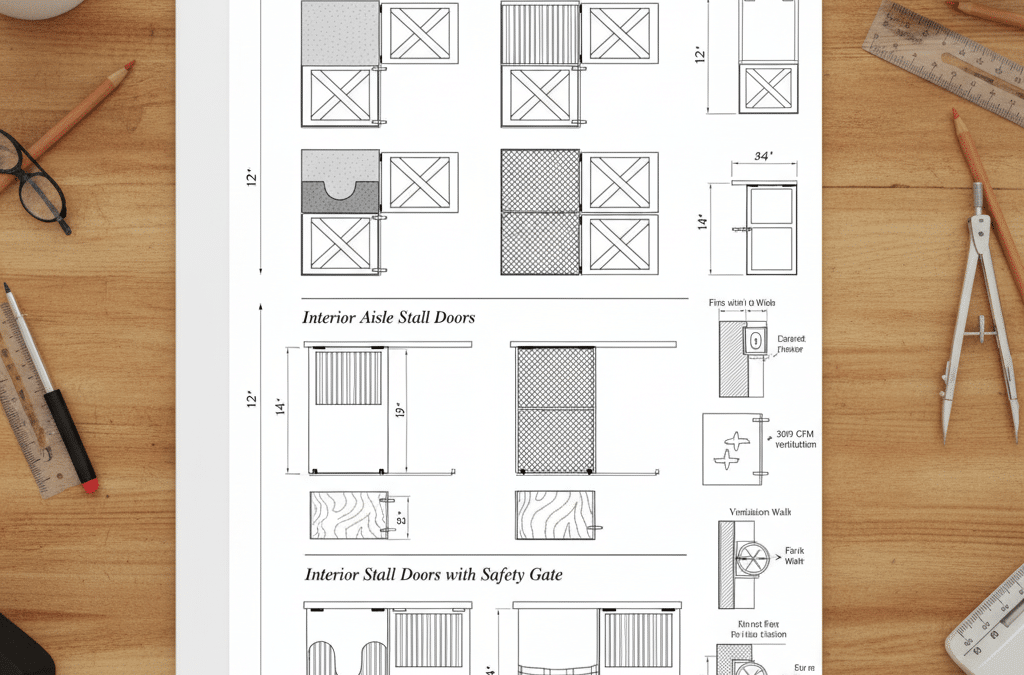
Proper stable design balances structural integrity with equine safety, requiring precise calculations for dimensions and ventilation. For architects and barn owners, errors in layout or hardware selection can compromise animal welfare and facility workflow. This guide...
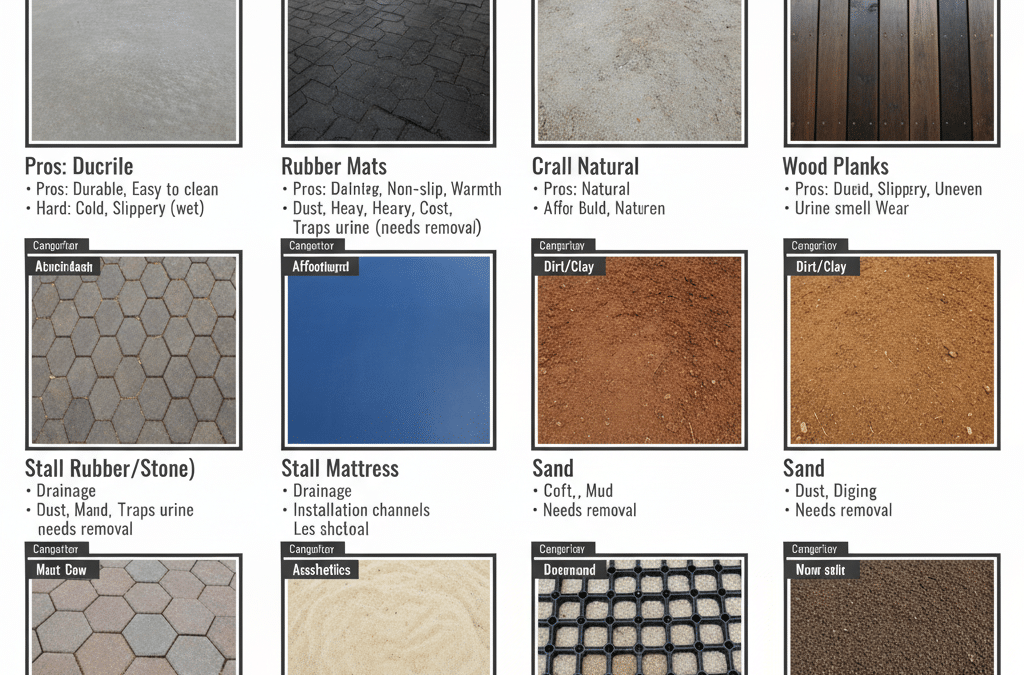
Stable owners understand that the right flooring directly impacts horse comfort, hoof health, and the efficiency of daily care. This guide compares 10 proven surfaces—from clay and concrete to rubber mats and grid systems—so you can align each option with its intended...




 German
  English
  Spanish
  French
  Arabic